5 Tips for Choosing the Right Pergola for Your Home
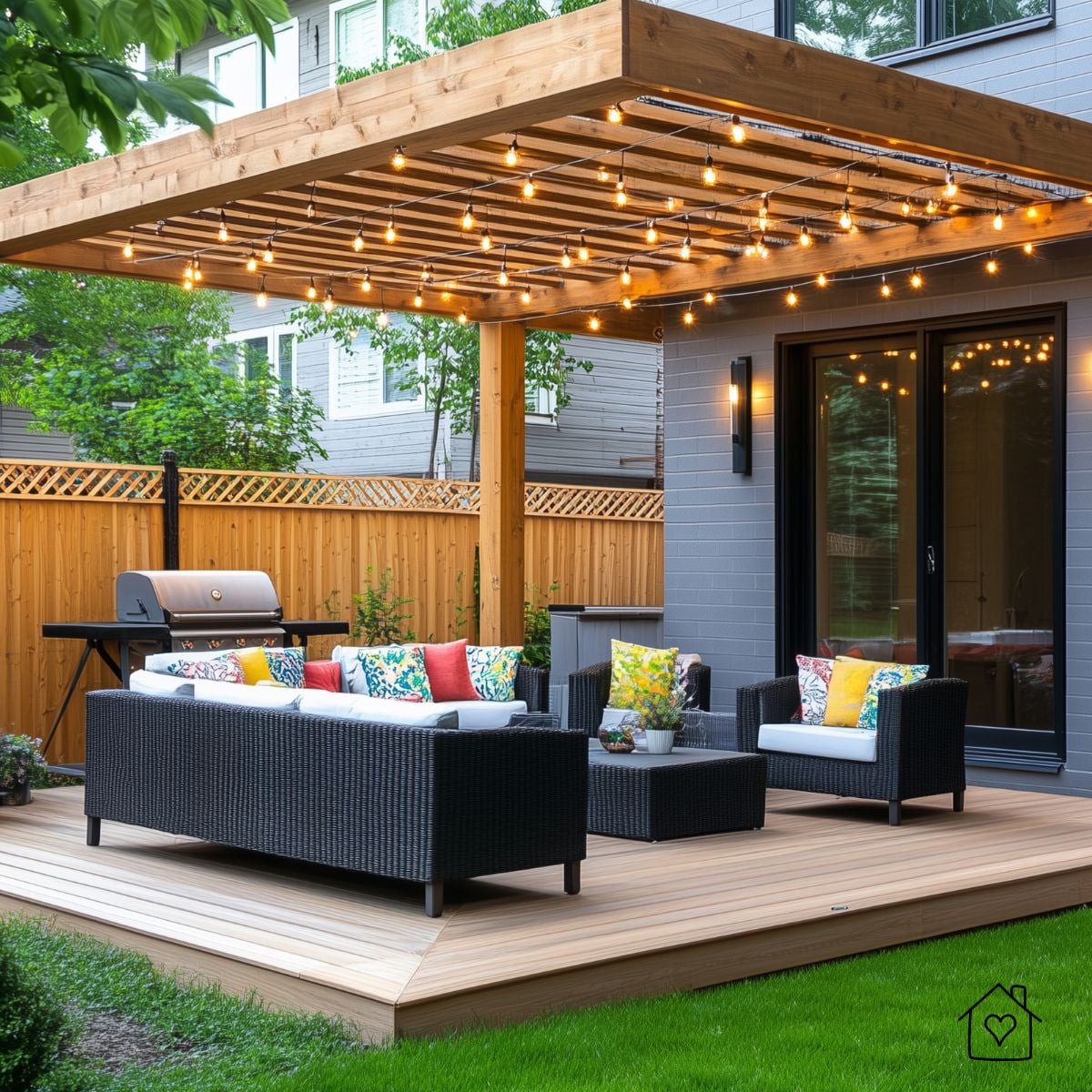
A pergola can turn an underused patio or backyard corner into a place you actually want to spend time. Maybe you're hoping for a shady spot for your morning coffee, somewhere to eat outside, or a comfortable seating area when friends come over.
Wondering how to choose a pergola? Start with more than how it looks. The right choice depends on how you'll use the space, where it will go, your local weather, and how much maintenance you're willing to take on. These five tips will help you find a good fit for your home.
From time to time, articles on The How-To Home may reference third-party websites, businesses, products, services, or review platforms as part of editorial research. When evaluating companies or services, we may consider publicly available information such as customer reviews, business websites, service offerings, licensing information when available, and overall relevance to the topic.
1. Start with how you want to use the space
Think about what you'll do beneath the pergola most often. A dining area needs room for a table, chairs, and people to move comfortably around them. As a starting point, try to allow about 3 feet of clearance behind dining chairs where space permits, then check the layout using your actual furniture dimensions. A conversation area may need space for a sofa, side tables, and a path back to the house.
A simple sketch can help. Mark the patio doors, steps, grill, garden beds, and any furniture you plan to keep. Then measure the space with those items in mind. It's an easy way to spot a layout that looks great online but won't work quite as well in your backyard.
Notice where the sun falls at the times you'll actually be outside. A patio that feels comfortable in the morning may get intense afternoon sun. That could affect where you place the pergola and whether you want adjustable louvers or side screens.
2. Measure the pergola area, not just the pergola
Don't choose a pergola based on its advertised dimensions alone. Measure the available width and depth, then consider how much open space you'll need around posts, furniture, doors, and walkways.
Height matters, too. Look at nearby windows, rooflines, gutters, tree branches, and the swing of any exterior doors. If you're considering a pergola attached to the house, ask your installer or consult the manufacturer's installation instructions to understand how it connects and how siding, flashing, and drainage will be protected.
A freestanding pergola offers flexibility in placement, but it still needs suitable anchoring. A paver patio or thin concrete slab may not provide the same support as properly designed footings. Check the manufacturer's requirements and local rules before assuming an existing surface will work.
If installation involves digging, contact 811 or your state's utility-location service before work begins. Also confirm the outside dimensions, post locations, clearances, and foundation requirements for the specific model you're considering.
3. Choose a pergola material you'll be happy maintaining
Pergolas commonly come in wood, vinyl, and aluminum. There's no single best choice for every backyard.
Wood can bring a warm, natural look to a patio, especially if you love a more traditional style. Depending on the wood and finish, though, it may need regular
Vinyl is typically straightforward to clean and doesn't need refinishing like wood, although colors and styles depend on the manufacturer.
Aluminum is worth considering if low maintenance is a priority. Powder-coated finishes generally don't need the refinishing that some wood pergolas do, but you'll still want to follow the manufacturer's
Compare warranty coverage, finish options, maintenance instructions, and suitability for your climate, not just the material name.
4. Think about sun, rain, and wind protection
An open-roof pergola can create an inviting outdoor spot and offer some shade, but it won't keep out much rain. If you want a more sheltered seating area, compare roof designs.
A louvered pergola has adjustable slats that change how much light comes through. Some systems are designed to channel rainwater when the louvers are closed, but water resistance and drainage vary by product. Don't assume every model is completely waterproof.
Pay attention to wind and snow, too. Check the manufacturer's published load ratings and installation requirements, particularly if you live where severe storms or heavy snowfall are common.
Before ordering, check with your local building department about permits and setbacks. If you belong to a homeowners association, review its approval requirements as well. The rules can depend on the pergola's location, size, and whether it's attached to the house.
5. Plan ahead for pergola extras you might want
You may only want shade today, but what about lighting for dinners outside or a privacy screen near the neighbor's fence? Thinking about those possibilities now can save you from having to work around an awkward setup later.
Depending on the system, upgrades may include integrated lighting, side screens, fans, or motorized louvers. Some accessories need compatible supports or electrical connections. Electrical work may require a licensed electrician and a permit, depending on your local rules.
If you're comparing aluminum pergola kits (packages of components designed to be assembled on-site), check what's included, which accessories are compatible, and what the installation instructions require. A kit won't be a good fit if it can't accommodate the features you want.
Make the outdoor space work for you
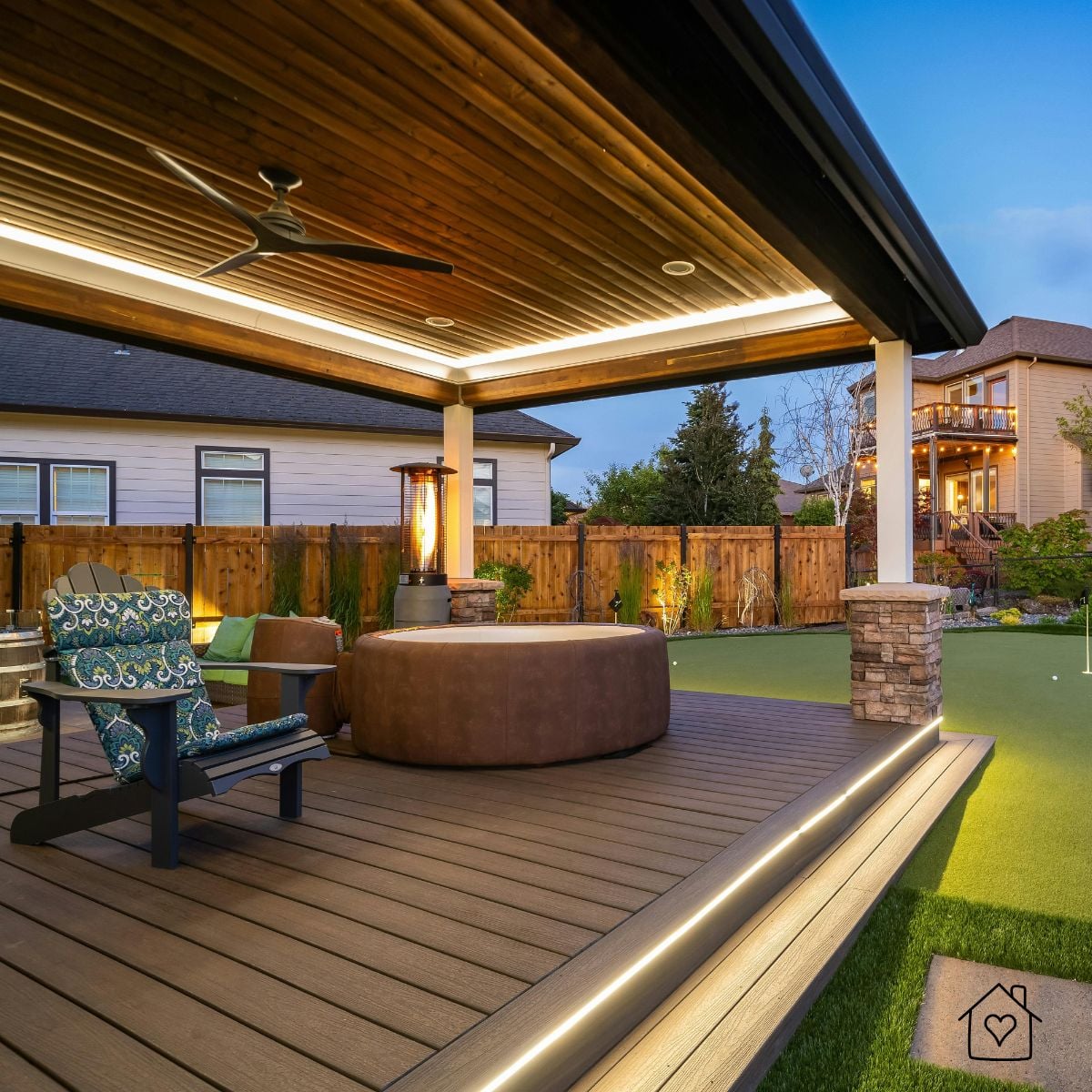
A well-chosen pergola should fit your backyard and the way you plan to enjoy it. Picture your furniture in place, see how the sunlight moves across the area, and make sure the materials and features suit your climate and routine.
What would you use your pergola for most: quiet mornings, family meals, or entertaining friends? Start there, and let that answer guide your choices.