Best Roofing Materials for Homes in Foggy, Wet, and Windy Climates
Most homeowners are unaware of how important it is to choose the proper roofing material, particularly in the Bay Area, where fog typically rolls in the morning, and wind gusts can occur without warning. San Francisco's environment causes roofs to deteriorate gradually but steadily because moisture permeates into delicate materials, and chronic dampness speeds up wear in ways that drier climates just do not. You'll need to replace it far sooner than you anticipated if you choose the incorrect material.
*This post may contain affiliate links and I'll earn a commission if you shop through them. You can read my full disclosure here.
In addition to selecting the appropriate materials, good roof maintenance is very important in avoiding premature wear and expensive damage. A lot of property owners rely on the services of professionals like licensed roof contractor RoofWorx Inc. when they consider the possibilities of roofing they can use, which can resist the local weather and still be stylish and functional.
Weather Challenges for Roofing
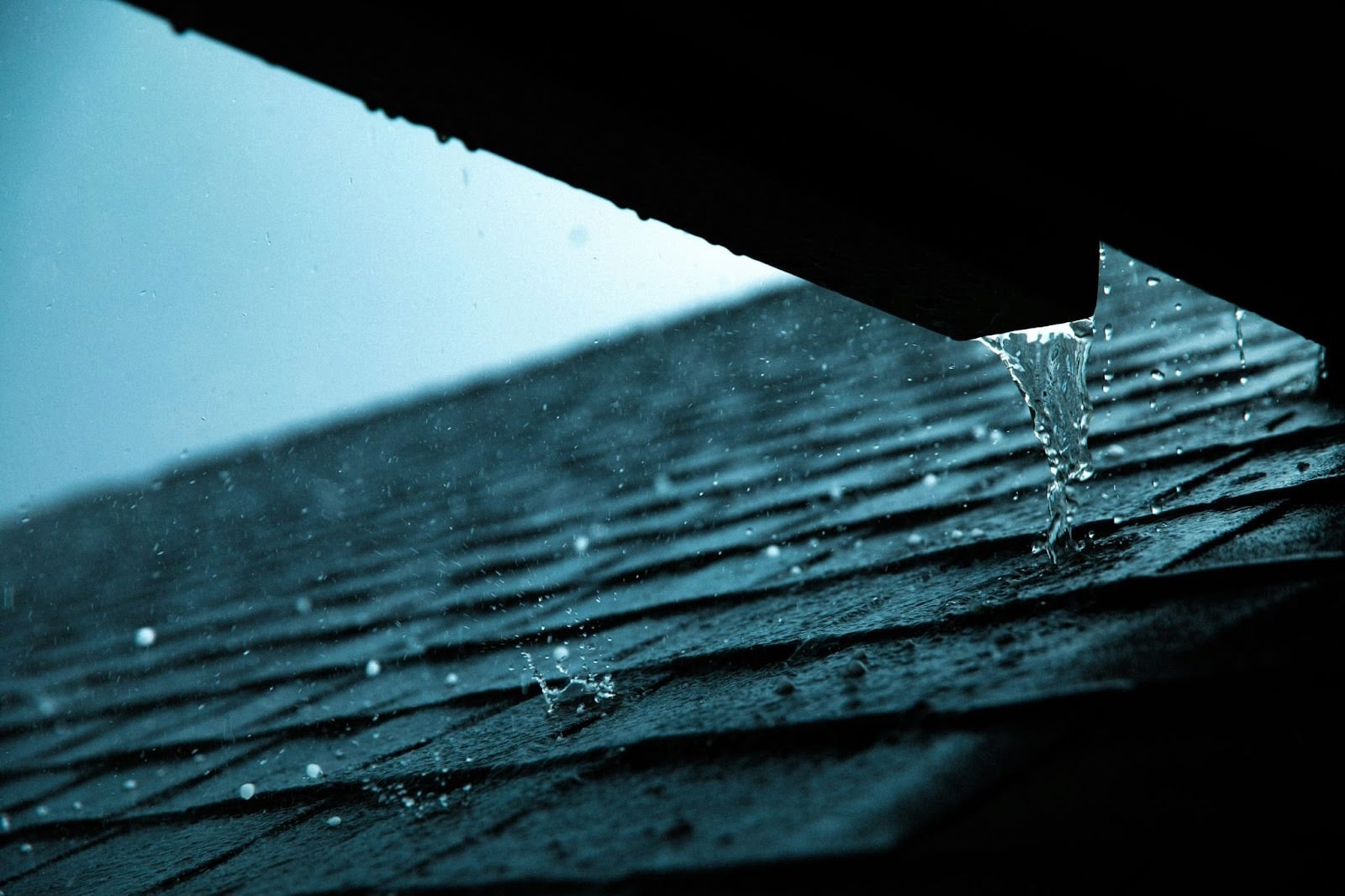
Houses in coastal areas and cloudy environments have special problems. In the long term, structural corrosion, mold growth, and algae bloom can result from constant exposure to water. Extreme weather can cause the roofing material to expand and contract, and strong winds can even dislodge it.
All of the above highlight the significance of choosing roofing materials that are impervious to water and maintain their structural integrity during storms. Poor planning can make high quality roofs to degrade at a faster rate than anticipated.
Best Roofing Materials for Weather Resistance
Not every material works the same in extreme weather conditions. Some are more appropriate to withstand the constant wet weather and wind and remain tough.
Popular options include:
- Metal roofing, which is wind-resistant and long-lasting.
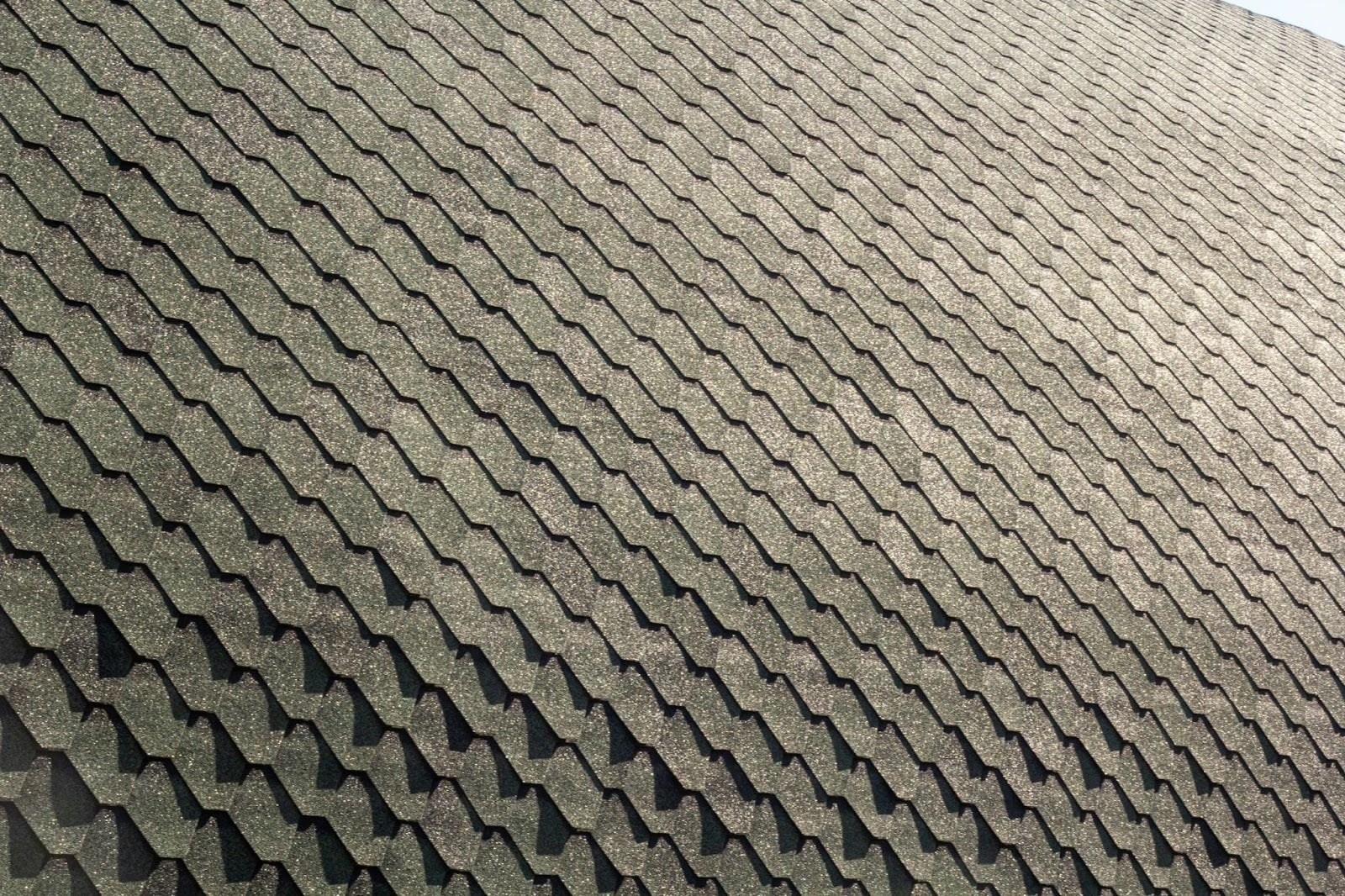
- Asphalt shingles with improved sealing technology.
- Tiles made of clay or concrete are moisture and rot-resistant.
- Durable and flexible synthetic roofing materials.
These are commonly regarded as some of the best roofing materials to use in a demanding environment since they are both durable and have relatively low maintenance requirements.
Key Features to Consider for Weather Protection
In wet and windy climates, there are features to the roofing material that are more crucial than others. Durability is in itself insufficient; materials have to be resistant to environmental stress.
Look for:
- High wind resistance ratings.
- Good water-shedding properties.
- Inhibition of mould and algae growth.
- Compatibility with proper ventilation and insulation.
These features guarantee that your roofing system will be effective in the long run, as it will have to accommodate regular roof maintenance procedures.
Installation Considerations for Extreme Weather
Even the hardest materials can break down in the event that they are improperly installed. Components should be installed in a proper way to achieve maximum performance in extreme weather conditions.
In order to assist in making the roofing materials water-resistant and safeguard the building below, professional builders are typically concerned with a secure fastening system, a suitable seal, and, most importantly, an appropriate underlayment.
Slope, drainage, and wind exposure to the location should all be taken into account during installation. These elements will probably affect any problems caused by fog or storms, particularly if they persist long enough.
Tips for Maintenance to Enhance Longevity
The best way to lengthen the life of the roof is to have routine maintenance. The finest roofing materials need some care in order to be efficient over time.
The most important maintenance practices are:
- Periodic examination for damage or wear.
- Removing trash and unblocking gutters.
- Dealing with minor leakages before they deteriorate.
- Checking for the growth of molds or algae.
Regular roof repairs not only help in keeping the roof looking good but also avoid expensive repairs and extend its usable life.
Regional Recommendations
In the Bay Area, material choice is usually determined by certain microclimates. Coastal houses may need greater water resistance, and houses built inland might pay more attention to protecting them from the sun's rays and heat.
Metal roofs and high-quality asphalt shingles are frequently used as roofing materials as they are durable, but are also reasonably priced. The tile roofing is also prevalent, particularly for people who want long-term performance with little maintenance.
Local expertise may be particularly useful in making such decisions. RoofWorx and other contractors who are conversant with the conditions of the region are usually aware of how various materials react to certain neighborhoods and weather conditions.
Conclusion
One of the most critical decisions that homeowners can ever make in a foggy, wet, and windy climate is the choice of material for their roof. Whether it is the choice of long-lasting materials or installation and maintenance, all play a significant role.
Do you ever experience difficulties with your roof due to your area's weather, or have you encountered materials that are effective in your area? Share your ideas or experience with us.