The Best Ways to Safeguard Your Home’s Exterior from Weather Damage
Maintaining your home's exterior is crucial for preserving its beauty, value, and structural integrity. Weather damage can take a significant toll on your home, leading to expensive repairs if not addressed properly. Extreme temperatures, moisture, and harsh conditions can cause long-term problems such as cracks, leaks, and even mold growth. Fortunately, there are several steps you can take to protect your home from the ravages of weather.

This article will explore the best ways to safeguard your home's exterior from weather damage. From regular inspections to choosing the right materials, we'll cover the key factors you need to consider to ensure your home is weatherproofed and well-maintained for years to come.
*This post may contain affiliate links and I'll earn a commission if you shop through them. You can read my full disclosure here.
Understanding Weather Damage
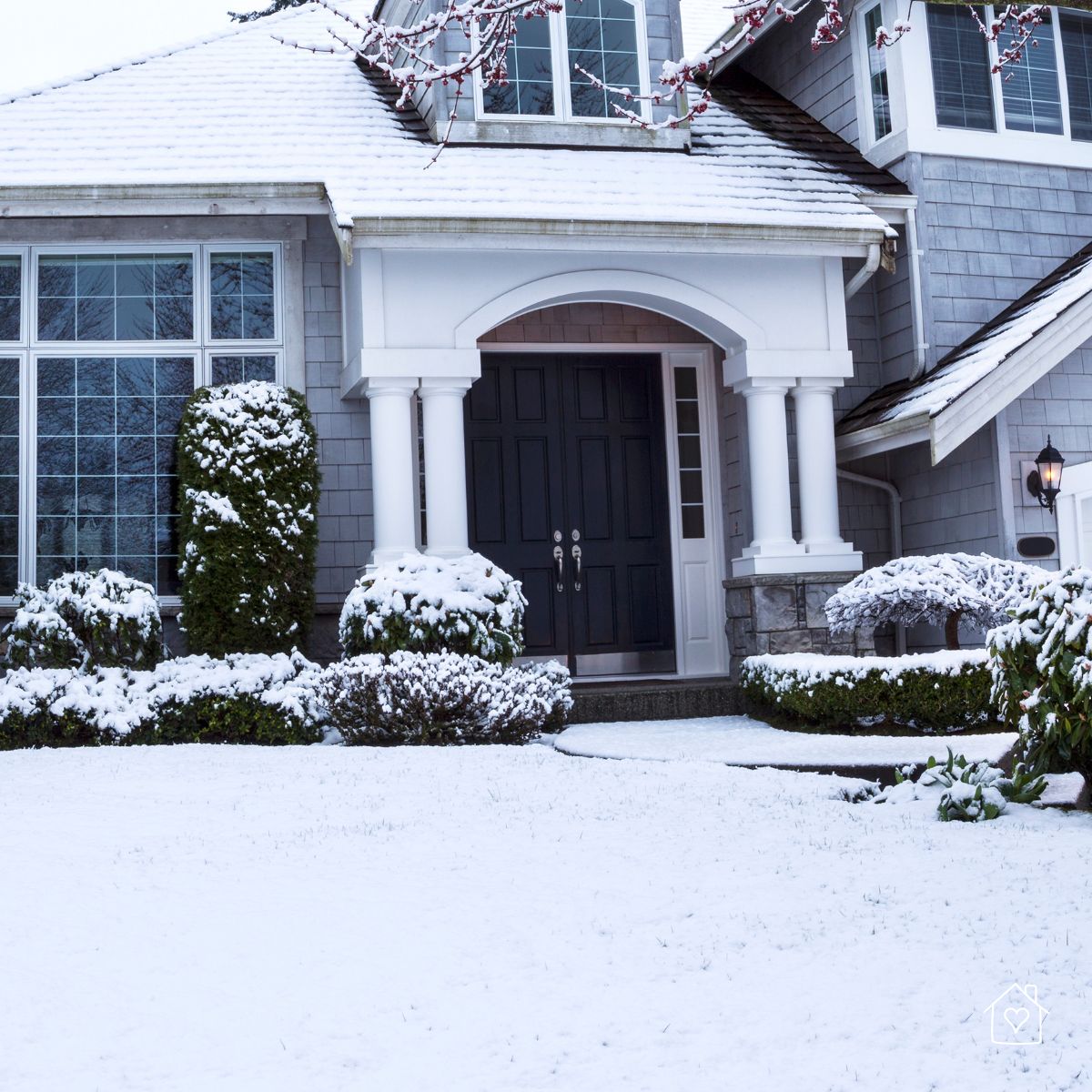
Weather can have a profound impact on the exterior of your home. Whether it's the scorching heat of summer or the harsh cold of winter, your home is constantly exposed to various conditions that can lead to damage. Moisture, temperature fluctuations, and wind are the primary culprits.
Rain and snow can seep into cracks and crevices, causing erosion and weakening the structure. High winds can strip away shingles or siding, while excessive sun exposure can cause fading and cracking. Understanding these factors is essential in taking preventive measures to protect your home.
Regular Exterior Inspections
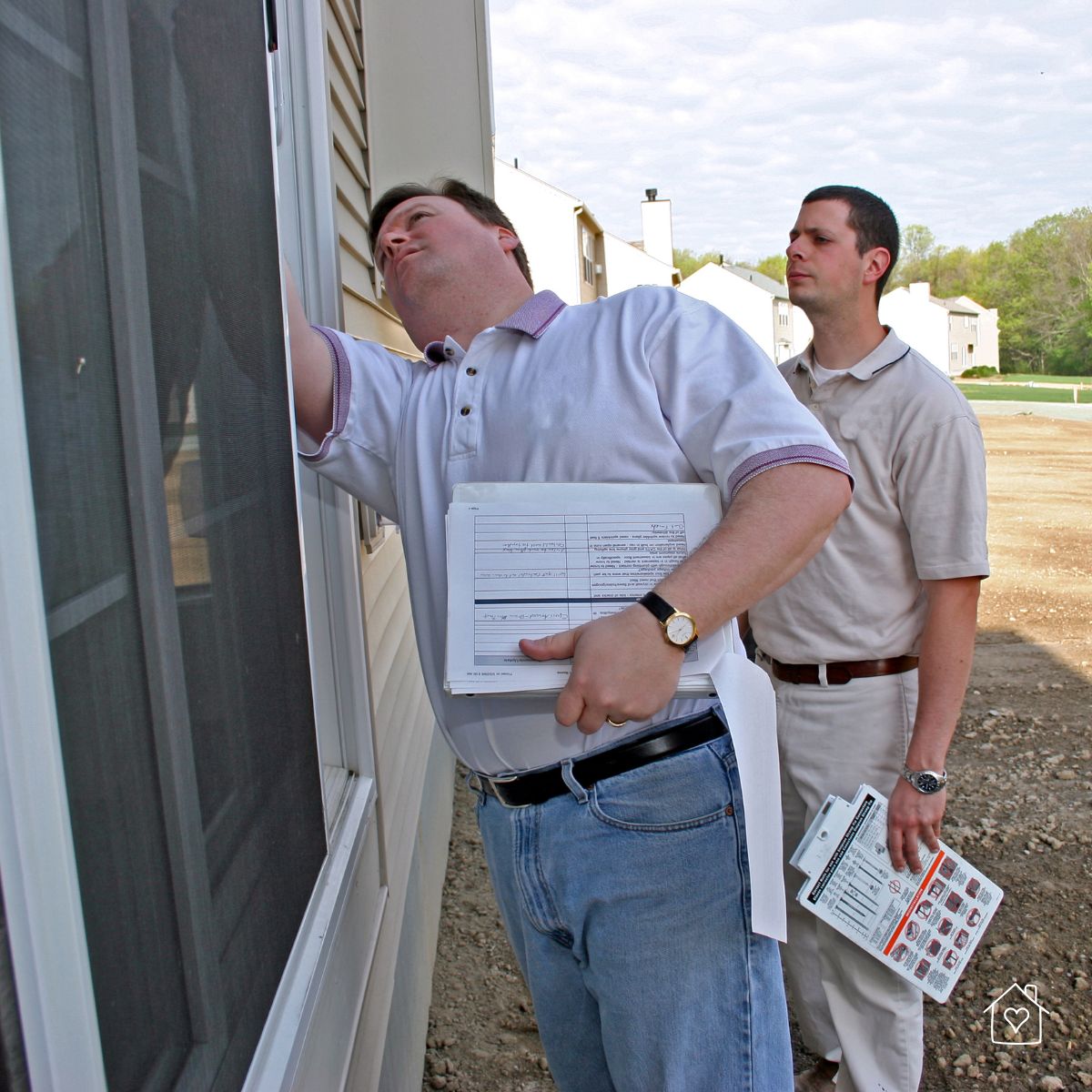
One of the most important steps you can take to prevent weather damage is to perform regular inspections of your home's exterior. By checking for signs of wear and tear, you can catch small problems before they become big ones. Inspecting your home every six months is ideal, but it's especially important to do so before and after extreme weather conditions.
When inspecting your home's exterior, focus on areas like the roof, windows, doors, and foundation. Check for any cracks, gaps, or holes that could let moisture in. Look for signs of mold or mildew growth, which are often caused by excessive moisture. If you spot any issues, address them immediately to avoid further damage.
Proper Sealing and Waterproofing
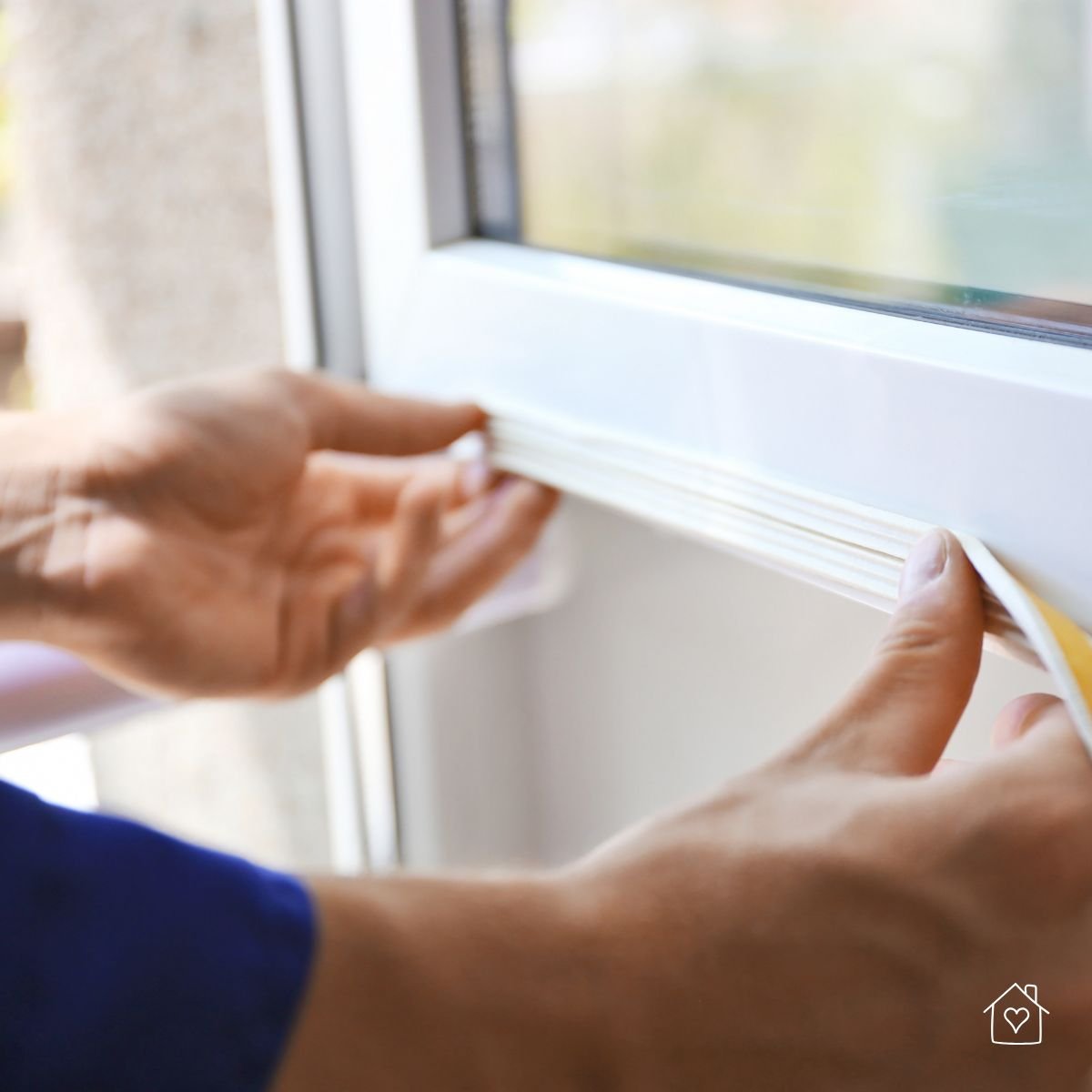
Sealing cracks and gaps in your home's exterior is one of the simplest and most effective ways to protect it from weather damage. Over time, even the smallest cracks can allow water to seep in, leading to mold, rot, and structural weakening.
Use high-quality sealants to fill in any gaps around windows, doors, or siding. Waterproofing materials can also be applied to protect vulnerable areas such as the basement or foundation. This added layer of protection will prevent moisture from infiltrating your home and causing costly damage.
Roof and Gutter Maintenance
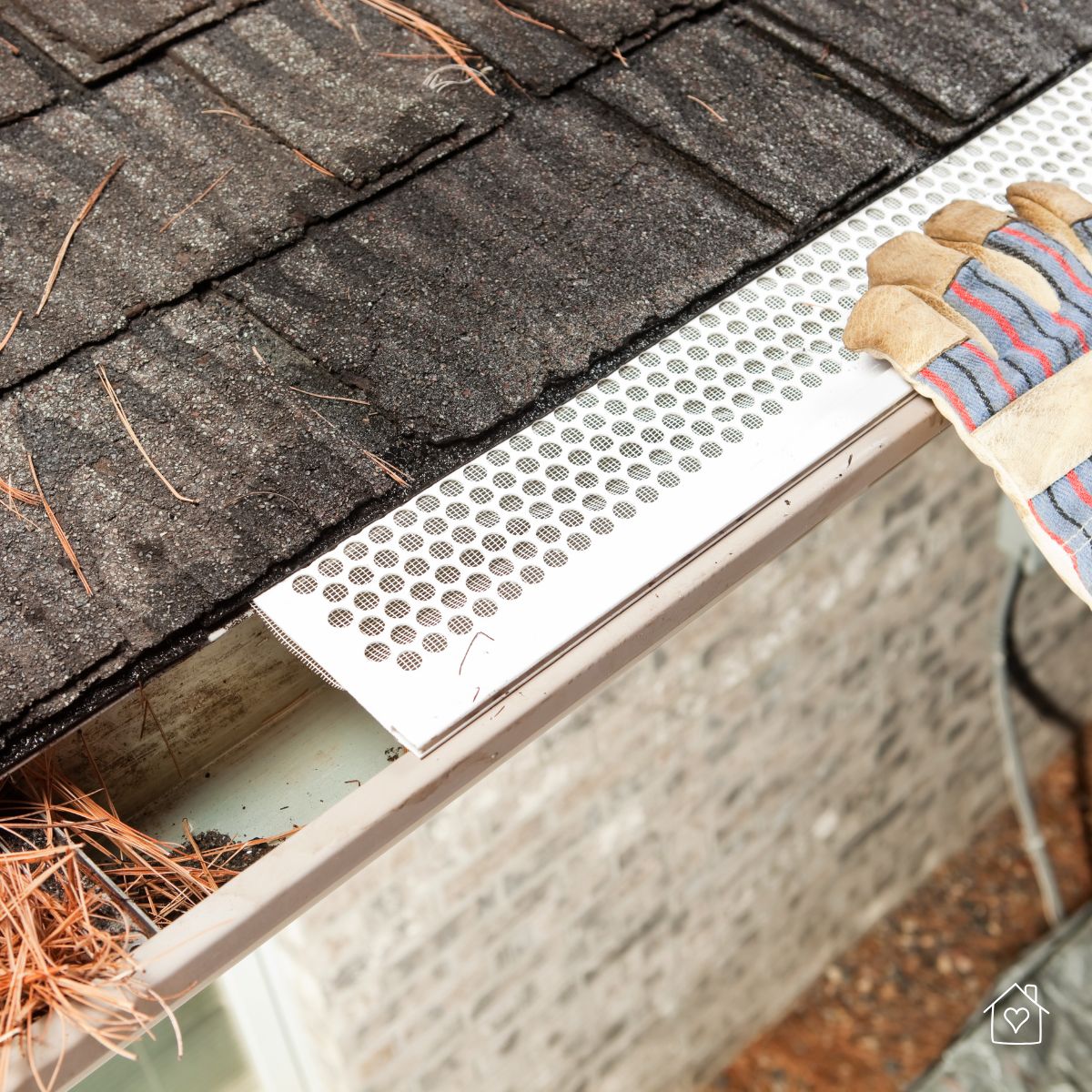
Your roof is your home's first line of defense against weather. It takes the brunt of the damage from rain, snow, hail, and extreme temperatures. A damaged roof can lead to leaks and water infiltration, which can result in extensive interior damage. Regular roof inspections are essential to ensure that it remains in top condition.
Check for missing or damaged shingles, rusted flashing, or signs of wear. Replace any damaged shingles promptly to prevent water from entering your home. Additionally, make sure your gutters are clean and free of debris. Clogged gutters can cause water to back up, potentially damaging the roof and foundation.
Choosing Weather-Resistant Materials

When it comes to exterior maintenance, the materials you choose for your home can make a huge difference in its ability to withstand the elements. Investing in durable, weather-resistant materials will help prevent damage from rain, wind, and temperature fluctuations.
For instance, vinyl siding, fiber cement, and metal roofing are excellent choices for homes exposed to harsh weather conditions. These materials are designed to resist fading, cracking, and warping, making them ideal for long-term protection. Though they may have a higher upfront cost, they can save you money in the long run by reducing the need for repairs.
Stucco Remediation is also an important consideration for homes with stucco exteriors. If your stucco is damaged, it can lead to water infiltration and structural problems. Timely remediation can prevent further damage and protect the underlying structure of your home.
Landscaping for Protection

Your landscaping can play a significant role in protecting your home's exterior from weather damage. Overgrown trees and shrubs can cause damage to the siding or roof, especially during storms. Regularly trimming trees and bushes will reduce the risk of branches scratching or scraping against your home.
In addition to trimming, you should also focus on proper drainage. Ensure that rainwater is directed away from your home's foundation by installing gutters, downspouts, and proper grading. Poor drainage can lead to water pooling around your foundation, which can cause cracks, flooding, and even foundation damage. Landscaping solutions like French drains can help keep water away from your home, protecting its structural integrity.
Insulating Your Home's Exterior
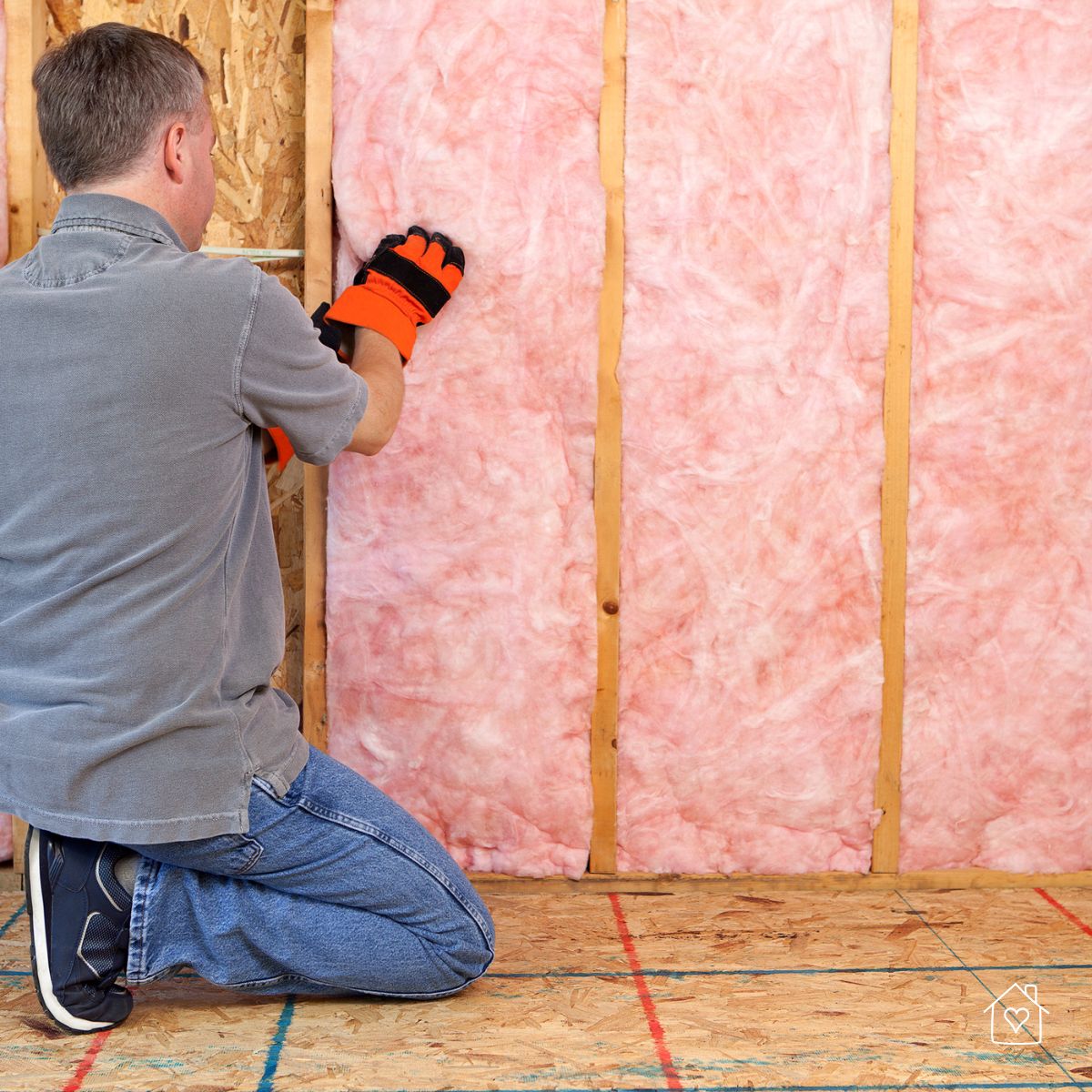
Proper insulation is crucial for preventing weather damage, particularly in areas with extreme temperatures. Insulation helps regulate the temperature inside your home, preventing it from becoming too hot or too cold. This can reduce the strain on your home's exterior, preventing cracking, fading, or warping caused by fluctuating temperatures.
In addition to temperature control, insulation can also reduce condensation, which is a common cause of mold and mildew growth. Insulating areas like the attic, walls, and basement will help keep your home comfortable and dry while protecting it from the elements.
Preventing Mold and Mildew Growth
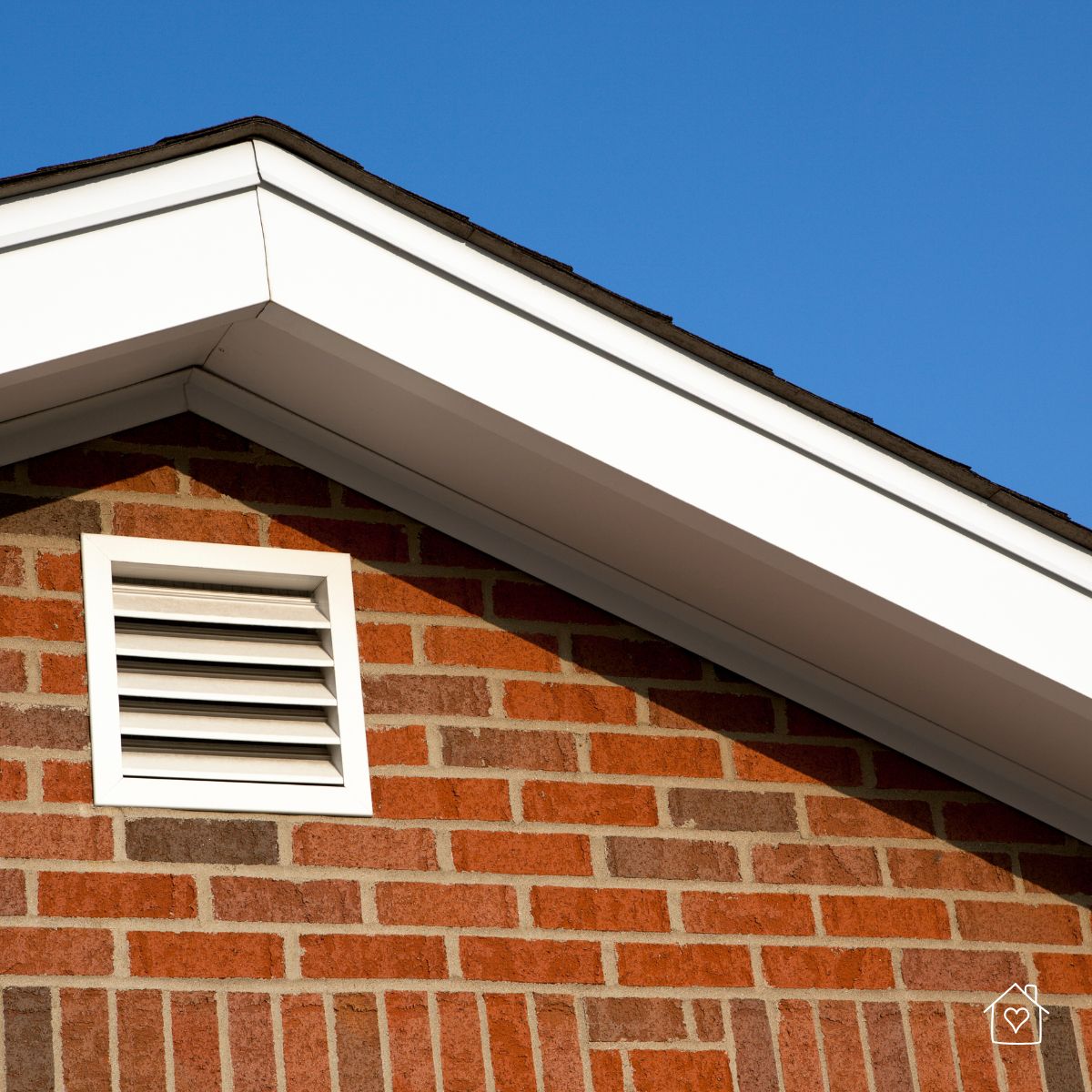
Mold and mildew thrive in damp, poorly ventilated areas. Over time, they can damage the exterior of your home, especially if left unchecked. If moisture is allowed to linger on your home's surface, it can lead to rot, staining, and structural damage.
To prevent mold growth, ensure that your home is properly ventilated, particularly in areas like the attic and basement. Use mold-resistant paints and sealants on your exterior surfaces to protect against moisture. If you spot mold or mildew, clean it up promptly using the appropriate
Implementing Effective Ventilation Systems
Proper ventilation is essential for maintaining the health of your home's exterior. Without adequate airflow, moisture can build up, leading to condensation and the growth of mold or mildew. Proper ventilation helps maintain the structural integrity of your home by ensuring that moisture doesn't accumulate in vulnerable areas.
Consider installing vents in your attic, basement, and crawl spaces to improve airflow. Exhaust fans in kitchens and bathrooms can also help reduce moisture levels. These small changes can have a significant impact on preventing weather-related damage.
Hiring Professional Help When Necessary
While many of the steps outlined above can be handled by homeowners, there are times when it's best to call in a professional. If your home's exterior requires significant repairs or you're unsure of how to address a specific issue, hiring a qualified contractor can save you time and money in the long run.
Look for a reputable contractor who specializes in exterior maintenance and repairs. They can assess the condition of your home and recommend the best course of action. Whether it's replacing a roof, repairing siding, or addressing structural damage, a professional will ensure that the job is done right.
Conclusion
Safeguarding your home from weather damage requires vigilance and regular maintenance. By following the steps outlined in this article-such as performing regular inspections, sealing cracks, maintaining your roof and gutters, and choosing durable materials-you can ensure that your home remains protected from the elements.
Remember, your home's exterior is its first line of defense against the weather. Investing time and effort into maintaining it will not only protect your property but also save you from costly repairs in the future. Take action today to safeguard your home and ensure its longevity for years to come.