Your Basement’s Dangerous Hidden Secrets and the Efficient Cure That Can Help
RADON! The buzz word that's out there and makes us all worry but in case you didn't know, it is a radioactive gas. And radioactive equals BAD. But how does it even get into your home and why is it a risk to your health and safety.
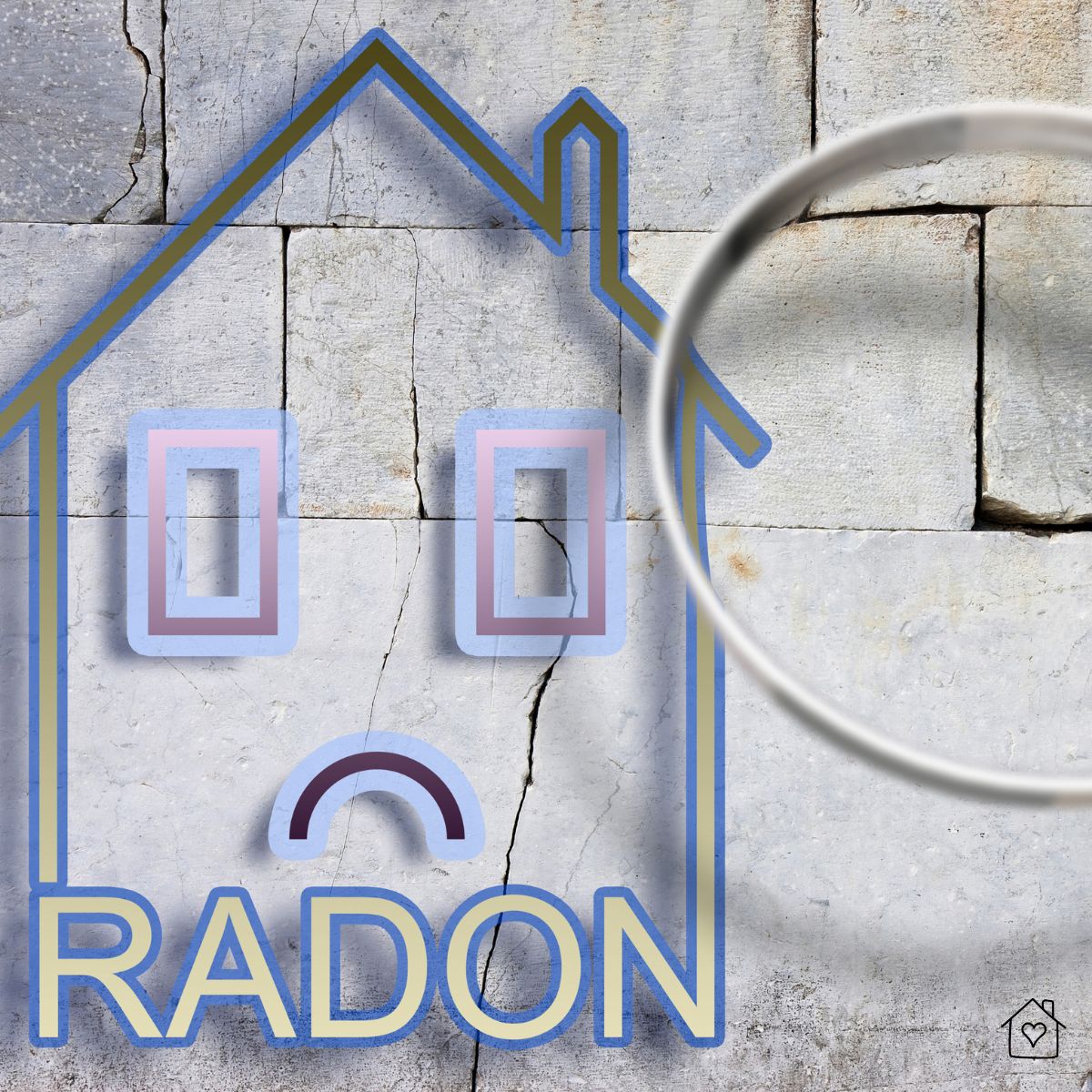
Well, Radon can get into your home from gaps around pipes, unsealed or cracked floors or walls and sump pump holes.
So, in this article, we'll go over this issue and what you can do to keep your family safe and healthy. And since most of those installations are in home basements, we'll focus on that.
*This post may contain affiliate links and I'll earn a commission if you shop through them. You can read my full disclosure here.
Dug-out basements:
- Highest risk (surrounded by soil).
- Often poorly insulated → more cracks = more radon entry.
Partial basements (with windows):
- Less radon (one side exposed to air), but not radon-proof.
- Still prone to moisture seepage → mold, mildew, and weakened insulation.
This can be a real Health and Safety issue for you and your family so let's have a look how to curb your anxiety about this and other risks hidden in your basement.
Health Risks of an Uninsulated (or Poorly Insulated) Basement
Radon Exposure
As I mentioned before, Radon is a gas that comes up from the ground and can leak into our homes. It is created by the rocks, soil and water in the ground and is radioactive. The gas breaks down into radioactive particles which we can inhale if it's in the air.
These particles then give our lungs a dose of radiation which can cause lung cancer. With long term exposure, it becomes a silent threat, and symptoms may appear too late to treat effectively.
*This post may contain affiliate links and I'll earn a commission if you shop through them. You can read my full disclosure here.
Mold and Air Quality
If you have a dug-out basement:
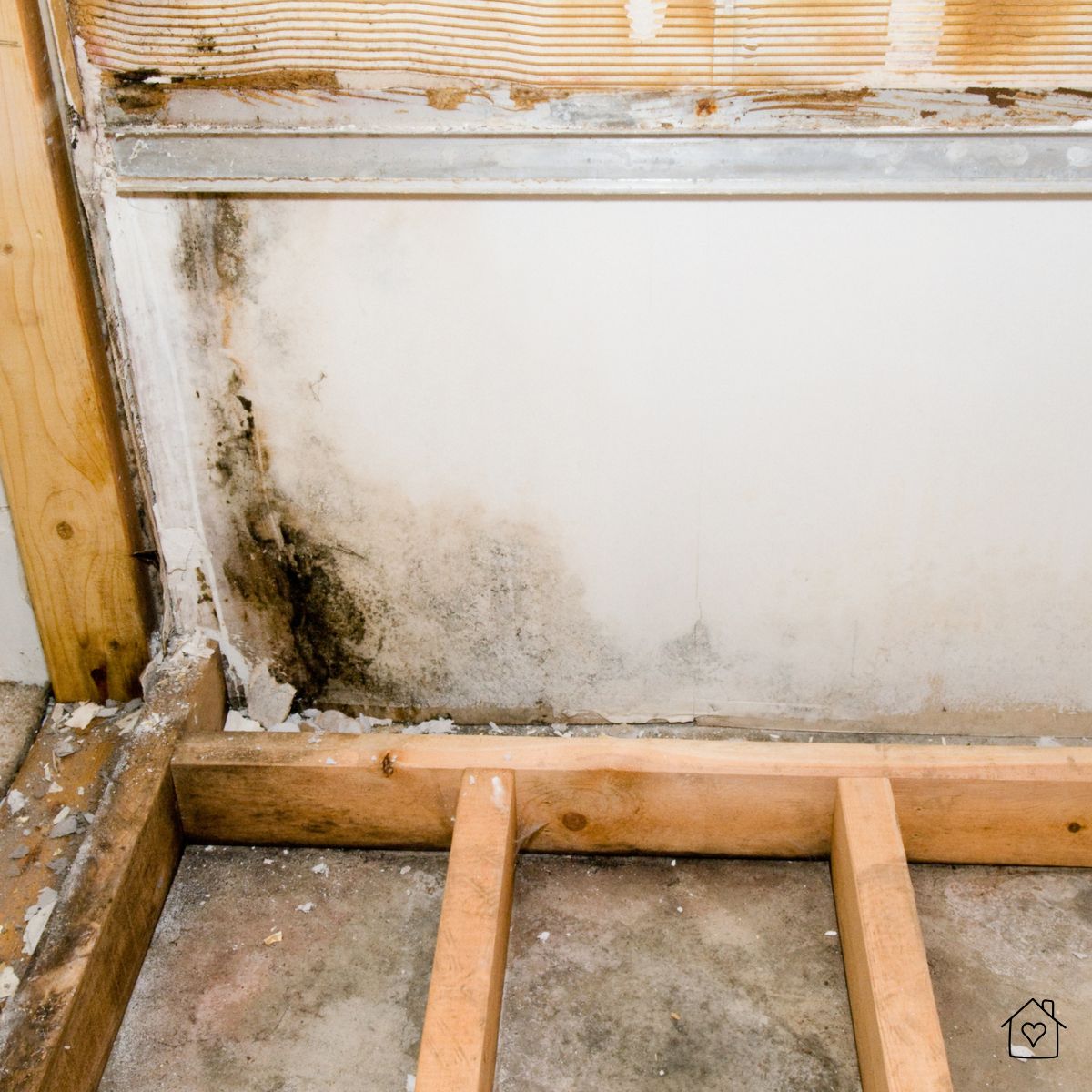
Dampness plus organic materials such as wood or drywall is a breeding ground for mold. Mold can trigger respiratory illnesses like asthma or other allergies that will make it impossible to live in the environment if it affects you.
Partial basement:
Condensation on windows or cold walls can cause hidden mold growth and musty air can circulate upstairs through the 'stack effect'. This can be a useful tool if the ventilation and air flow is carrying healthy air but can be detrimental if the air is carrying mold particles or radon throughout your house.
Indirect Health Risks
Structural damage like rotting wood, crumbling concrete can also lead to pest infestations and add to the unhealthy air quality circulating throughout your home adding costly repairs.
How You Can Battle the Issues Challenging the Health of Your Home
So many times, I have arrived in someone's new home for the grand tour and the basement is an absolute freezer, or it's damp and sometimes just plain smelly. All red flags when buying, but sometimes easily fixable with the right planning.
One of the best defences is to ensure you start with a proper Radon mitigation system which often involves efficient ventilation and/or sub-slab depressurization. Also get vapor barriers which are super important for damp basements (stops moisture before mold starts).
Insulation Appropriate For Your Basement Type
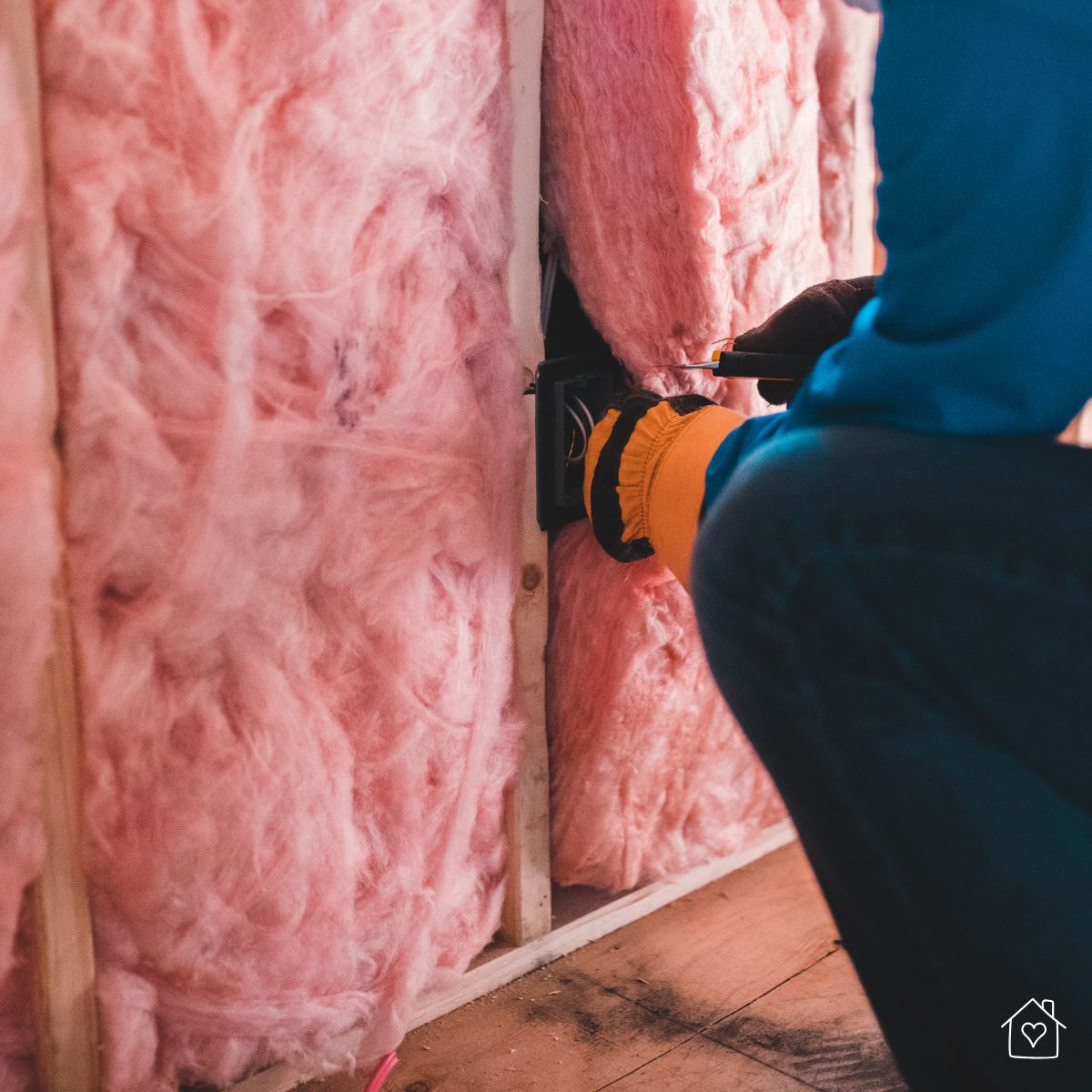
When it comes to efficient basement insulation, different houses have different basement types and sometimes these require specific needs. I think a review of the R value of your home would be helpful in learning what is specific for your needs but generally, these tips may help:
Fully Dug Out Basements
Priority - moisture sealing.
Best insulation:
- Closed-cell spray foam (airtight but pricey).
- Interlocking panels (like Insofast) and vapor barrier (DIY-friendly).
Must-do: Test for radon! (EPA recommends all homes, especially basements).
Partial Basements
Priority - moisture control and thermal efficiency.
Best insulation:
- Rigid foam boards (moisture-resistant, moderate cost).
- Fiberglass (only if perfectly sealed).
Top Tip: Insulate window wells to reduce condensation and cold spots.
Basement Insulation & Radon: Myth vs. Fact
- MYTH: "If my basement doesn't feel damp, radon isn't a problem."
FACT: Radon is odorless and invisible-no moisture required. Even "dry" basements can have dangerous levels. - MYTH: "Fiberglass insulation blocks radon."
FACT: Fiberglass alone doesn't air-seal. Gaps let radon sneak through. Pair it with a vapor barrier or use rigid foam panels. - MYTH: "Daylight basements don't need radon testing."
FACT: Partial basements still contact soil. Test everywhere-radon levels vary even house-to-house.
As I've mentioned before, Radon can be a potentially lethal problem but even the best insulation is not always enough on its own for high radon levels. Try pairing insulation with:
- Sub-slab depressurization (gold standard for dug-out basements).
- Ventilation upgrades (key for partial basements).
Both fixes can boost the value of your home if you ever want to sell.
Conclusion
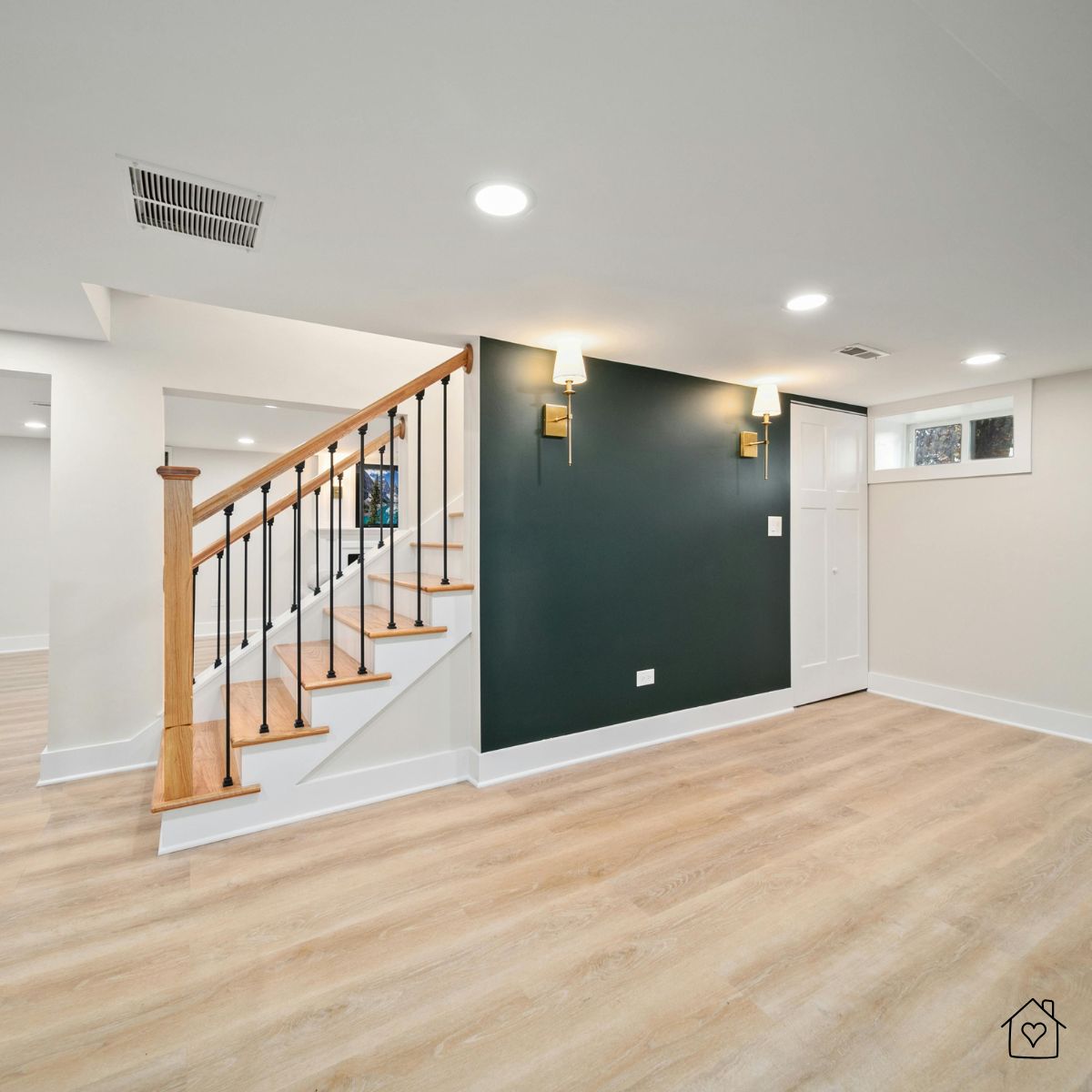
There's no doubt that you can give your family a safe and healthy place to relax, sleep and live just by simply choosing effective insulation and the betterment of the air quality of your home.
By choosing the right products for your basement you're ensuring a solid foundation for a comfortable, healthier energy smart home.