7 Hidden Problems in Your Backyard You Should Fix Before Your Next DIY Project
Your backyard may look fine at first glance, but lurking beneath the surface-or tucked away in forgotten corners-are issues that can derail your next DIY project. Before rolling out new sod, installing a fire pit, or building a deck, it's important to identify and address these hidden problems. Catching them early will save you time, money, and frustration down the line.
*This post may contain affiliate links and I'll earn a commission if you shop through them. You can read my full disclosure here.
Drainage That Disrupts Everything
Water is one of the biggest threats to your backyard's structure and safety. Poor drainage can lead to soggy patches, root rot, foundation damage, and even mosquito breeding grounds. If water pools near your home or in low spots after a rainstorm, you've got a problem.
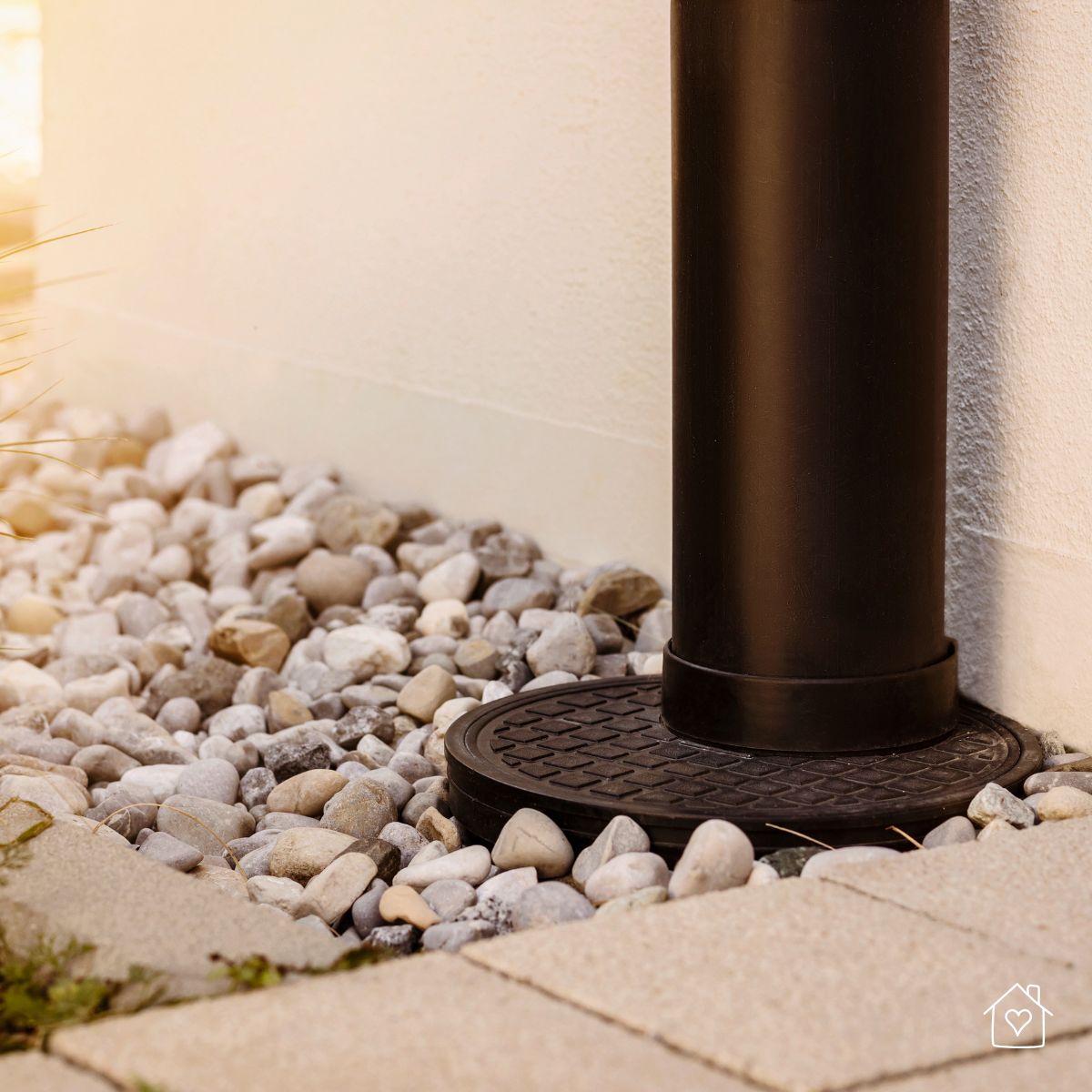
One issue that often goes unnoticed is poor drainage. Standing water or runoff pooling near your foundation doesn't just cause erosion-it can also introduce long-term structural problems. The good news is, there are sustainable approaches to stormwater control that don't involve ripping up your entire yard. Green infrastructure solutions like rain gardens or permeable pavers can help disperse and absorb runoff efficiently. If drainage fixes don't resolve the pooling, consider calling in leak detection services to rule out an underground pipe issue before investing further in landscaping.
Tree Roots in the Wrong Places
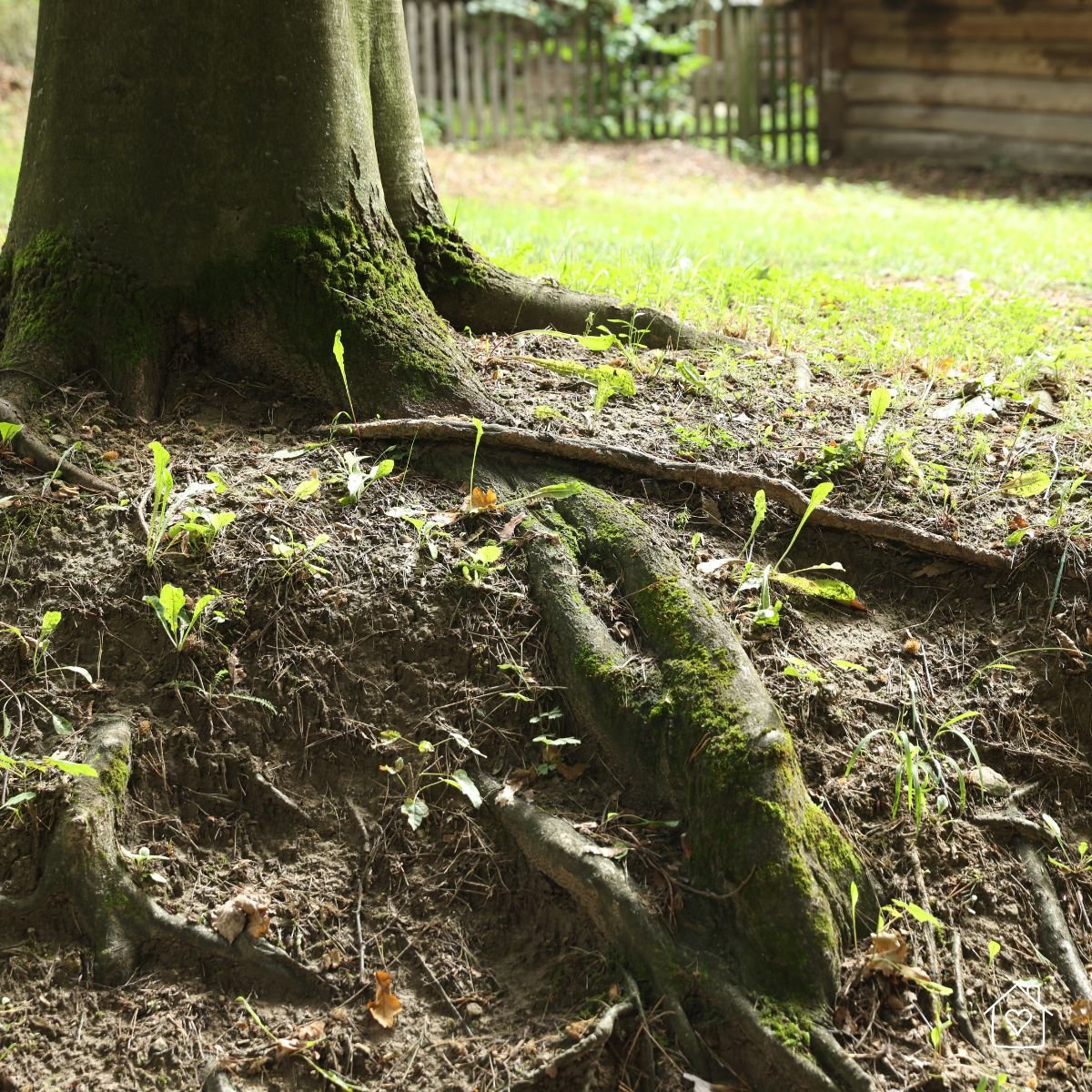
Tree roots can stretch far beyond the trunk, interfering with underground utilities, cracking pavement, and stealing nutrients from nearby plants. If you're planning to dig or install anything in your yard, map out major roots before you begin. A good rule of thumb: for every inch of trunk diameter, expect roots to spread at least 1.5 feet from the base.
Invasive Plants and Hidden Growth
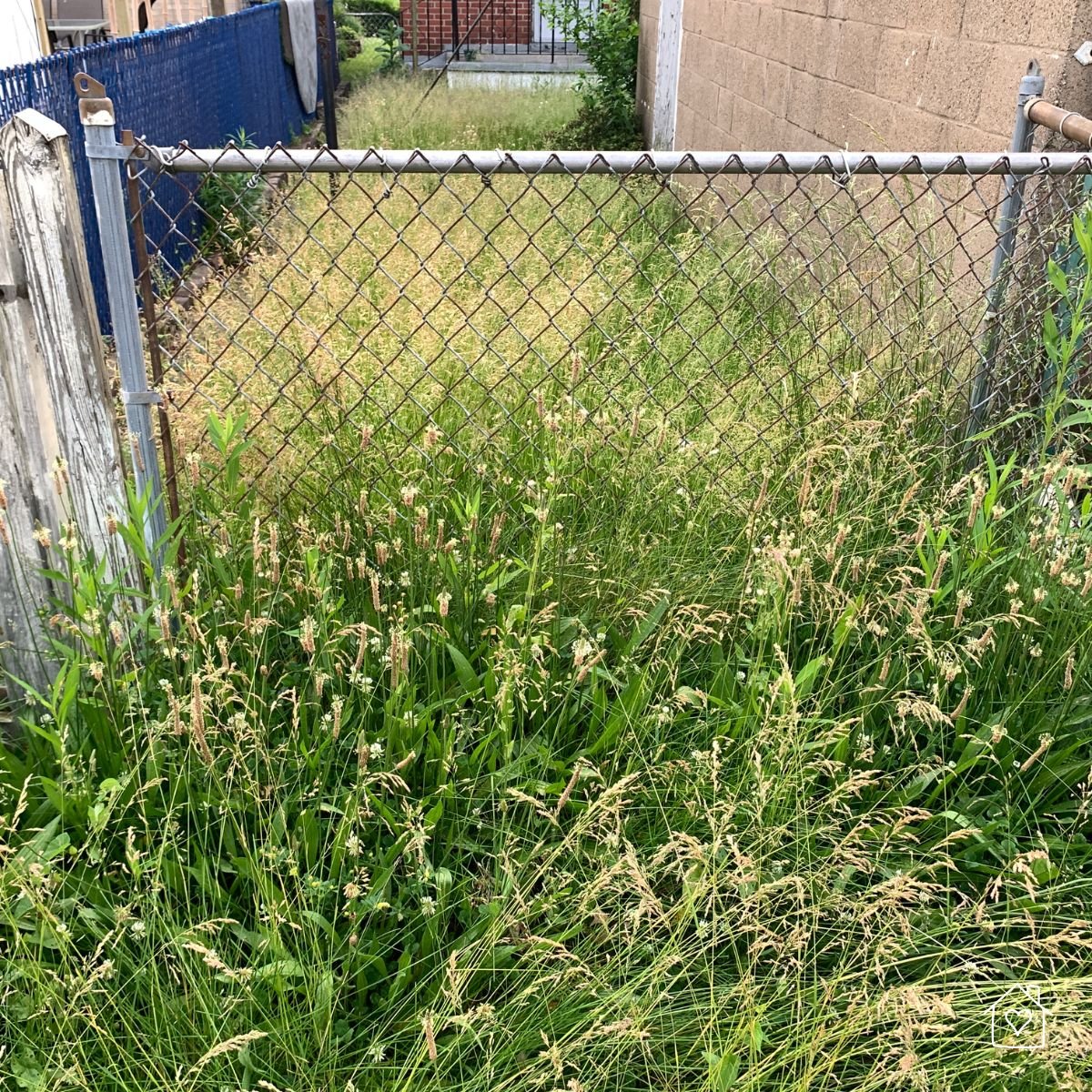
That thick patch of ivy or ornamental grass might look lush, but it could be hiding damage underneath. Invasive species tend to spread aggressively, choking out other plants and sometimes even compromising hardscaping or fencing. Remove any overgrowth before starting a new project, especially if you're working near garden beds or structures.
Soil Problems That Go Unnoticed
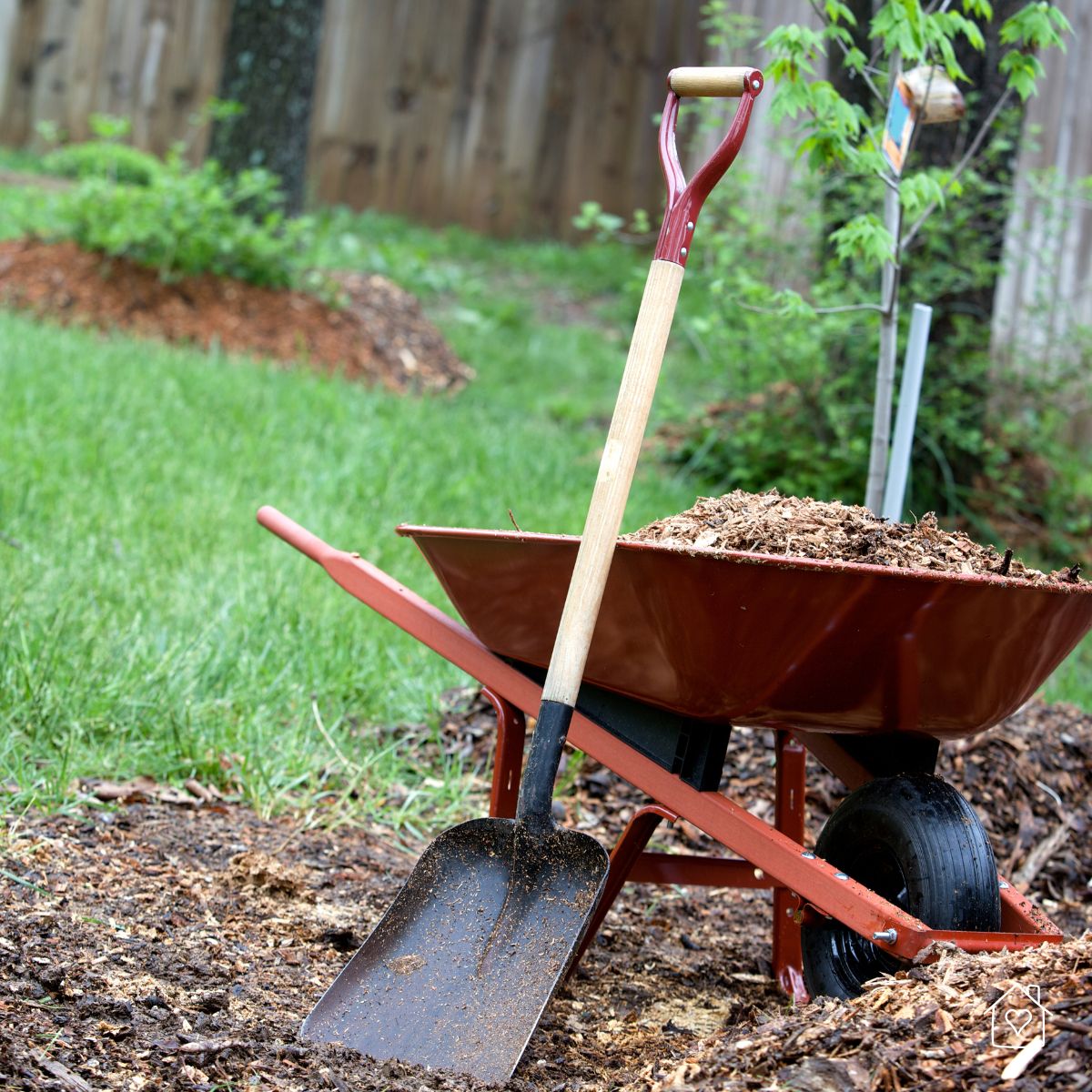
Healthy soil is key to any successful DIY project, whether you're planting, paving, or building. Compacted or nutrient-poor soil can cause instability and poor drainage. Test your soil before starting, particularly in areas where you'll be laying foundations or planting anything structural.
Pest Havens You Didn't Know About
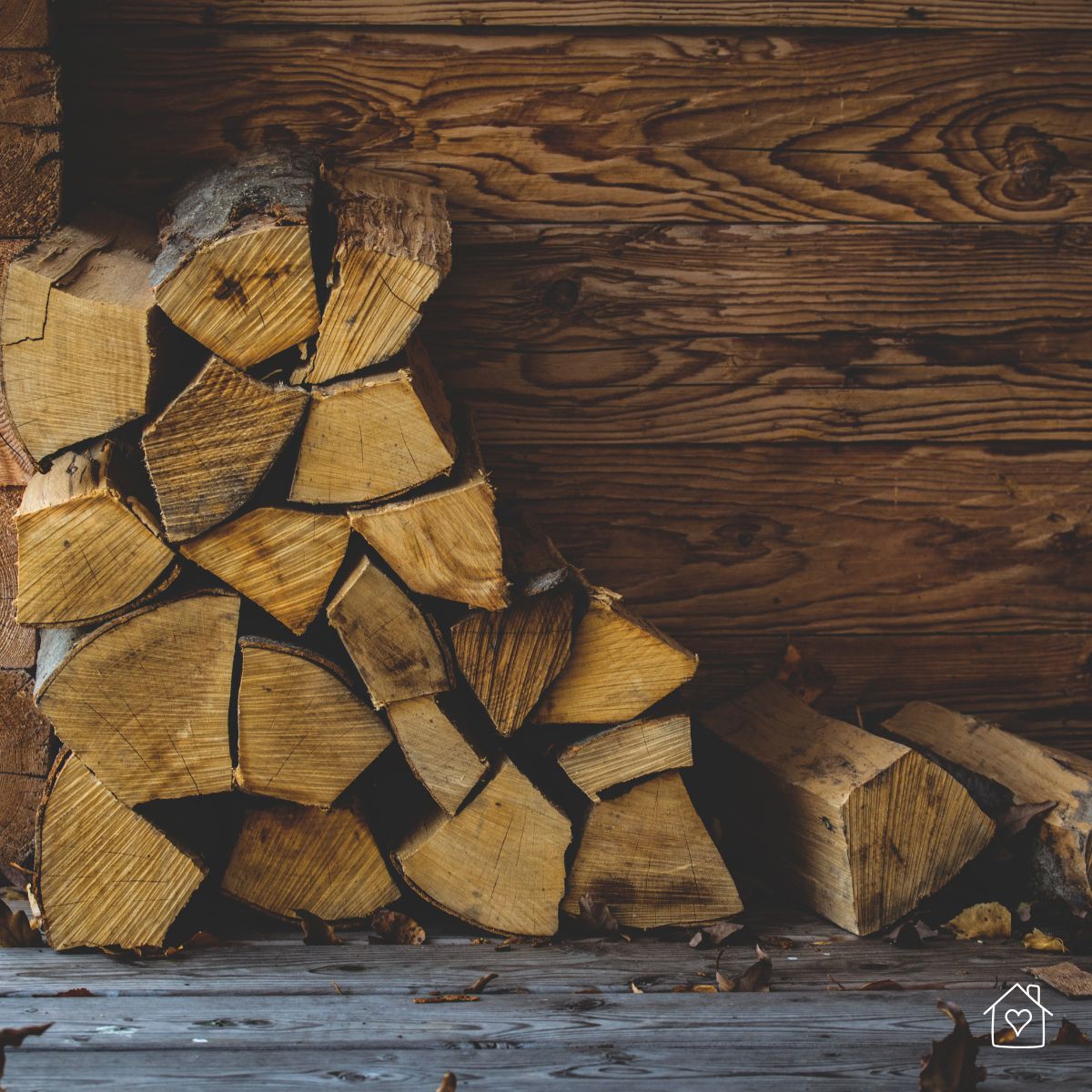
Stacks of firewood, old furniture, or even thick mulch can become breeding grounds for termites, rodents, or ants. These pests can destroy wood, eat through cables, and cause major headaches during construction. Clear out debris and inspect for signs of infestations before you plan your layout.
Structural Decay and Hidden Rot
Fences, sheds, and decks often hide signs of decay until they become safety risks. Make it a habit to walk around your yard and inspect for soft spots, peeling paint, or rusted connections. Properties in humid or mixed-climate areas like Cecil County, Maryland, often face issues like wood rot in decks and outdoor structures. You can start by typing "deck builder near me" into a local business directory or mapping app to find the best option.
Outdated or Poorly Planned Layouts
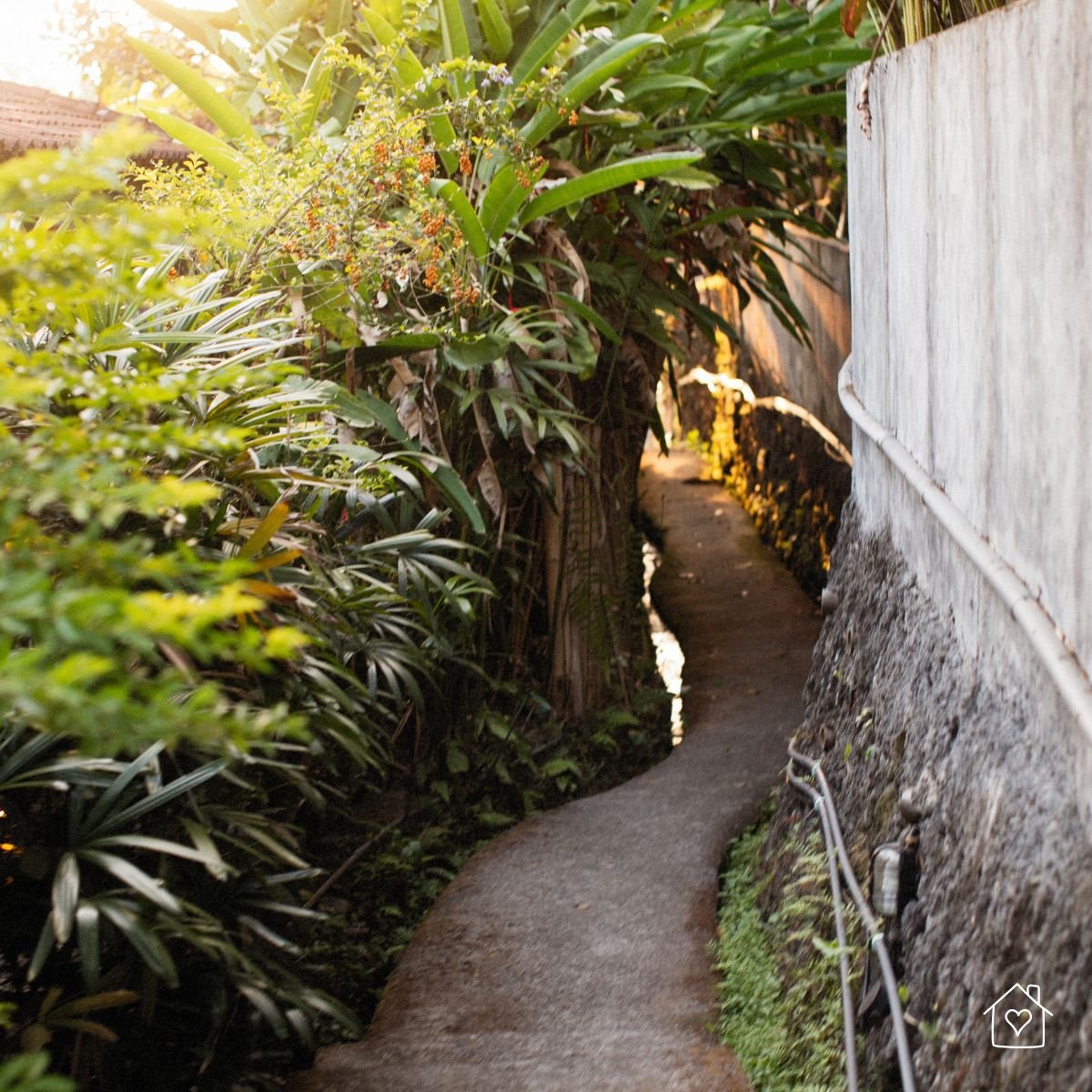
Your backyard might not be broken, but it might be working against you. Narrow walkways, awkward elevation changes, and poor lighting all reduce functionality. A smart layout doesn't just look good-it supports how you actually use the space. Once the structural and functional issues are resolved, many homeowners shift focus to aesthetics. Beyond simple landscaping, investing in comfort and atmosphere can truly transform your yard. Consider integrating covered areas, like pavilions, to create inviting gathering spots. These kinds of outdoor living space tips can turn a once-neglected backyard into a relaxing retreat.
Final Thoughts
Taking the time to investigate and fix hidden backyard issues will ensure your next DIY project is built on a solid foundation-both literally and figuratively. Don't skip this step. A little prep now can prevent major headaches later.