Comparing Composite Decking to Traditional Wood Options
Choosing materials for outdoor decks is a significant decision homeowners have to make. When it comes to building a sturdy deck, you typically have two materials to choose from: composite or wood. To arrive at an informed decision, we need to consider the pros and cons of each. By learning about their specific characteristics, families can choose the building material best aligned with their priorities and way of living.

*This post may contain affiliate links and I'll earn a commission if you shop through them. You can read my full disclosure here.
Material Composition and Structure
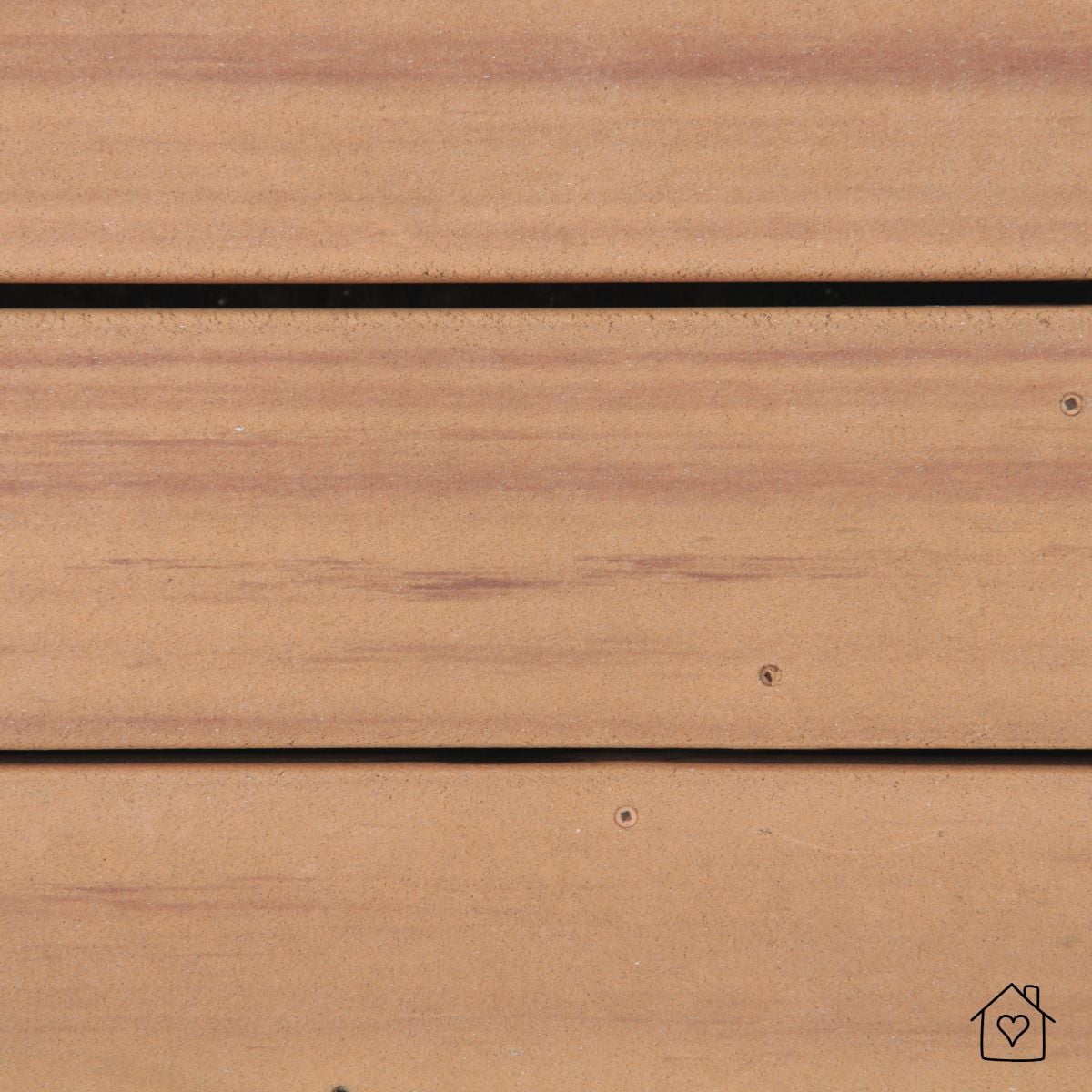
Composite decking is made from a combination of recycled plastics and wood fibers. These boards are created in such a way that all of them will look similar. For instance, traditional wood decking uses natural timber, like cedar, pine, or redwood. Wood decking has grain patterns and shades of color that vary from plank to plank. Whereas composite decking offers a clean, consistent look throughout. Because of this reason, composite decking in St. Louis is becoming increasingly popular among homeowners who want a modern finish.
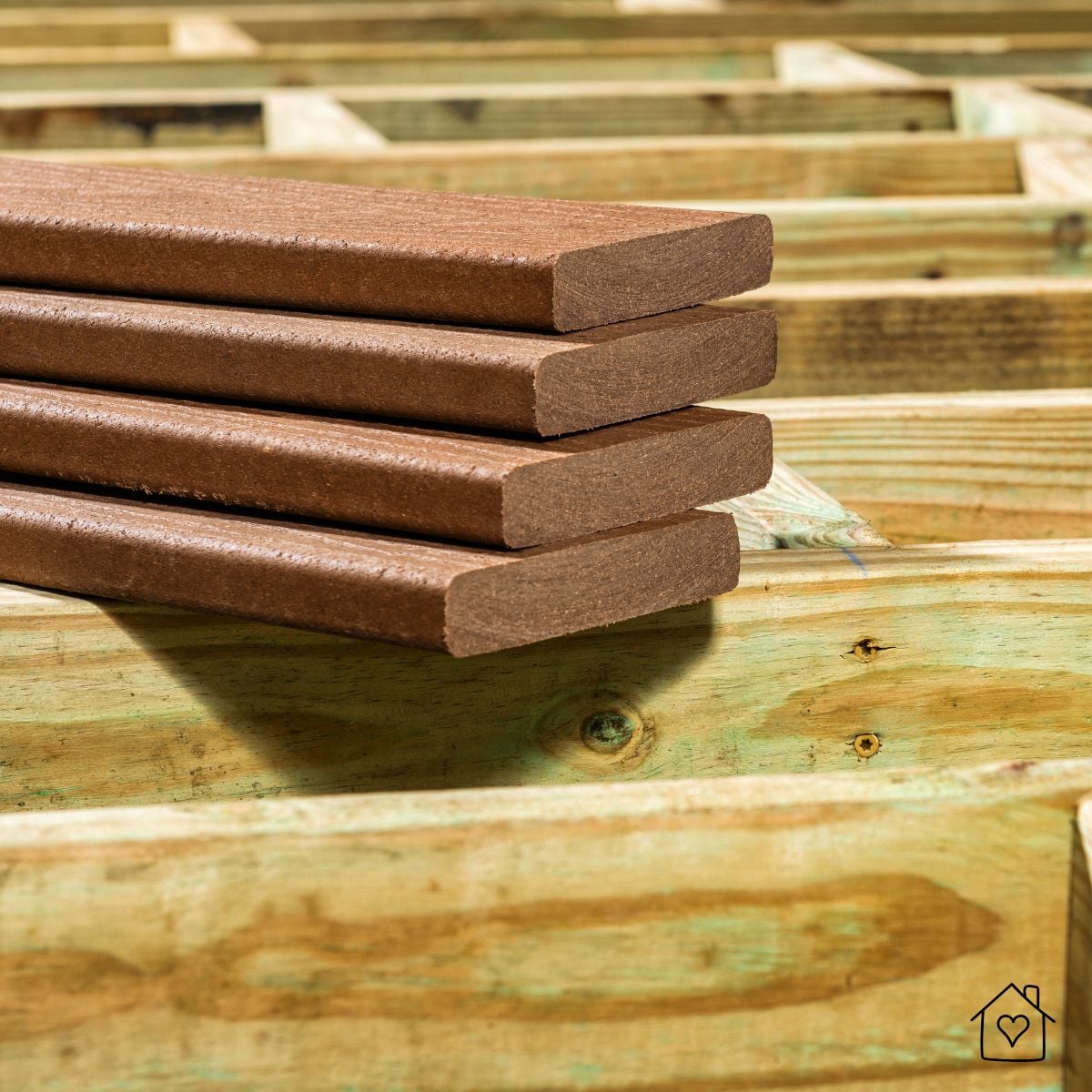
Durability and Lifespan
Composite boards are designed to withstand moisture, insect damage, and sun exposure, making them last for a long time. Wood, however, is more prone to rot, warping, and unwanted pests. Wood needs regular maintenance to avoid such problems and to prolong its life. Composite alternatives tend to be low-maintenance and last longer.
Maintenance Requirements
Traditional wood decks need re-staining, sealing, and painting regularly. Composite decking, on the other hand, requires only a periodic soap-and-water
Aesthetic Appeal and Design Options

Timber decking has a rustic, traditional appearance that some homeowners prefer. The grain and knots of each plank lend their own individual character. Composite boards are more consistent, but there are still colors and textures to choose from. There are a few composite options that can closely resemble natural wood, offering the versatility for different designs. With composite options, homeowners can choose from a range of tones to fit the outdoor setting.
Environmental Impact
Composite decking uses recycled plastic as well as reclaimed wood fibers, which minimizes the waste and demand for new raw materials. This appeals to the conscientious consumer in markets who care about the environmental impact. Natural wood can also be an environmentally friendly choice if sourced from sustainably managed forests, but this possibility is rare. Additionally, a timber deck may cause deforestation. As a result, buyers opt for composite decks to align their purchase with their sustainability beliefs.
Cost Considerations
Composite deck boards usually cost more upfront compared to traditional wood. This is due to the way they are manufactured and the materials. Despite higher capital costs, lower maintenance costs over time can actually make composites a more affordable option in the long run. Although the initial price of wood decks could be cheaper, there are continuing costs involved with treatments and repairs. When creating your budget, factor these variables in to make a sound decision.
Resale Value and Market Appeal
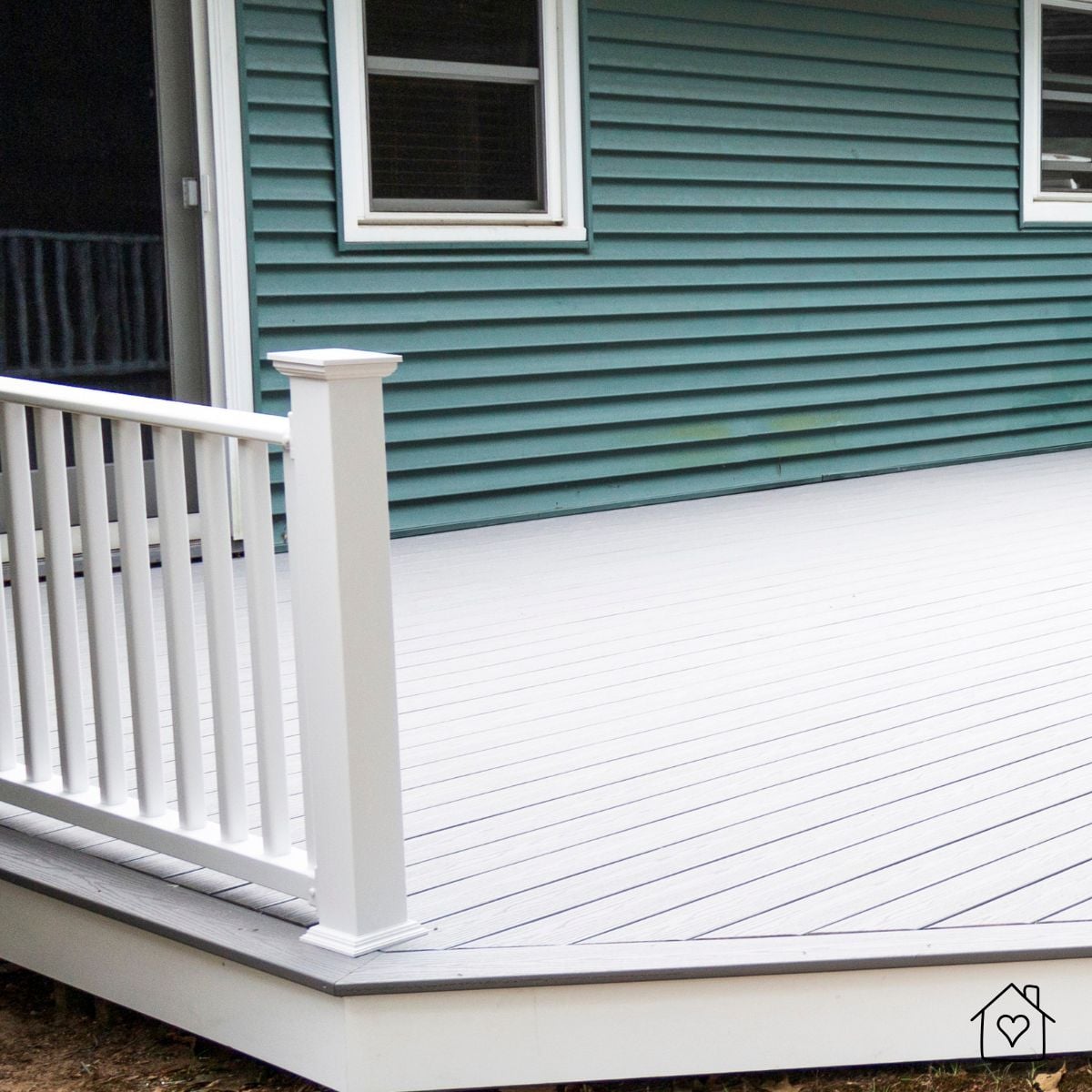
A well-built and low-maintenance deck can not only improve the aesthetic of a property but also its value in the market for potential buyers. The addition of composite decks makes any property automatically more attractive. Natural wood can be attractive, too, but it increases the upkeep costs and routines, adding more hassle. Homeowners must think about the material that fits their style and what future buyers will expect.
Conclusion
Composite, traditional, or natural wood decking serves different functions for different types of needs. Composite boards provide durability, low maintenance, and flexibility in designs. Wood decking offers rustic style, but the upkeep requirements are constant. Homeowners can choose the ideal material for their outdoor living area based on the right balance of durability, appearance, cost, and sustainability. Making the right choice guarantees you save money, labor, and enjoy the deck for many years.