Home Repair Budget Planning: How to Prepare for Surprise Expenses
Owning a home can be rewarding. There's pride in maintaining your space, the freedom to make it your own and the quiet comfort of investing in something that's truly yours. Still, homeownership has a way of testing you at times. A pipe can start leaking without warning or the furnace can fail right when you need it most.
Home repair budget planning exists for those moments. Not because you expect problems around every corner but because homes are built from systems that wear down in predictable ways. The surprise is rarely that something breaks. It's the day it happens and the bill that comes with it.
If you've ever had to weigh an urgent repair against groceries, rent, childcare or the rest of the month's obligations, you already know what this feels like. It's not just inconvenient. It's disruptive.
*This post may contain affiliate links and I'll earn a commission if you shop through them. You can read my full disclosure here.
Build a Home Repair Fund That Fits Your Budget
A repair fund isn't the most exciting part of homeownership. It doesn't feel like a milestone and it's not the kind of savings you post about or reward yourself for. But it might be one of the most useful habits you build as a homeowner.
It helps to think of it as buying yourself breathing room. When something breaks, you're not forced into rushed decisions or last-minute math. You can handle the repair without immediately wondering what else has to give.
You'll often hear the 1% to 3% rule: set aside that amount of your home's value each year for maintenance and repairs. It's a decent benchmark, especially if you like having a clear target. But depending on where you live and what your home is worth, that number can feel wildly out of reach. That reaction is normal.
What matters more is consistency. Start with an amount that doesn't strain your budget. Even a small monthly contribution adds up faster than people expect and the habit itself is doing part of the work. Over time, the fund changes the emotional tone of repairs. They're still annoying. They just don't have to be financially destabilizing.
Know Which Repairs Often Hit Without Warning

Some repairs give you a long runway. A dishwasher that's been acting up for weeks. A roof that's clearly nearing the end of its life. A faucet that makes that sound you keep telling yourself you'll deal with on Saturday.
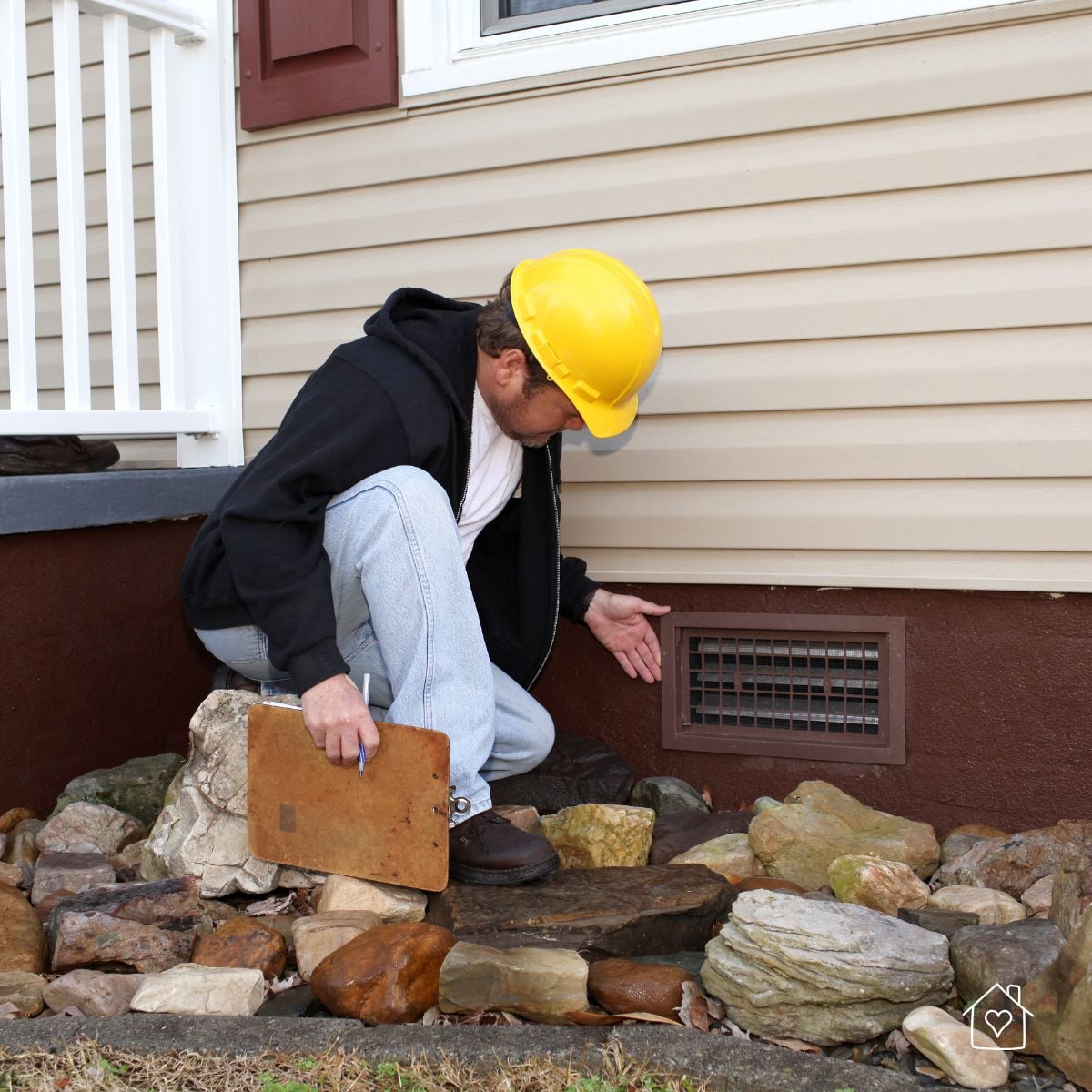
Other issues show up like a trapdoor. Water heaters are a classic example. HVAC systems aren't far behind, especially when they fail during extreme temperatures (because of course they do). Plumbing leaks can escalate quickly too, turning what might have been a minor fix into visible water damage before you've even had time to process what's happening.
Electrical problems can follow the same pattern. Sometimes it's a single outlet that stops working. Other times it's a breaker that keeps tripping and that's the kind of "small" issue that most homeowners don't feel comfortable ignoring for long.
The goal here isn't to worry about everything that could possibly go wrong. It's simply to recognize which systems tend to fail suddenly and expensively. When that happens, you're rarely deciding whether to fix it. You're deciding how fast it needs to be handled and how you're going to pay for it.
Prevent Bigger Bills With Simple Maintenance Habits

Maintenance is rarely urgent, which is exactly why it's so easy to postpone. When nothing is actively broken, it's tempting to tell yourself you'll get to it later, especially when life is already full.
The tricky part is that maintenance doesn't always feel rewarding in the moment. You change a filter, clear a gutter, tighten a loose hinge and nothing dramatic happens. The home keeps working the way it did yesterday. That can make the effort feel small. But that quiet outcome is the payoff.
Routine tasks help prevent systems from working harder than they should. You don't need to live in constant project mode to stay ahead of maintenance. A few steady habits throughout the year can protect the most costly parts of your home. It isn't glamorous but it's effective. In a lot of cases that's the whole point.
Funding Options for Emergency Home Repairs
Sometimes you can do everything "right" and still get hit with a repair before your savings are fully built. That's not a personal failure. It's just the reality of timing. It happens to careful homeowners all the time, especially if you've recently moved in, you've had other priorities or the house is older than you realized.
When a repair is urgent, financing can be a practical backup plan. It may not be the first choice for everyone but for some situations it's the most realistic one, particularly when delaying the fix could lead to more damage and a much higher cost later.
Homeowners usually consider personal loans, home equity options or other short-term borrowing depending on the size of the repair and how quickly it needs to happen. For many homeowners, reputable lenders like CreditNinja can be a helpful way to cover an urgent repair while keeping the repayment terms clear and manageable.
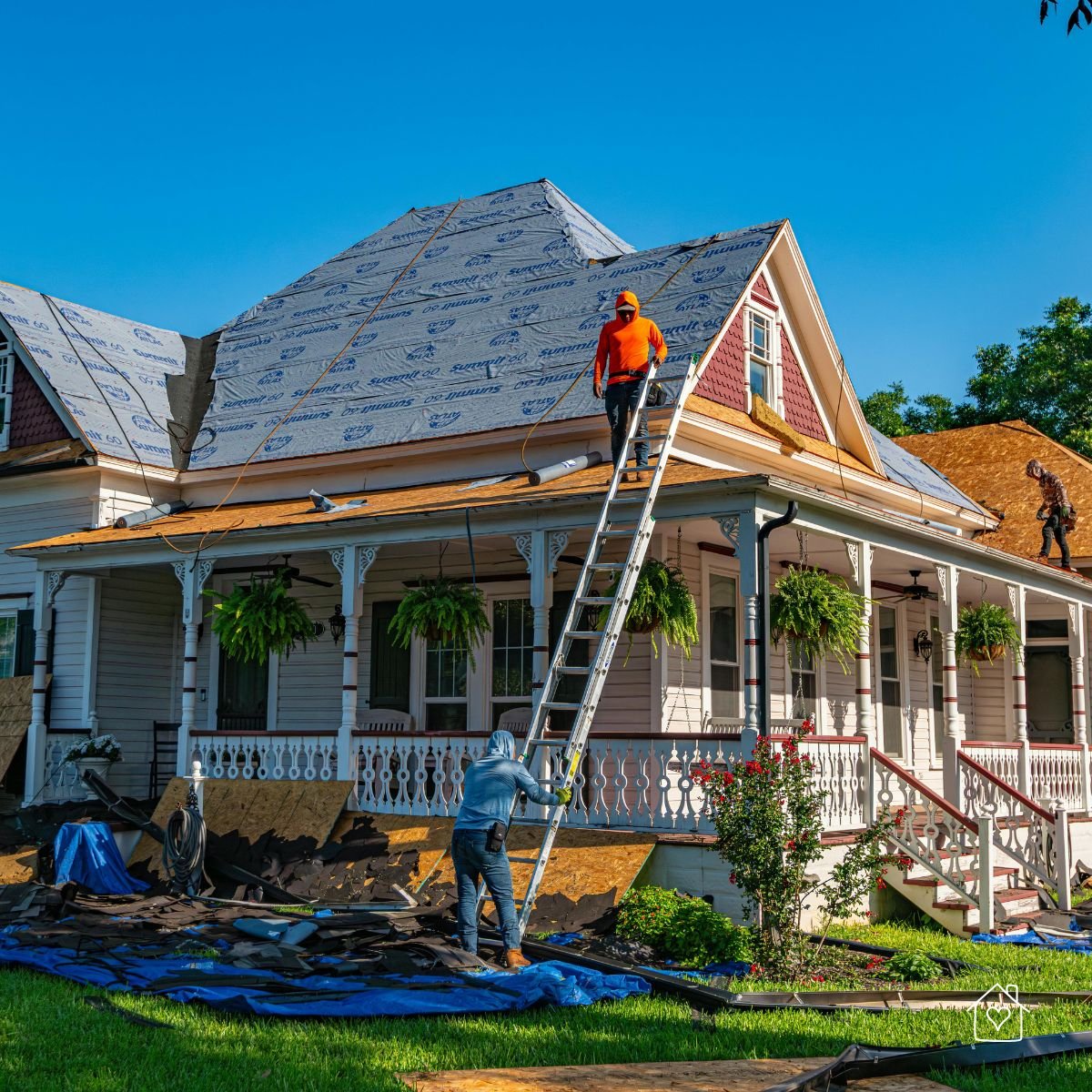
The right choice often depends on what you're dealing with. Replacing an AC unit is one type of expense. Roof damage is another. A plumbing emergency has its own rules entirely.
The details matter. Interest rates, fees, total repayment cost and the monthly payment all add up to the real price of borrowing. A loan can be a useful tool but it works best when it supports your budget instead of tightening it.
Make Your Repair Budget a Long-Term Plan
Repair budgeting works best when it becomes part of your normal routine, not something you scramble to think about after something goes wrong. It doesn't need to be complicated. It doesn't need to take much time. It just needs to be steady.
It can help to keep a simple record of your home's major systems and appliances, along with their approximate age. Nothing fancy. Just enough information to reduce uncertainty when something starts acting up. And that's what planning really gives you: less uncertainty.
When you're prepared, you're less likely to make rushed decisions or accept the first option out of exhaustion. You can take a breath, get a second quote and ask better questions. The goal isn't perfection. It's having a plan that holds steady when something unexpected shows up and demands your attention.