Why Some Homes Require More Maintenance Than Others
Home maintenance can feel wildly uneven from one house to the next. Some homes seem to need constant attention, while others cruise along with little more than routine care. It's tempting to blame that gap on luck or how handy the homeowner is, but that rarely explains everything. In many cases, the upkeep load is shaped by decisions made long before the current owner moved in, as well as by the conditions the house has faced year after year. Once you understand what's driving the wear, it's easier to make sense of why some homes stay steady and why others always seem to have a growing to-do list.
*This post may contain affiliate links and I'll earn a commission if you shop through them. You can read my full disclosure here.
When and How a Home Was Built
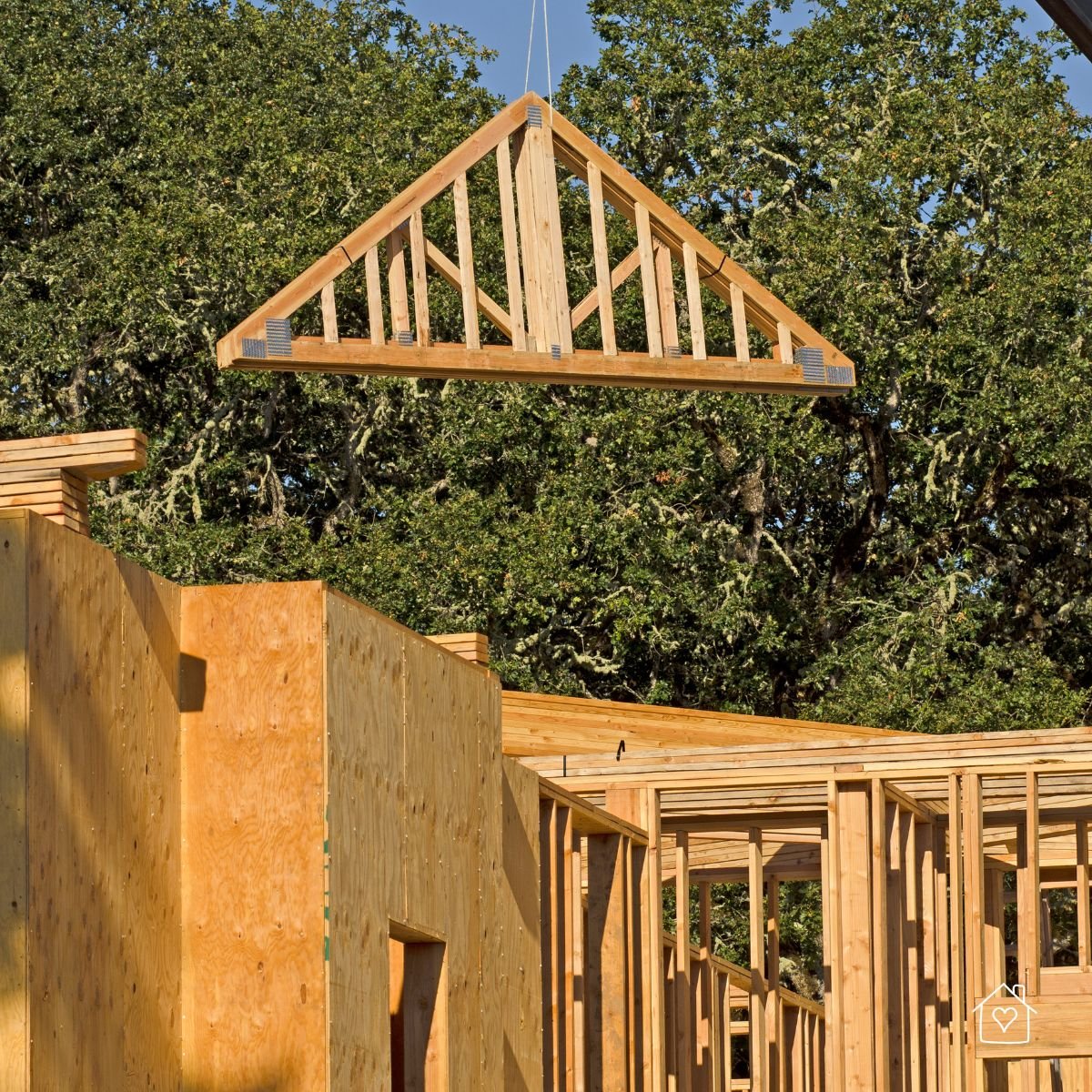
A home's maintenance needs often reflect the era it came from. Building practices, material standards, and even what builders prioritize have changed a lot over the years. Those differences may not stand out immediately. They usually show up gradually as a house goes through seasons, renovations, and everyday use.
Older homes sometimes rely on materials and methods that were common at the time but may now require more frequent adjustments. Movement and wear can appear in small, familiar ways: doors that start rubbing, trim that separates slightly, or finishes that need touch-ups more often than expected. Newer homes, even when built to modern expectations, can develop their own trouble spots if speed, cost, or tight timelines influenced the build.
Workmanship matters across every era. When a home is assembled carefully and thoughtfully, it often holds up with fewer repeat issues. When corners are cut, the house tends to need the same fixes again and again. As the years pass, those early choices can shape how much effort it takes to keep things running smoothly.
Environmental and Regional Stress

Every home must adapt to the environment in which it sits. Changes in temperature, moisture, wind, and seasonal weather all put pressure on a structure, even when homeowners maintain normal upkeep. That constant push and pull shapes which parts of the home show wear first and how often upkeep is required.
In areas with wide temperature swings, materials expand and contract more often. That movement can affect joints, surfaces, and finishes, leading to small problems that return on a predictable schedule. In wetter climates, moisture tends to be the bigger driver. Prolonged dampness can speed up wear, shorten the life of certain materials, and increase ongoing maintenance, especially on exterior details.
Local conditions matter, too. Wind exposure, sunlight, and even soil behavior can change how a house ages. Two homes with similar designs can end up on completely different maintenance tracks simply because of where they're located and what their surroundings throw at them.
Why Location Shapes Material Sourcing and Structural Planning
Location influences more than the weather. It can also shape how materials are sourced, what homeowners tend to prioritize, and what a typical project looks like from start to finish. Homes in places with long winters and wide seasonal swings often face repeated stress on key components, which can affect planning decisions well before work begins. These conditions are common across much of northern New England, where weather patterns tend to be less forgiving year-round.
Governing and oversight frameworks can vary widely from state to state. While areas like New Hampshire, Vermont, and Maine face similar climate challenges, expectations around documentation, scheduling, and the application of standards often differ across jurisdictions. Those differences are often subtle, but they can influence timelines and project flow. By contrast, homeowners in states such as Florida or Georgia may encounter very different processes shaped by milder winters and different environmental priorities.
Costs and pricing norms also vary by region. In colder climates, materials that withstand repeated temperature changes are prioritized, which can affect sourcing and lead times. In states like Massachusetts or New York, access to established supply networks can affect availability, while in parts of the Southwest, such as Arizona or Nevada, performance concerns often center on heat and dryness rather than seasonal movement. Labor availability and transportation distance also play a role and vary widely across the country.
Because climate plays such a large role, timber frame supplies New Hampshire residents rely on are often chosen with long winters, repeated freeze-thaw cycles, and durability in mind. These regional realities help explain why expectations, processes, and long-term outcomes can vary across the country.
Working with someone who understands local conditions can help align material decisions with what a home will actually face year to year. Rules, standards, and common practices vary by location and should always be confirmed locally.
Design Decisions That Increase Maintenance Demands
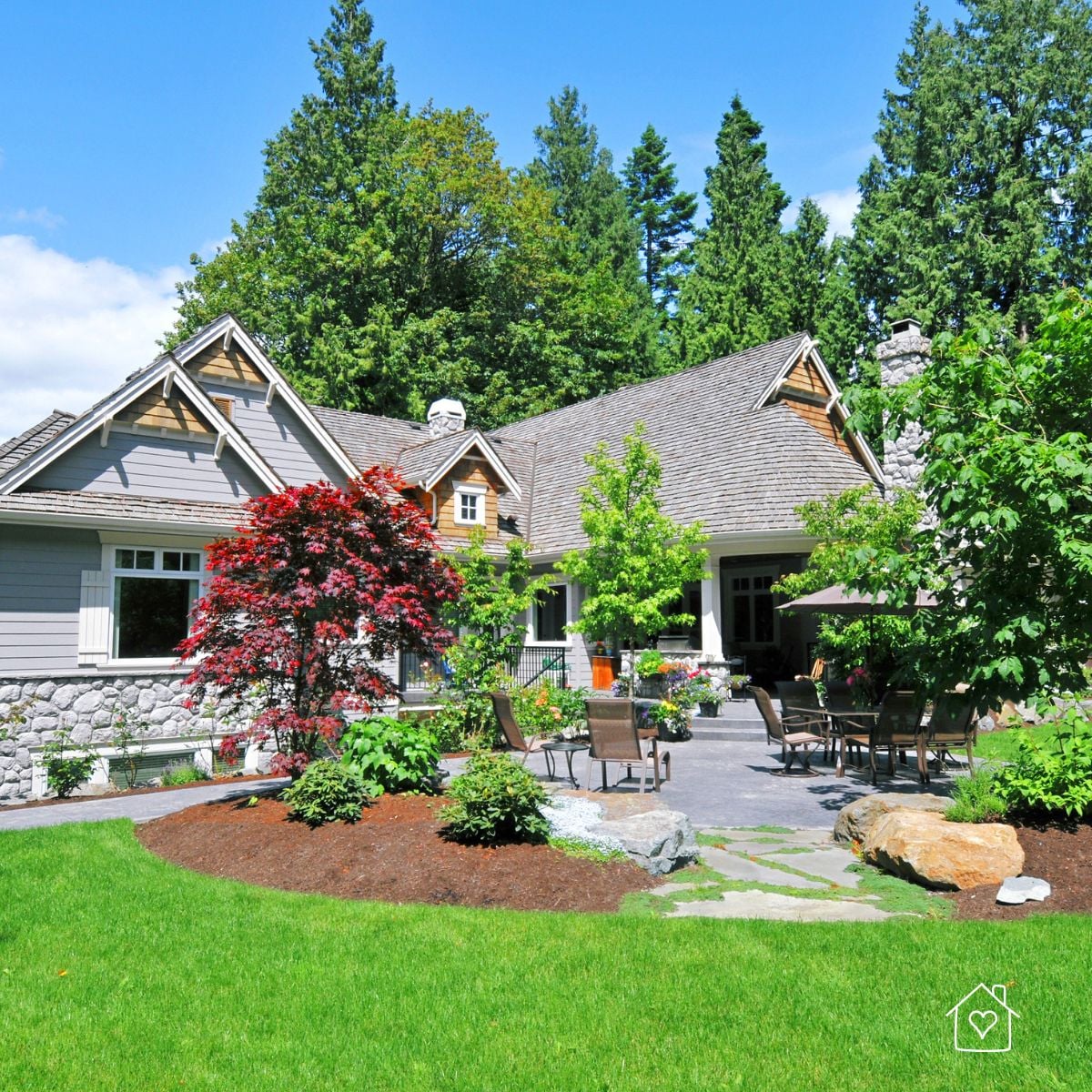
Some homes need more upkeep simply because they have more places where wear shows up. Complex rooflines, multiple valleys, and frequent transitions between materials can create spots where water and debris collect. Even when the work is done well, those areas often need more frequent checks,
Additions and remodels can have a similar effect. When a new space is tied into an older structure, the seam between the two can become a long-term maintenance zone. Different materials may expand and contract at different rates, and seasonal movement can show up as hairline cracks, sticking doors, or cosmetic fixes that never seem to stay solved for long.
Maintenance demands can also rise when design choices create hard-to-reach areas. Gutters that are difficult to access, exterior trim that takes the brunt of the weather, or decorative details that need regular sealing and repainting can add recurring tasks. None of these choices is "bad", but they often come with ongoing responsibilities that homeowners should expect.
Even the interior layout plays a part. Homes with wet areas clustered together may see more plumbing wear in a concentrated zone, while tight corners with poor airflow can be harder to keep dry and clean. When a home feels like it constantly needs attention, layout and design details are often part of the explanation.
Updates That Simplify Maintenance and Ones That Complicate It
Not every update reduces the amount of work a home needs over the long run. Some improvements make systems easier to access, surfaces easier to care for, and small issues easier to catch early. Others add layers, transitions, or materials that quietly increase the number of things that need monitoring.
Updates that work with the home's existing structure tend to simplify upkeep. Replacing worn elements with comparable materials, improving drainage paths, or addressing underlying movement issues can reduce repeat repairs. When improvements respect how the house already behaves, they're more likely to hold up without constant adjustment. If you've ever watched a home change as it shifts and settles, the patterns described in things that can happen as your foundation settles are a good reminder that movement is often part of the story.
On the other hand, updates that introduce material mismatches or significantly alter how moisture or airflow moves through the home can create additional maintenance tasks later. A surface might look finished on day one, then require regular touch-ups because it's exposed to conditions it wasn't designed for. In those cases, the workmanship may be fine, but the long-term workload increases because the change doesn't move the same way the rest of the home does.
It helps to step back and consider what an update will mean in a few years. The best improvements are the ones that keep the home easier to live with, not the ones that create a new maintenance cycle.
Understanding Maintenance Patterns Before They Become Problems
Homes usually give early signals when maintenance demands are rising. The tricky part is that the signs often feel small at first. A door that sticks only during certain seasons or paint that keeps cracking in the same spot can be easy to shrug off. But when you see the same issue returning, it usually points to a bigger force at work.
Looking for repetition is often more useful than focusing on one-off problems. When the same repair keeps popping back up, it suggests the underlying cause hasn't been addressed. That cause might be movement, moisture, or materials behaving differently than expected. Eventually, repeating the same fixes can take more effort than dealing with the root issue early.
Environmental changes often sit behind these patterns. Shifts in temperature and humidity affect how materials behave, and homes respond differently depending on how they were built and maintained. Guidance on home performance and climate-aware design, including resources from the U.S. Department of Energy, often highlights how climate and construction decisions influence durability and long-term upkeep.
When you notice a pattern, it's a chance to think more strategically about maintenance. Instead of treating each issue as a separate annoyance, you can look for what connects them. That shift in perspective alone can make home care feel more manageable.
Conclusion
Maintenance differences between homes rarely come down to chance. When a home was built, what it's been exposed to, the materials chosen, and the design decisions made along the way all influence how much attention it needs. Those factors show up as recurring repairs, seasonal adjustments, and the overall time required to keep things in good working order.
Understanding the "why" behind the upkeep can make homeownership feel less frustrating. Once you recognize patterns and the forces driving them, it's easier to set realistic expectations and make choices that reduce repeat work. No home is maintenance-free, but clarity goes a long way in keeping the workload under control.