Interactive Interior Walkthroughs: From Static Renders to VR/AR Tours
Interior design has entered a new era where clients expect more than static images. They want movement, interaction, and a clear sense of scale. Interactive interior walkthroughs deliver this experience with ease. They turn ideas into realistic spaces that clients can explore step by step. This shift changes how studios present every project.
*This post may contain affiliate links and I'll earn a commission if you shop through them. You can read my full disclosure here.
From Static Renders to Fully Interactive Experiences
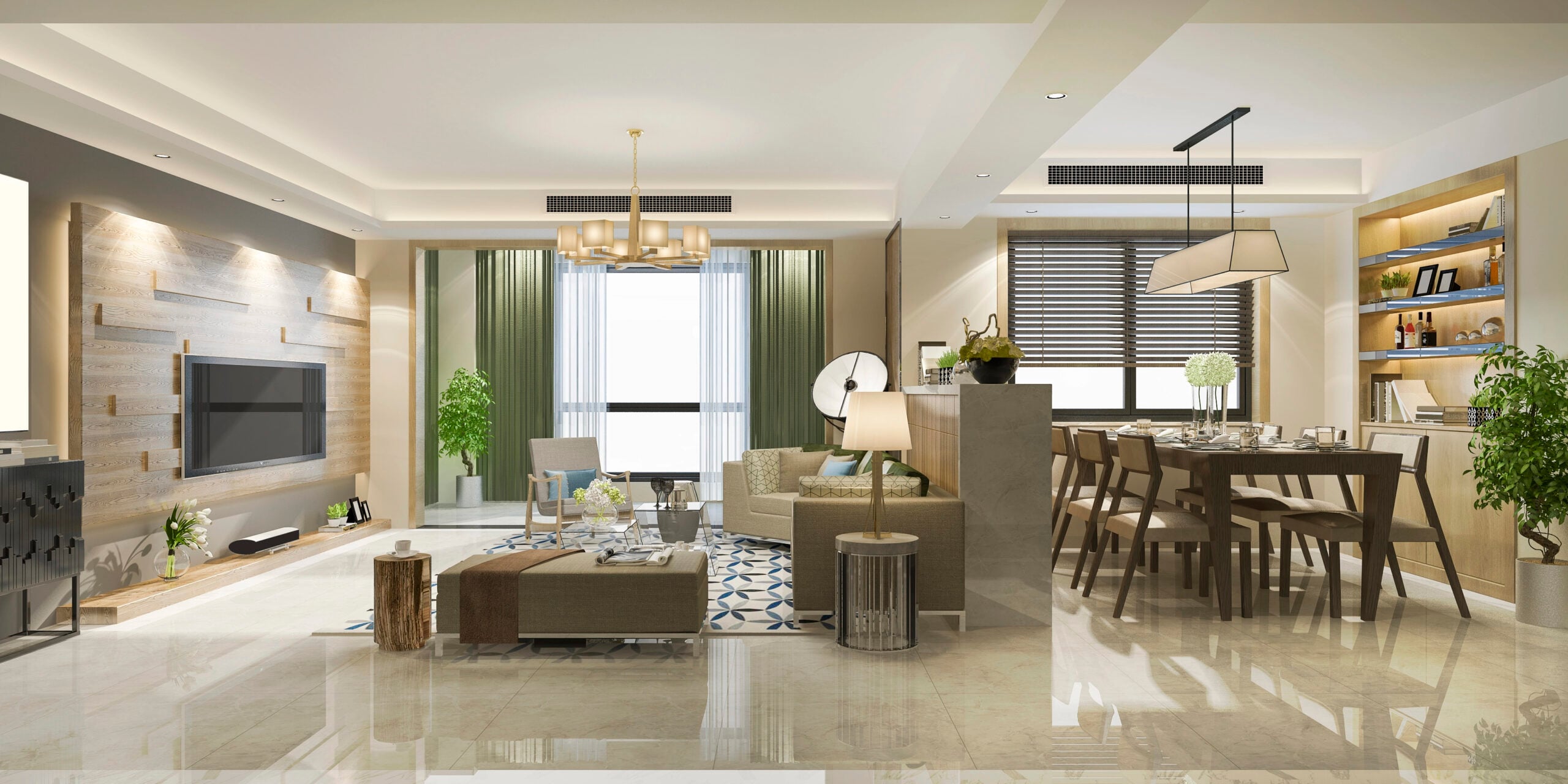
For years, static images were the main way to present interior concepts. They worked well, but they had limits. Clients often struggled to imagine how rooms connected or how the space actually felt. Interactive walkthroughs solve this problem by showing interiors as living, moving environments.
Many design studios now use our 3d visualization interior service to present projects in a more immersive way. This service helps clients understand layouts, materials, and lighting without guessing. It also creates a clear path from concept to approval. When clients can "walk" through their future space, decisions become faster and more confident.
Why Interactive Walkthroughs Matter for Modern Projects
Better Spatial Understanding
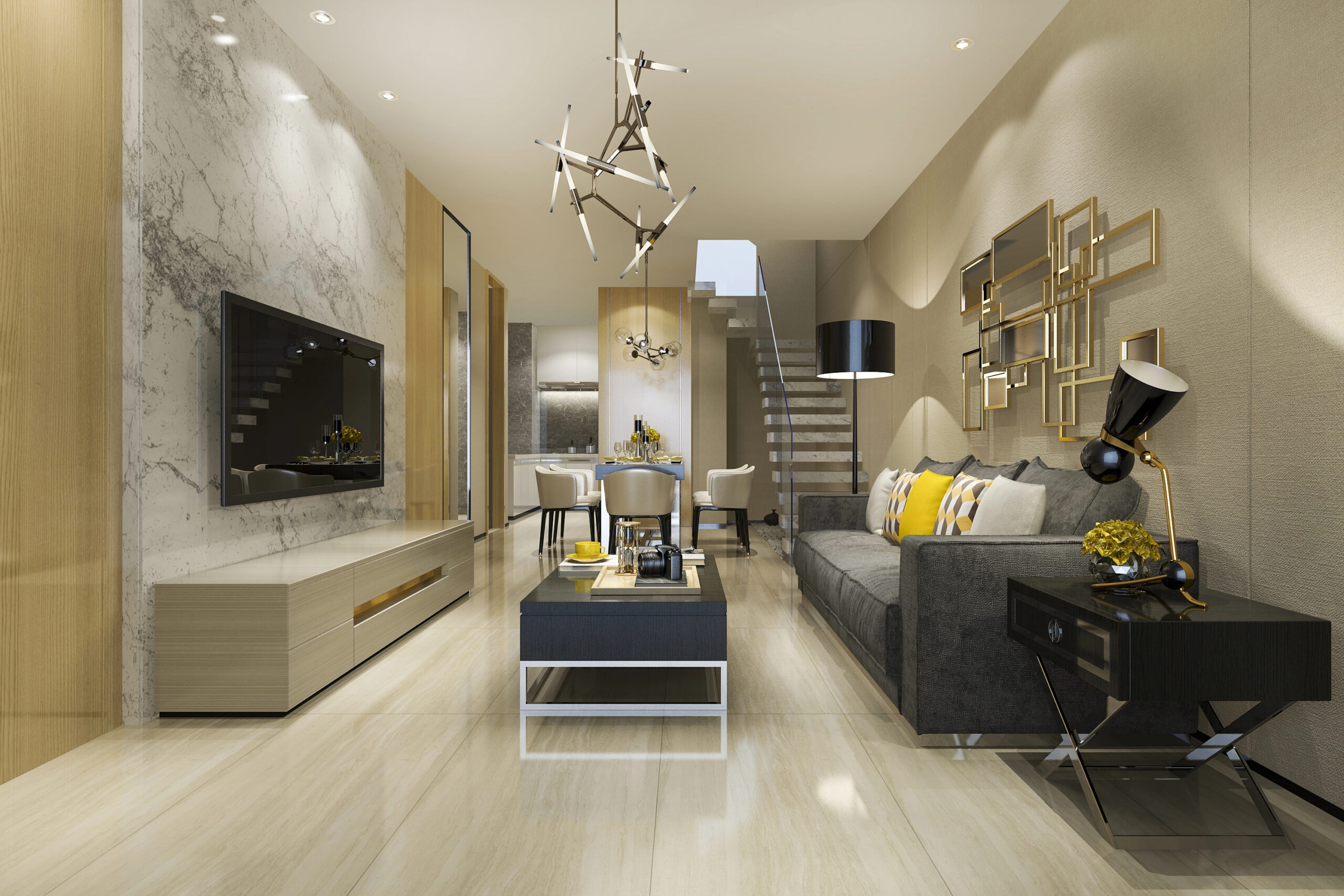
Interactive walkthroughs show scale and proportions in a more natural way. Clients see how wide a hallway feels or how furniture fits inside a room. This creates fewer misunderstandings during the design process.
Stronger Emotional Connection
People connect emotionally with realistic spaces. Walkthroughs allow us to imagine life inside the design. We can pause, explore, and look at details from any angle. This makes the project feel real long before construction begins.
Faster Approval and Reduced Risks
Walkthroughs help catch design problems early. For example, a window may block a path or a cabinet may be too close to a door. These issues are easy to spot during an interactive tour. This saves time, reduces cost, and ensures accuracy from the start. Approvals happen faster because clients see the full picture.
The Role of VR and AR in Interior Walkthroughs
VR Tours: Full Immersion
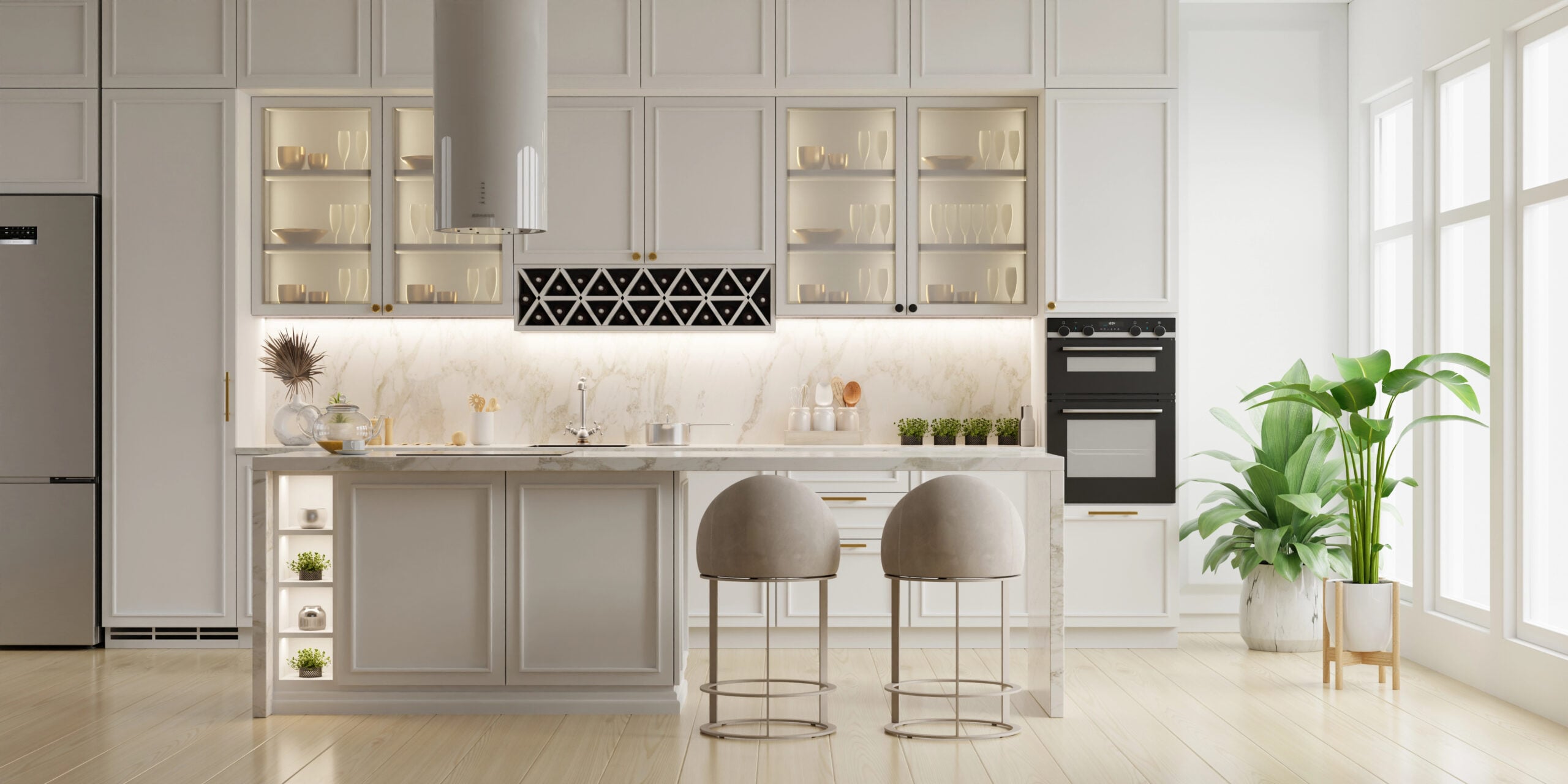
VR technology provides total immersion. Clients can move inside their future space as if they are standing in it. They can turn their head, walk around furniture, and explore room connections. VR is especially useful for large residential and commercial projects.
AR Tours: Designs Inside the Real World
AR blends digital interiors with physical environments. Clients use a phone or tablet to project design elements directly into a real room. They can view furniture placement, materials, and lighting inside their existing space. AR is practical, fast, and easy to use during in-person meetings.
When to Use Each Technology
VR works best when you want a deep, immersive experience. AR works best when clients need quick comparisons or want to visualize changes inside their current environment. Many studios use both tools depending on project stage and client preference.
Key Features of Effective Interactive Walkthroughs
A high-quality interactive tour should include:
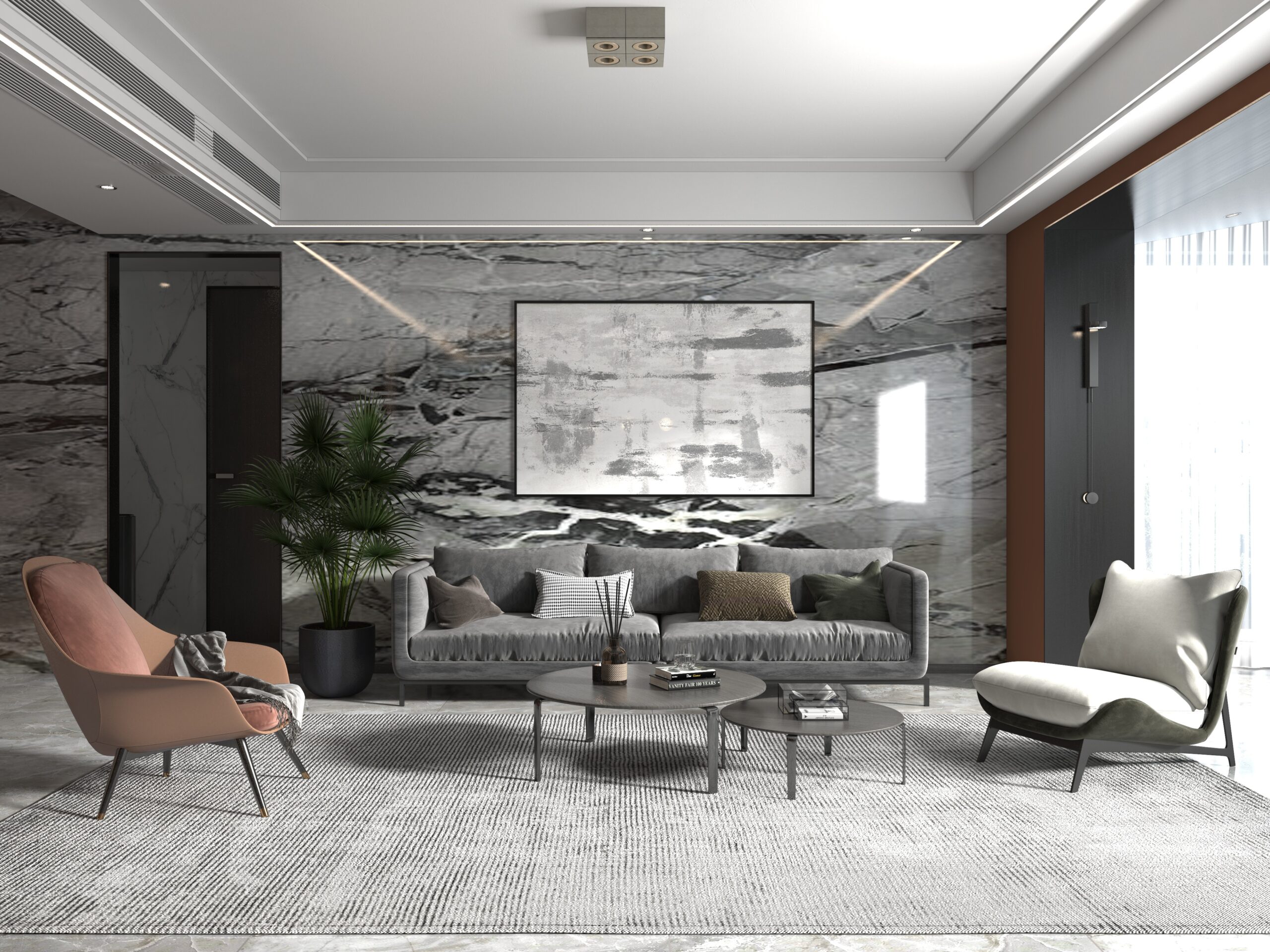
- Smooth and natural navigation
- Realistic lighting and shadows
- Accurate textures and materials
- True-to-scale furniture and architectural details
- Clear transitions between rooms
- Options for customization and layout changes
These features make the walkthrough more than a visual tool. They turn it into a practical design solution that guides the entire project.
Interactive interior walkthroughs are becoming the new standard in design presentation. If you want to present interiors with confidence and precision, investing in a professional 3d visualization interior service is the next smart step.