Room Addition or ADU? How to Know Which One Actually Fits Your Life

I get this question all the time from homeowners who've hit the same wall: their house has run out of room for the life they're actually living. Maybe it's a parent moving in, a kid who won't leave (no judgment), or the fact that everyone in the house is suddenly working from the kitchen table at the same time. And almost every time, the conversation lands on the same fork in the road: do you build onto your house, or do you build something separate on your property? A room addition and an accessory dwelling unit, or ADU, can solve a similar-looking problem, but they're really answering two different questions. Figuring out which one you're actually asking is half the battle.
Start With What's Actually Cramping Your Style
Before you get anywhere near contractors or cost estimates, it helps to get specific about what's not working. "We need more space" isn't really the problem - the real problem is usually more particular. There's nowhere quiet to take a work call. The primary bedroom feels like a hallway with a bed shoved in it. Or grandma's staying over so often that the guest room has basically become her room, permanently. Write that specific problem down before you decide what to build. It'll save you from spending a lot of money solving the wrong thing.
When More Square Footage Under Your Roof Is All You Need

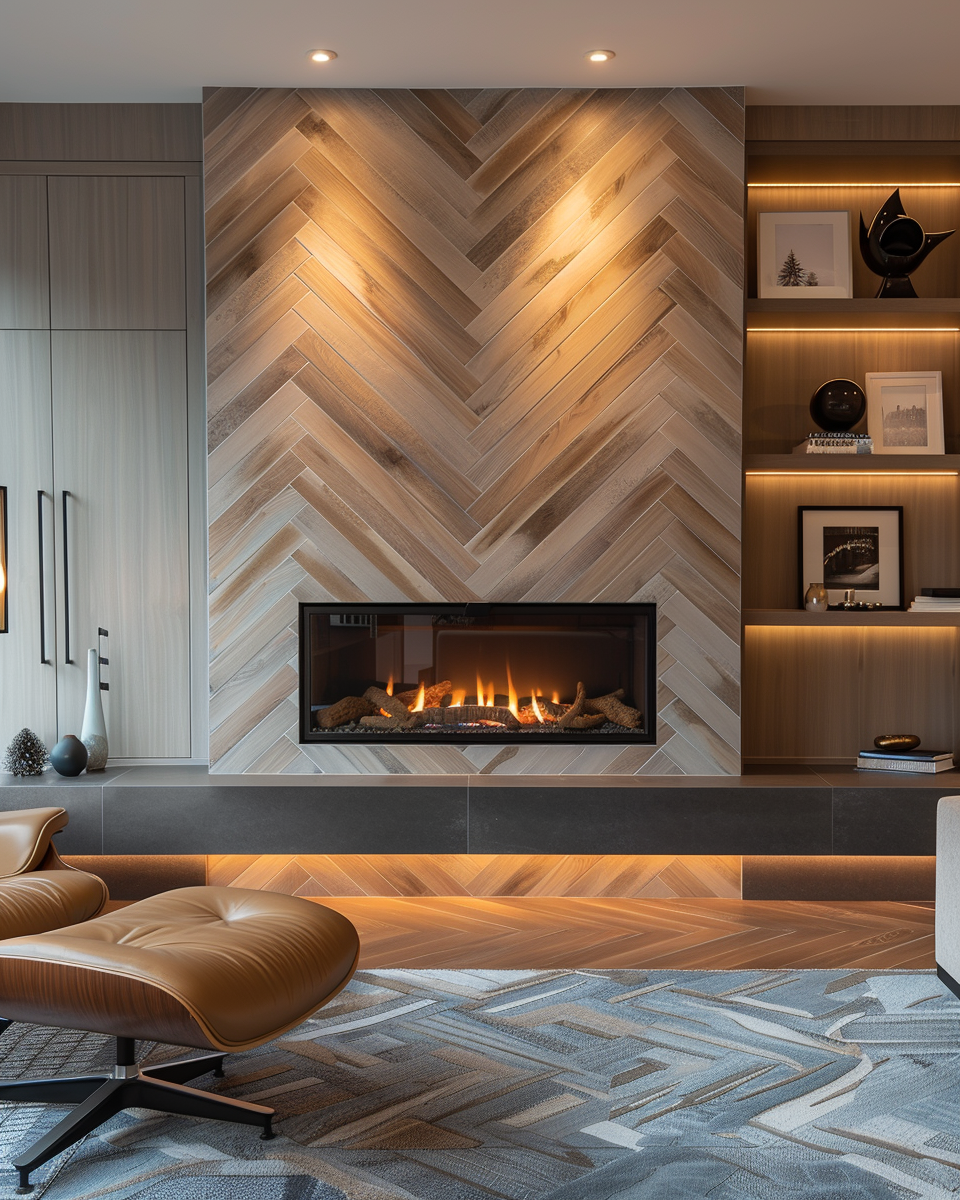
Primary suite addition with skylights and natural wood accents
If the issue is really about elbow room within your existing household - everyone still eats dinner together, showers in the same bathrooms, and isn't trying to establish a separate life under your roof - a room addition is usually the simpler answer. It's still one home, just a bigger one. You're expanding a primary suite, pushing out the kitchen, or finally giving someone a home office that isn't also doubling as the laundry room. There's no separate entrance to plan for, no second kitchen to install, and the permitting path tends to be more familiar territory for most cities, since at the end of the day, it's just a bigger house.
When You Need a Whole Separate Space, Not Just a Bigger One

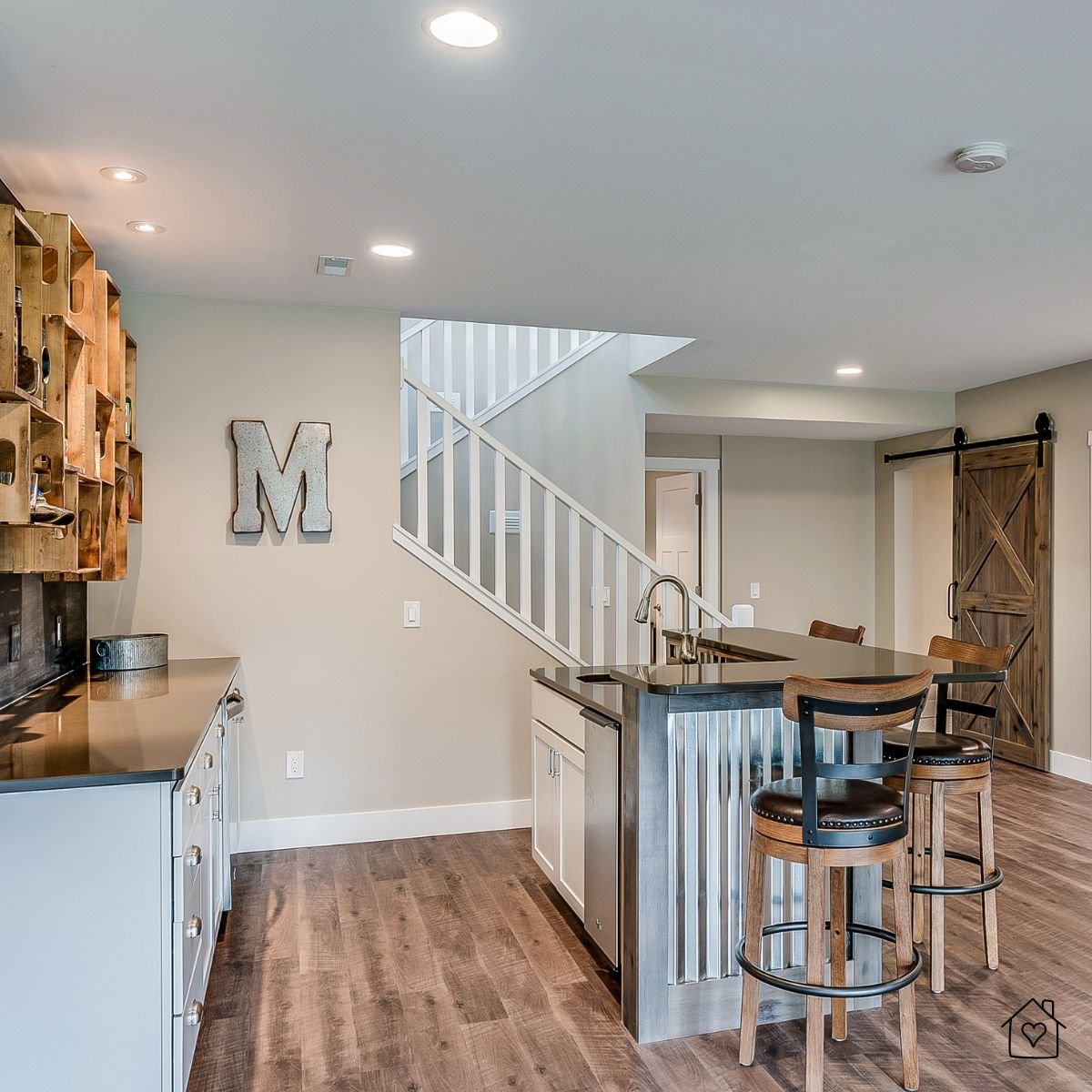
A real kitchen, not a hot plate and a mini-fridge - this is what 'its own kitchen' actually looks like in an ADU.
An ADU is a different animal, because it's meant to function as its own home - its own entrance, its own kitchen, and usually its own address. That distinction matters more than people expect going in. If you're bringing an aging parent into your home and want them to have real independence and privacy, not just a bedroom down the hall from yours, an ADU does that in a way a room addition can't. The same goes if you've got an adult kid moving back home and everyone would honestly rather not share a kitchen again. And if part of your goal is future rental income - an in-law unit today, a rental later - an ADU is really the only one of these two options built for that, since a room addition can't legally be rented out as a separate unit.
Think About Who's Living There Five Years From Now

ADU loft with kitchenette and sleeping area
This is the question people skip, and honestly the one I'd start with. The person you're building for right now might not be the person living in that space in five years. Parents move in and, at some point, may need more care than a home addition can offer. Kids move back out, eventually. A home office might need to become a nursery, or a nursery might need to become a home office again. A room addition tends to be more flexible for that kind of shift, since it's just part of the house and can be repurposed room by room as life changes. An ADU is more rigid in one sense, since it's built to function as a self-contained unit - but that same rigidity is exactly what makes it valuable as a rental or an in-law setup down the road, even once the original reason you built it has changed.
Don't Skip the Money and Paperwork Conversation
I won't get into full cost breakdowns here, because they vary a lot by region, lot size, and whether you're converting existing space or building new - and honestly, the numbers move around often enough that a single article isn't the best place to trust them blindly anyway. If you want current cost ranges and a look at how permitting timelines actually differ between the two (spoiler: ADUs move through a lot of cities faster than people expect), this room addition vs. ADU comparison breaks it down in more detail. It's worth a look before you get too attached to either option, since budget and timeline end up making the decision for a lot of people anyway.
How I'd Actually Talk You Through It
If you're still stuck, the way I usually help homeowners get unstuck is to stop asking "which one is better" and start asking "which one solves the actual problem I wrote down earlier." A vague need for more everyday space almost always points to an addition. A need for privacy, independence, or income potential almost always points to an ADU. And if you're genuinely torn between the two, that's usually a sign the honest answer is a smaller, simpler addition - solving today's problem without overbuilding for a maybe.
Whichever way you're leaning, loop in a contractor early, even before you've fully picked a direction. A good design-build team can tell you fairly quickly what your lot and local zoning will actually allow, which narrows the decision a lot faster than reading article after article ever will. Yes, even this one.
About the Author
Elements Design & Build is a design-build remodeling firm based in San Diego, California, specializing in room additions, ADUs, and full home renovations from concept through construction.