What to Consider Before Installing Artificial Grass for Dogs
For pet owners, seeking a low-maintenance option is appealing. Dogs love the outside world, so it is important to have a safe and inviting environment. Before using synthetic turf for
*This post may contain affiliate links and I'll earn a commission if you shop through them. You can read my full disclosure here.
Pet Comfort and Safety
The comfort of all
Durability and Wear Resistance
Pets can be tough on lawns. Digging, running, and scratching often wear out the delicate materials used. Choosing a tough, durable turf will ensure it stands up to daily use. Select products with a tough backing and fibers. Quality artificial grass does not get flattened, holds its shape, and offers a bounce back after heavy footfalls. It delivers through long years to keep your yard attractive as ever.
Drainage and Cleanliness
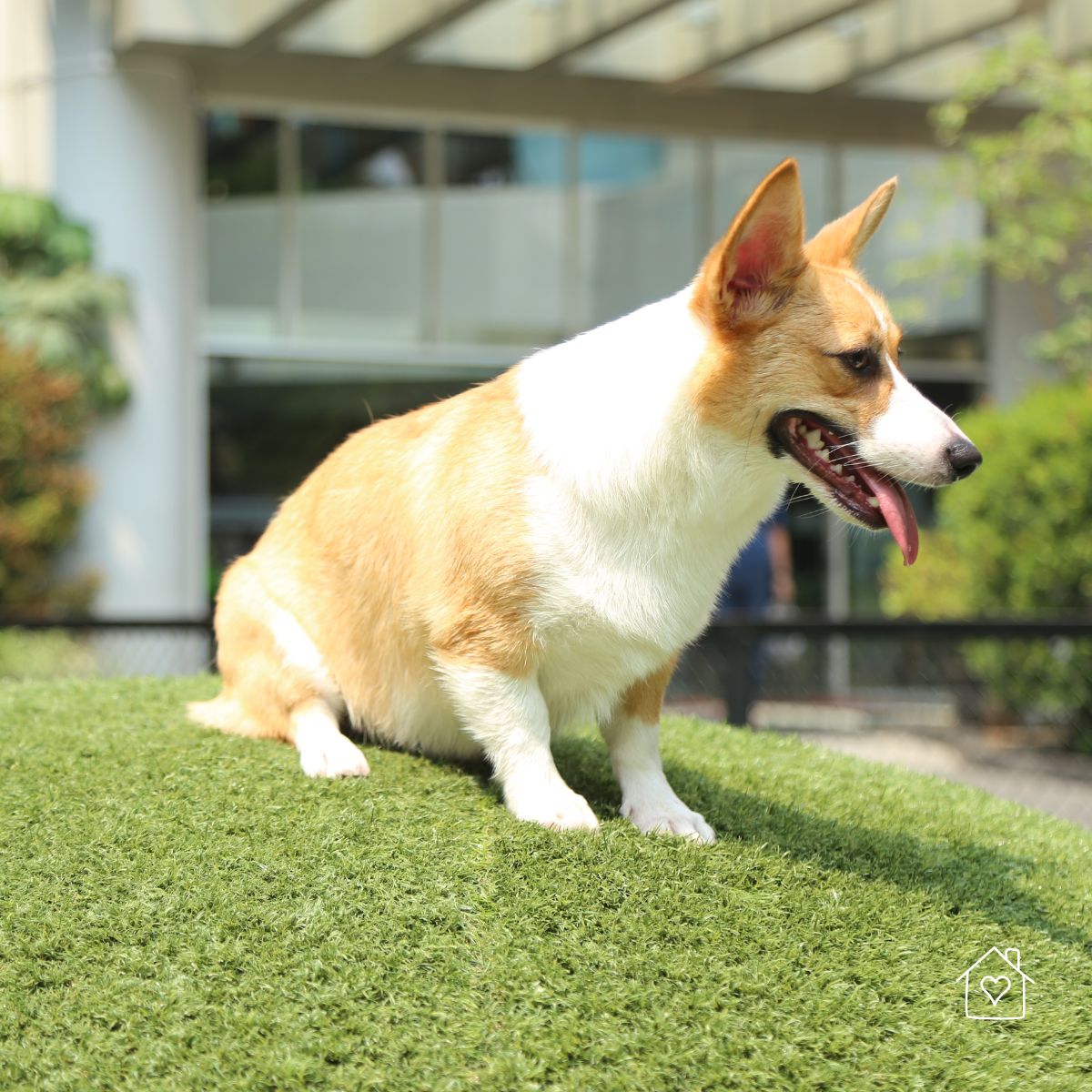
Your artificial grass pet turf needs to drain efficiently. The surface needs to be liquid permeable since we all know dogs are going to pee on the lawn. If not, they can become an environment that generates odors and bacteria. Effective drainage systems or porous backing are essential for maintaining freshness and preventing grass deterioration. While waste is eliminated with consistent rinsing, the appropriate base also facilitates rapid drying and cleanliness.
Odor Control and Hygiene
One persistent problem is odor, particularly if the turf holds moisture or pet waste. Choosing materials that prevent the growth of bacteria helps in maintaining hygiene. Some synthetic grasses contain specialized infills that neutralize the odors and inhibit the microbes. They ease the maintenance work around the compound and keep the outdoors more enjoyable for everyone. So washing the surface with a pet-friendly cleaning solution helps keep the backyard clean.
Maintenance Requirements
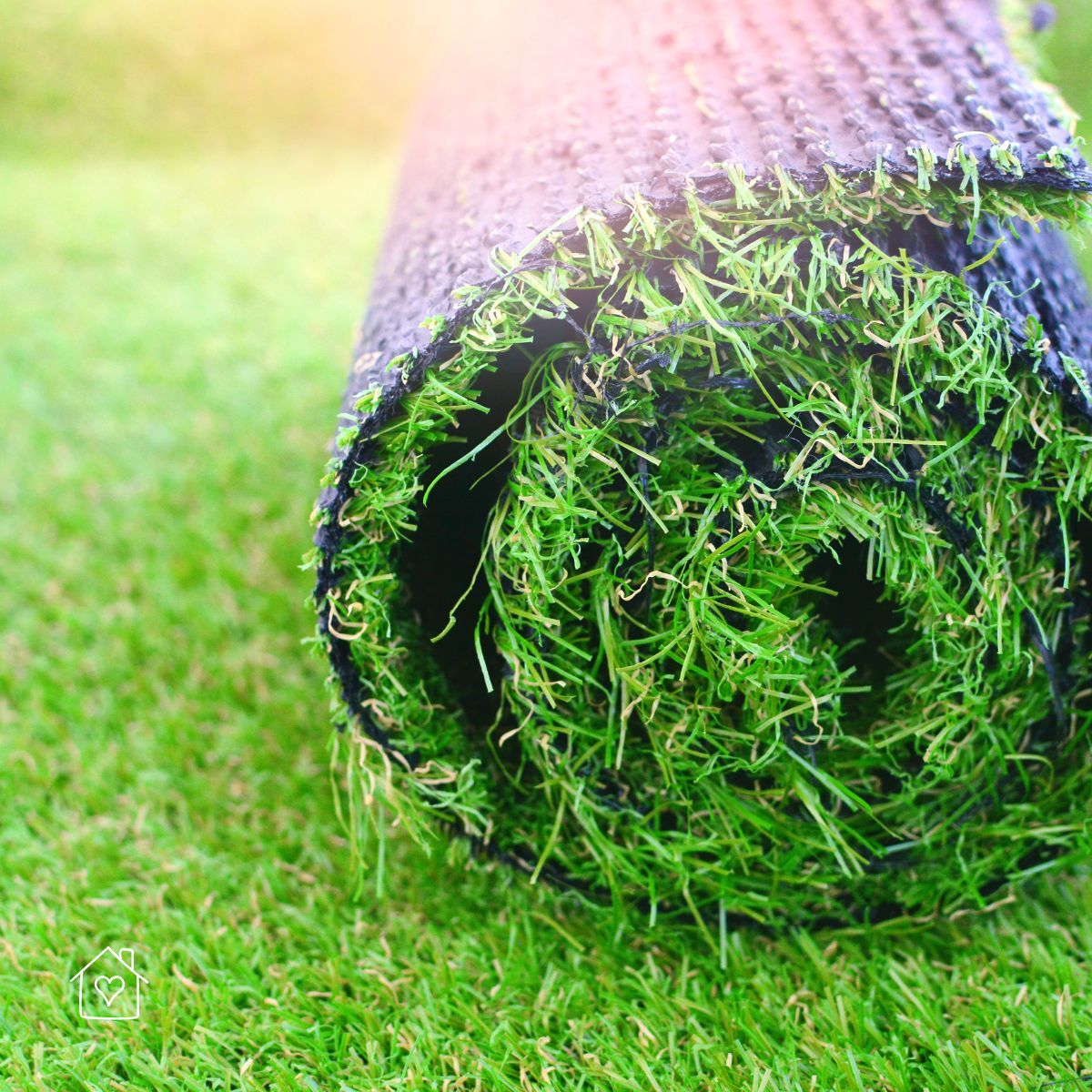
Although artificial grass requires less maintenance than natural grass, it still needs care. Regular cleaning of surface debris, such as leaves and pet hair, is essential. Brushing the turf helps straighten the fibers, preventing matting and ensuring a tidy appearance. This proactive approach allows for the timely repair of any damaged or worn areas before they escalate into larger issues. A proper maintenance routine makes your turf last longer.
Installation Quality
The right installation matters for both performance and durability. An uneven base makes the surface inconsistent and leads to a tripping hazard. To avoid this, it is necessary to strip away existing grass and level the soil before adding a base for stability. Tightly sewn edges and seams ensure that
Suitability for Different Dog Breeds
There are dogs of all sizes and energy levels. Artificial turf must meet the needs of all types of
Conclusion
Laying synthetic lawn for