How To Maintain Concrete Surfaces Around Your Home

Concrete is tough, reliable, and always there doing its job. But the thing is, just like your car or your roof, it needs a little care if you want it to stay strong and look good for years. From driveways and patios to walkways and borders, a bit of routine maintenance goes a long way. The best part? It's simple and doesn't have to cost much. With a little attention, your concrete can keep looking sharp and working hard season after season.
So keep reading to learn more about some simple but essential ways to maintain the concrete surfaces around your home.
*This post may contain affiliate links and I'll earn a commission if you shop through them. You can read my full disclosure here.
Regular Cleaning
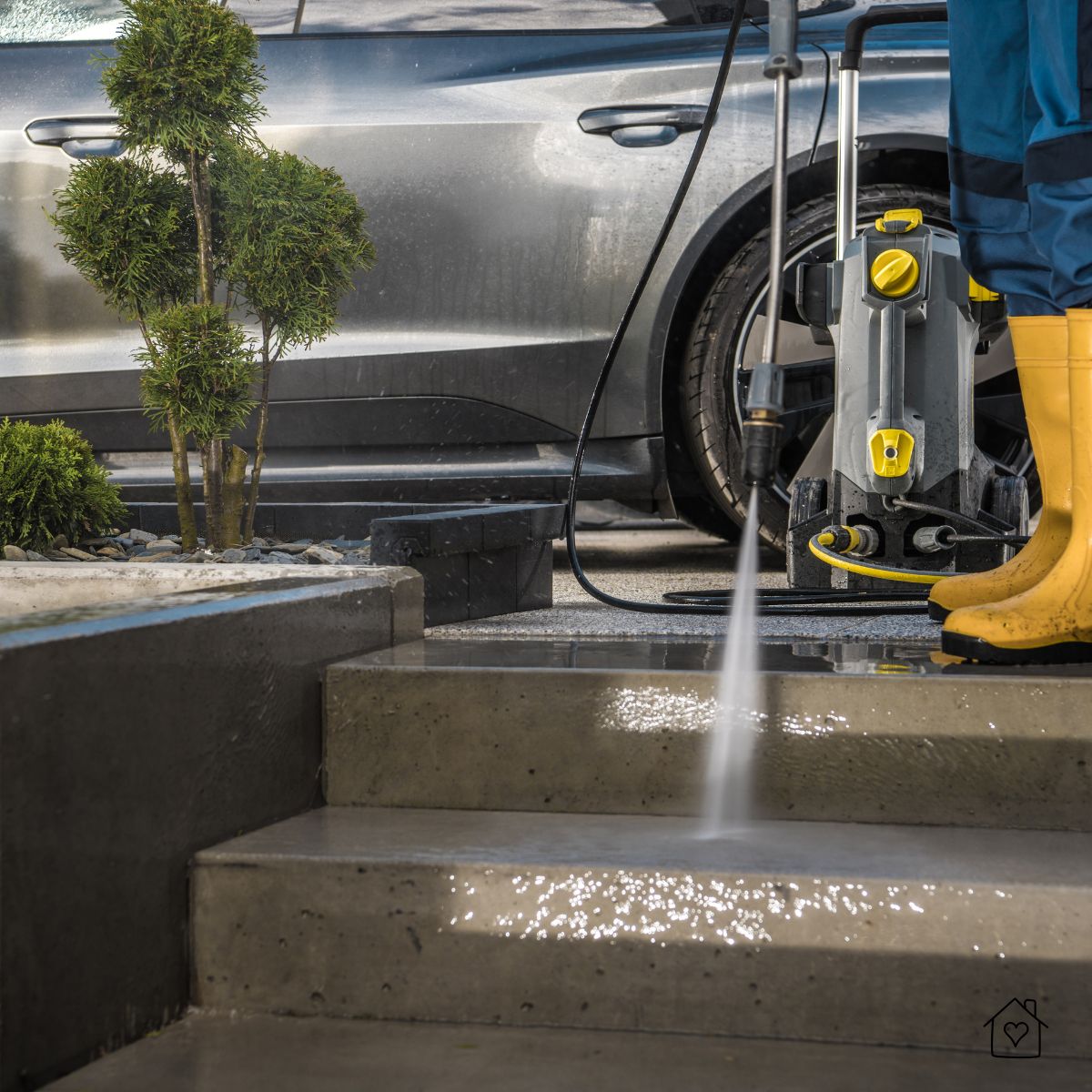
The simplest way to care for concrete is also the most overlooked: regular
Here's what to do:
- Sweep or pressure wash the surface: A broom or leaf blower works for day-to-day
cleaning , but once in a while, give your concrete a good pressure wash. It clears away stubborn grime and instantly freshens up the look. - Wash with a mild detergent: If you notice dirt marks or spills, mix a little mild dish soap with water and scrub. There's no need for harsh cleaners here.
- Rinse thoroughly: Soap residue can leave streaks or make concrete slippery. Always finish with a good rinse using plain water.
- Address spills immediately: Spills from oil, grease, or chemicals are a concrete killer. If you drop something, clean it right away before it sinks in. A quick paper towel and water can save you a permanent stain.
Think of
Sealing and Protecting
Concrete is strong, but it's also porous. That means water, oil, and dirt can soak in if the surface is left unprotected. The best defense? A good quality sealant, whether it's film-forming or penetrating. Sealing your concrete creates an invisible barrier that keeps moisture out, resists stains, and reduces wear from daily use.
- Apply a sealant: You should seal driveways, patios, and walkways every 2-3 years with a premium acrylic sealant (a kind of penetrating sealant). A simple roller or sprayer can get the job done, and the protection it offers is well worth it.
- Reapply as needed: If water no longer beads up on the surface, it's time for a new coat of sealer. Don't wait until cracks or discoloration appear, that's fixing damage instead of preventing it.
- Choose the right sealant: Sealers aren't one-size-fits-all. Some are made for high-traffic areas like driveways, while others are designed for decorative or stamped concrete. If you live in a region with freezing winters, look for a sealer with freeze-thaw protection like polyurethane or Epoxy as they offer superior protection.
Sealing is like giving your concrete a raincoat, although it doesn't change its appearance but keeps it safe from the elements.
Winter Care
If you live in a place like the Bronx, Brooklyn or Upper Manhattan, where winters are harsh, your concrete faces its biggest challenge during the freeze-thaw cycle. When water seeps into concrete, freezes, and then thaws, it causes expansion and contraction that leads to pitting, spalling, or cracking. The good news is that with the right care, you can minimize winter damage.
- Avoid rock salt: Salt is great at melting ice but terrible for concrete. It seeps in, weakens the surface, and accelerates deterioration. Over time, it can leave your driveway looking like it's been through a war.
- Use sand instead: Sand won't melt ice, but it will give you traction and keep walkways safe. Plus, it doesn't damage the concrete.
- Apply sealer before winter: A fresh coat of sealer in the fall adds an extra layer of defense against snow and ice. Think of it as prepping your concrete for battle before the cold sets in.
Your goal in winter isn't to fight nature, it's to protect the concrete until spring arrives. A little preparation goes a long way.
Inspect and Repair Cracks
Even with the greatest care, concrete can sometimes develop small cracks or chips. The most important thing is to catch them early before they get worse and turn into larger, more costly problems. A tiny crack today can let water in, which freezes, expands, and creates a bigger issue tomorrow.
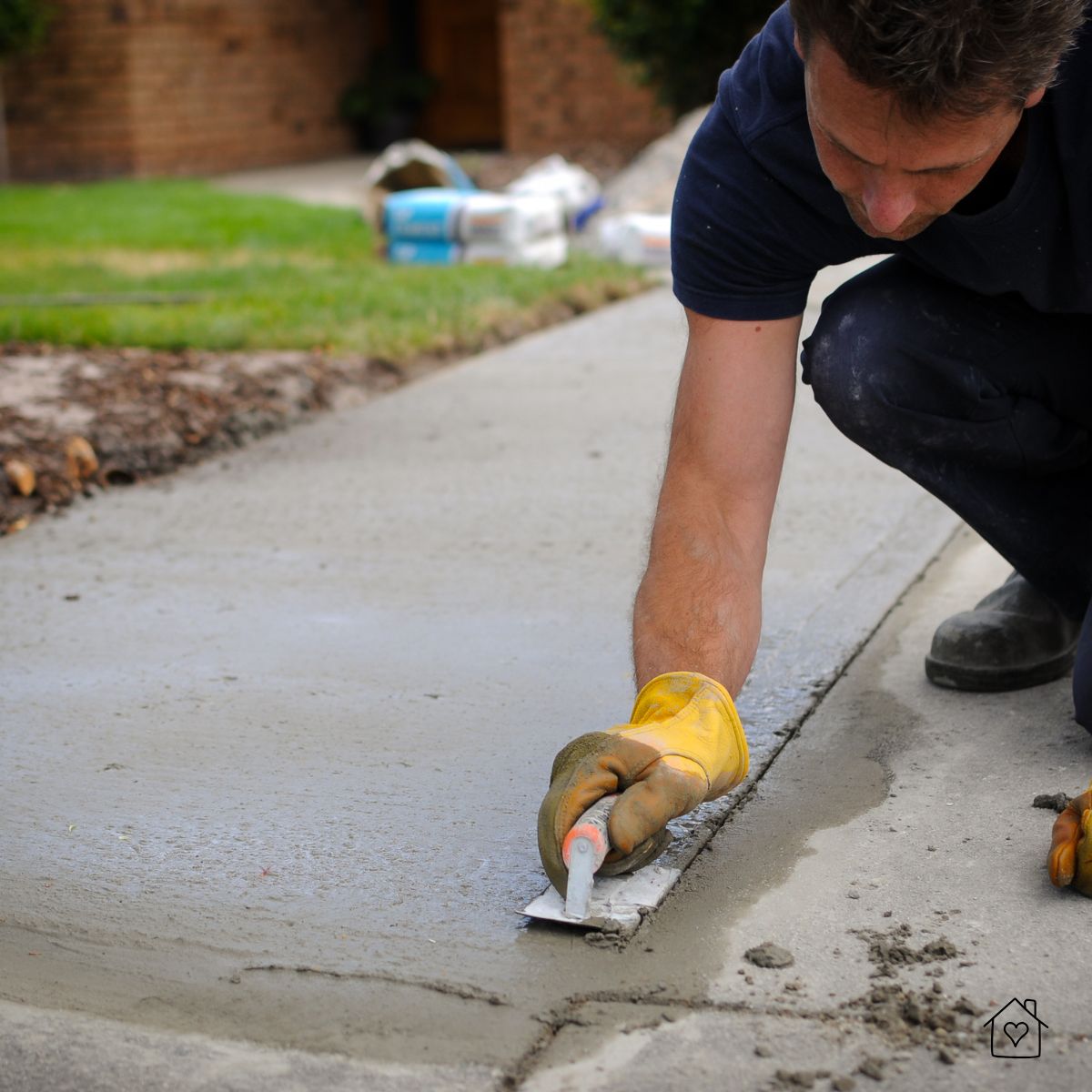
Here's a routine to follow:
- Stroll around your property every few months and give your concrete a deep visual inspection.
- If you spot small hairline cracks, fill them with a concrete patching compound or sealant. These products are inexpensive and easy to apply.
- For bigger cracks that run deep, patches of crumbling (spalling), or slabs that have started to lift and look uneven, that's your cue to call in a professional like Eden Concrete Contractors to get them fixed. These problems can get worse quickly if ignored, but catching them early usually means a faster, easier, and less expensive fix.
Think of this as regular checkups for your home's concrete. Just like you wouldn't ignore a cavity, don't ignore small cracks.
Keep Fertilizers Away
One of the sneaky causes of concrete staining is lawn fertilizer. Many fertilizers contain iron, and when iron particles land on damp concrete, they can leave behind rust-colored stains that are notoriously hard to remove.
The solution is simple:
- When you spread fertilizer, be careful not to get it on your driveway, patio, or walkways.
- If fertilizer does land on the surface, sweep or rinse it off right away.
It's a small step, but it prevents one of the most annoying stains to deal with.
Avoid Harsh Chemicals
When
Use only mild detergents and water instead. For tougher stains like oil, use a degreaser specifically designed for concrete. These products are effective without being destructive.
Conclusion

Concrete may not be flashy, but it's one of the most valuable and hardworking parts of your home. A little routine care like sweeping, sealing, avoiding salt, repairing cracks, and being mindful of chemicals, goes a long way toward keeping it strong and attractive.
If you think about it, maintaining concrete is about respect. Respect for the investment you've made in your home, respect for the materials that support it, and respect for the peace of mind that comes with knowing your property is in good shape.
So next time you're out in the yard, give your driveway, patio, or walkway a second look. Does it need a sweep? A quick rinse? Maybe a fresh coat of sealant? Whatever it is, don't wait until problems show up. Concrete has your back so make sure you return the favor.