How To Prepare Your Home for Power Outages
Power interruptions occur without warning and cause substantial disruptions to daily life. These events can stem from severe weather, equipment failure, or immense strain on the electrical grid. A lack of electricity affects lighting, heating, cooling, and communication systems we depend on.
Families face challenges with food preservation, medical device operation, and overall household safety. Preparedness is the key to navigating these situations with minimal stress and maximum security. A well-thought-out plan provides peace of mind when the lights unexpectedly go out.
Learning how to prepare your home for a power outage will help you fortify your residence against the loss of different services. These practical methods to maintain comfort, safety, and a sense of normalcy.
*This post may contain affiliate links and I'll earn a commission if you shop through them. You can read my full disclosure here.
Assemble an Emergency Kit
Your first step should be to assemble a comprehensive emergency kit for your household. This kit must contain items for sustenance, light, and first aid for every family member. Store all your supplies together in an accessible, clearly marked location for quick retrieval.
Everyone in your home should know where to find the emergency preparedness collection. A large, portable container or a dedicated closet shelf works well for this purpose. Check your kit every six months to replace expired items and refresh your supplies.
Stock Non-Perishable Food and Water

A power loss can compromise your refrigerated and frozen food within hours or days. Stock a three-day supply of non-perishable food items that require no
Store at least one gallon of water per person per day for several days. Clean water is essential for hydration and sanitation when normal utilities are unavailable. Consider purchasing bottled water or using clean containers to store your own water supply.
Secure Alternative Lighting Sources
Darkness poses a significant safety risk during a blackout, so secure reliable light sources. Flashlights and battery-powered lanterns are excellent choices for safe, portable illumination inside your home. Avoid the use of candles, as they present a considerable fire hazard in any situation.
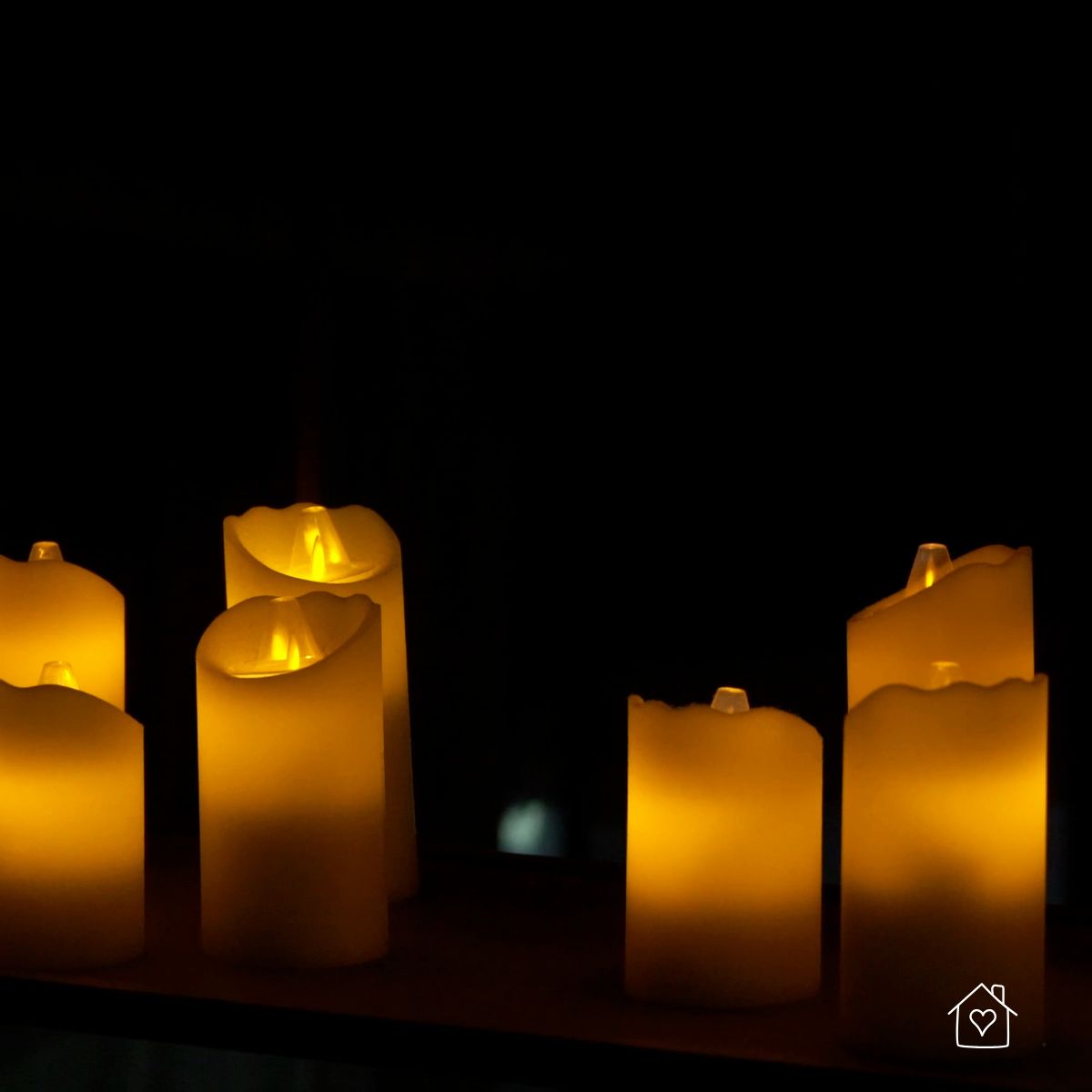
Keep a large supply of extra batteries that match the requirements of your devices. Headlamps are another practical option that allows you to have hands-free light for tasks. Place these items in multiple, easy-to-reach locations throughout your house, like drawers or cabinets.
Plan for Communication Needs
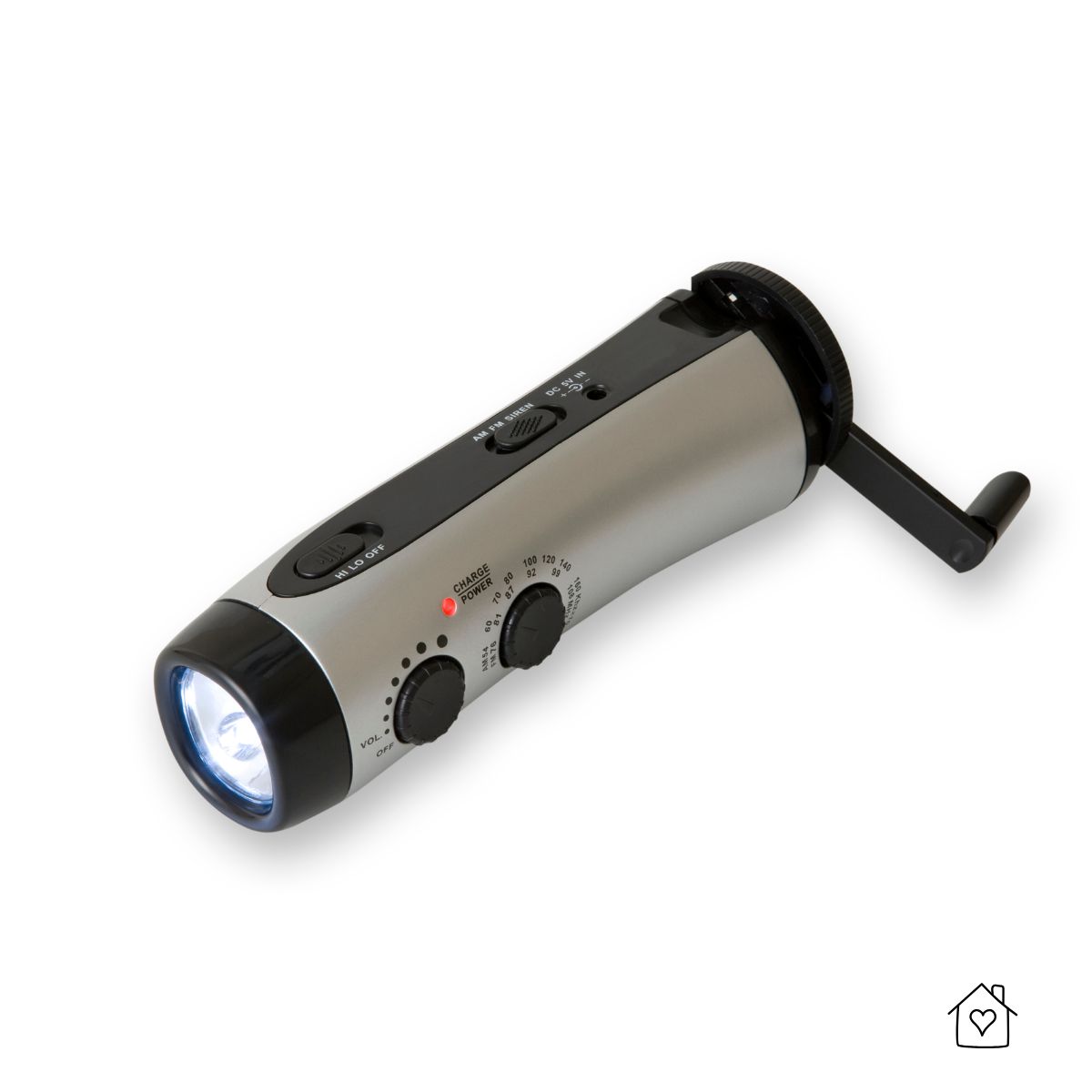
During an outage, your normal communication methods, like cordless phones and internet, might fail. A battery-powered or hand-crank radio can provide access to important news and weather alerts. This device keeps you informed about the situation and expected restoration times from officials.
Keep your mobile phones charged with portable power banks or a car charger. A fully charged power bank can recharge a smartphone multiple times to maintain contact. This simple preparation helps you stay connected with family, friends, and emergency services.
Protect Your Electronic Devices
Power surges can occur when electricity returns, and they can damage sensitive electronics. Unplug computers, televisions, and other valuable appliances when the power goes out. This protects your equipment from sudden voltage spikes that could cause irreparable harm to it.
Use surge protectors for your most important electronics as a primary defense measure. These devices divert excess voltage away from your appliances, even during minor fluctuations. This simple hardware addition provides a strong layer of protection for expensive items.
Consider a Backup Power Source
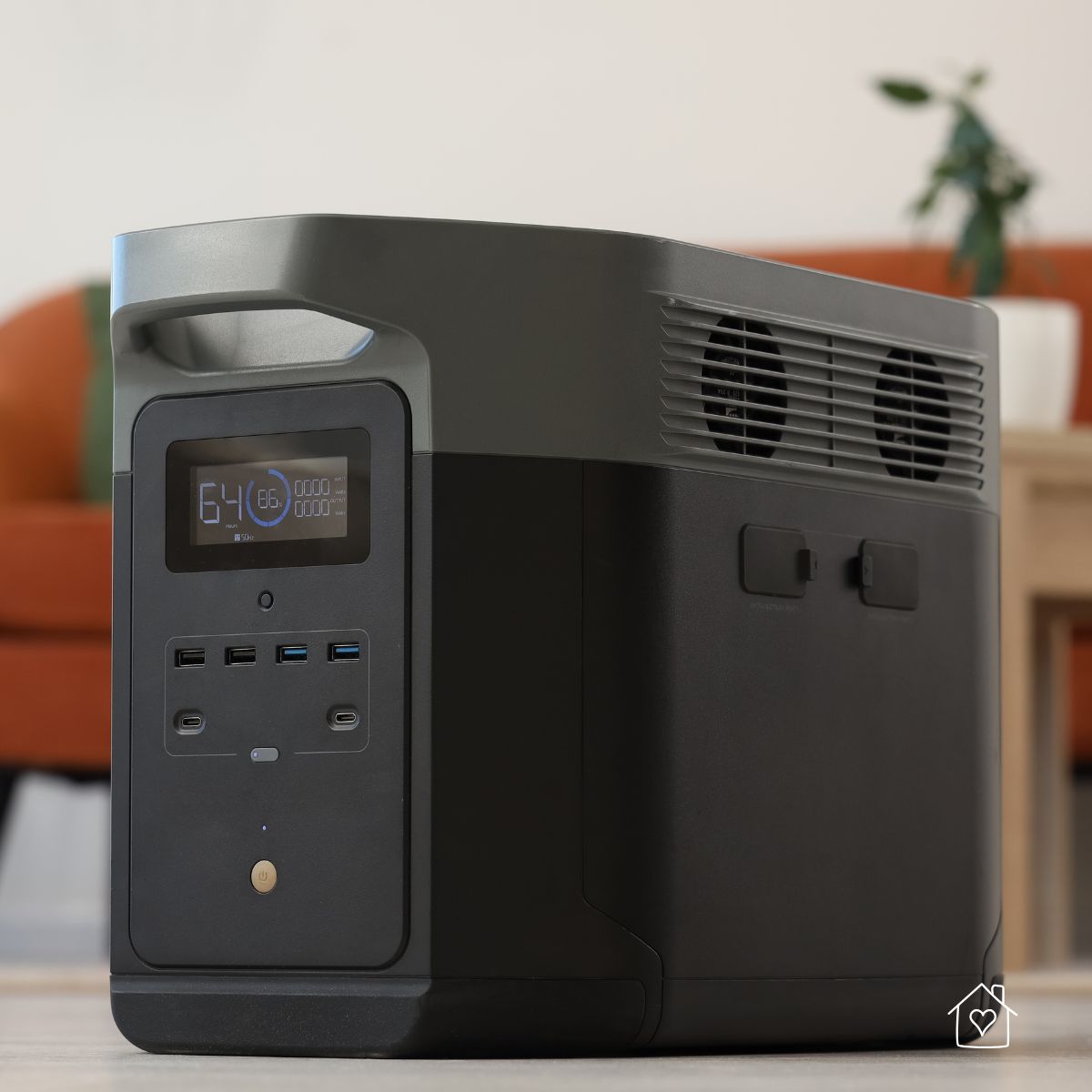
A generator can support essential appliances during extended outages, but choosing the right system depends on the home's size, power needs, fuel source, and installation requirements. Working with a trusted standby generator company can help homeowners choose a properly sized backup power solution that is ready when the grid goes down.
Learning how to integrate a Tesla Powerwall with the electrical system will ensure you have seamless and continuous power. This battery backup system stores energy and automatically takes over when the grid fails. It provides a silent, emission-free alternative to traditional fuel-powered generator models.
Maintain Temperature Control
A loss of power makes it difficult to maintain a comfortable home temperature. In cold weather, close off unused rooms to consolidate heat in smaller areas. Use blankets, sleeping bags, and warm clothes to stay insulated and conserve body heat.
During hot weather, keep blinds and curtains closed to block out the sun's heat. Open windows on opposite sides of the house to create cross-ventilation for airflow. Stay hydrated and avoid strenuous activities to prevent your body from any heat-related illness.
Create a Family Emergency Plan
Develop a clear plan with your family for what to do at home during a power outage. This plan should include evacuation routes and a designated meeting place for everyone. Also, establish an out-of-state contact person for family members to call with updates.
These are some of the most important tasks to perform when the power fails completely:
- Unplug sensitive electronics to prevent surge damage.
- Check on neighbors, especially elderly or disabled individuals.
- Conserve water and use it only for necessary functions.
- Keep refrigerator and freezer doors closed to preserve cold air.
Prepare for Medical Needs
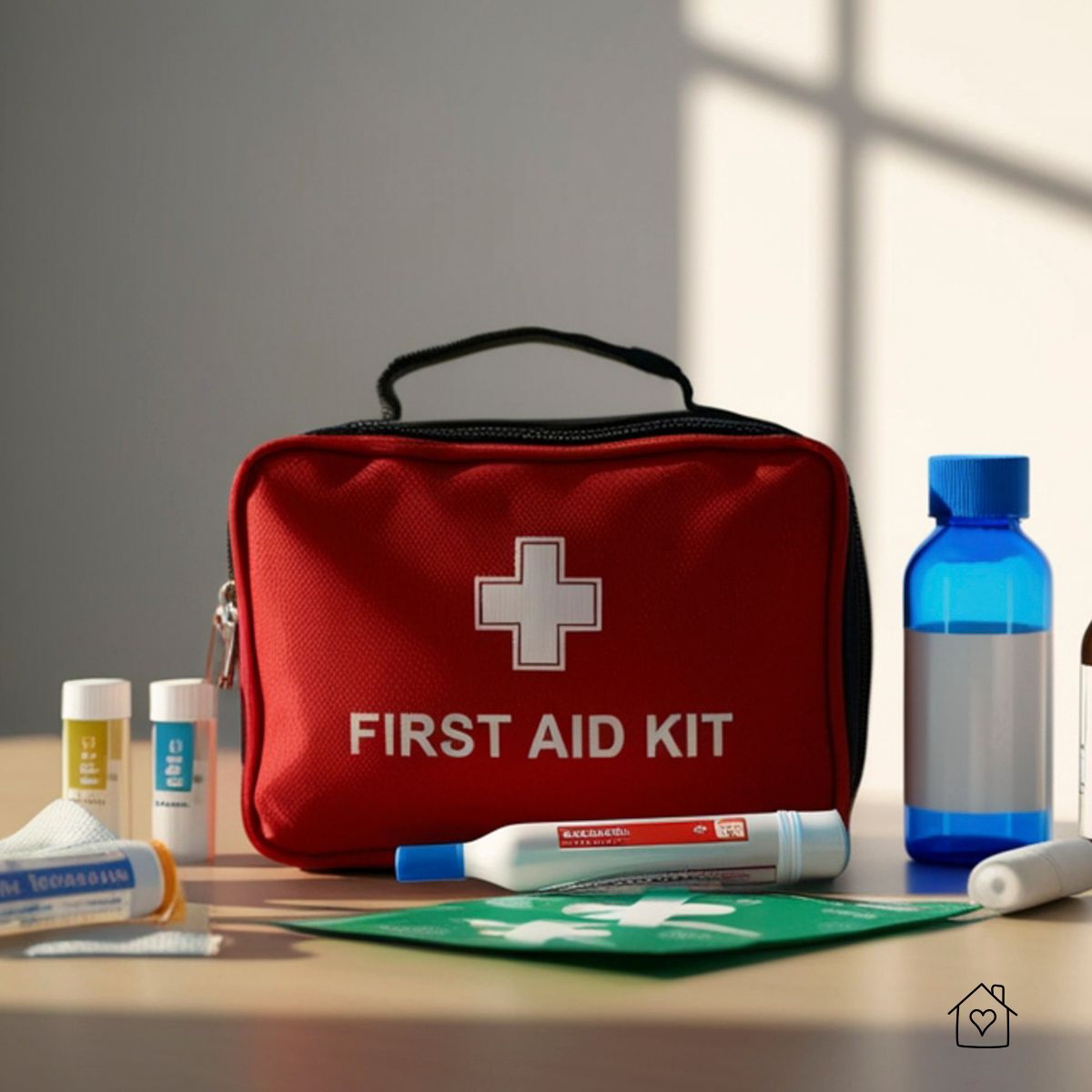
If you rely on powered medical devices, you must have a backup power plan. Speak with your doctor about specific outage protocols for your equipment and its needs. A generator or an uninterruptible power supply can be a lifesaver for these situations.
Keep a well-stocked first-aid kit with any necessary prescription medications and supplies. A week's supply of medications is a good benchmark to have on hand. Ensure you also have copies of prescriptions and other important medical documents.
Know Your Home's Systems
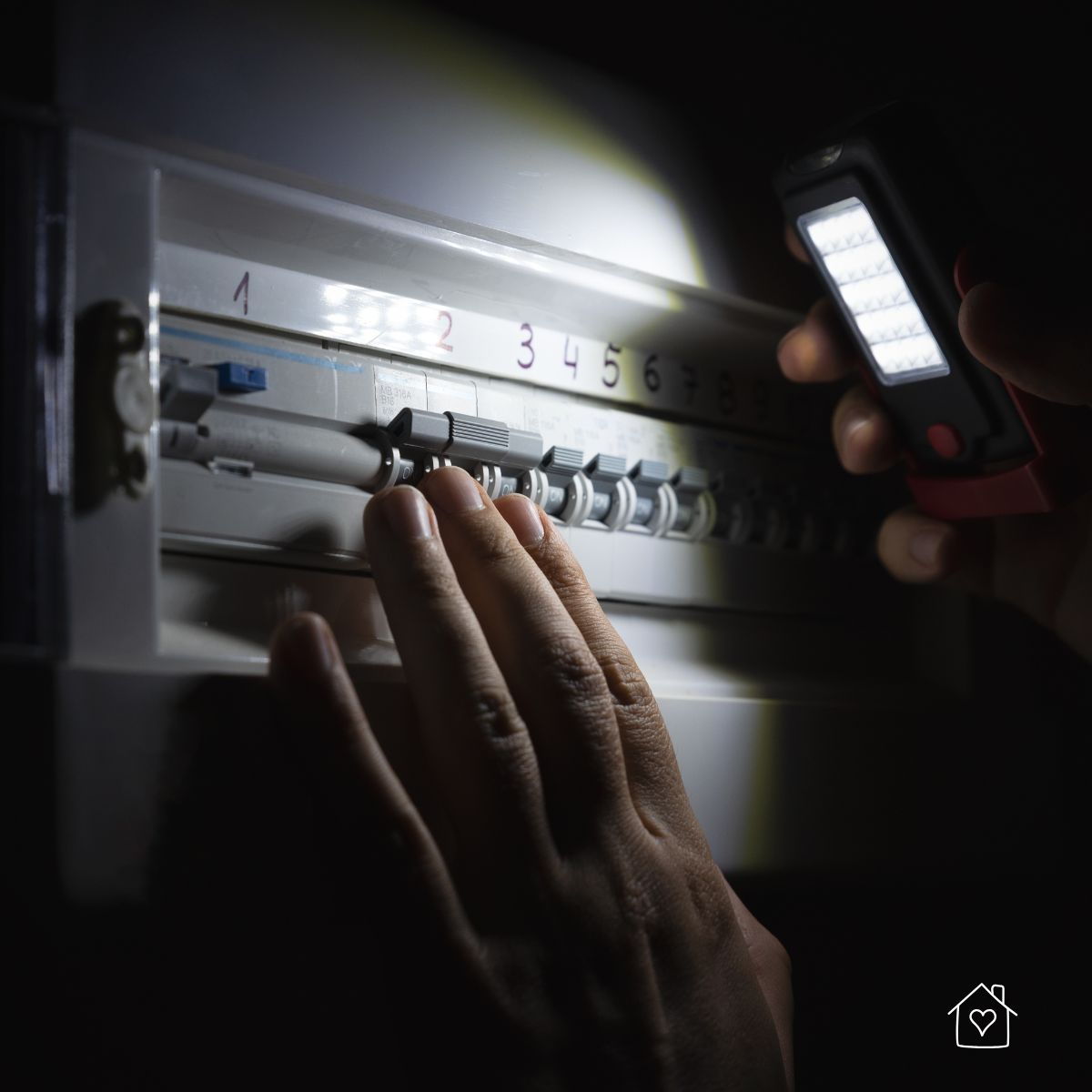
Familiarize yourself with your home's electrical panel, main water valve, and gas shutoff. Know how to safely turn off these utilities if an emergency requires it. Label your circuit breakers so you can easily identify which circuits power different rooms.
Test your smoke alarms and carbon monoxide detectors monthly to ensure they work correctly. These devices offer vital protection, especially if you use alternative heating methods. Proper knowledge of your home systems adds another layer of safety for your family.
Methodical preparation can significantly reduce the impact of a power outage. You can face these events with confidence when you have a solid plan. Create an emergency kit, stock essential supplies, and secure backup power and light.
Protect your electronics and make a family communication plan for any unforeseen events. These proactive steps empower you to safeguard your home and ensure your family's well-being. A prepared household transforms a potential crisis into a manageable inconvenience for everyone.