15 Best Plants to Attract Pollinators to Your Garden
Disclosure: This post is sponsored by TN Nursery. I only share brands and products I genuinely love and think you will too.
A Garden That Gives Back
If you are looking for the best plants to attract pollinators, I can tell you from experience that adding them to your garden is one of the most rewarding things you will ever do. I have always believed that a garden should do more than just look pretty.
Years ago, before life got busy and my schedule got full, I spent every spare spring and summer moment outside in the dirt. I had perennials everywhere, and I planned that garden so carefully that something was always blooming, from the first warm days in April all the way through October. It was truly magical, and one of the things I loved most was watching the bees and butterflies move through it like they owned the place.
Back then I did not have a name for what I was doing, but looking back, every single choice I made was about filling that space with plants to attract pollinators, and the garden rewarded me for it every single day.
If you have ever dreamed of having that kind of yard, the kind that hums and flutters and feels truly alive, the secret is simple: plant what pollinators need.
I teamed up with TN Nursery to bring you this list of 15 of the best plants to attract pollinators. TN Nursery grows native and naturalized plants and ships them straight to your door. Every plant on this list is available through their pollinator plant collection, and I hand-picked each one based on their beauty, ecological value, and how well they perform for real home gardeners.
Why Pollinators Matter in Your Yard
Pollinators, including bees, butterflies, hummingbirds, and even certain beetles and flies, are responsible for helping one third of the food we eat come to life. They move pollen from flower to flower, making it possible for fruits, vegetables, and seeds to form. Without them, ecosystems collapse.
The good news is that helping pollinators does not require a big yard or a complicated plan. A handful of the right plants makes a real difference. The trick is choosing varieties that offer what pollinators actually need: nectar, pollen, and shelter across the entire growing season.
15 Best Plants to Attract Pollinators
1. Milkweed
If you only plant one thing for pollinators, make it Milkweed. It is the sole food source for monarch butterfly caterpillars and one of the richest nectar plants for bees and other butterflies. The pink and white blooms are delicate and sweet-smelling, and once established, this plant takes very little effort. Planting milkweed is one of the most direct things a home gardener can do to support the monarch population.
2. Butterfly Milkweed
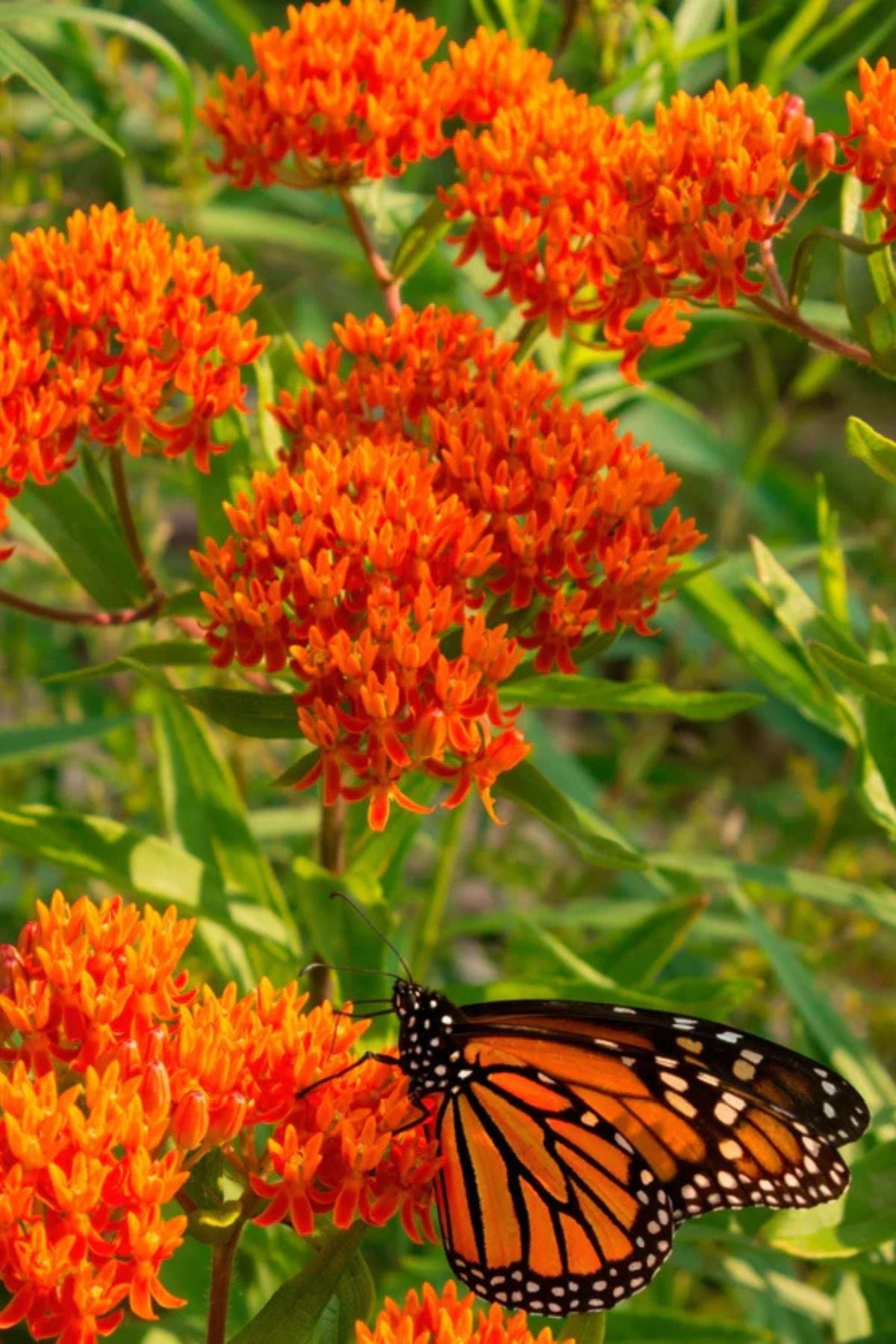
Butterfly Milkweed is a native North American perennial with brilliant orange blooms that stop monarchs, bees, and swallowtail butterflies in their tracks. It thrives in dry to medium well-drained soil and handles heat beautifully. Unlike common milkweed, butterfly milkweed stays more compact, making it a perfect choice for smaller garden spaces or container plantings.
3. Purple Coneflower
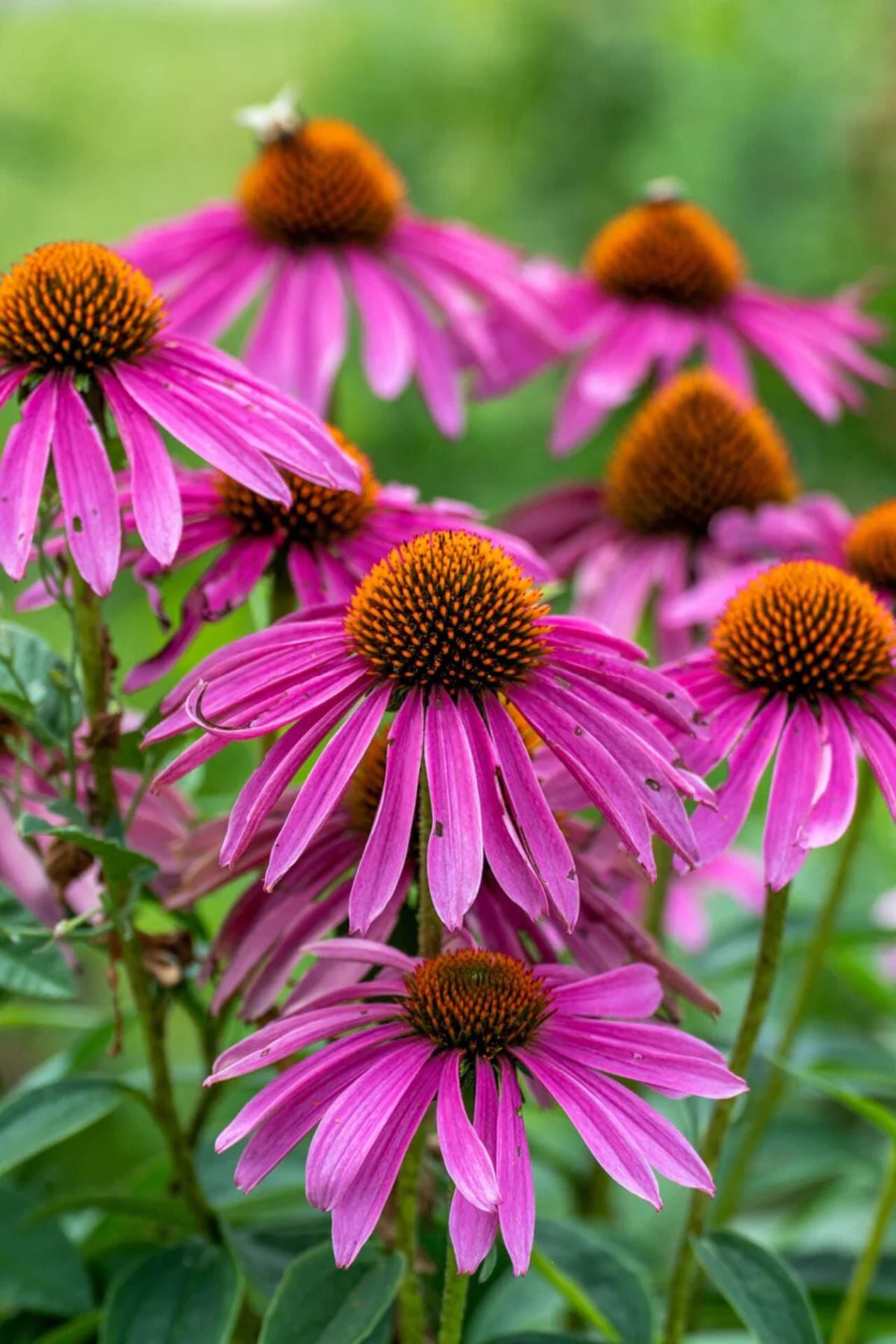
Few perennials are as dependable and beloved as the Purple Coneflower. Those rosy pink petals around a spiky orange center are irresistible to bees and butterflies from midsummer into fall. Coneflowers are native to the American prairie, which means they are drought tolerant, cold hardy, and genuinely low maintenance. They also self-seed freely, so your patch will grow bigger and more beautiful every year.
4. Black-Eyed Susan
Cheerful and bright, Black-Eyed Susan is a summer standout that pollinators absolutely love. The golden yellow petals with deep brown centers bloom from June through September, providing a long window of nectar for bees, beetles, and butterflies. This native wildflower naturalizes easily and looks gorgeous planted in drifts or mixed borders alongside coneflowers and blazing star.
5. Blazing Star Liatris
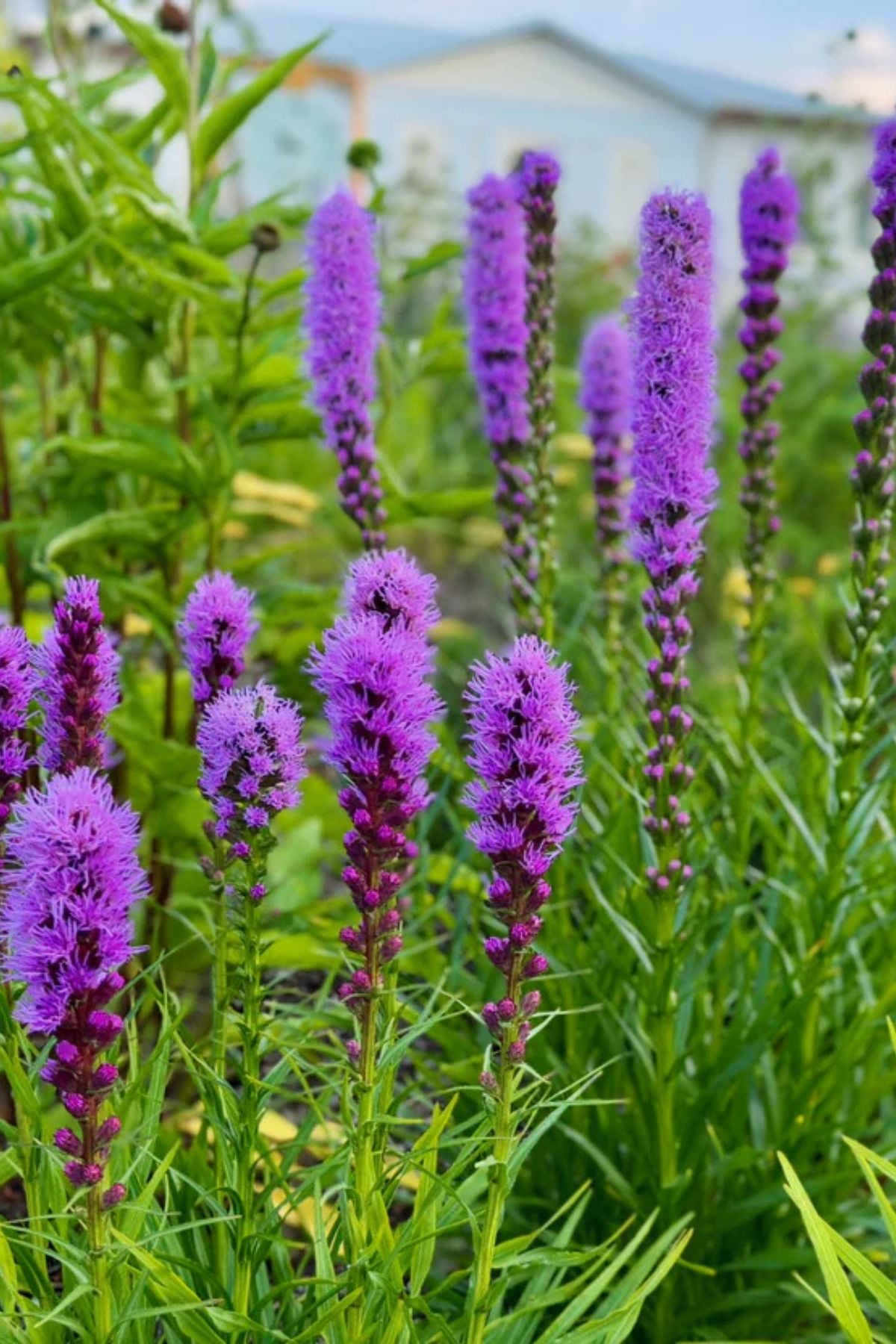
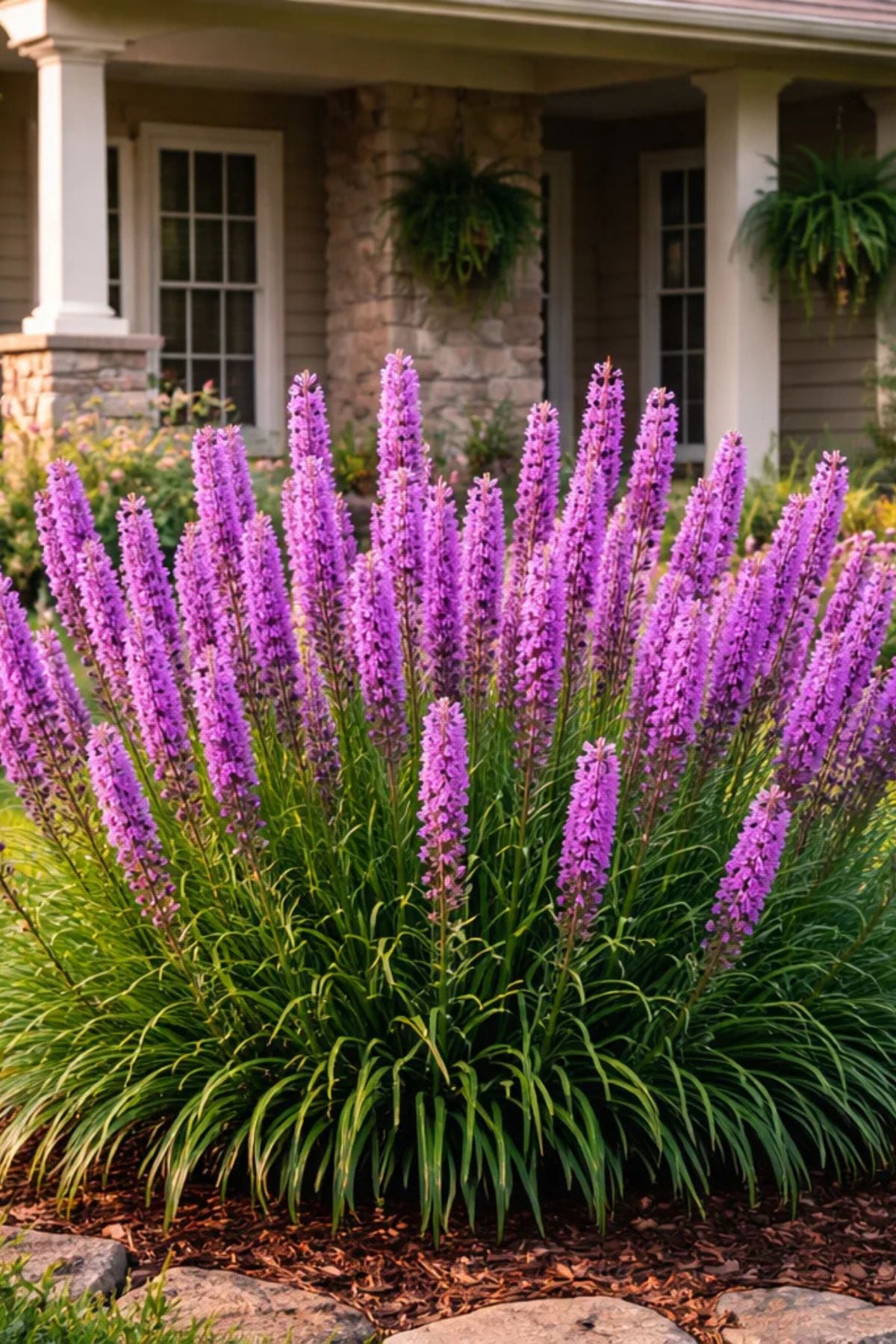
Blazing Star Liatris is one of those plants that makes you stop walking and just look at it. The tall, feathery purple spikes bloom from the top down in late summer, which is exactly when pollinators need late-season fuel before cold weather sets in. Blazing star is an excellent late-season nectar source and is especially valuable for monarch butterflies and other pollinators during migration season.
6. Cardinal Flower
The Cardinal Flower is one of the most hummingbird-friendly plants in existence. Its brilliant scarlet spikes are shaped perfectly for hummingbird feeding, and where one is planted, hummingbirds will return season after season. It blooms in late summer and early fall, filling a gap in the garden calendar when other plants are winding down. Plant it near water features or in consistently moist spots for best results.
7. Virginia Bluebell
One of the most breathtaking early spring pollinators, Virginia Bluebell produces clusters of soft sky-blue trumpet flowers that bumblebees and early-season butterflies cannot resist. It is a native woodland wildflower that naturalizes beautifully under trees and in dappled shade. Since it goes dormant by summer, it pairs perfectly with later-blooming perennials that fill in as it fades.
8. Wild Geranium
Wild Geranium is a native spring bloomer with pretty five-petaled lavender-pink flowers that bees love. It is incredibly adaptable, thriving in both sun and partial shade, and it spreads gently to form a lovely ground cover. Bees, especially native bumblebees and mining bees, are among its biggest fans. It is also deer resistant, which is always a bonus.
9. Blanket Flower
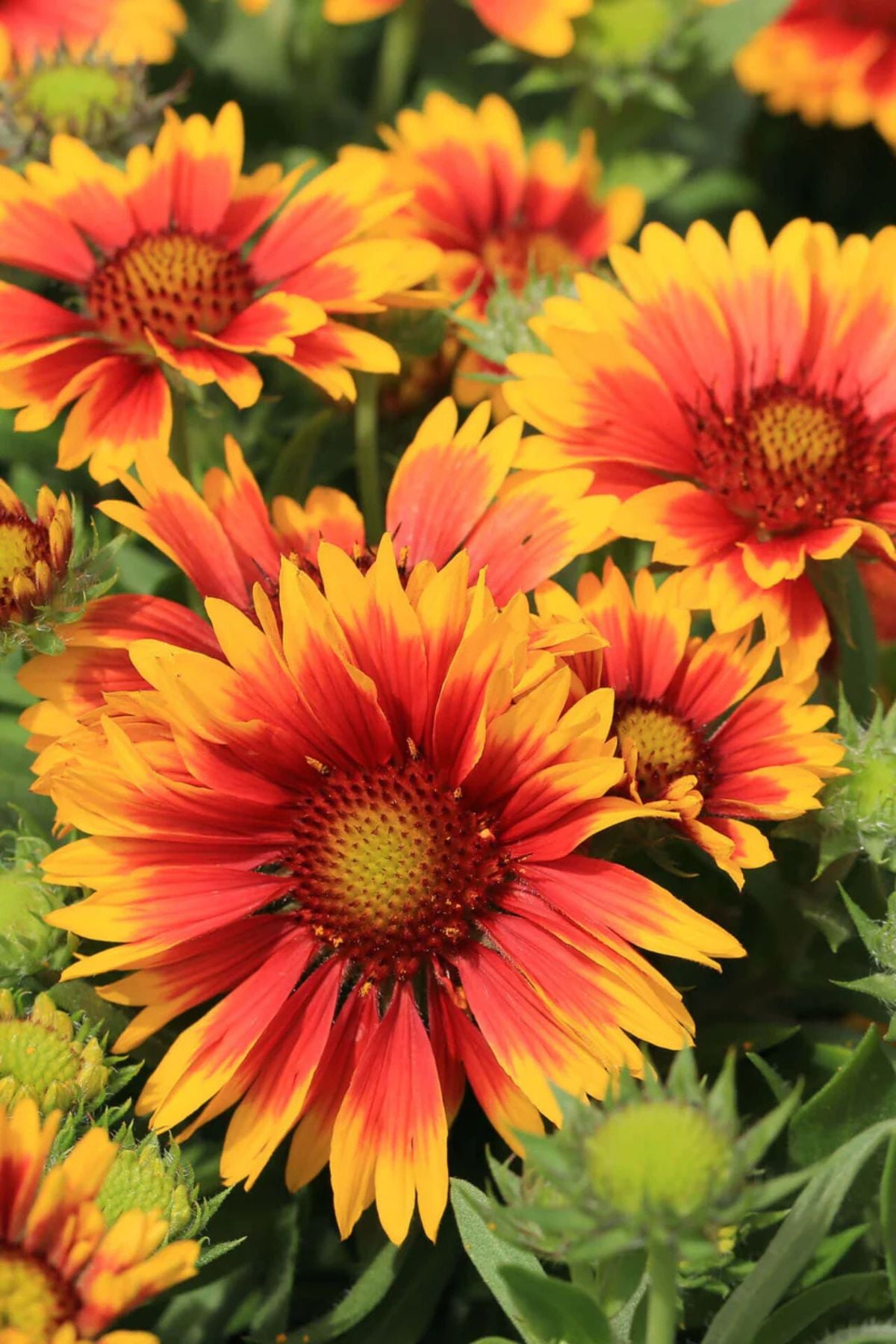
For nonstop summer color and pollinator action, Blanket Flower delivers. The red and yellow daisy-like blooms are rich in nectar and extremely long-lasting, often blooming from late spring all the way through the first frost. Bees swarm these cheerful flowers all season long. Blanket flower thrives in full sun and poor soil, making it one of the toughest and most rewarding perennials you can grow.
10. Trumpet Vine
If hummingbirds are your priority, Trumpet Vine is your plant. The large orange and red tubular blooms are perfectly sized for hummingbird beaks, and once these birds discover it, they come back every single day. Trumpet vine is a vigorous climber that covers fences, arbors, and pergolas with lush green foliage and stunning blooms all summer. Give it something sturdy to climb and room to grow.
11. Fire Pink
A native wildflower with striking crimson blooms, Fire Pink is a hummingbird magnet that also attracts sphinx moths and butterflies. It thrives in woodland edges and partially shaded spots where other brightly colored plants might struggle. The vivid red star-shaped flowers appear in late spring and early summer, adding a wild, natural beauty to the garden that feels special every time you see it.
12. Bloodroot
Bloodroot is one of the earliest spring bloomers, pushing up pristine white flowers before most other plants have even woken up. Those early blooms are a critical food source for native bees emerging in late winter and early spring. It is a native woodland wildflower that naturalizes slowly and quietly into a graceful ground cover under trees and in shaded borders. A hidden gem in the pollinator garden.
13. Painted Trillium
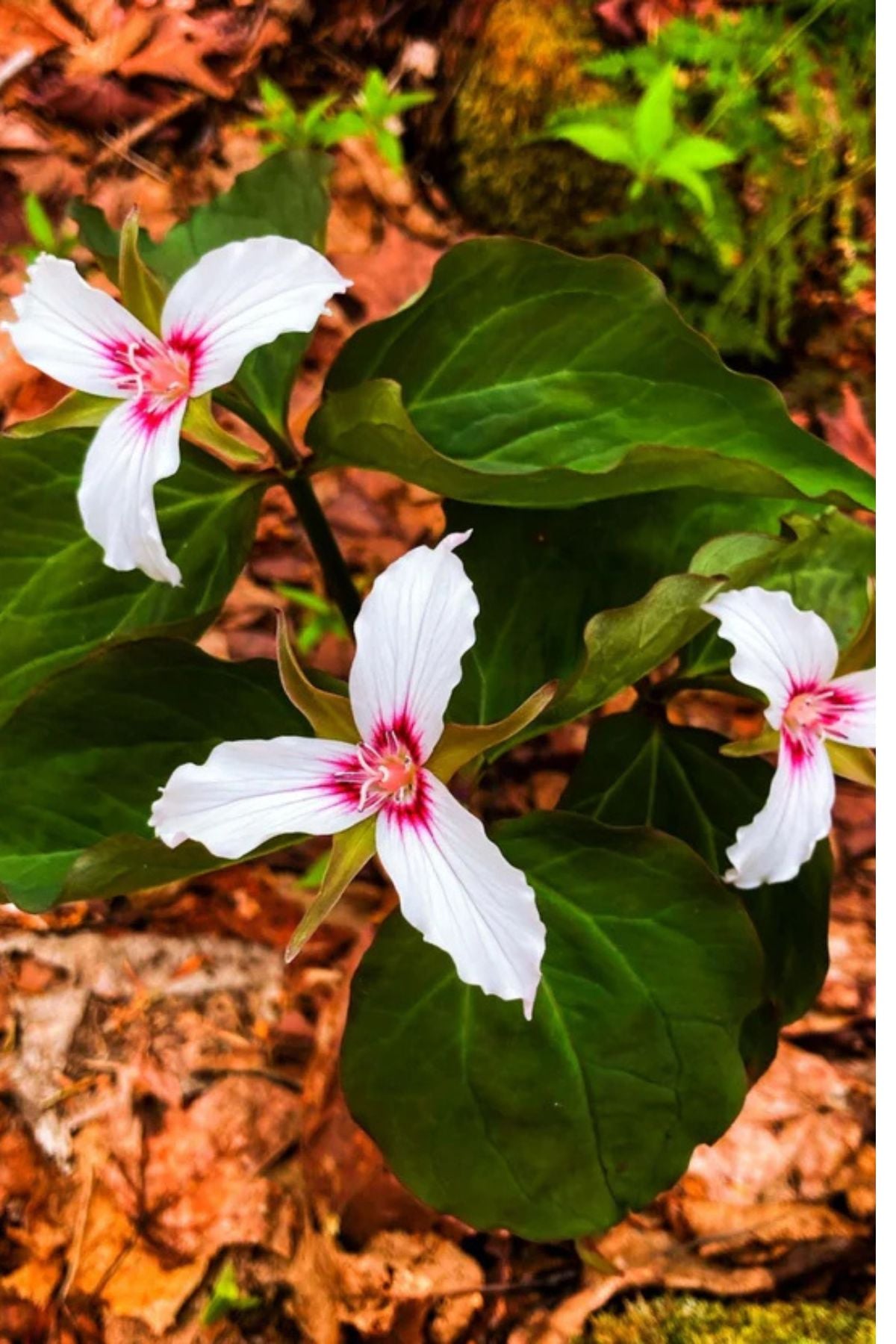
Beautiful, elegant, and truly native, Painted Trillium features three white petals with deep pink centers and grows in shaded, moist woodland conditions. It is one of the earliest spring pollinators for native bees and bumblebees. While it takes patience to establish, painted trillium rewards that patience with stunning blooms that feel like a gift every spring.
14. Black Cohosh
Black Cohosh is a tall, dramatic native perennial with long feathery white flower spikes that bloom in summer. It attracts a variety of pollinators, including bees and other beneficial insects, making it a lovely addition to a pollinator-friendly shade garden. Its height makes it a stunning back-of-the-border plant that adds vertical interest to shaded or partly shaded gardens. It is also a great choice for native bee conservation, attracting bumble bees, sweat bees, and specialist mining bees.
15. Liverwort
Do not let the unusual name fool you. Liverwort is a delicate and gorgeous early spring wildflower with soft blue, pink, or white blooms that emerge when almost nothing else is blooming yet. Early native bees depend on it as one of their first nectar sources of the season. It is a quiet, understated plant that earns its place in any woodland garden as both a pollinator resource and a truly lovely thing to come across on a spring walk.
Tips for Planting a Pollinator-Friendly Garden
Getting the most out of your pollinator plants comes down to a few simple principles:
- Aim for continuous bloom from early spring through fall so pollinators always have something to eat.
- Plant in groups rather than one at a time. A cluster of the same plant is far more visible and useful to pollinators than a single specimen.
- Skip or reduce pesticide use, especially systemic products. Even organic options can harm beneficial insects.
- Include a water source such as a shallow dish with pebbles for bees and butterflies to land on.
- Let some plants go to seed. Seed heads provide food for birds and shelter for beneficial insects over winter.
If you love low maintenance plants that come back year after year, you might also enjoy my guide on how to plant and grow hens and chicks - another hardy favorite that practically takes care of itself.
Where to Shop for Pollinator Plants
All 15 plants featured in this post are available through TN Nursery's pollinator plant collection. TN Nursery ships plants bare root, which means they establish faster and adapt more naturally to your soil. They work with the Department of Transportation to grow native plants for ecological restoration projects across the country, so you know these are plants with real roots in the American landscape.
Whether you are starting your very first pollinator garden or adding to one you have been growing for years, TN Nursery has the plants to make it thrive.