Things That Can Happen as Your Foundation Settles
Every homeowner faces the reality of foundation settling at some point. Your house naturally shifts and adjusts over time, but understanding what to expect helps you distinguish between normal settling and serious structural problems that need immediate attention.
Foundation settling occurs when the soil beneath your home compresses under the weight of your house. This process typically happens most dramatically during the first few years after construction, though it continues at a slower pace throughout your home's lifetime. Most settling stays within acceptable limits, but sometimes it leads to noticeable changes that affect your daily life.
Recognizing the signs early helps you address minor issues before they become expensive repairs. Let's explore a handful of things that can happen as your foundation settles and how these changes might show up in your home.
*This post may contain affiliate links and I'll earn a commission if you shop through them. You can read my full disclosure here.
Visible Cracks Start Appearing
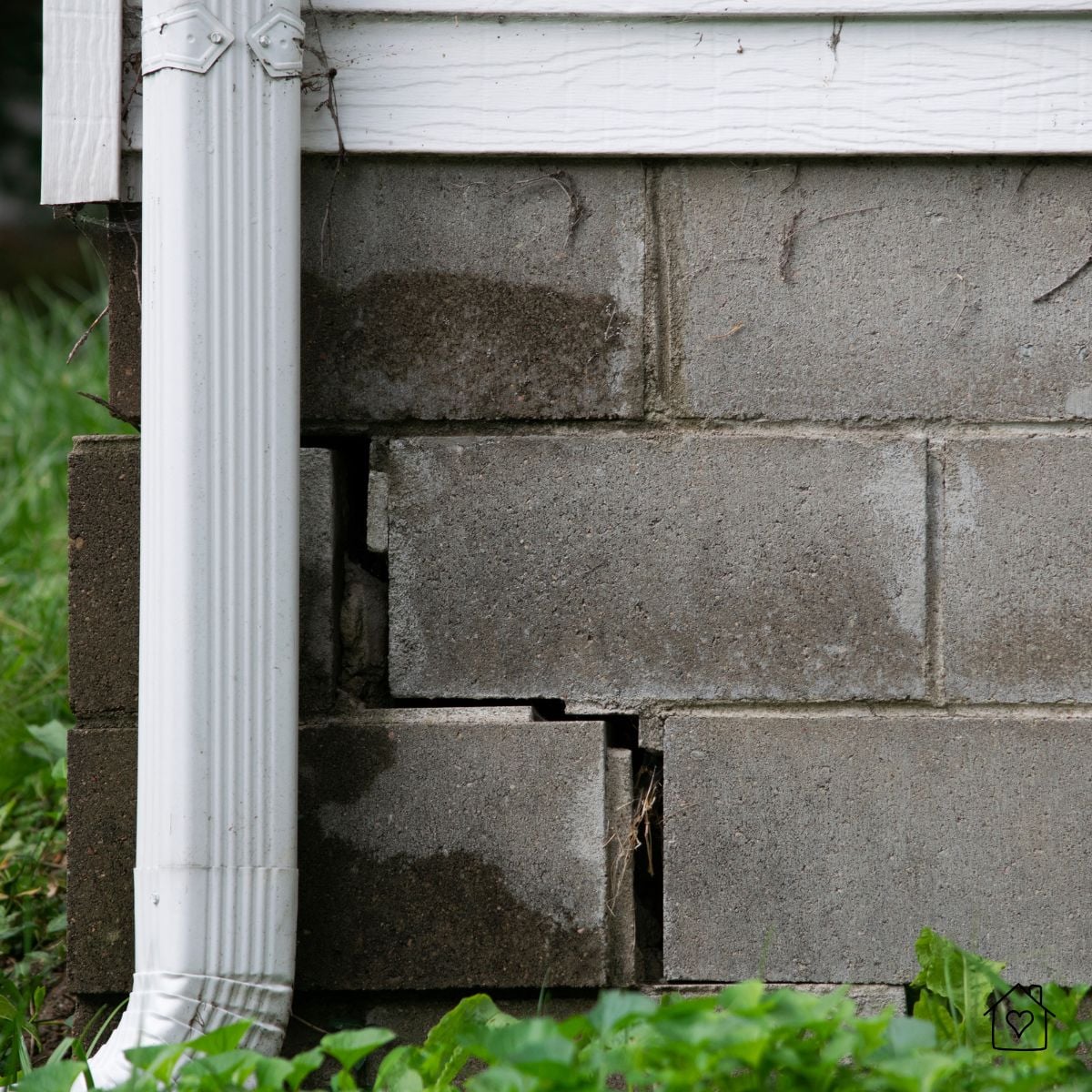
Cracks represent the most common sign of foundation settling. You'll notice them in different locations throughout your home, each telling a specific story about what's happening beneath the surface.
Wall cracks typically appear near doorways, windows, and corners where structural stress concentrates. Small hairline cracks in drywall often indicate minor settling and rarely cause concern. However, diagonal cracks that run from corners of windows and doors suggest more significant movement that deserves professional evaluation.
Basement and foundation walls show different crack patterns. Horizontal cracks signal serious pressure issues that require immediate attention. Vertical cracks, while less alarming, still need monitoring to make sure they don't widen over time.
Exterior cracks appear in your home's siding, brick, or stucco. Step-pattern cracks in brick or block walls clearly indicate foundation movement. These cracks often start small but grow larger if the underlying settling continues.
Doors and Windows Refuse To Close Properly
Foundation settling directly affects door and window operation throughout your home. As your foundation shifts, it changes the shape of door frames and window openings, creating alignment problems that make opening and closing difficult.
Doors might stick when you try to close them, requiring extra force to latch properly. You might notice gaps appearing around door frames or find that doors swing open or closed on their own. Interior doors often show these problems first because they're more sensitive to minor frame changes.
Windows present similar challenges. They might stick when you try to open or close them, or you might notice drafts around frames that previously sealed tightly. Some windows develop gaps that let in outside air and moisture, affecting your home's energy efficiency.
Your Floors Begin To Feel Different
Floor changes provide clear evidence of foundation movement. You might notice your floors feeling bouncy or springy when you walk across them. This happens when foundation settling affects floor joist support by creating areas where subflooring lacks proper backing.
Uneven floors develop as different areas of your foundation settle at different rates. You might notice balls rolling toward one corner of a room or feel like you're walking uphill in certain areas. These changes happen gradually, making them easy to overlook until they become pronounced.
Hardwood floors show settlement effects through gaps between boards or boards that start cupping or buckling. Tile floors might develop loose tiles or grout lines that crack and crumble. Carpets might wrinkle or bunch up in areas where the subfloor is shifting.
Understanding the causes of sloping floors in your home helps you identify whether you're dealing with normal settling or a more serious foundation problem that needs professional attention.
Plumbing Problems Start Multiplying
Foundation settling puts stress on your home's plumbing system, which relies on precise pipe alignment to function properly. As your foundation moves, it can shift, bend, or break pipes, which leads to various plumbing issues. Resources available on Gundlach's official website can help homeowners better understand plumbing concerns related to shifting foundations.
Water pressure might drop throughout your house as pipes become misaligned or develop small leaks. You might notice:
- Toilets that rock back and forth when you sit on them.
- Sinks and tubs that pull away from walls.
- Pipes that make unusual noises when water runs through them.
- Wet spots appearing on basement floors or walls.
- Higher water bills without obvious explanation.
Sewer line problems often accompany foundation settling. Tree roots find their way into cracked sewer pipes, causing backups and expensive repairs. Gas lines also face similar risks, though these problems require immediate professional attention due to safety concerns.
Gaps Appear Around Your Home's Exterior
Foundation settling creates visible gaps around your home's exterior features. You might notice spaces developing between your house and attached structures like porches, decks, or garages. These gaps start small but often widen over time as settling continues.
Gaps around exterior trim, siding, and where different materials meet indicate your home's structure is shifting. Pay attention to areas where your house meets concrete walkways, driveways, or patios. These connections often separate as foundation movement pulls your house away from these fixed structures.
Chimneys deserve special attention because they typically have separate foundations. If your house settles differently than your chimney, you'll notice gaps developing where they connect. These gaps can let water infiltrate your home and cause additional damage.
Interior Cosmetic Issues Multiply
Foundation settling affects your home's interior appearance in numerous ways. Baseboards might pull away from walls, creating gaps that collect dust and affect your home's finished look. Crown molding and other trim pieces can separate at joints or pull away from ceiling and wall connections.
Wallpaper might bubble, tear, or separate at seams as walls shift slightly. Paint can crack along stress lines, particularly around openings and corners. These cosmetic issues often appear before more serious structural problems become obvious.
Structural Elements Show Stress
Advanced foundation settling affects your home's structural elements in ways that compromise safety and stability. Load-bearing walls might develop cracks or show signs of movement that affect their ability to support upper floors and roof loads.
Ceiling cracks often indicate structural stress, particularly when they run across rooms rather than along wall joints. Sagging ceilings suggest that foundation movement has affected the support system for upper floor joists.
Stair problems develop when foundation settling affects the connection between different floor levels. Steps might become uneven, handrails might loosen, or the entire staircase might feel less stable than before.
Foundation settling affects every home, but understanding what can happen helps you respond appropriately. Document changes with photos and measurements to track progression over time. Minor cosmetic issues often resolve with simple repairs, but structural problems require professional evaluation.