5 Tips for Creating a Child-Friendly Home
A child-friendly home is more than just a place with lots of toys; it is a safe, functional, and nurturing environment where little ones can explore, learn, and grow. Creating a space that caters to both adults and children requires thoughtful planning, combining safety measures with design choices that encourage independence and creativity. Transforming your house into a haven for your kids involves making smart adjustments to your living areas, from the living room to their own bedrooms, ensuring every corner is ready for their adventures.
The process involves child-proofing dangerous areas, organizing spaces to be more accessible, and choosing materials that can withstand the energy of daily play. This careful balance ensures your home remains stylish and comfortable for adults while providing a secure and stimulating setting for children. With some strategic changes, you can craft a living space where your family can thrive together, making memories in a home designed for everyone.
*This post may contain affiliate links and I'll earn a commission if you shop through them. You can read my full disclosure here.
Start With Safety
The first step in creating a child-friendly home is to thoroughly child-proof it. Curious toddlers and crawling babies can get into surprisingly small spaces, so it is essential to identify and address potential hazards in every room. Start by walking through your house from a child's perspective-get down on your hands and knees to see what they see. This viewpoint will help you spot dangers you might otherwise overlook, like uncovered electrical outlets, sharp furniture corners, and dangling cords.
Securing heavy furniture, such as bookshelves and dressers, to the walls is critical, since children could climb them. Installing safety gates at the top and bottom of stairs prevents falls, while cabinet locks keep dangerous items like cleaning supplies and medications out of reach. Cover all electrical outlets and use cord shorteners for blinds to eliminate strangulation hazards. Additionally, keeping comprehensive first-aid kits in easily accessible locations, like the kitchen and a central bathroom, ensures you are ready for minor scrapes or bumps.
Organize for Accessibility and Independence
A well-organized home benefits everyone, but it is especially important for fostering children's independence. When kids can easily find and put away their own belongings, they develop a sense of responsibility and competence. Designate specific, low-level storage for their toys, books, and art supplies. Open bins, low shelves, and cubbies make it simple for them to see their options and clean up after themselves. Labeling these storage areas with pictures or words, depending on your child's age, can further empower them.
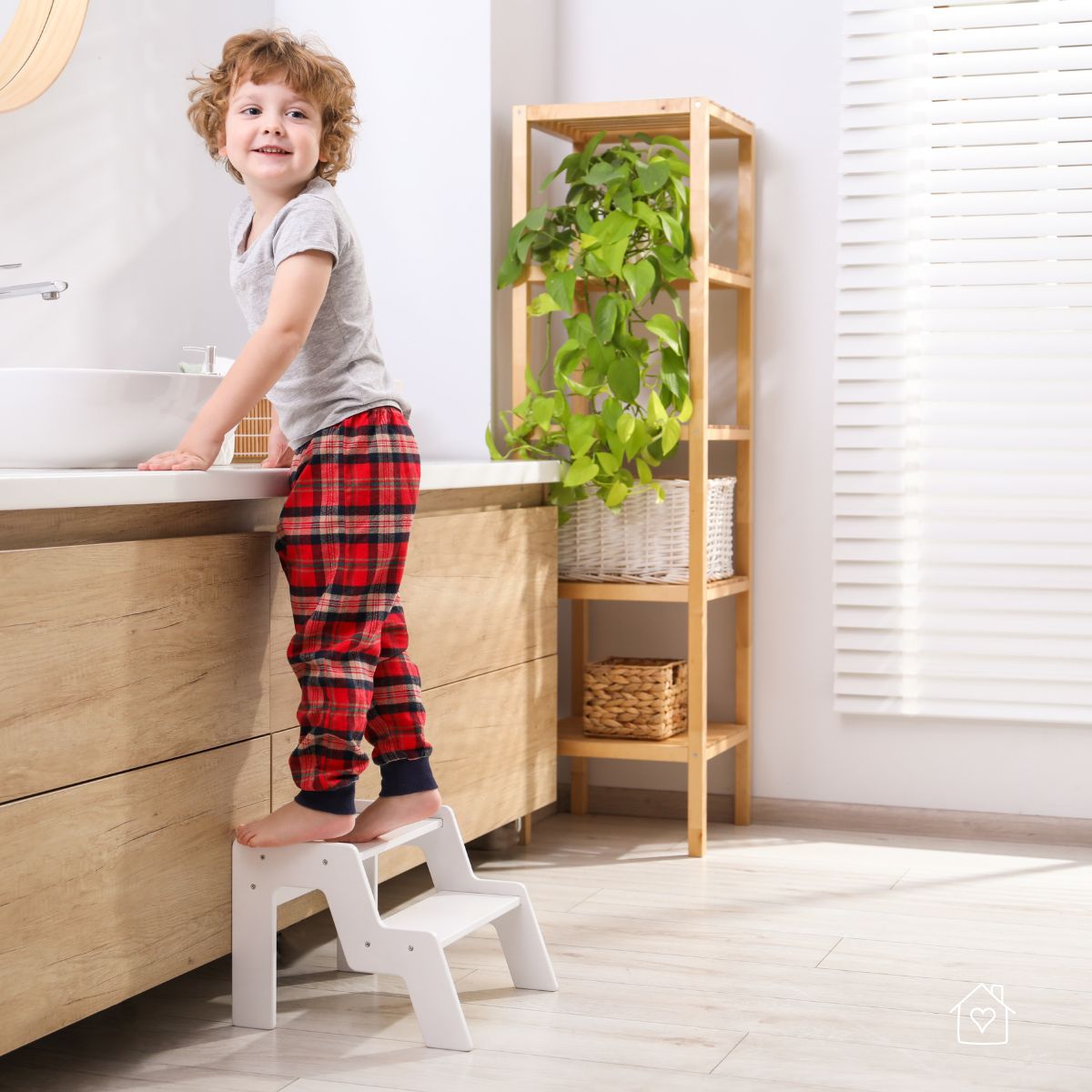
In the kitchen, create a child-accessible drawer or cabinet with their own plates, cups, and utensils. A small, sturdy stool can help them reach the sink to wash their hands or assist with simple food preparation tasks. In their bedroom, organize clothes in low drawers or on low-hanging rods so they can start dressing themselves.
Choose Durable and Forgiving Materials
Kids are messy, so selecting the right materials for your furniture and decor can save you a lot of stress and
For flooring, durable options like laminate, vinyl, or hardwood are preferable to wall-to-wall carpeting, which can trap allergens and stains. Area rugs can add softness and color to a room and are much easier to clean or replace than an entire carpet. When it comes to walls, a satin or eggshell paint finish is more durable and easier to wipe than a flat finish. These options make it easy to clean off fingerprints, crayon marks, and other creative expressions.
Designate Zones for Play and Quiet Time
While it is essential for kids to feel welcome throughout the home, creating designated zones for different activities can help maintain order and sanity. A dedicated play area, whether it is a corner of the living room or a separate playroom, contains the toy clutter and gives children a space that is all their own. Equip this area with comfortable flooring, like a soft rug or foam mats, and plenty of organized storage. Here are some ideas for these zones:

- A cozy reading nook with a small bookshelf, a comfy chair or beanbag, and good lighting can encourage a love of books.
- An art station with a small table and chairs, stocked with paper, crayons, and washable paint, which allows creative expression without making a mess of the dining table.
- A quiet corner with soft pillows and blankets can be a retreat for when your child needs some downtime.
Establishing these zones helps children understand that there is a time and place for different activities, from energetic play to quiet relaxation. It also helps protect the rest of your home from becoming a chaotic free-for-all.
Involve Your Kids in the Process
One of the best tips for creating a child-friendly home is to involve your kids in the design and organization process. Letting them have a say in their environment gives them a sense of ownership and pride in their home. Allow them to pick out their bedding, choose a paint color for an accent wall, or select a piece of art for their room.
When organizing, ask for their input on where their toys should go. This involvement makes them more likely to stick to the system and take care of their belongings. Even young children can help with simple tasks, like putting toys in a bin or placing books back on a shelf. By making them part of the process, you are not just creating a functional space; you are teaching them responsibility and making them feel valued members of the household.
Creating a Harmonious Family Home
Building a child-friendly home is an ongoing journey of adapting your space as your children grow and their needs change. By prioritizing safety, encouraging independence through organization, choosing durable materials, and creating designated activity zones, you can craft a home that works for every family member.
A home that supports both the playful energy of children and the need for order and style for adults is the ultimate goal. The result is a welcoming, functional, and loving environment where your family can flourish together for years to come.