Japanese Garden Elements You Can Incorporate in Your Home
The ancient art of Japanese garden design offers a profound sense of tranquility and a deep connection to the natural world that few other landscape styles can match. For centuries, these spaces have served as sanctuaries for meditation, reflection, and the appreciation of subtle beauty found in nature's most basic forms. While the prospect of creating a full-scale traditional garden might seem daunting to the modern homeowner, the philosophy behind these spaces remains accessible to anyone willing to observe and learn.
It is not about rigid adherence to historical rules but rather about understanding the spirit of the landscape and how distinct elements interact to form a cohesive whole. You do not need acres of land or a team of professional landscapers to capture the essence of this timeless aesthetic in your own private sanctuary. Even a small courtyard or a modest corner of a backyard can undergo a transformation into a peaceful retreat through the thoughtful application of key design principles.
The goal with these Japanese garden elements you can incorporate into your home is to create a space that feels discovered rather than constructed. From the strategic placement of stones to the gentle sound of water, each element serves a specific purpose in building a harmonious atmosphere. These features invite a sense of calm and balance into your daily life, creating a refuge from the noise of the outside world.
*This post may contain affiliate links and I'll earn a commission if you shop through them. You can read my full disclosure here.
The Significance of Stone Arrangements
Rocks serve as the permanent bones of the garden and anchor the entire design scheme. They represent mountains or islands and provide a sense of stability amidst the changing seasons. You should select stones with weathered faces to imply they have sat there for ages.
Position your rocks in odd numbers to create a natural and asymmetric look for viewers. Buried bases make the stones appear rooted in the earth rather than just placed. This technique ensures the arrangement feels permanent and connected to the ground beneath it.
Paths and Walkways
Paths dictate the pace at which you move through the space and observe nature. They encourage you to slow down and notice the small details around your feet. Stepping stones force a specific stride that keeps your focus on the immediate present.
Design the walkway to curve and disappear behind plants to create a sense of mystery. This technique makes the garden appear larger to the observer. It invites exploration and promises discoveries around every bend in the winding path.
Water Features and Ponds
Water introduces life and movement to the garden while reflecting the sky above it. It symbolizes the relentless passage of time and the continuous flow of nature's energy. Even a small basin can evoke the vastness of the ocean or the quiet of a lake.

A Koi pond is the best way to balance beauty and nature; it will make any space feel relaxing and peaceful. To enhance a Koi pond, you must learn how to choose between a pond fountain and a waterfall; this will dictate the soundscape and visual flow of your personal sanctuary. Clear water allows you to see the fish and adds a layer of depth.
Lanterns and Stone Basins
Stone lanterns provide a subtle glow that illuminates the path for evening contemplation walks. They often stand near water features to create a beautiful reflection on the surface. These architectural elements add a human touch without overwhelming the natural beauty of plants.
Water basins offer a place for ritual cleansing before you enter the tea ceremony. You can use them to wash your hands and symbolically wash away the world. They invite birds and wildlife to visit your garden and add life.
Bridges and Crossings
Bridges symbolize the transition from one world to another or from the mundane to the sacred. They often arch over water to allow boats to pass or just for aesthetics. The structure should complement the landscape rather than dominate the view of the garden.

Red bridges are famous, but natural wood or stone often fits better in home gardens. The material choice depends on the formality of the rest of your landscape design. Ensure the bridge connects two distinct areas to give the crossing a real purpose.
Bamboo Fences and Gates
Bamboo offers a natural texture that blends seamlessly with the surrounding plants and trees. Fences define the boundaries of your sanctuary and block out the distractions of neighbors. They provide a neutral backdrop that makes the green foliage pop in the foreground.

Gates mark the entrance to your inner world and signal a change in your mindset. You must maintain bamboo structures regularly to prevent rot and keep them looking fresh. This effort rewards you with a beautiful and authentic boundary for your private space.
Moss and Ground Cover
Moss creates a soft, velvety carpet that evokes age and stillness in the garden. It thrives in shaded areas where grass struggles to grow and requires constant moisture. This ground cover unites the different elements and softens the hard edges of rocks.

Cultivate moss on stones and soil to give the impression of an ancient forest floor. You must keep the area damp and free of debris for the moss to thrive. It offers a lush green hue that remains vibrant even in the depths of winter.
Pruned Trees and Shrubs
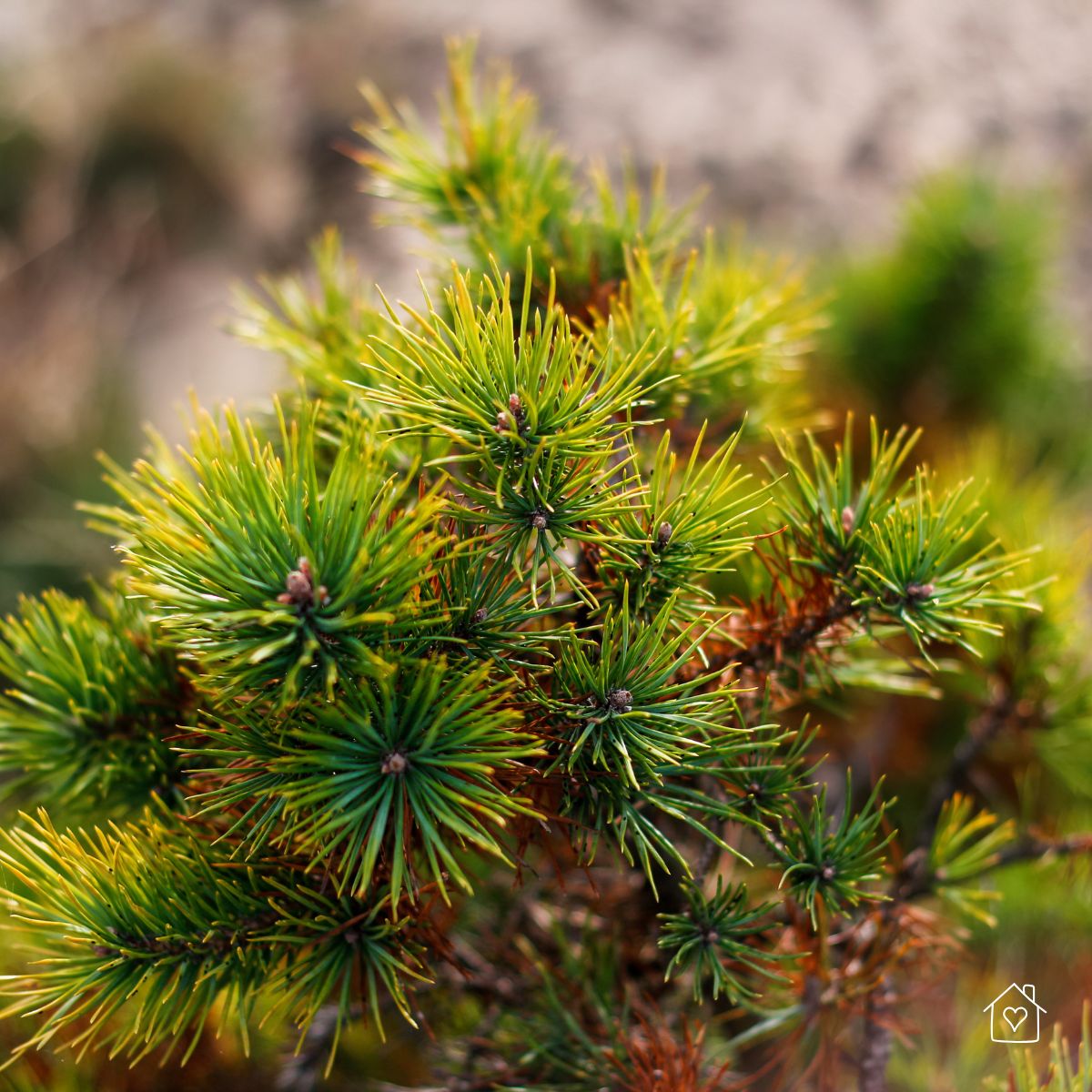
Pruned trees look older than they are, and fit the scale. The pine tree represents longevity and strength against the harsh winds of winter storms. You prune them to reveal the trunk structure and create distinct pads of foliage.

Maples provide seasonal color changes that mark the passage of time. Their delicate leaves catch the light and create intricate patterns on the ground below. Proper care ensures these trees remain the focal point of your garden for decades.
Sand and Gravel Gardens
Raked gravel represents water in dry landscapes and offers a place for deep meditation. The patterns mimic ripples on the ocean surface or waves crashing against a rocky shore. This element requires minimal water but demands regular maintenance to keep the lines crisp.

White gravel reflects moonlight and brightens up the shaded corners of your outdoor living space. You use a heavy rake to create the grooves that define the water patterns. It provides a stark contrast to the dark rocks and green moss nearby.
Incorporating Japanese garden elements into your home landscape is a journey of continuous refinement and observation. It is about cultivating a relationship with the natural world that fosters peace and mindfulness.
Whether you choose to install a full Koi pond or arrange a few rocks with intent, the result is a personal sanctuary that reflects your appreciation for nature's subtle beauty. As the seasons change, your garden will evolve, offering new perspectives and deeper tranquility with each passing year. The goal is to create an environment where the spirit can rest, and the mind can find clarity in the quiet embrace of nature.