Seasonal Home Maintenance Checklist: Keep Your House in Top Shape Year-Round
Owning a home is exciting, but it comes with responsibility, too. One of the biggest responsibilities is regular maintenance throughout the year. While it can be challenging and time-consuming, breaking tasks into seasonal chunks makes everything easier to manage. This guide helps you stay on track every season, stress-free and prepared. Keep reading to learn more.

*This post may contain affiliate links and I'll earn a commission if you shop through them. You can read my full disclosure here.
1. Spring: Starting Fresh and Deep Clean
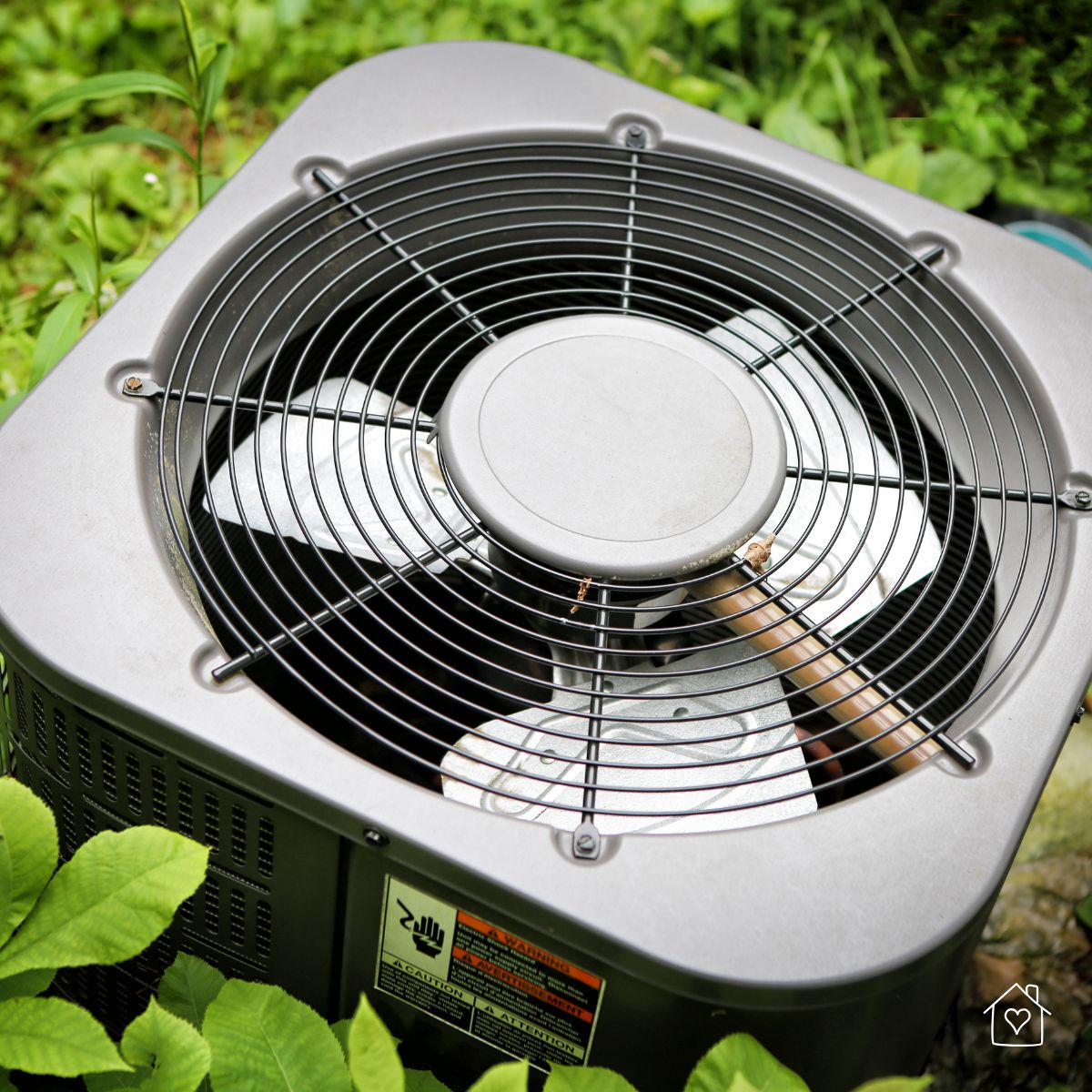
Spring is the perfect time to freshen up and check for winter damage. Start by inspecting your roof and siding. Snow, wind, and ice can cause cracks or loosen materials. Open windows to let fresh air in and clean the tracks to remove built-up dirt. Service your air conditioning unit now before the summer heat arrives. If you live around Wisconsin, you can hire the help of Waukesha Air Conditioning professionals for this step.
Additionally, air filters should be replaced to improve indoor air quality and airflow. Look for signs of pests in hidden areas like attics or basements, as they often shelter there in colder months. Clean and reseal decks, patios, and outdoor furniture to get them ready for warm weather use.
Finally, test your sprinkler system and garden hoses for leaks or clogs so your yard stays healthy and green. These steps keep your home comfortable and prevent minor issues from becoming expensive problems.
2. Summer: Enjoying the Outdoors
Summer is the ideal season to maintain your home's exterior when the weather permits. Prune trees and shrubs, particularly those close to the roof or the windows, to avoid storm damage and pest entry. Check outdoor play equipment and fences to intercept any safety threats in advance.

Don't forget to pressure wash siding, decks, and walkways. This will help clean accumulated grime and keep curb appeal looking its best. Organize the garage, put away seasonals, and scrub lawn equipment to improve efficiency and organization. Test plumbing for leaks under sinks or toilets; unattended leaks waste water and increase bills. Lastly, sharpen mower blades and clean gardening tools to maintain your landscaping productivity.
3. Fall: Preparing for Cold Weather
Fall is the best time to prepare your home for winter. Get started by
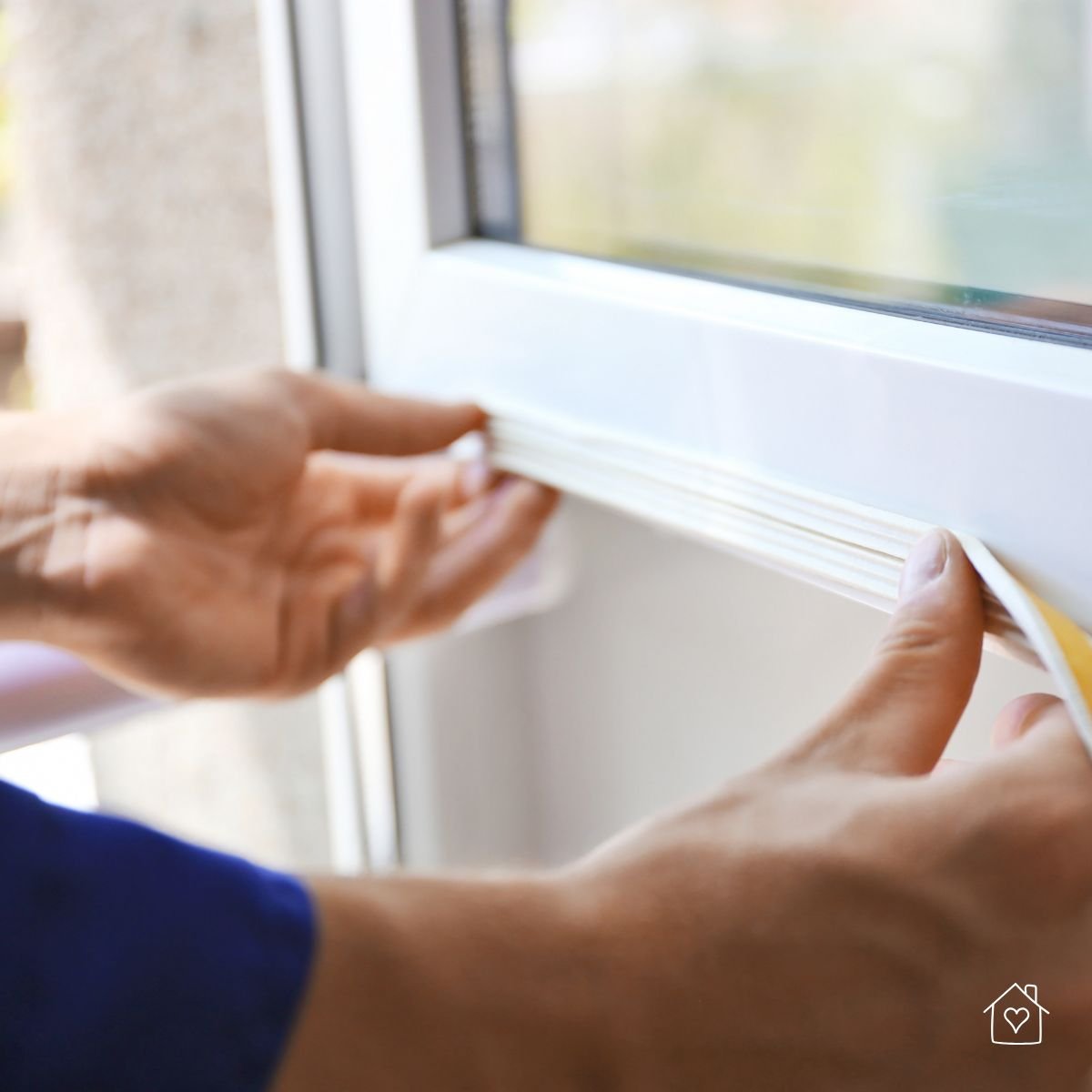
Next, check your roof for missing shingles, soft spots, or leaks. Seal windows and doors to stop cold air from sneaking in. Drafts increase heating bills and make rooms feel colder. Consider calling a professional to service your furnace before the cold hits. Furnaces work hardest in winter, and breakdowns during freezing weather are costly. If you have a fireplace, clean the chimney before using it as well.
4. Winter: Keeping Warm and Safe
Winter can be harsh on your home and budget, so preparation matters. Firstly, test your smoke and carbon monoxide detectors because winter heating increases fire and gas leak risks. Replace batteries and check alarms monthly to stay safe. Insulate exposed pipes to prevent freezing and costly bursts.
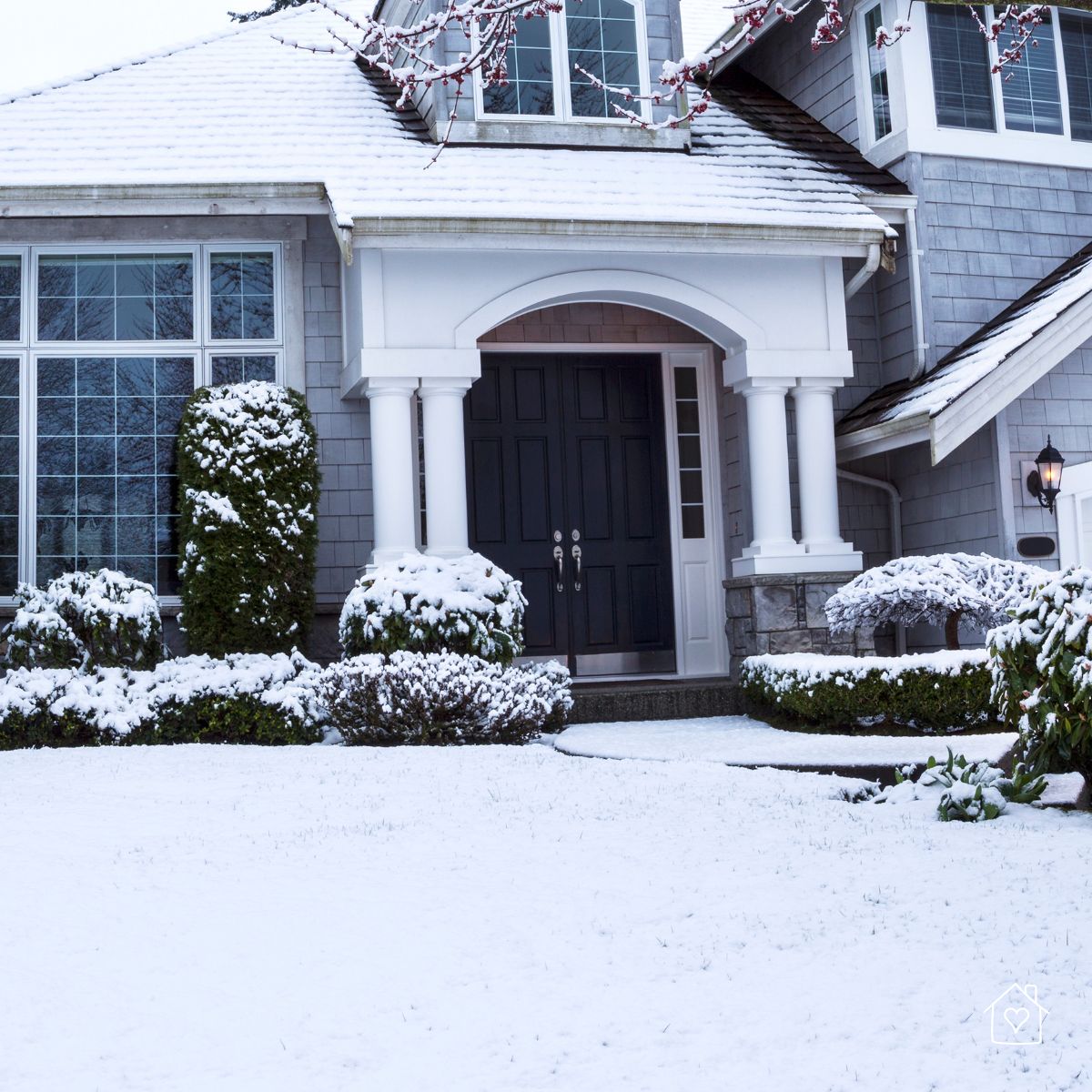
Check weather stripping around doors and windows to stop heat from escaping. Keeping salt or sand handy to safely de-ice icy steps and paths is also important. Lastly, restock your emergency kits with flashlights, blankets, batteries, and other winter essentials in case of power outages.
Endnote
Seasonal maintenance may be a nuisance, but it pays off in the long run. Making small repairs now can avoid larger, more costly problems down the line. It keeps your home secure, comfortable, and energy-efficient throughout the year.