How to Use Fire Cement for High-Temperature Applications
Fire cement is a specialist material used wherever standard cement would fail under heat. It is specifically designed to cope with high temperature and extreme heat without breaking down, cracking or losing strength. You will most often find it in areas exposed to fire, such as fireplaces, stoves, ovens and chimneys, where ordinary mortar simply cannot cope.
Unlike general building products, fire cement is heat-resistant and hardens to form a durable, airtight seal. This makes it essential for both domestic and commercial use, especially in installations where safety and performance depend on reliable sealing. Whether you are fitting fire bricks, repairing a stove, or sealing joints around flue pipes, using the right heat-resistant cement is critical. Done properly, it helps maintain efficiency, prevents air leaks and reduces the risk of damage caused by repeated heating and cooling.
*This post may contain affiliate links and I'll earn a commission if you shop through them. You can read my full disclosure here.
Properties of Fire Cement and How It Works
Fire cement is formulated to withstand heat levels that would destroy conventional cement or mortar. Its performance comes from a combination of inorganic fillers and thermosetting resins, which allow it to set hard while remaining stable under extreme heat. Once cured, it becomes heat-resistant rather than flexible, which is why correct application is so important.
Most fire cement products are supplied as a ready mixed blend, making them easy to use straight from the tub or cartridge. This ready mixed format ensures consistent quality and reliable results, especially for smaller domestic jobs. When applied correctly, fire cement offers excellent adhesion to a wide range of surfaces, including brick, concrete, stone, and metal. Good adhesion is vital, as joints and seals are often exposed to constant changes in temperature.
Fire cement cures through exposure to air and heat. Initial curing usually takes place at room temperature, after which gradual heating allows the material to fully harden. It should not be exposed to direct sunlight during application, as this can cause uneven curing and lead to cracks. Once properly cured, however, a quality fire cement provides excellent adhesion, long-term resistance to heat and dependable performance in demanding conditions.
Common High-Temperature Applications

Fire cement is used in a wide range of applications subject to constant heat and direct exposure to fire. In domestic settings, it is most commonly found in fireplaces, stoves and log burners, where it is used to bed fire bricks, secure fire grates and seal gaps that would otherwise allow air to leak into the system. These installations rely on materials that can cope with high temperature without breaking down over time.
Another key area of use is around chimneys, flues, and flue pipes. Fire cement is ideal for sealing joints between flue bricks and metal components, creating a reliable, airtight seal that helps control airflow and improves efficiency. In boilers and ovens, both domestic and commercial, it is often used to repair cracks, secure brick linings and seal areas exposed to repeated heating cycles.
Beyond the home, fire cement is widely used in commercial environments, including workshops, catering kitchens and industrial heating systems. These settings place greater demands on materials due to higher operating temperatures and longer periods of use. Whether working with brick, concrete, stone or metal, fire cement provides a heat-resistant solution that maintains strength and stability even when exposed to extreme heat.
Sealing and Joint Work: Where Fire Cement Is Most Effective
One of the most important uses of fire cement is sealing joints in high-temperature installations. Poorly sealed joints allow air to enter systems where it is not wanted, reducing efficiency and increasing wear. Fire cement is specifically designed to prevent this by forming a solid, heat-resistant seal once cured.
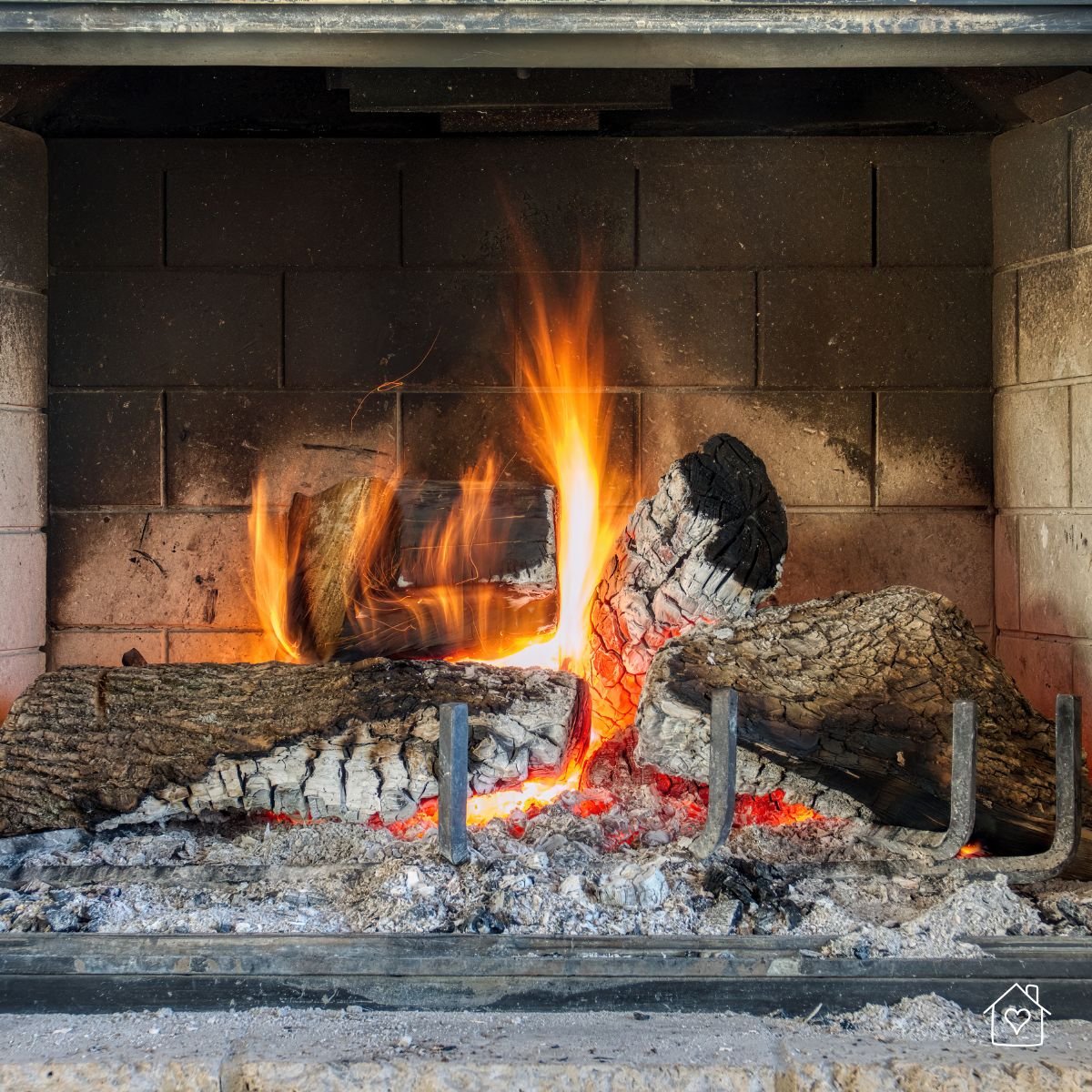
Sealing joints around flue pipes and flues is a common task, particularly where metal meets brick or flue bricks. These areas are subject to movement caused by heat expansion, so good adhesion is essential. A quality fire cement offers excellent adhesion to both porous and non-porous surfaces, helping joints remain secure even as temperatures rise and fall.
Fire cement is also used to seal gaps in fireplaces and stoves, where maintaining an airtight seal is critical for safe operation. By properly sealing joints, you reduce the risk of smoke leakage, improve heat control and extend the life of the surrounding materials. In both domestic and commercial installations, careful joint sealing is not just about performance, but about long-term safety and reliability.
How to Apply Fire Cement Correctly
Correct application is essential if fire cement is to perform as intended. Before you apply anything, all surfaces must be thoroughly prepared. Remove loose material, old mortar, dust and grease, as these will prevent good adhesion. The surface should be clean and dry, but slightly roughened surfaces often help the cement bond more effectively.
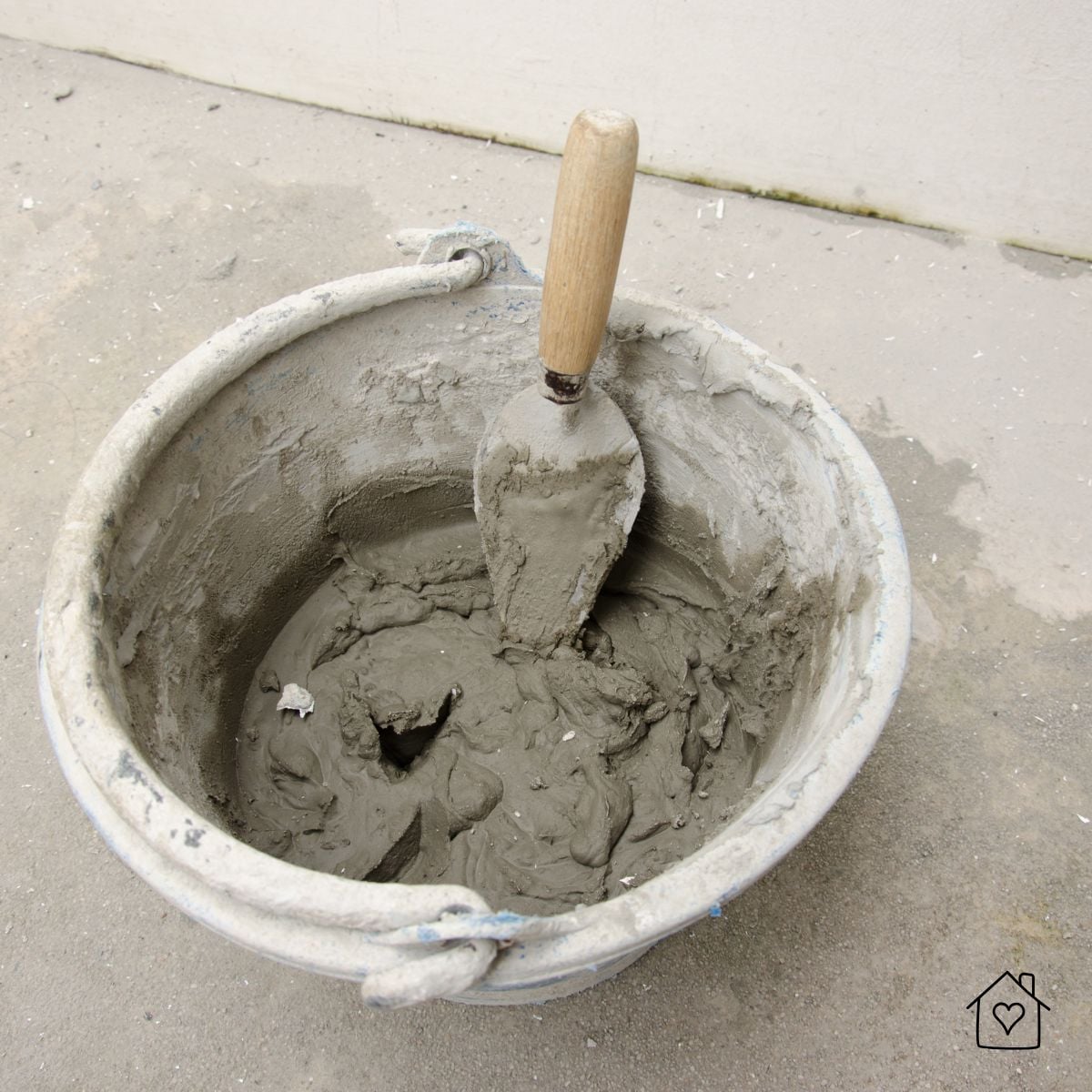
Most fire cement is supplied ready mixed, either in a tub or cartridge with a nozzle, making it straightforward to apply. Cut the nozzle to suit the width of the joint and apply the cement evenly, pressing it firmly into place. Take care to fully fill joints, especially where brick meets metal or around flue pipes. For larger gaps, build the cement up in layers rather than trying to fill everything at once.
Once applied, smooth the surface and remove excess material before it begins to set. Allow the cement to cure naturally, following the manufacturer's guidance. Initial curing takes place in air, after which gentle heat can be introduced to complete the process. Avoid rapid heating, as this may cause cracks. When applied correctly, fire cement creates a strong, durable seal suitable for high-temperature environments.
Repairing, Maintenance and Safety Considerations
Fire cement is commonly used for repairing damaged areas in fireplaces, stoves, and chimneys. Small cracks in joints or around fire bricks can often be repaired quickly, preventing further deterioration and avoiding more costly work later. Regular inspection of exposed areas helps identify problems early, particularly in systems subject to frequent heating and cooling.
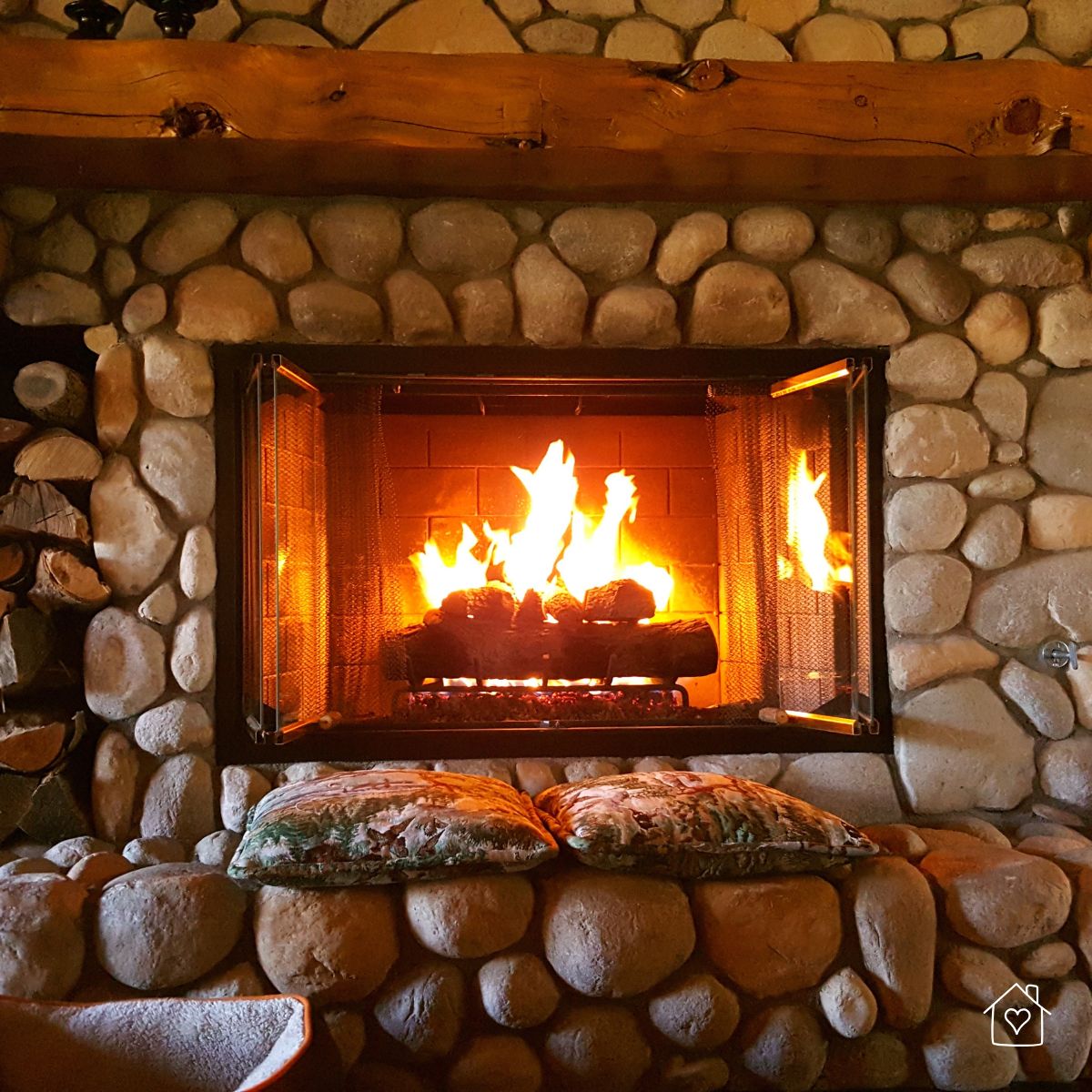
Ongoing maintenance is important in both domestic and commercial installations. Over time, joints may degrade due to repeated exposure to heat and air movement. Resealing with fire cement helps maintain performance and safety, especially around flues and boilers where airtight seals are essential.
Safety should always be a priority. When working with older installations, be aware that some materials may contain asbestos and should not be disturbed without professional advice. Wear suitable protection to avoid inhaling dust and follow all product instructions carefully. Used correctly, fire cement is a reliable and resistant material that supports safe operation and long-term durability in high-temperature applications.
Product Types, Packaging, and Practical Buying Tips
Fire cement is available in several formats, each suited to different tasks. For most domestic jobs, a ready mixed product is the most practical choice. Supplied in a tub or cartridge, it can be applied straight from the pack with minimal preparation. This makes it ideal for small repairs, sealing joints or fitting fire bricks without the need for mixing on site.
When choosing a product, check the weight and coverage, usually listed in kg, to make sure you have enough for the job. It is also worth reviewing the manufacturer's guidance on maximum temperature resistance and suitable surfaces. Higher quality products tend to offer better adhesion and longer service life, especially in areas exposed to continuous heat.
Before buying, confirm stock availability and delivery options, particularly if the cement is needed urgently. Reading a recent review can help identify reliable products, while clear labelling and technical details are often a good sign of consistent quality.
Commercial Context and Ordering Considerations
In commercial settings, fire cement is often ordered in larger quantities to cover an extended project list. Installations in commercial kitchens, workshops or shared heating systems demand materials that can cope with constant use and higher operating temperatures.
When ordering online, the process is typically straightforward: select the correct product, add to basket, review the basket and confirm delivery details, including address and contact information. For larger or specialized orders, it may be sensible to send a request or contact the supplier directly to confirm suitability. Reliable technical support and clear product documentation are particularly valuable in commercial applications.
You can find various heat-resistant materials at Vitcas.
Conclusion: Key Benefits and Best Practices
Fire cement plays an essential role in any installation exposed to high temperature or direct fire. Its heat-resistant properties, excellent adhesion and ability to form an airtight seal make it suitable for a wide range of domestic and commercial applications, from fireplaces and stoves to boilers and flues.
The key to success lies in choosing the right product, preparing surfaces properly and allowing adequate curing time. Regular inspection and maintenance help prevent cracks and extend the life of joints and seals. By following best practice and using quality materials, fire cement provides a safe, durable and reliable solution wherever extreme heat is part of the environment.