Cost-Effective and Sustainable Ways to Redecorate Your Home
It's natural to want to refresh your home's furniture and décor every so often. Styles, seasons, and tastes evolve, and rearranging your home to accommodate these changes can make a space feel more comfortable and personal. You may be tempted to head to a furniture store or toss out your current décor to get started, but you might already have just what you need. Before spending big bucks, consider learning how to affordably and sustainably revitalize your home's interior.

*This post may contain affiliate links and I'll earn a commission if you shop through them. You can read my full disclosure here.
Repurpose What You Have
While your current décor or furniture may not work as is, you can repurpose it to suit your needs better. Embroider the tears on your couch into a beautiful new design. An outdated nightstand can be repainted and refinished to shine like new. Dining chairs can be converted into tree swings or combined into a garden bench. Turn a bucket into a planter or drawers into chic shelving. The more creative you are, the more uses you can find for upcycling furniture or décor you no longer need.
Make It From Scratch
Handmade items provide a sentimental value and personal touch that you can't find in a store. If you enjoy crafts such as woodworking, painting, or knitting, you can create a wide range of furniture and decorations yourself. Paint a beautiful landscape to hang in the hallway. Carve a rocking chair from natural wood. Knit some seasonal throw pillows. Handmade options ensure that you're not wasting any materials excessively or using harmful toxins. If you're not crafty, consider supporting local crafters or artisans to find handmade décor or furniture. Make sure you understand where they obtain their materials. I found custom furniture near me that uses all-natural wood and adheres to zero-waste practices. You'll have to spend some extra money if you don't make it yourself, however.
Go Secondhand
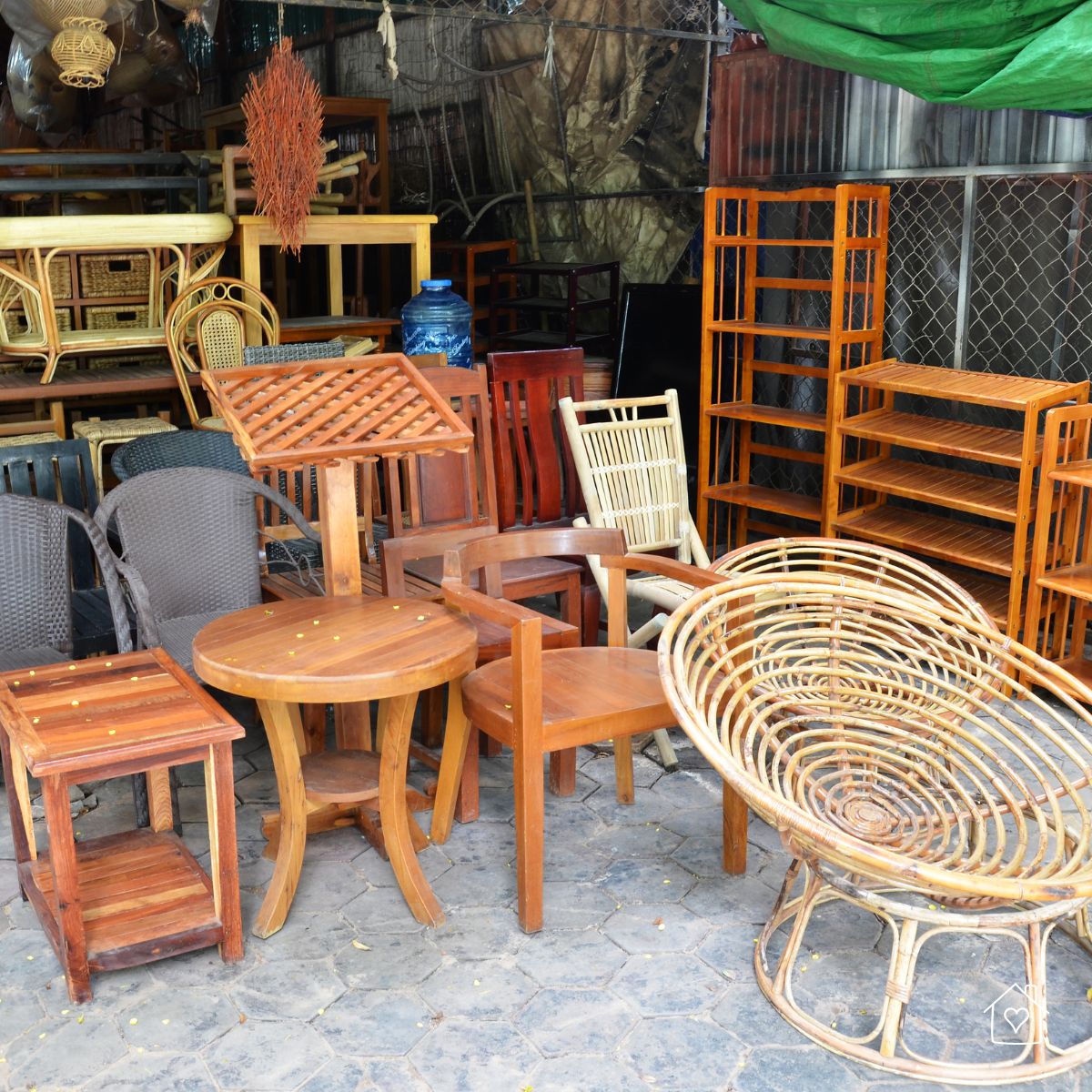
If you want to save money and reduce waste, consider opting for used items. Secondhand or vintage stores can offer you a wide selection of gorgeous and authentic pieces at incredible prices. Since you're simply giving furniture a new home, you don't have to worry about wasting new materials or contributing to "fast furniture" practices. You can also peruse yard sales, estate sales, or online marketplaces to see if any decor or furniture pieces need a new home. Some may even give away items for free!
Use Natural or Non-Toxic Materials
Whether you're crafting, repurposing, or buying secondhand, ensure you know the materials you're working with. Harmful plastics and synthetic woods typically do not last long and often end up in landfills. Plastic materials contribute to substantial environmental pollution. Toxic paints or finishes can pollute the air or pose a health hazard in your home. Opt for natural ingredients that are free from volatile organic compounds. Know the origin of your materials and supplies to choose ethical and sustainable supply chains whenever possible.
Minimize Waste
The purpose of recycling, reusing, and upcycling is to reduce waste that ends up in landfills or as pollution. If you're crafting furniture, don't buy more materials or supplies than you need. Skip as many single-use items or plastic materials as possible. Try to avoid throwing out usable materials or furniture pieces; repurpose them whenever possible. You don't need to hold onto trash, but you also don't want to contribute unnecessary waste that hurts the environment. A healthy balance is key.
Trade With Others
If you can't think of a good way to repurpose the furniture or décor in your home, you may want to ask neighbors or friends for ideas. They may have an idea for your pieces, and you can see what they're willing to trade in return. Instead of spending money, you can swap out furniture or décor that better fits your needs. Both parties can declutter and redecorate without wasting materials or money. You may be able to find more community members willing to trade online in local city groups or seller marketplaces.
Skip Fast Furniture
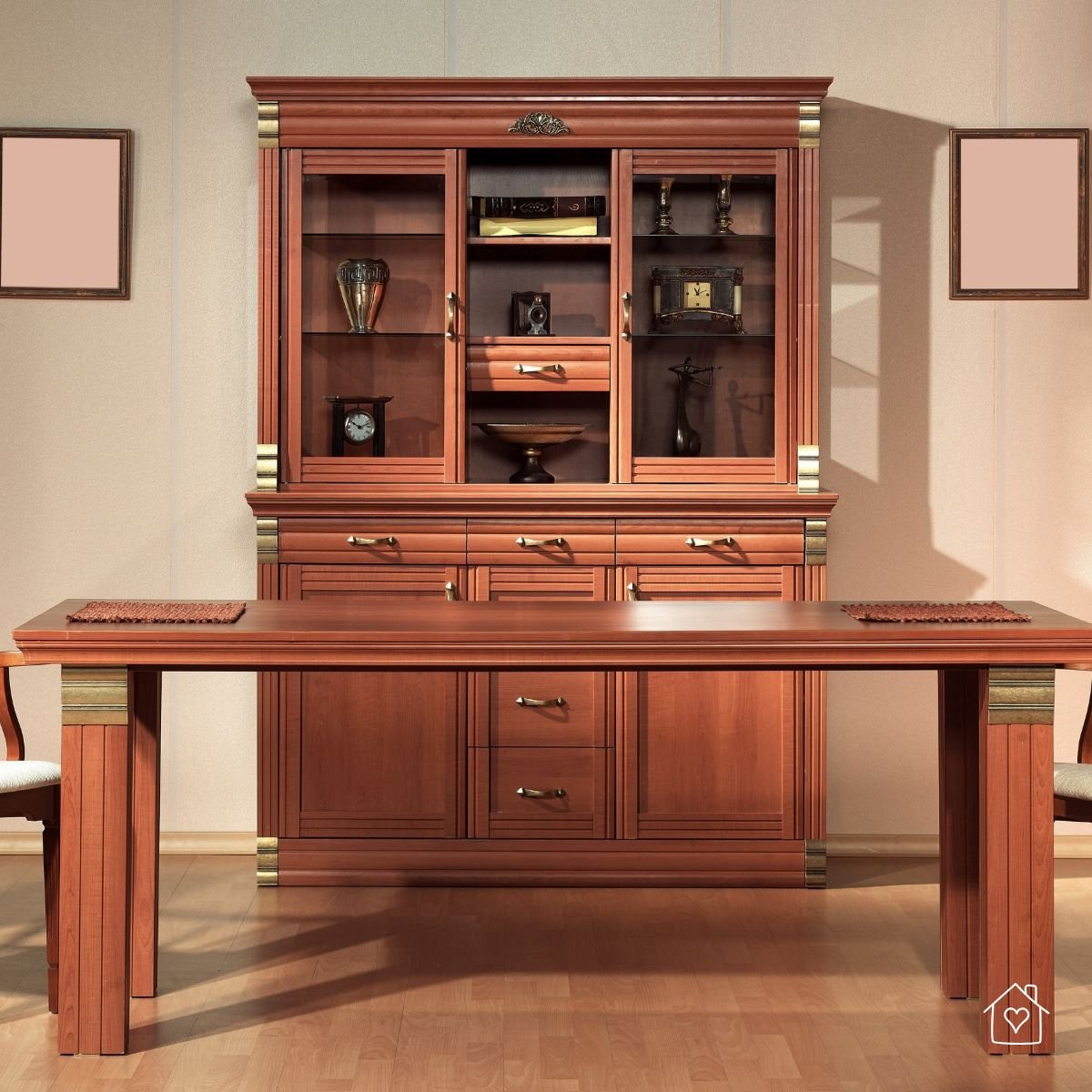
The internet can be a valuable resource for various purposes, including home décor. You'll want to be careful where you buy décor from, however. Many online retailers sell décor or furniture at attractive, low prices that are often made from wasteful materials, sourced from unethical supply chains, and characterized by poor craftsmanship. Not only will these pieces likely lack style in your home, but they also won't last long. These fast reproductions utilize inexpensive materials and cut corners during production to minimize costs, often at the expense of quality and durability. Many cheap, "fast" furniture pieces last less than a year, unnecessarily overflowing landfills.
Conclusion
You don't have to spend a ton of money or resources on redecorating your home. You might even be able to create some great new looks by repurposing the furniture you already have. Try to get creative and craft, paint, or redesign the current décor in your home. If you don't have an eye for crafts, trade some pieces with friends or purchase some ethical, waste-free handmade furniture. Avoid fast furniture and excessive material waste by big-box retailers to practice sustainability. With some time and creativity, you can redecorate for any budget or style.