Garage Door Maintenance Tips Every Homeowner Should Know
When Your Garage Door Decides to Quit: A Homeowner's Guide to Avoiding Costly Repair Nightmares
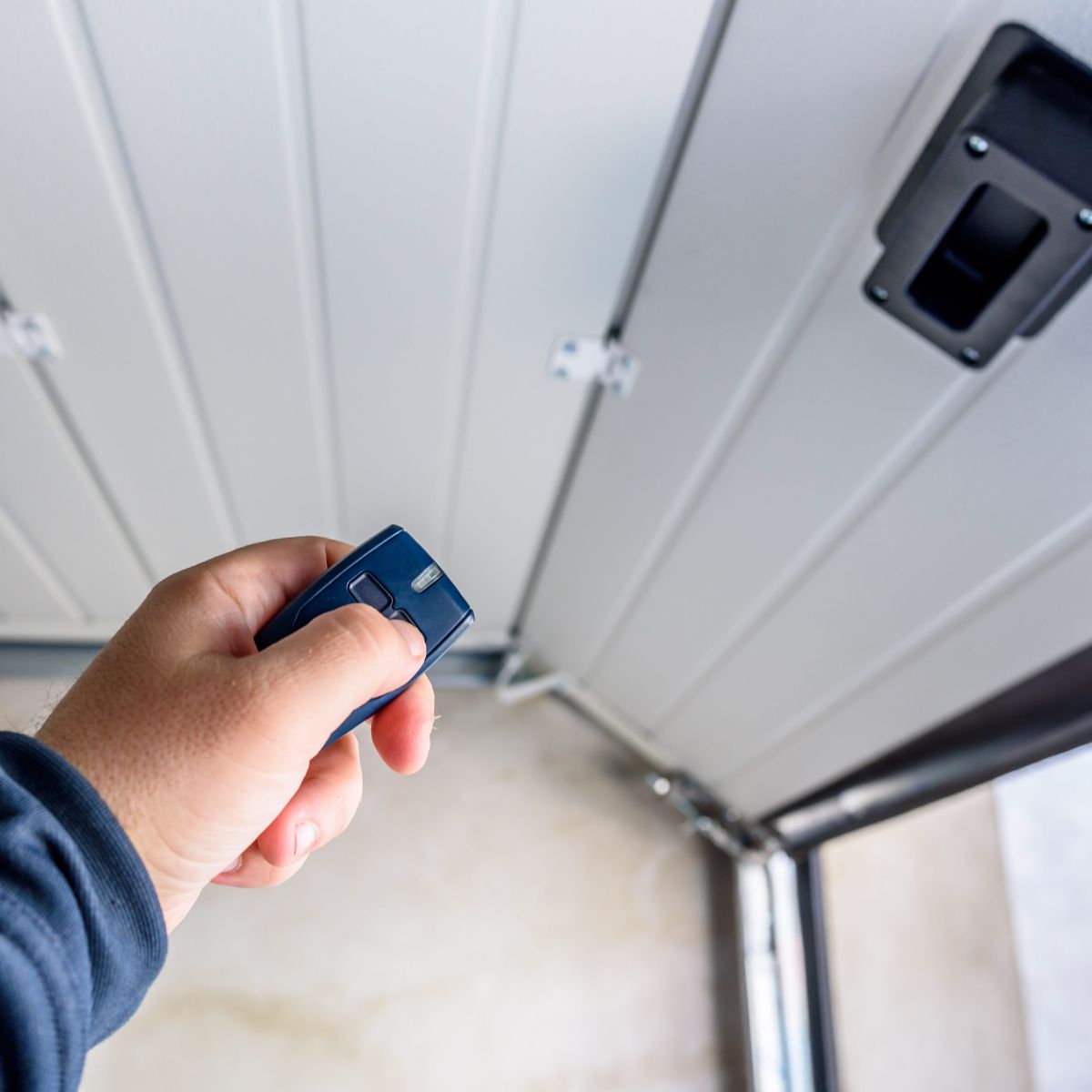
Ever had one of those mornings where you're already running late, you hit the garage door button, and absolutely nothing happens? Or worse - the thing starts going up but makes this awful grinding noise that sounds like it's auditioning for a horror movie? Yeah, we've all been there, and it's never fun.
Here's something most folks don't realize until it's too late - your garage door is actually one of the hardest-working parts of your entire house. Think about it for a second. That door goes up and down multiple times every single day, dealing with whatever crazy weather gets thrown at it, and most of us never give it a second thought until something goes seriously wrong.
The thing is, garage door problems don't usually happen overnight. They give you warning signs - little hints that something's not quite right. But because we're all busy juggling a million other things, we tend to ignore those signs until we're stuck in the driveway with a door that won't budge and we're late for work. Sound familiar?
*This post may contain affiliate links and I'll earn a commission if you shop through them. You can read my full disclosure here.
Why Garage Doors Break Down More Often Than You'd Think
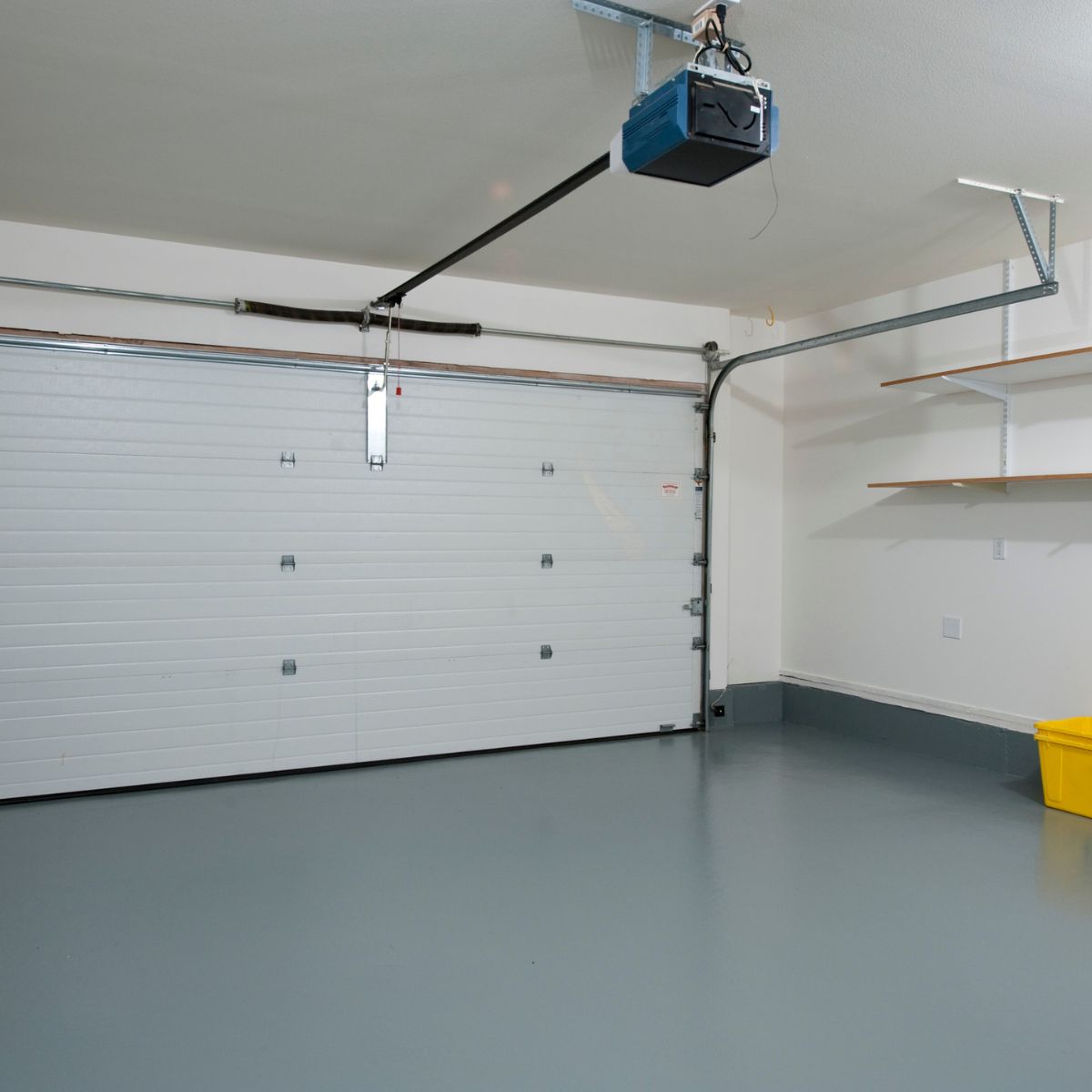
Let's get real about what's actually happening with your garage door. This isn't just a simple piece of metal or wood that slides up and down. We're talking about a complex mechanical system with springs that hold massive amounts of tension, cables that could snap if they're worn out, tracks that need to stay perfectly aligned, and an opener with more electronic components than some people's cars.
And where do most of us live? In places with actual weather. Hot summers that make metal expand. Freezing winters that make everything contract and get brittle. Rain that causes rust. Humidity that messes with electronic components. Your garage door is basically fighting the elements every single day while also doing its job of going up and down probably ten or fifteen times daily.
What typically starts going wrong first:
Your springs are usually the first casualties. These things are under crazy tension - we're talking hundreds of pounds of force. They're rated for a certain number of cycles, and once they hit that number, they're living on borrowed time. When they snap - and trust us, they will eventually - it's loud, it's sudden, and your door becomes a very heavy paperweight.
Then you've got rollers that start wearing out. You might notice your door getting louder or moving kind of jerky instead of smooth. That's the rollers telling you they're tired. Ignore that long enough and you'll be dealing with tracks getting damaged too.
The cables are another weak point that people forget about. These are what actually lift your door using the spring's power. If you see fraying or rust on those cables, that's not something to put on your "I'll get to it eventually" list. That's an "I need to deal with this now before someone gets hurt" situation.
And don't even get us started on garage door openers. Modern ones have circuit boards, sensors, and all kinds of electronic stuff that can glitch out. Sometimes it's as simple as the photo-eye sensors getting misaligned. Other times the whole motor assembly decides it's had enough.
The Real Cost of Ignoring Those Weird Noises
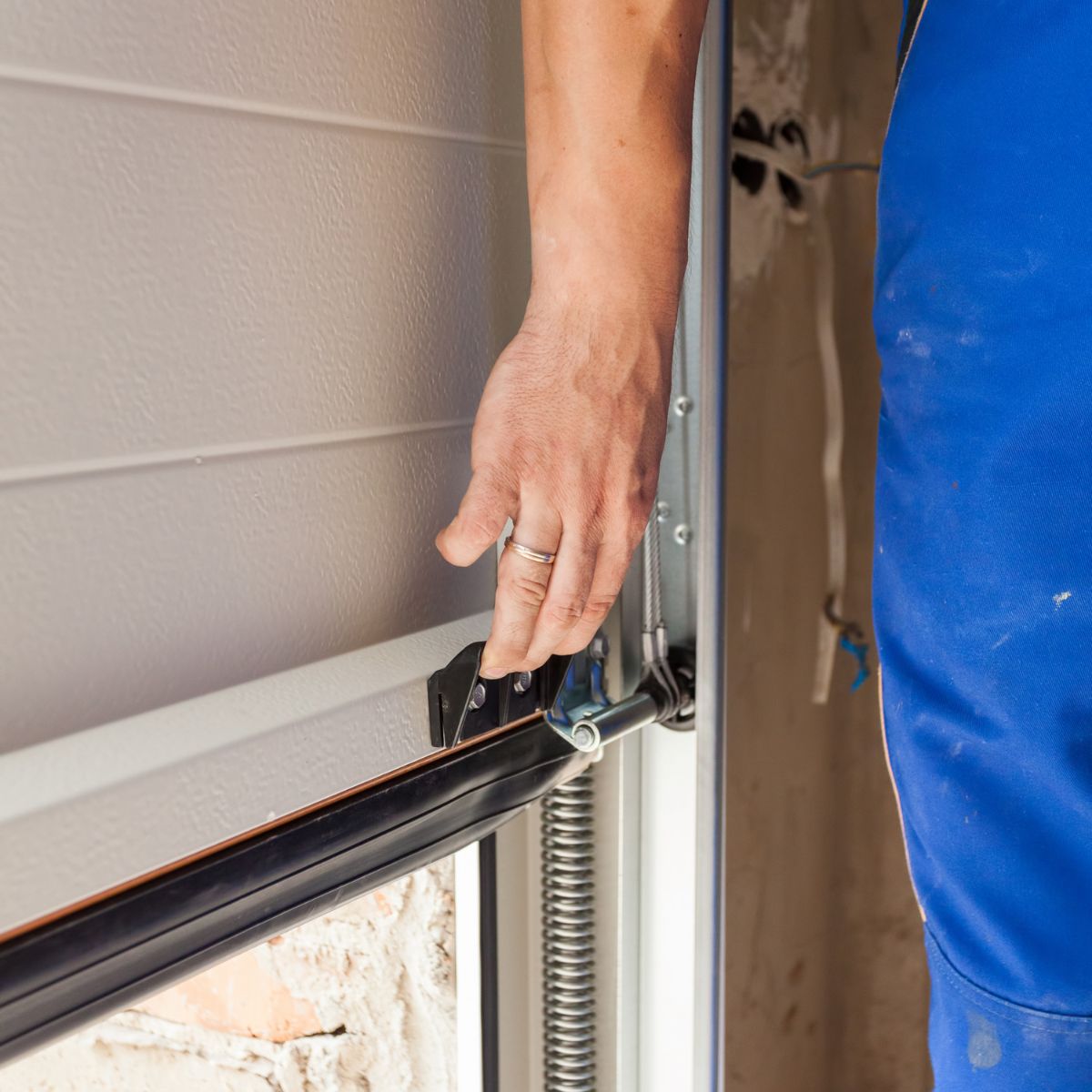
Okay so your garage door has been making this grinding sound for a few weeks now. Maybe it's struggling a bit when it opens. Perhaps it's not closing all the way unless you hold the button down. You keep telling yourself you'll call someone about it next week when things calm down.
Here's what usually happens next - that minor annoying problem turns into a major expensive disaster. That grinding noise? It was probably a roller bearing going bad. Now that it's completely failed, it's damaged your track. What could've been a simple roller replacement now involves track repair or replacement too. Congratulations, your repair bill just tripled.
Or maybe you've been ignoring those frayed cables. One morning you hit the button and hear a massive bang as the cable snaps. Now your door is sitting crooked, possibly stuck halfway, and you can't even get your car out. Plus, when cables fail, they can damage other components on their way out. What started as a cable issue might now involve spring problems, bracket damage, and who knows what else.
The domino effect is real:
Small problems create stress on other parts of the system. When one component is failing, other parts have to work harder to compensate. That accelerates wear across the entire system. Before you know it, you're not looking at fixing one thing - you're basically rebuilding half your garage door system.
And let's talk about safety for a minute because this stuff can get genuinely dangerous. Those springs we mentioned? They store enough energy to seriously hurt someone if they let go unexpectedly. Garage doors themselves are heavy - like really heavy. A door falling because of failed components can damage vehicles, belongings, or worse, people.
What Professional Maintenance Actually Involves
So what does it look like when someone who actually knows what they're doing takes care of your garage door? It's not just someone showing up, squirting some WD-40 on stuff, and calling it a day. Real professional maintenance is pretty thorough.
First off, they're gonna inspect every component visually. Springs for signs of wear or rust. Cables for fraying or damage. Rollers to see if they're still rolling smooth or if they're getting wobbly. Track alignment to make sure everything's still straight. Hardware to check for loose bolts that have vibrated loose over time.
Then there's the testing phase. They'll run your door through complete cycles while watching how everything moves. Is the door balanced properly? Do the safety sensors reverse the door when they detect an obstruction? Is the auto-reverse feature on the opener working correctly? These aren't just nice-to-have features - they're critical safety components.
Lubrication is actually more complicated than most people think. You can't just spray WD-40 on everything and call it good. Different parts need different types of lubricant. Springs need a specific garage door lubricant. Rollers need their bearings serviced. Chains or belts on openers need their own appropriate lube. Using the wrong stuff can actually make things worse.
Homeowners in the Chicago area face unique weather-related challenges - dramatic temperature swings, heavy humidity, and long, harsh winters. That's why working with specialists who truly understand local conditions can make a big difference. Local garage door experts like Firstline Garage Door Repair know which parts are most vulnerable in this climate and what preventative steps actually help equipment last longer in Chicago's real-world conditions.
Professional techs also adjust stuff that regular homeowners wouldn't even know needs adjusting. Spring tension needs periodic recalibration as springs wear. Limit switches on openers need fine-tuning. Safety sensor alignment needs checking. The force settings on your opener might need adjustment as the door ages and components wear.
DIY Maintenance You Can Actually Handle Safely
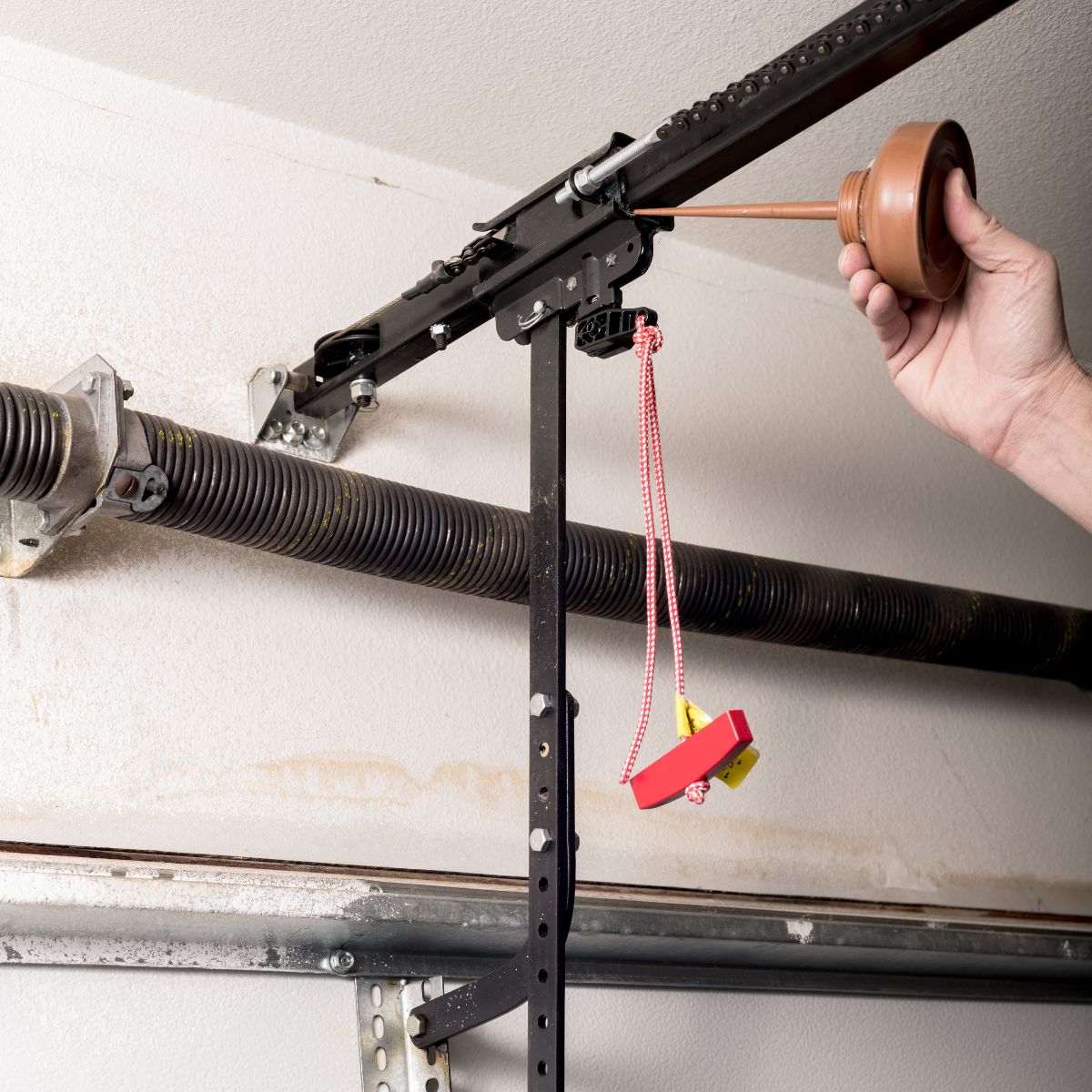
Now before you think you can't touch anything without calling a professional, there's definitely some basic maintenance you can and should do yourself. The key word here is basic - we're not talking about spring replacement or major repairs.
Monthly stuff you can knock out in like ten minutes:
Give everything a good visual once-over. Look at those springs - do you see any gaps or separations? Check the cables for fraying. Peek at the rollers - are any of them cracked or looking rough? These visual checks catch problems early before they become emergencies.
Listen to your door while it's operating. Seriously, just stand there and listen. A properly functioning garage door shouldn't sound like it's angry at you. Grinding, scraping, squealing - these are all your door's way of telling you something's wrong.
Test the auto-reverse feature monthly. Put something like a cardboard box in the door's path and try closing it. The door should reverse as soon as it touches the box. If it doesn't, that's a serious safety issue that needs immediate attention.
Keep your tracks clean. Dust, dirt, and debris accumulate there and can cause problems. A damp cloth wipes them down just fine. While you're at it, check that the tracks are still firmly mounted to the wall.
Quarterly maintenance that takes maybe thirty minutes:
This is when you do your lubrication routine. Get yourself some actual garage door lubricant - not WD-40, not
Tighten up any hardware that's worked itself loose. Garage doors vibrate, and that vibration gradually loosens bolts and screws. Walk around with a socket wrench and snug everything back up. Don't go crazy and overtighten - just make sure nothing's loose.
Check your weatherstripping. That rubber seal at the bottom of your door takes a beating. If it's cracked, torn, or has gaps, it's time for replacement. This is actually a pretty easy DIY fix that makes a noticeable difference in keeping weather and pests out.
Knowing When to Call in the Pros
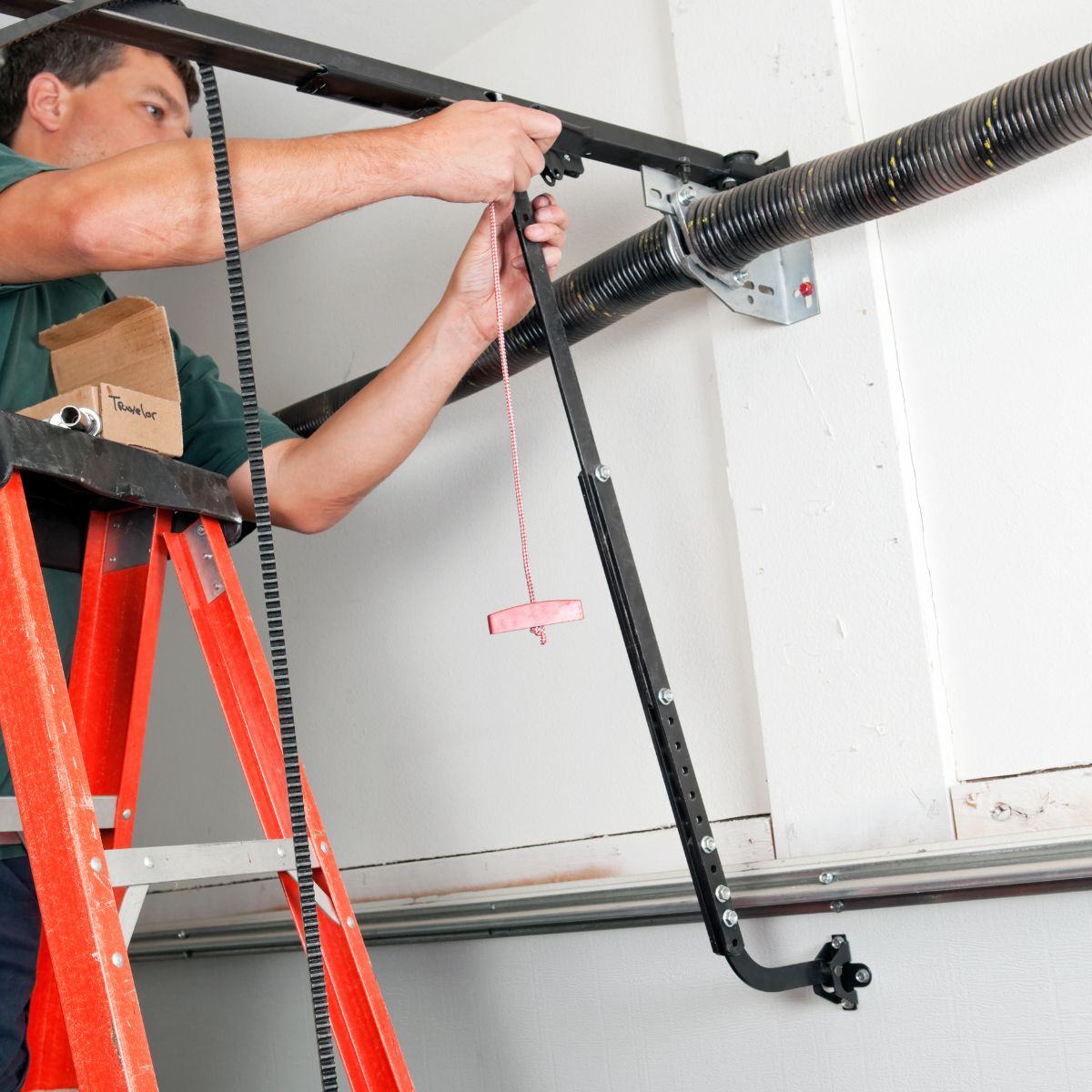
Here's where we need to have a serious talk about what you should absolutely not try to DIY. There's a difference between being handy and being reckless, and garage door spring replacement is firmly in the "call a professional or risk a trip to the emergency room" category.
Springs store massive amounts of potential energy. When they're under tension - which they always are when installed - they can cause serious injury if handled improperly. This isn't us being overly cautious. This is based on actual data about garage door injuries that happen every year when people think they can YouTube their way through spring replacement.
Cable replacement falls into the same category. Those cables are connected to springs and are under significant tension themselves. Plus, getting the cable routing wrong can cause the door to operate unsafely even if you manage to install them without getting hurt.
Anything involving the opener's electrical components is another area where professional help makes sense unless you're actually qualified to work with electrical systems. Modern openers have sensitive circuit boards and components that are easy to damage if you don't know what you're doing.
When seeking garage door repair in Bellevue, choose a qualified local technician who can inspect the entire system, not just the obvious problem, and explain which components require immediate attention.
Red flags that mean call someone today, not next week:
Your door won't open or close at all. Obviously this is a problem if you can't get your car out or if your garage is sitting wide open with all your stuff exposed.
You heard a loud bang and now the door is stuck or super heavy to lift manually. That was probably a spring breaking. Don't try to operate the door until a pro checks it out.
The door is sitting crooked or one side is higher than the other. This usually means a cable has come off or broken. Operating the door in this condition can cause more damage and is genuinely dangerous.
Your door reverses for no apparent reason or won't close all the way. While this might be a simple sensor issue, it could also indicate problems with the opener or other components that need professional diagnosis.
Creating a Realistic Maintenance Schedule That Actually Works
Most people have good intentions about home maintenance but terrible follow-through. Life gets busy, things slip through the cracks, and suddenly you haven't thought about your garage door in two years. Let's make this actually manageable.
Set phone reminders for monthly checks. Seriously, just take five minutes on the first Saturday of every month. Go look at your garage door. Listen to it operate. Test the safety reverse. That's it. If you can remember to pay your bills monthly, you can remember to check your garage door.
Pick a seasonal trigger for quarterly maintenance. Maybe every time the seasons officially change, you do your quarterly garage door maintenance. Spring equinox? Garage door time. Summer solstice? Garage door time. You get the idea. Tie it to something that already happens so you don't have to remember arbitrary dates.
Schedule professional service annually. This is the one that people skip and then regret. Professional service catches stuff you'll miss. They have the expertise and tools to properly assess components that look fine to you but are actually nearing failure. Consider it insurance against way more expensive emergency repairs.
For folks dealing with harsh weather conditions, especially in areas with brutal winters and hot summers, twice-yearly professional service makes even more sense. Spring and fall checkups mean your door gets looked at before the extreme weather hits.
Bottom Line Time
Your garage door isn't one of those things you can just ignore until it breaks. Well, you can, but you're gonna pay for that approach eventually - both in money and inconvenience. A little bit of regular attention goes a seriously long way toward keeping this hardworking component of your home functioning reliably.
Basic maintenance you can handle yourself costs basically nothing except a little time. Professional service once or twice a year is way cheaper than emergency repairs. And knowing when something needs professional attention instead of trying to DIY your way through it keeps you safe and prevents those small problems from becoming major headaches.
Nobody wants to think about garage door maintenance. It's not exciting, it's not fun, and it's easy to convince yourself it can wait. But neither is dealing with a broken door when you're already late, or facing a massive repair bill because you ignored warning signs, or worse, dealing with an injury because something failed catastrophically.
So maybe this weekend, instead of scrolling through social media for an hour, take fifteen minutes to actually look at your garage door. Really look at it. Listen to it operate. Check those springs and cables. Your future self will thank you when your door keeps working reliably instead of picking the worst possible moment to quit on you.