What Homeowners Often Forget When Planning a Move
Most people spend weeks thinking about boxes, furniture, and moving trucks. What often gets overlooked are the smaller details that make the difference between a smooth move and a stressful one. A move is not just about getting belongings from one house to another. It also involves protecting your current home, preparing the new one, keeping essentials organized, and making sure the first few days after the move are manageable.
Whether you are moving into your first house, downsizing, upgrading to a larger home, or relocating across town, planning ahead can save time, money, and frustration. The more organized you are before moving day, the easier it is to settle into your new space without feeling overwhelmed.
*This post may contain affiliate links and I'll earn a commission if you shop through them. You can read my full disclosure here.
Start Planning Earlier Than You Think
One of the biggest mistakes homeowners make is waiting too long to start preparing. Packing a kitchen, organizing a garage, sorting through closets, and deciding what to keep can take much longer than expected. Even a small home can hold years' worth of items that need to be sorted, boxed, labeled, donated, or thrown away.
A good rule is to start with the spaces you use the least. Storage rooms, basements, guest rooms, closets, and garages are usually the best places to begin. These areas often contain items that are easy to pack early because they are not part of your daily routine.
Creating a simple room-by-room plan can also help. Instead of trying to pack the entire house at once, focus on one space at a time. This keeps the process more manageable and helps prevent half-packed rooms from becoming chaotic.
Declutter Before You Pack
Moving is one of the best opportunities to decide what you actually want to bring into your next home. Many people pack items they no longer use simply because they are in a hurry. Then those same boxes sit unopened for months after the move.
Before packing, sort belongings into four categories:
- Keep
- Donate
- Sell
- Discard
Be honest about what is worth moving. Old furniture, duplicate kitchen items, outdated decor, broken tools, and clothes that no longer fit may not deserve space in the moving truck. The fewer unnecessary items you bring, the easier unpacking becomes.
Decluttering can also reduce moving costs if your move is based on time, labor, or the amount of items being transported. Less clutter means fewer boxes, fewer heavy items, and less time spent loading and unloading.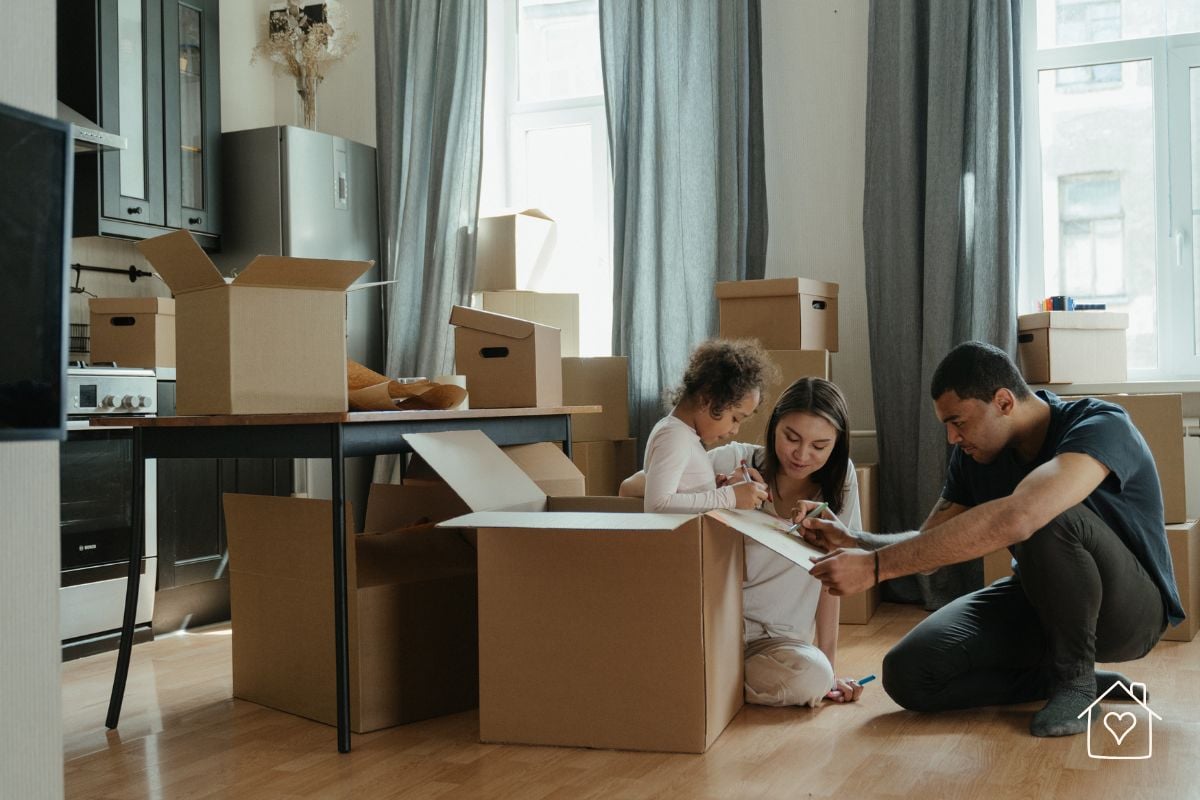
Protect Floors, Walls, and Doorways
Heavy furniture can easily damage a home during a move. Scratched hardwood floors, dented drywall, chipped trim, and damaged door frames are common problems when large items are rushed through tight spaces.
Before moving day, think about the path movers will use. Entryways, hallways, staircases, and corners are the areas most likely to take damage. Floor runners, furniture pads, moving blankets, and corner protection can make a big difference.
For homeowners relocating around the east metro, choosing Saint Paul crews that handle east-metro relocations can make a real difference when a move involves older homes, narrow streets, limited parking, staircases, or tight entryways.
Pack an Essentials Box
The first night in a new home is usually more hectic than expected. Even if everything goes well, you may not have the energy to dig through boxes looking for basic items. That is why an essentials box is so important.
Pack one clearly labeled box or container with items you will need immediately, such as:
- Phone chargers
- Medications
- Toiletries
- Paper towels
- Basic
cleaning supplies - Trash bags
- Important documents
- A small tool kit
- Toilet paper
- A change of clothes
- Pet supplies, if needed
Keep this box with you or make sure it is loaded last so it is easy to find. This one step can make the first night much more comfortable.
Don't Forget Utility Transfers
Many homeowners remember internet service but forget other important utilities until the last minute. Before moving day, confirm shutoff and start dates for each property.
Make sure you handle:
- Electricity
- Gas
- Water
- Trash service
- Internet
- Security systems
- Lawn care
- Snow removal, if needed
It is also smart to take photos of utility meters when you leave your old home and when you arrive at the new one. This gives you a simple record in case there are billing questions later.
Measure Furniture Before Moving Day
Large furniture can create unexpected problems. A couch that fit perfectly in one home may not fit through the doorway, staircase, or hallway of the next one. This is especially common in older homes, apartments, townhomes, and homes with narrow entries.
Before moving day, measure:
- Doorways
- Hallways
- Stairwells
- Elevators
- Large furniture pieces
- Bedroom layouts
- Living room wall space
If something may not fit, decide in advance whether it needs to be disassembled, moved through another entrance, or left behind. Planning this before moving day helps avoid delays and frustration.
Label Boxes Clearly
A simple labeling system can save hours during unpacking. Instead of writing vague labels like "miscellaneous" or "house stuff," label each box by room and contents.
For example:
- Kitchen - plates and bowls
- Master bedroom - bedding
- Bathroom - towels and toiletries
- Office - cords and desk supplies
- Garage - hand tools
Use large, clear writing on both sides of each box. That way, labels can still be seen when boxes are stacked.
You can also mark important boxes with "open first" so they do not get buried under items you will not need right away.

Take Photos Before Disconnecting Electronics
Before unplugging TVs, computers, gaming systems, routers, or office equipment, take quick photos of the cords and connections. This makes setup much easier in the new home.
It is also helpful to place cords, remotes, screws, and small parts in labeled bags. Tape the bag to the item it belongs to or keep all small parts in one clearly labeled container.
Small steps like this prevent a lot of frustration later.
Focus on Unpacking Priorities
Once everything arrives at the new home, it can be tempting to start opening boxes randomly. That usually creates more mess.
Start with the rooms that affect daily life most:
- Bedrooms
- Bathrooms
- Kitchen essentials
- Everyday clothing
- Cleaning supplies
- Work or school items
You do not need the entire house finished immediately. The goal is to make the home functional first. Once beds are set up, bathrooms are stocked, and the kitchen has basic items available, the rest of the unpacking becomes easier to manage.
Update Your Address Everywhere
Forwarding mail through the post office is helpful, but it does not automatically update every account. Make a list of places that need your new address.
Common updates include:
- Banks
- Credit cards
- Insurance companies
- Employer records
- Driver's license
- Vehicle registration
- Medical offices
- Subscription services
- Online shopping accounts
- School records
- Voter registration
Doing this early helps prevent missed bills, delayed documents, and packages going to the wrong address.
Final Thoughts
A successful move takes more than boxes and a truck. Homeowners need to think about timing, organization, home protection, utilities, furniture measurements, and the first few days after arrival. The more prepared you are before moving day, the easier it is to settle into your new home with less stress.
By decluttering early, protecting your home, labeling carefully, and planning around the details people often forget, you can make the entire process smoother from start to finish.