How to Reduce Household Dust and Improve Indoor Air Quality
This fall my youngest son and I spent three and a half weeks
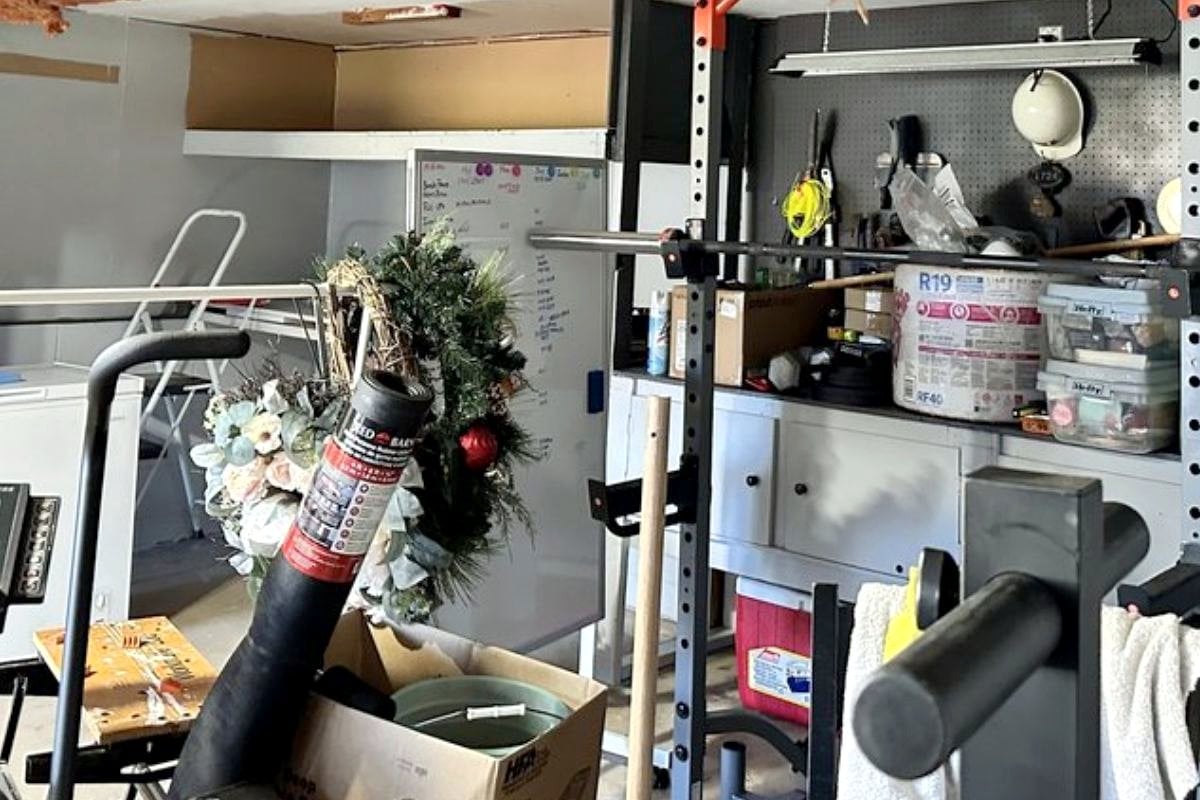
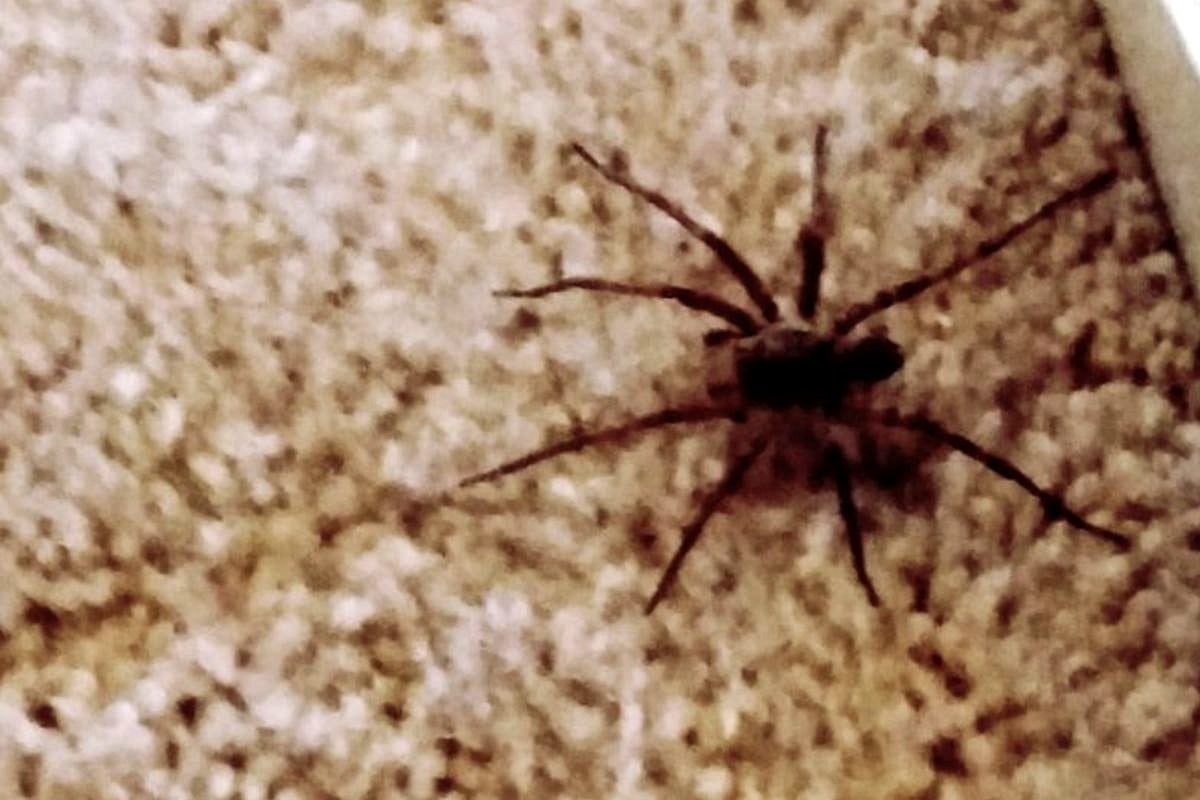
When I finally climbed the ladder and saw what needed to be cleaned, I handed that job straight to my son. Dust, dead bugs, webs and SPIDERS (eeee gads!) and the spiders we get are MASSIVE. I can say with a clear conscience that I delegated the job to my son and I don't feel one bit guilty about it.
That shelf got me thinking about how much of the dust in our house starts out there. Our garage is the lower level of the house, and it's one of the main ways we all come in: through the garage, through the door to the bottom entryway and straight upstairs to the main house. Everyone takes their shoes off at the second landing, so that first set of steps catches everything we track in... and boy, does it get dusty and dirty.
From time to time, articles on The How-To Home may reference third-party websites, businesses, products, services, or review platforms as part of editorial research. When evaluating companies or services, we may consider publicly available information such as customer reviews, business websites, service offerings, licensing information when available, and overall relevance to the topic.
Household dust is rarely just one thing. It's usually a mix of outdoor soil tracked in on shoes, fibers shed from fabrics, skin flakes,
Understand Where Household Dust Comes From
Dust comes into a home from several directions at once: outdoor particles carried in on shoes and pet paws, fibers from carpets, curtains, bedding, and clothing, pet dander and hair,
It helps to know the difference between settled particles, the kind you can actually see on a shelf or floor (or on a box of Christmas trees!), and airborne particles, which stay suspended and are often invisible. Visible dust isn't a reliable measure of air quality on its own. Some pollutants, including certain gases and very fine particles, can't be seen at all. What's in your dust also varies quite a bit depending on the building, who lives there, the local climate, and whether
Start With Source Control
Stopping pollutants at the source is usually far more efficient than
Build a More Effective Cleaning Routine
Work from higher surfaces down to lower ones. Dust shelves, light fixtures, and other high spots before you tackle the floors, since whatever gets knocked loose up top is going to drift down anyway. (For me, that means getting the ladder out. Being short has its downsides!) A slightly damp microfiber cloth traps particles. Dry dusting mostly sends settled dust right back into the air, so the damp cloth is a real step up.
Prioritize the areas that accumulate dust fastest: bedrooms, carpets and rugs, upholstered furniture, pet resting spots, entryways, and the workspaces you use most. Pet resting spots are a real thing at our house. Our grandpup Hank has his own perch on the couch, tucked between the arm and a pillow I put there just for him. He gets groomed and bathed often, so he's always super fresh... but his uncles love giving him snacks, and he eats those on the floor. Every Hank day is followed by a thorough vacuuming! How often you clean should flex with your household, too. Homes with
My sister had a Dyson for every floor of her house... and I'd venture to say one for every mood. She passed away recently, and she had the best sense of humor of anyone I know. We laughed at the worst possible times, not because we didn't care but because that's how we got through life. So she would have loved this. Last week, while I was helping my niece get her house ready to sell, my nephew lined up all of her vacuums in the dining room. Yes, ALL of them. I had my eye on at least one of those Dysons, but by the time it was my turn to pick, every single one was gone. What was left were a few other well-known brands... perfectly good vacuums, just not a Dyson. She would have laughed until she cried.
Everyone has their own idea of a good
Use your equipment correctly. A
Reduce Dust-Mite Allergens in Bedrooms
Dust mites thrive in warm, humid spaces and are commonly linked to bedding, mattresses, carpets, and upholstered items. Allergy organizations such as the American Academy of Allergy, Asthma & Immunology recommend washing bedding regularly on the hottest setting the fabric can safely handle, using allergen-resistant covers where it makes sense, keeping indoor humidity in a moderate range, and cutting back on extra fabric clutter in sleeping areas. These steps can reduce allergen exposure, but they won't get rid of dust mites completely. If you're dealing with allergy symptoms that won't quit, please talk to a qualified healthcare professional.
Improve Ventilation Without Creating New Problems
Swapping indoor air for outdoor air can help dilute indoor pollutants, as long as outdoor conditions cooperate. Running kitchen and bathroom exhaust fans while you cook or bathe, opening windows when the weather and air quality allow, and keeping ventilation systems properly maintained all help. It's worth knowing the difference between ventilation and filtration: ventilation exchanges air, and filtration captures particles from the air passing through a filter. Neither one replaces source control or routine
Avoid Common Cleaning Mistakes
Dry sweeping or dusting that visibly kicks particles into the air works against the whole point of reducing dust. Never mix
A Practical Room-by-Room Plan
- Bedroom: Wash bedding, cut down on fabric clutter, clean floors and upholstered surfaces, and keep humidity in check.
- Living room: Clean upholstery, rugs, floors, and high-touch surfaces (yes, that includes the couch arm your pet calls home).
- Kitchen: Run the exhaust fan, wipe away
cooking residue, and stay on top of grease and moisture. - Bathroom: Ventilate during and after bathing, dry wet surfaces, and fix leaks quickly.
- Entryway: Use mats, manage outdoor dirt, and clean high-traffic floors (and stairs!) more often.
A household with
When Professional or Medical Advice Makes Sense
Extensive mold, suspected asbestos or lead dust, ongoing water damage, or ventilation problems that don't clear up with ordinary maintenance all call for a professional evaluation. Ongoing wheezing, trouble breathing, or suspected allergies are worth a conversation with your healthcare provider, since symptoms can come from many causes and shouldn't automatically be blamed on dust. Good
A Sustainable Approach to Cleaner Indoor Air
Better indoor air usually comes from a handful of consistent habits you keep up week after week: reduce pollutant sources, clean in ways that capture dust instead of scattering it, manage humidity, ventilate when conditions allow, and get professional or medical guidance when problems stick around. If you're not sure where to begin, pick one room, figure out its main dust or moisture source, and build a routine you can actually stick with. Mine started with one very dusty garage shelf... which room is calling your name first?