How to Stay Safe When Using a Ladder
*This post may contain affiliate links and I'll earn a commission if you shop through them. You can read my full disclosure here.
Using a ladder may seem pretty straightforward but these useful tools are actually far more dangerous than you might think. In fact, falls from ladders are among the leading causes of work-related fatalities in the UK and many of these accidents could be prevented with the proper precautions.
Whether you're changing a lightbulb,
1. Choose the right ladder

Using a ladder that isn't the right style, material or size for your task can lead to serious accidents and injuries and so it is crucial for your safety that you carefully consider what type of ladder will be best. Your ladder will need to be tall enough that you can reach your desired area without having to stand on the top three rungs (which are to be used as handholds only), but not so tall that it is unstable and difficult to secure.
It is also important that you consider what material will be most appropriate for your task. For example, if you are working around electrical hazards, you will need a fiberglass ladder that doesn't conduct electricity. Make sure to also check the ladder's weight capacity before use, factoring in your weight and the weight of any tools or materials you will be carrying.
2. Inspect the ladder
Before starting any kind of work using a ladder, it is essential that you carry out a series of pre-use inspections to spot any obvious visual defects and ensure the ladder is safe to use.
Firstly, check the rungs and stiles for any damage like cracks, dents, bends and rust that can affect the ladder's structural stability and lead to a fall. Next, inspect your ladder's feet and feet caps for any damage and wear - ladder feet are crucial for stability and preventing the ladder from slipping, so it is vital that they are in good condition.
You should then check the ladder's locking mechanisms, connections, and joints. All of these are critical structural points that can cause the ladder to completely give way during use if they're damaged. Make sure that the hinges and spreader bars lock securely in place and that all hardware, bolts and fittings are securely attached. Any safety labels and warnings must also be legible and intact to ensure safe ladder usage.
If you spot any of the defects listed above, you should immediately take the ladder out of use and not use it again until it has been fixed or replaced by a qualified professional.
3. Set up the ladder properly
Now that you have thoroughly inspected the ladder for damage and made sure that it is in safe working condition, you need to know how to safely set it up before you climb. Rugs, uneven ground and slick flooring are all a recipe for disaster when it comes to ladder set up as just one slip or wobble while you're on a ladder can have serious consequences. It is therefore essential that you ensure both feet of the ladder are fully in contact with the floor and totally stable before you start to climb.
When positioning your ladder, make sure to follow the "1 in 4" rule: for every 4 feet of ladder height, the base of the ladder should be 1 foot away from the surface it is leaning against. For example, if your ladder is 8 feet high, the base should be 2 feet away from the wall - this will ensure your ladder is as stable as possible.
4. Climb safely
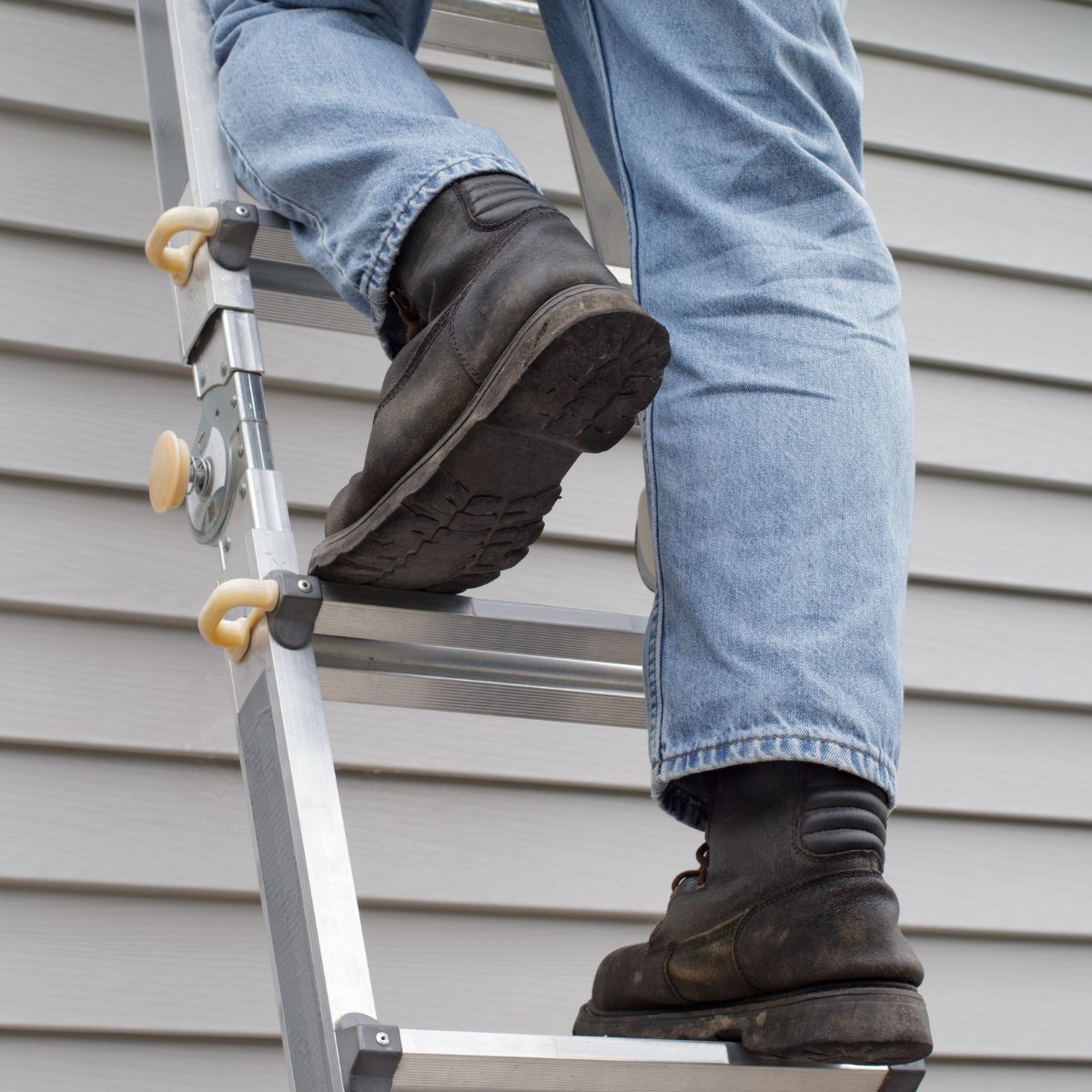
When climbing a ladder, there are a few rules you should follow in order to stay safe and stable. The first is known as the "belt buckle rule" and recommends that you keep your belt buckle (or if you're not wearing a belt, your bully button) in between the ladder's side rails as you climb. By following this rule, you can avoid risking the ladder becoming unbalanced from overreaching or leaning. If you find yourself having to lean to get to hard-to-reach spots, simply climb down the ladder and reposition it instead.

The second rule recommends that you should maintain three points of contact with the ladder at all times to avoid losing your balance and toppling the ladder. Ideally these three points of contact will be your two feet and one hand, but if you need to use both of your hands for your task, you can lean your knees or chest against the ladder to create a third point of contact.

By choosing the right ladder, inspecting it carefully, setting it up properly and climbing with care, you can greatly reduce the risk of accidents and ensure that your ladder tasks are completed safely and efficiently. Most ladder related injuries are preventable with proper awareness and preparation, so take your time, climb smart and never cut corners when it comes to safety.