Lawncare Basics: How to Read Watering Problems Before Grass Starts Dying
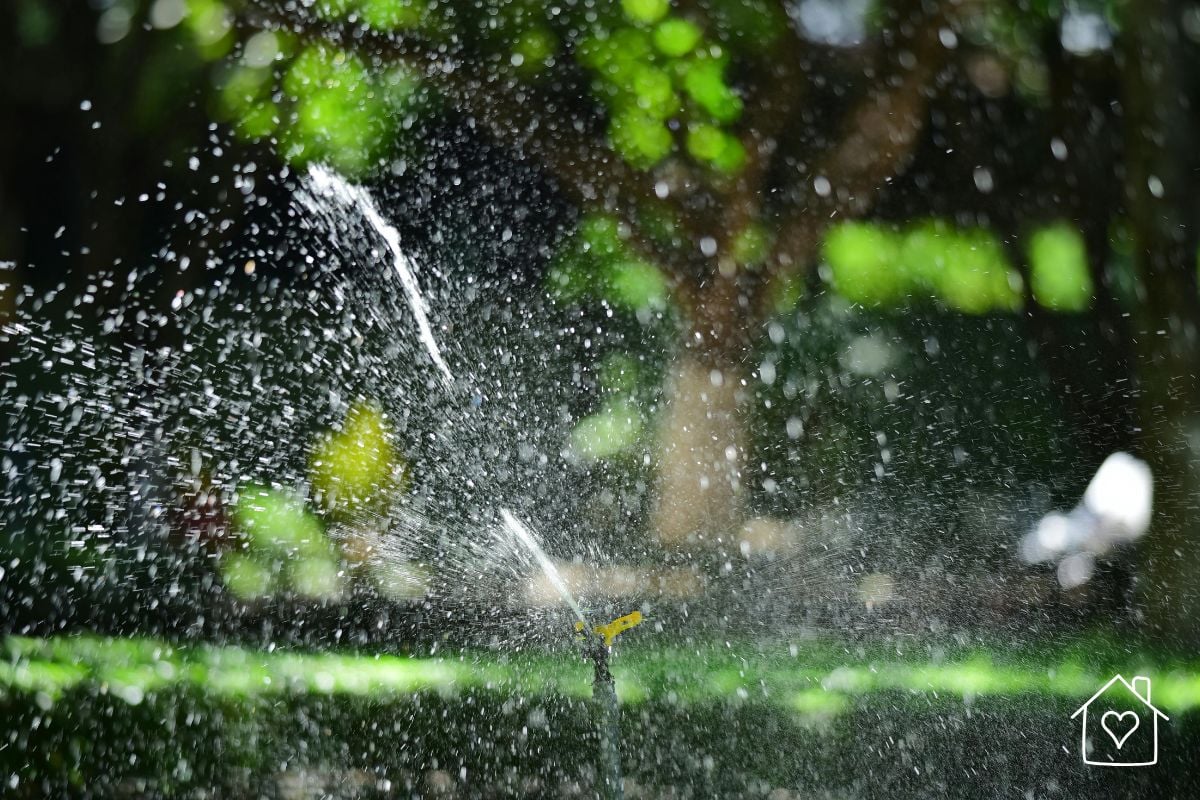
This summer, my youngest son took on reseeding about 20% of our lawn. The seed alone ran us almost $400.00, and the hours he put into prepping and spreading it were honestly mind boggling. Then the heat hit. Real, unrelenting heat, and for a few weeks I was the one outside at sunrise every single morning, hose in hand, hand watering that new grass because we didn't have a system that could reach it evenly. There were mornings I was sure we'd wasted every dollar and every ounce of effort. But the new growth came in, slowly, and with patience (and a lot of hauling that hose around), it's filling in beautifully. It also taught me something. An actual irrigation system just moved way up my new home wish list.
For homeowners in St. Petersburg, FL, lawn care can turn into a real balancing act. Warm weather pushes growth along, but heat, heavy rain, sandy soil, shifting seasons, and a sprinkler system that doesn't distribute water evenly can leave the same yard soggy in one spot and bone dry in another. So if brown patches suddenly show up, the fix isn't always "water it longer."
Instead of throwing more water or fertilizer at the problem, it helps to read the lawn like a collection of clues. Color, soil moisture, runoff, sprinkler patterns, even the water bill... they're all telling you something about what's happening below the surface. Catch those signals early and a small irrigation problem stays small instead of turning into widespread turf damage.
From time to time, articles on The How-To Home may reference third-party websites, businesses, products, services, or review platforms as part of editorial research. When evaluating companies or services, we may consider publicly available information such as customer reviews, business websites, service offerings, licensing information when available, and overall relevance to the topic.
Start With the Irrigation Pattern, Not the Brown Grass
When one patch of grass starts fading while the rest stays green, that's worth investigating before you touch the watering schedule. Run each irrigation zone and actually watch what happens. A clogged nozzle, a damaged head, a weak spray pattern, a timer on the fritz, or a pressure problem can all leave one section of the lawn consistently shortchanged.
Those are also the moments when calling in professional sprinkler repair in St. Petersburg can make sense, especially when the cause isn't visible at the surface or involves wiring, valves, pressure, underground lines, or system controls. A proper system check can tell you the difference between one broken part and a bigger coverage problem.
Cranking up the watering time without finding the actual cause just sends more water into the spots that were already getting plenty.
Use the Soil to Check What the Surface Cannot Tell You
Grass blades will show you stress, but the soil tells you whether water is actually reaching the root zone. After the sprinklers run, check a few different spots rather than assuming the whole lawn got the same amount.
If one spot is damp a few inches down and another is bone dry, your distribution is probably uneven. If the soil stays soaked for long stretches, you might be dealing with overwatering, poor drainage, a leak, or overlapping coverage.
This little comparison is especially useful when two patches look nearly identical above ground. Yellowing or thinning grass can happen from both too little water and too much, so going by looks alone can send you in the wrong direction.
The goal is consistent, useful moisture, not soil that's permanently wet.
Watch the Edges of the Lawn Closely
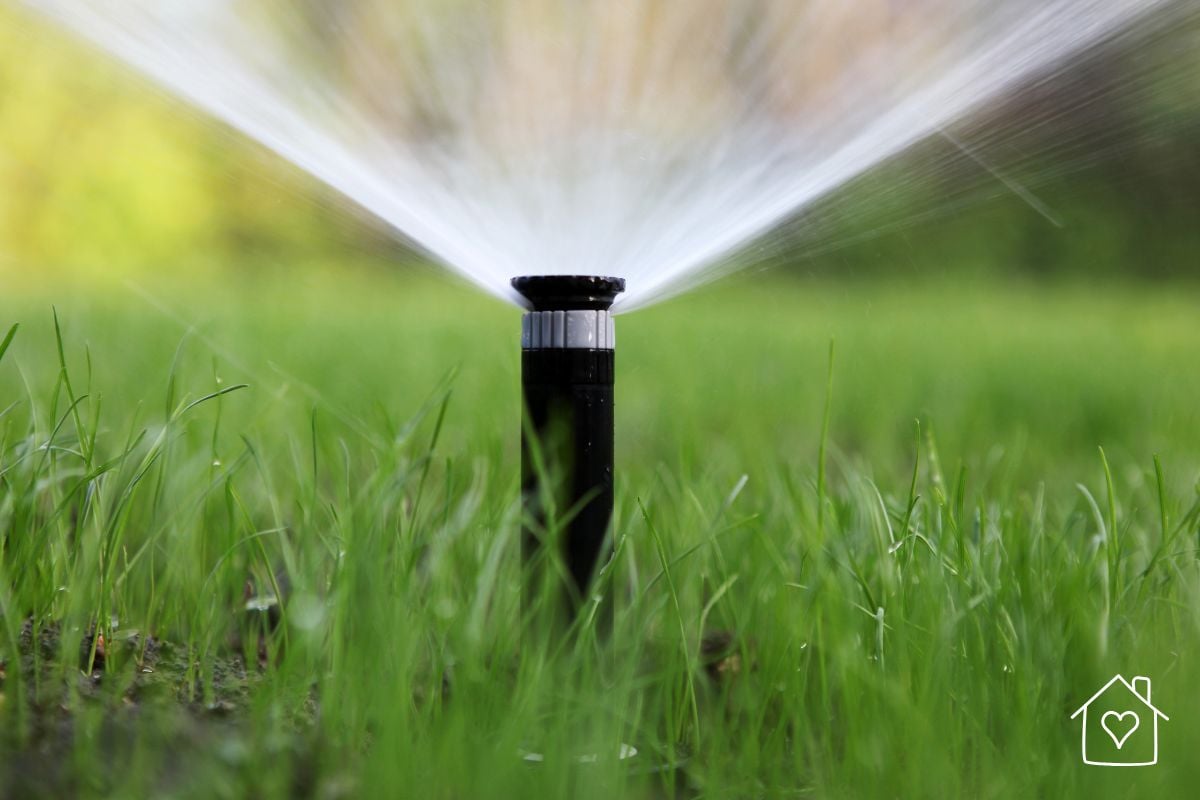
The edges of a yard are usually the first place irrigation problems show up. Grass along driveways, sidewalks, walls, and planting beds can get a completely different amount of water than the turf in the middle of the zone.
Heat bouncing off pavement and concrete adds extra stress, and a sprinkler head that's aimed even slightly wrong can throw a good chunk of its water onto the driveway instead of the grass. Landscaping adds its own wrinkle too, since shrubs grow up over the years and start blocking spray that used to reach the lawn just fine.
Walk the perimeter while the system is running. Look for dry corners, water hitting fences or walls, streams running down the pavement. It's easy to miss all of this from a window, but it explains a lot of those recurring brown spots.
Treat Runoff as a Warning, Not Normal Watering
Water running down the driveway isn't proof that the lawn has received enough. It might just mean water is being applied faster than the soil can soak it up, or that the sprinkler heads are sending water past where it's supposed to land.
Long irrigation cycles can actually make this worse. Where it fits your landscape and local watering rules, shorter cycles with soaking time in between usually let the water sink in more effectively.
Sloped areas need extra attention, since gravity is happy to carry water right off the spot where it landed. Compacted soil causes the same kind of trouble by slowing everything down before it can soak in.
Before you add another minute to the timer, figure out whether the water you're already using is even staying where the grass can use it.
Let Mowing Support the Root System
Irrigation gets all the attention when a lawn looks stressed, but mowing habits can just as easily support your watering plan or work against it.
Cutting the grass too short reduces leaf area and adds stress it doesn't need. The right mowing height depends on the grass species, so it's worth figuring out what you actually have and mowing to match. Sharp mower blades matter too. A clean cut is a lot easier on the grass than the ragged edges a dull blade leaves behind.
Don't take off too much growth in one pass. If the lawn has gotten unusually tall, bringing it back down gradually is a lot less stressful on the grass than one severe cut.
Healthy grass simply makes better use of the water it's given.
Investigate a Rising Water Bill
An unexplained jump in your water bill is often the earliest sign that something in the irrigation system isn't working right anymore. A leak doesn't always announce itself with a fountain in the yard. Underground pipe damage, a bad valve, or a leaking head can waste water quietly for weeks.
Compare your current usage to previous months, factoring in real changes like a hotter summer or a schedule you adjusted on purpose. Then walk the property while the system is actually running.
Look for unusually wet patches, pooling near sprinkler heads, weak pressure, zones acting differently from one another, or water still running when it shouldn't be.
Finding the actual source matters, because just shortening the schedule might hide the visible waste without fixing whatever's causing it.
Change the Schedule When Conditions Change
An irrigation controller was never meant to be something you set once and forget. A schedule that works great in one season can end up being way too much, or not nearly enough, a few months later.
Rainfall, temperature, daylight, and how fast the grass is growing all affect how quickly a lawn goes through water. Recent rain can cut back how much supplemental watering you need, while a long dry stretch changes the soil moisture picture entirely.
Any adjustments should still work within your local watering rules. The goal isn't to chase every little weather swing day to day, it's to stop running the exact same program on autopilot no matter what's actually happening outside.
Smart controllers and sensors can help, but homeowners should still walk the property periodically. Technology works best when paired with observation.
Make a Monthly Lawn-and-Sprinkler Walkthrough
A lot of irrigation failures get expensive simply because nobody notices them in time. Automatic systems usually run early in the morning when no one's outside watching, so a damaged head or an underperforming zone can keep going for weeks before anyone catches it.
During the months you're actively watering, build a deliberate walkthrough into your regular lawn maintenance. Run each zone and watch the spray patterns, pressure, leaks, blocked heads, pooling, and overspray. Then check the grass itself for spots that are consistently wetter, drier, greener, or thinner than everything around them.
Keep mowing, drainage, shade, soil, and foot traffic in mind too. Not every lawn problem starts with irrigation, and good diagnosis means weighing a few possibilities before you settle on a fix.
A healthy lawn is almost never just about watering more. It comes down to getting the right amount of water to the right places, and noticing the moment that pattern shifts. Once you learn to catch those early signals, you can fix the small stuff before brown patches, wasted water, and damaged turf become the new normal in your yard. Ask me how I know.