Reclaiming Your Sunny Backyard with Smart Overhead Coverage
If you've ever stood at the glass door staring out at a gorgeous deck you can't actually use because it's basically a frying pan by 2 PM, you know exactly the problem I'm talking about. Summer afternoons have a way of turning a beautiful yard into an unbearable heat trap. Honestly, it's such a common frustration, roughly seven out of ten homeowners say intense afternoon sun keeps them from enjoying their outdoor seating areas during peak summer months. Turning that blindingly bright space into somewhere you actually want to sit takes a little strategy. Standard patio umbrellas just don't cut it here, you need to think about real overhead protection.
From time to time, articles on The How-To Home may reference third-party websites, businesses, products, services, or review platforms as part of editorial research. When evaluating companies or services, we may consider publicly available information such as customer reviews, business websites, service offerings, licensing information when available, and overall relevance to the topic.
Weighing Natural Timber Against Modern Metal Framing
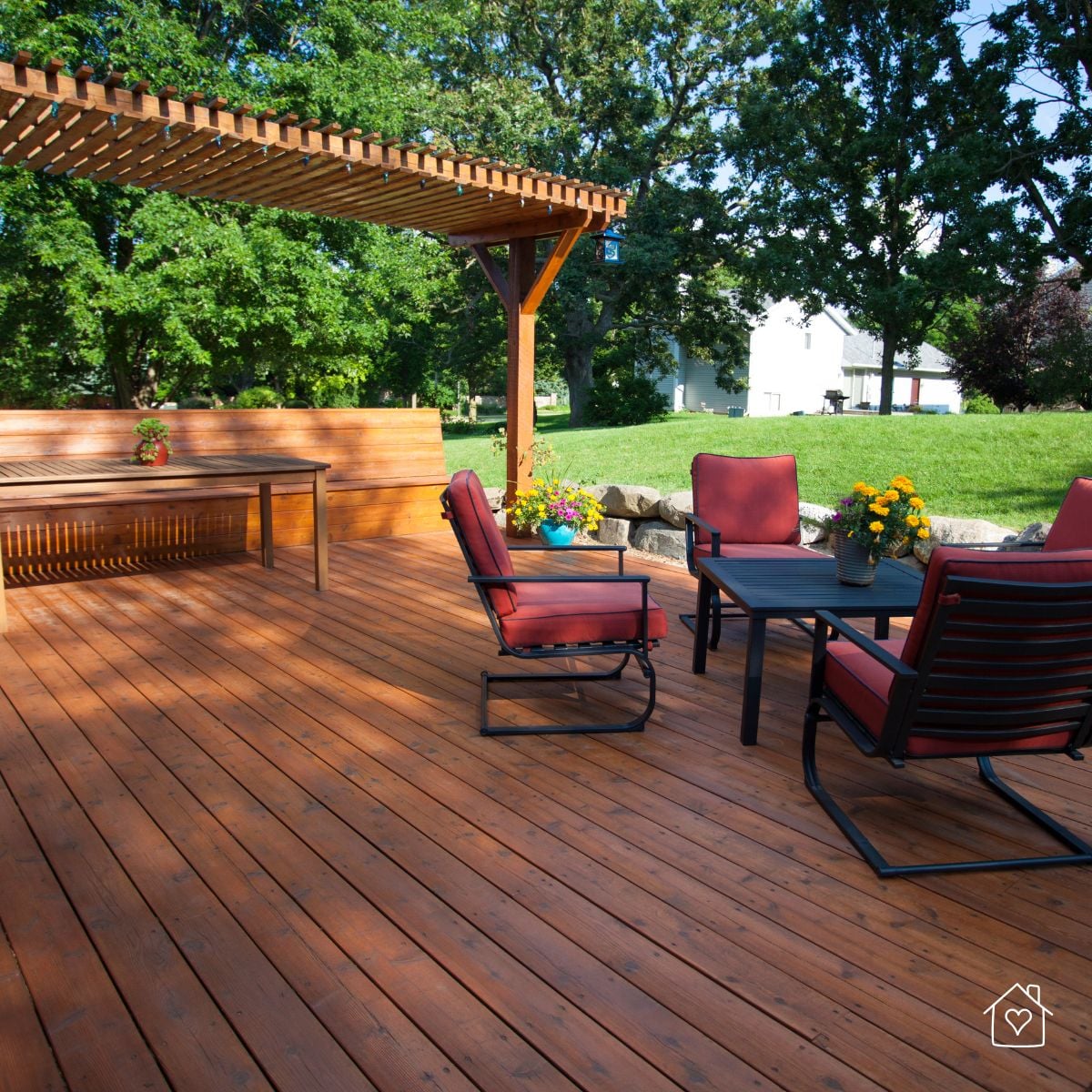
When it comes to the main framing material, it usually comes down to a debate between heavy timber and lightweight aluminum. Aluminum gives you that sleek, modern look, resists rust, and barely asks anything of you maintenance-wise over its lifetime. The tradeoff is it doesn't always bring the same visual warmth that blends naturally into an older, more traditional home. A classic wood shade structure, on the other hand, adds instant rustic charm, and you can paint or stain the posts to match your exterior trim without much fuss. The catch with timber is the upkeep, it needs regular sealing to keep rot and insect damage at bay over the years.
Positioning the Installation for Maximum Temperature Control
Put your new addition in the wrong spot and you've basically defeated the whole point of building it. Centering it on the patio might look balanced on paper, but it can leave your seating area totally exposed to that harsh western sun right around five o'clock. Exterior design consultant Sarah Jenkins puts it well, tracing your yard's daily sun path before you ever pour footings is crucial. Her advice is to extend the roofline slightly past the western edge of your seating zone. That placement blocks the worst of the late-afternoon glare and keeps the space genuinely cool, not just shaded.
Choosing Between Permanent Roofs and Flexible Coverage
Solid, shingled roofs do a great job with rain, but they trap rising heat and can darken the rooms right next to them. If you'd rather keep things bright and flexible as the weather shifts, adjustable coverage makes a lot more sense. Custom patio shades let you block the harsh noon sun and then retract the fabric later for a clear, starry night sky, which honestly feels like getting the best of both worlds. Flexible fabric options do cost less upfront than a solid roof, but they're also more vulnerable to tearing if you get hit with high winds or a bad storm.
Matching the New Addition to Your Existing Architecture
A big, modern addition can look completely out of place bolted onto a classic farmhouse, so tying it into your home's existing design matters more than people expect. Something as simple as using the same brick on your base columns that's already on your chimney makes the whole addition look like it was always part of the house. Matching those details takes a bit more time and a slightly bigger budget, but it's what keeps the final result from reading like a rushed afterthought.
Taking real control of your exterior space changes how you experience your whole home. Weigh the maintenance tradeoffs, lean toward flexible coverage where it makes sense, and you end up with a space that laughs off the summer heat instead of hiding from it. At the end of the day, the right overhead coverage turns an abandoned, sweltering slab of concrete into your favorite room in the house, one you'll actually use all year round.