7 Small Exterior Issues That Can Turn Into Expensive Home Repairs
Many costly home repairs start with small exterior problems that are easy to ignore. A walkway that feels slightly uneven, a thin crack in the driveway, or a railing with a little movement in it may not seem like a big deal right away. Over time, though, those small issues can turn into larger repairs as weather, moisture, and everyday use wear things down.
That is one reason exterior maintenance gets pushed aside so easily. These changes usually happen gradually, so they often blend into the background until the damage is harder and more expensive to fix. Taking a few minutes to look around your property every so often can help you catch early warning signs before they become bigger problems.
Paying attention to these details can help protect your home's safety, appearance, and long-term value.
*This post may contain affiliate links and I'll earn a commission if you shop through them. You can read my full disclosure here.
1. Uneven Walkways, Patios, and Concrete Surfaces
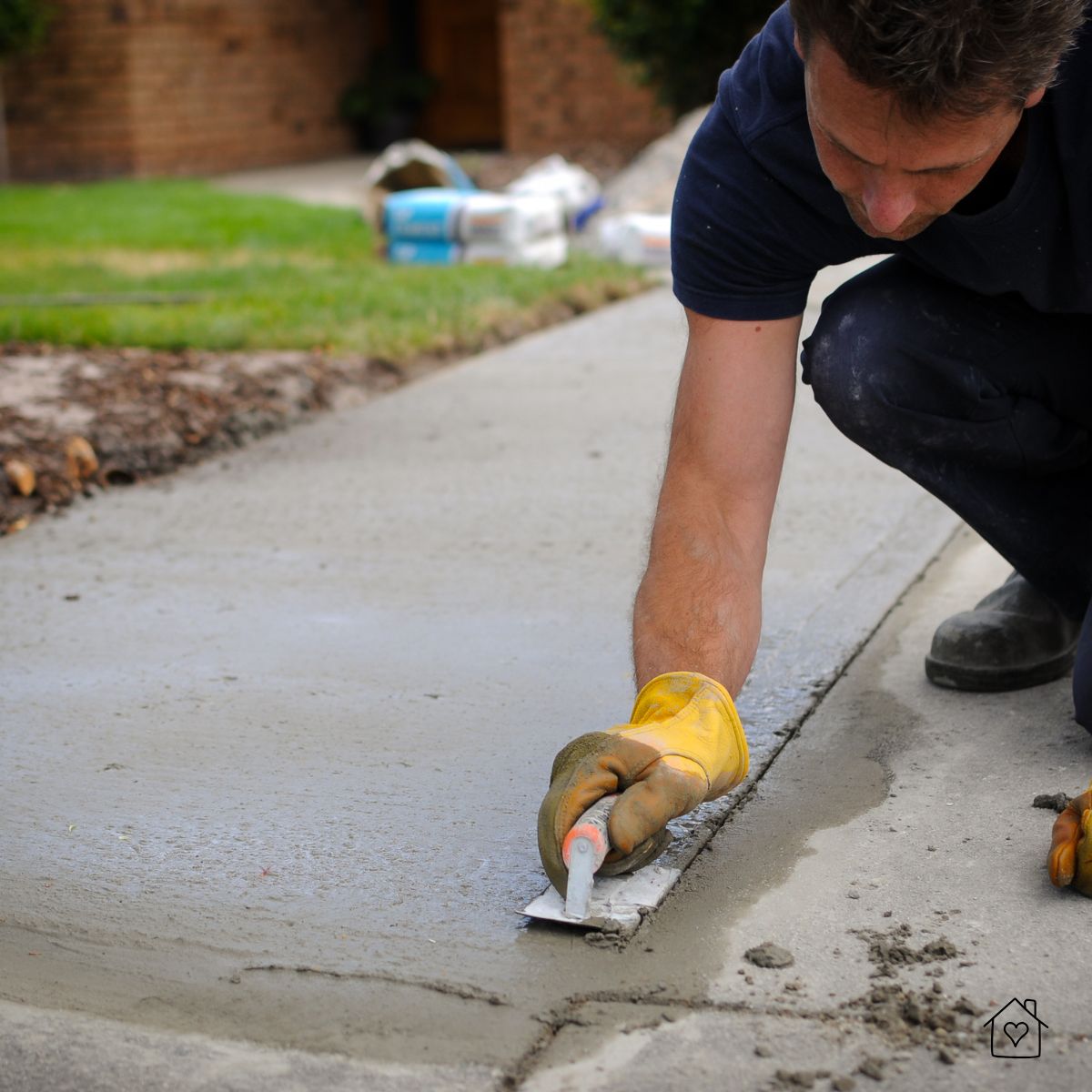
Concrete surfaces around a home usually do not shift overnight. More often, they settle slowly as the soil moves, moisture levels change, and seasonal weather affects the ground underneath. In many parts of the country, including states like New Jersey and Ohio, freeze-thaw cycles can contribute to gradual movement in sidewalks, patios, and driveway slabs.
As soil movement and seasonal weather affect outdoor concrete over time, raising and leveling settled slabs becomes a common concern, and concrete lifting Wymossing PA residents rely on helps restore sidewalks, patios, and driveway surfaces without replacing the entire slab.
Similar issues show up in very different climates. In warmer states such as Texas or Arizona, heat and shifting soil can also affect the stability of concrete surfaces. No matter where you live, uneven concrete is often one of those problems that goes unnoticed until a slab begins to tilt, separate, or collect water.
2. Drainage Problems Near the Foundation
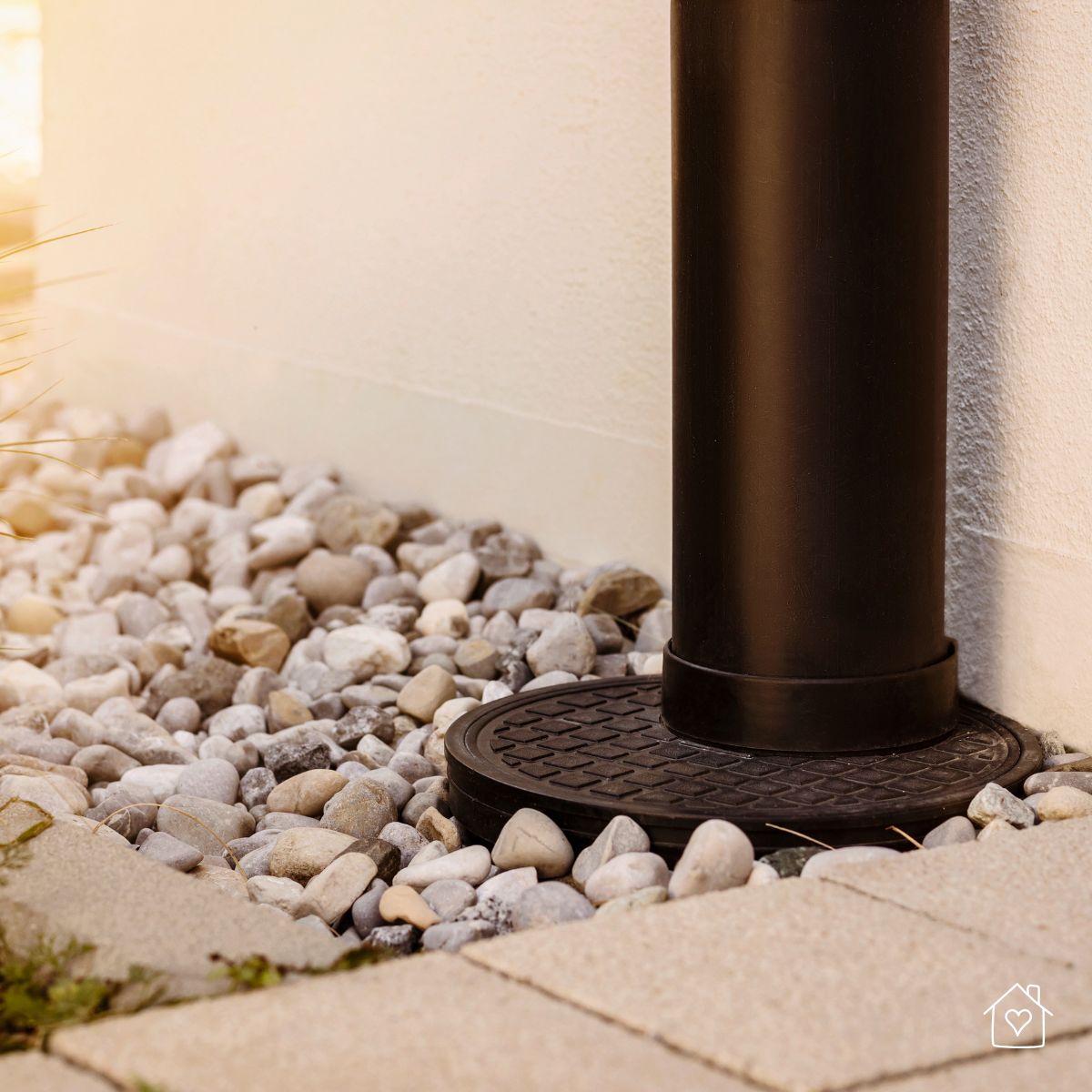
Water collecting near the base of a home can lead to problems that build slowly over time. After a heavy rain, a few puddles near the foundation or along a walkway may not seem especially serious. When those same areas stay wet again and again, however, the surrounding soil can start to lose stability.
One common cause is downspouts that release water too close to the house. Poor grading can worsen the problem by allowing water to settle near the structure rather than moving away from it. Over time, that excess moisture can affect nearby landscaping and even contribute to shifting in patios, walkways, or driveway sections.
Watching how water moves across the yard after rainfall can reveal patterns you might miss during dry weather. Clearing drainage paths, adjusting downspouts, and maintaining proper grading can all help reduce the risk of gradual exterior damage.
3. Cracks in the Driveway That Continue to Spread
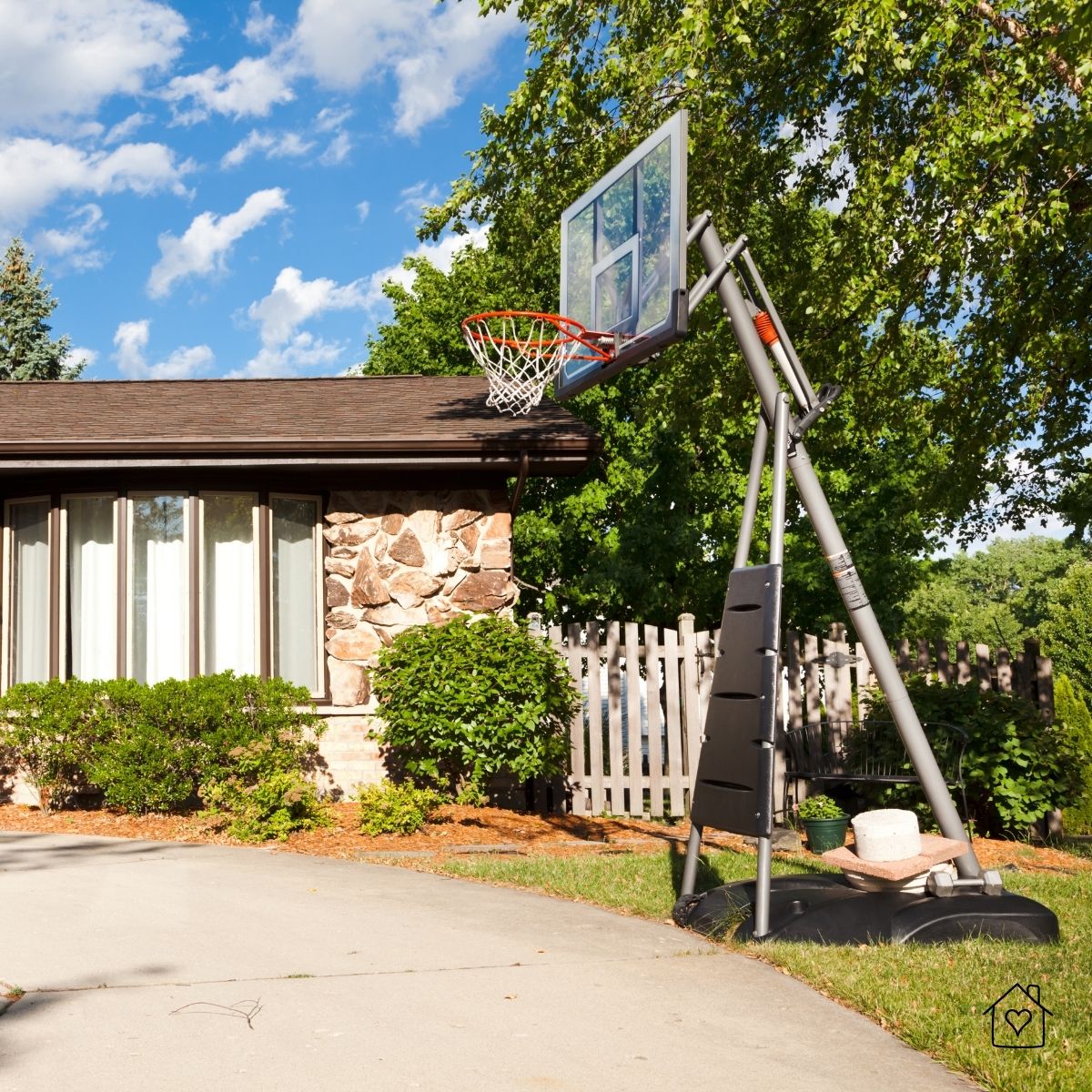
Small cracks in a driveway often start out looking like a minor cosmetic issue. At first, they may seem like nothing more than normal surface wear. But as moisture gets into those openings and temperatures rise and fall, the cracks can begin to spread.
Once water seeps below the surface, the base beneath the driveway can begin to weaken. In colder regions, repeated freezing and thawing can accelerate the spread of damage. In hotter areas, long stretches of heat can dry out and stress the material in other ways. What begins as a small crack can eventually lead to uneven sections, loose edges, or more obvious breaks in the surface.
Catching these cracks early can make a real difference. A quick inspection from time to time can help homeowners spot changes before the damage becomes more serious and more expensive to deal with.
4. Loose Railings and Shifting Steps
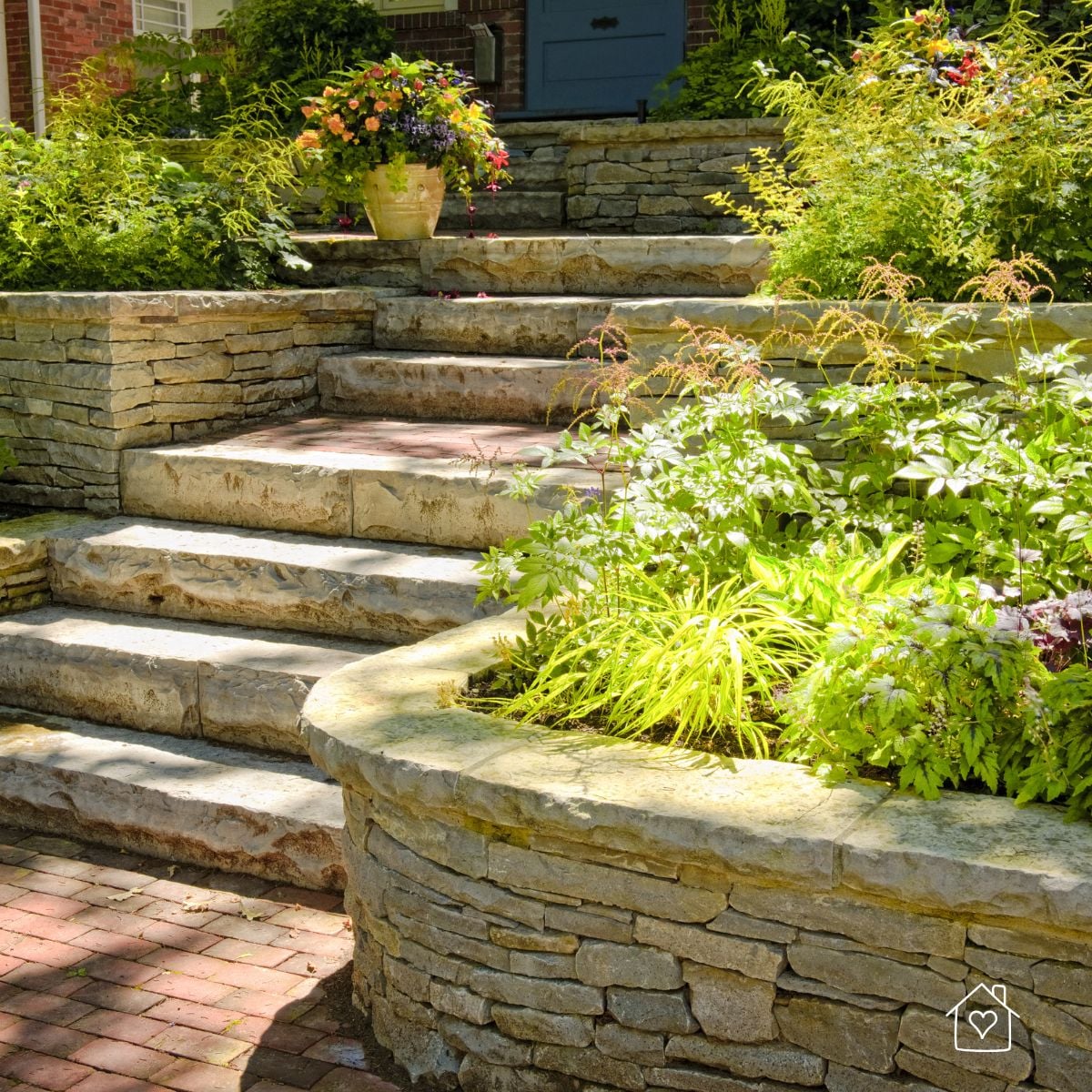
Outdoor steps and railings deal with a lot over the years. They are used constantly and must stand up to rain, sun, temperature swings, and seasonal wear. Over time, hardware can loosen, and structural parts can shift just enough to create movement that is easy to overlook at first.
Even a small wobble in a railing or a slight shift in a step can affect how secure the area feels. Moisture and normal wear can weaken the connections between posts, boards, and fasteners. Left unchecked, those small issues can turn into a larger safety concern.
A simple inspection every now and then can help catch these problems early. Looking for movement, tightening hardware, and paying attention to any change in stability can help keep stairs, railings, and entry areas in better shape.
5. Worn Deck Boards and Failing Fasteners

Decks take a beating throughout the year. Sun, rain, foot traffic, and seasonal moisture all wear on the surface over time. Boards can start to splinter, warp slightly, or loosen around the fasteners holding them in place. Because those early signs are often subtle, they are easy to miss during everyday use.
As boards shift and fasteners loosen, the deck surface can become less stable. Moisture can seep into small openings around nails or screws, which can speed up deterioration in some materials. Over time, that wear can lead to soft spots, raised boards, or sections that no longer feel secure underfoot.
Regular inspections can help catch these issues before they turn into larger structural concerns. Safety guidance on checking a deck for signs of wear and structural issues also reinforces the importance of reviewing deck boards, railings, and key connections as part of routine exterior upkeep.
6. Gaps and Failing Sealant Around Exterior Openings
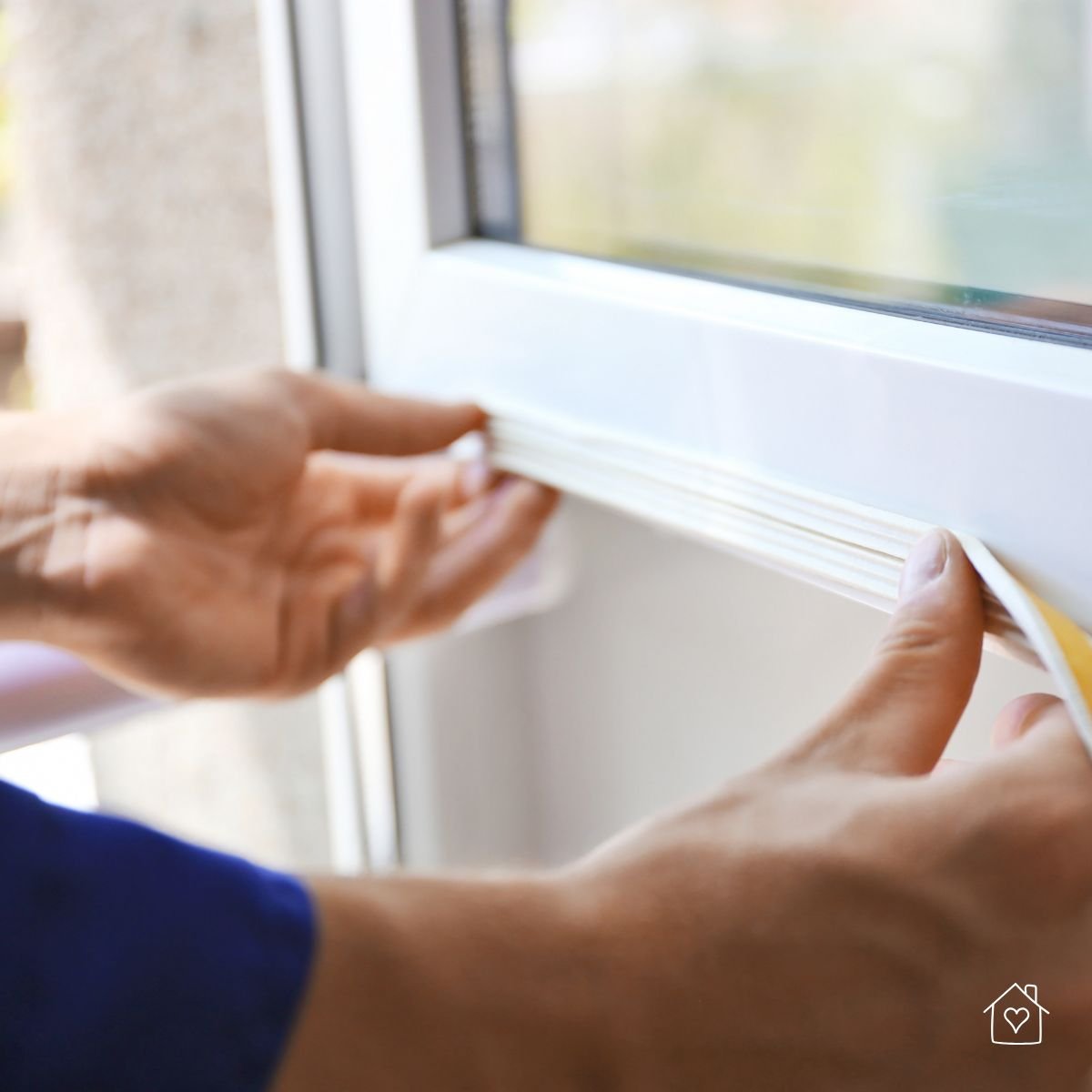
Sealant and caulking around exterior openings do not last forever. Over time, the material around windows, doors, vents, and outdoor fixtures can dry out, crack, or start pulling away from the surface. Because this usually happens slowly, it often blends in until the wear becomes easier to spot.
Once gaps begin to form, moisture has an easier way into areas that are supposed to stay protected. Rain and snow can gradually work into those openings, which may lead to staining, surface damage, or slow deterioration in the surrounding materials.
Checking these areas periodically can help you catch early signs of wear. Replacing old caulk and sealing visible gaps is a simple maintenance step that can help prevent more involved repairs later.
7. Exterior Areas Homeowners Stop Noticing
Some exterior problems are easy to miss simply because they change so slowly. A walkway edge may slope a little more than it used to, a driveway border may wear down, or one part of the yard may no longer drain the way it once did. When changes happen little by little, they stop standing out.
Even small irregularities can affect how water moves across the property and how different outdoor surfaces connect. As weather and foot traffic continue to take their toll on those areas, subtle changes can become more noticeable and more expensive to fix.
Taking an occasional walk around the perimeter of the house with fresh eyes can help reveal things you may not notice day to day. Looking at practical ideas for improving exterior areas around the home can also inspire simple updates that help keep outdoor spaces functional and easier to maintain.
Conclusion
Small exterior issues have a way of blending into daily life. Uneven surfaces, loose hardware, worn materials, and minor cracks may not seem urgent at first, but they can become much harder to address if left alone for too long.
A quick check of walkways, driveways, decks, steps, and exterior openings can help you spot problems before they spread. Staying on top of those smaller repairs can help prevent bigger expenses later and keep the outside of your home safer and better maintained.