Signs Your Pool Screen Cage Needs Replacement
At first, it's barely noticeable. A loose screen panel. A tiny tear near the bottom frame. Maybe a door that doesn't close as smoothly as it used to. Nothing dramatic. Nothing urgent. At least, that's how it feels.
Most homeowners ignore these early signs because they don't look serious. And honestly, in the beginning, they usually aren't. Pool screen cages are designed to take some wear, sun exposure, wind, rain, the occasional branch blown in during a storm. Minor imperfections are part of normal aging.
The problem starts when those "small" issues stop staying small. One tear becomes three. A slightly bent frame starts pulling on nearby panels. The structure still stands, but it no longer feels solid. And that's the moment when cosmetic damage quietly crosses into structural warning territory.
By the time damage becomes obvious from a distance, the cage has often been struggling for a while. The mistake isn't missing the big signs it's ignoring the early ones for too long.
*This post may contain affiliate links and I'll earn a commission if you shop through them. You can read my full disclosure here.
Frequent repairs that never seem to end
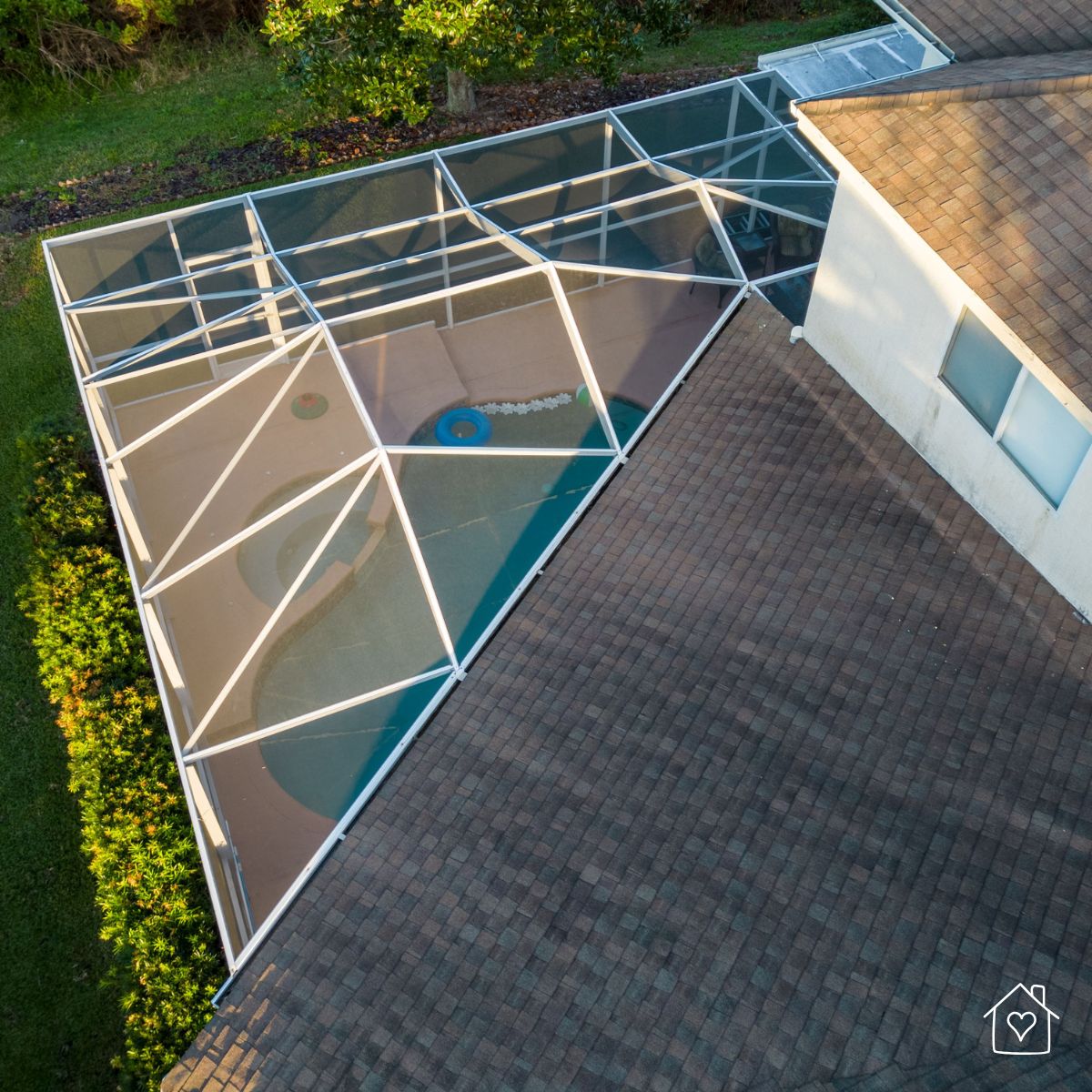
There's a specific kind of frustration that comes with constant fixes. You repair one panel, and another one fails a few months later. You tighten a section of screen, and suddenly a door frame starts shifting. It's like playing maintenance whack-a-mole.
Occasional pool screen cage repair is normal. Screens tear. Fasteners loosen. That's part of owning a pool enclosure. But when repairs become routine instead of occasional, it's worth pausing and asking a harder question: are you maintaining the structure - or just delaying the inevitable?
Frequent repairs often mean the materials are reaching the end of their lifespan. Aluminum frames can weaken over time. Screens lose tension. Anchoring points slowly degrade, especially in Florida's humid, storm-heavy climate. You're not fixing isolated problems anymore. You're compensating for overall decline.
This is where many homeowners hesitate, because replacement feels like a bigger commitment. But stacking repair costs - financially and mentally - adds up faster than most people expect. At some point, replacement isn't the expensive option. It's the practical one.
Structural weakness and frame instability
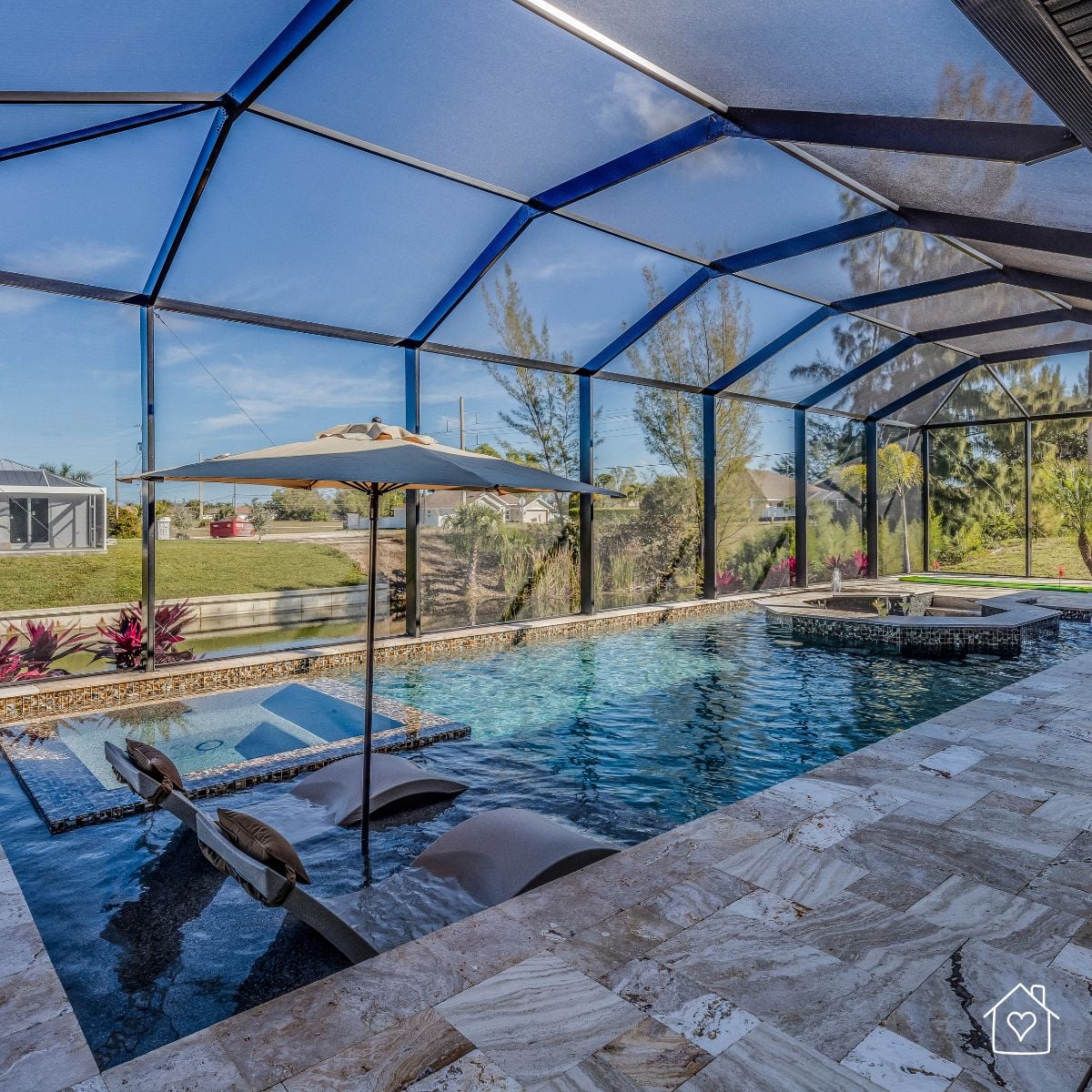
Screens get the attention because they're visible. Frames don't - until they move.
If you notice sagging roof sections, misaligned vertical posts, or doors that suddenly won't sit square in their frames, that's not a screen problem. That's structure. And structural issues don't improve on their own.
A healthy pool cage should feel rigid. This is especially common after years of storm exposure. Even if a cage "survived" multiple hurricanes, the cumulative stress can weaken joints and fasteners. What looks fine from a distance may already be relying on compromised connections to stay upright.
In the middle of evaluating these issues, many homeowners start comparing options - patching weak points versus upgrading the entire screen cage for pool use. And that's often when it becomes clear that the structure itself, not just the screens, is asking for a reset.
Screens that no longer do their job
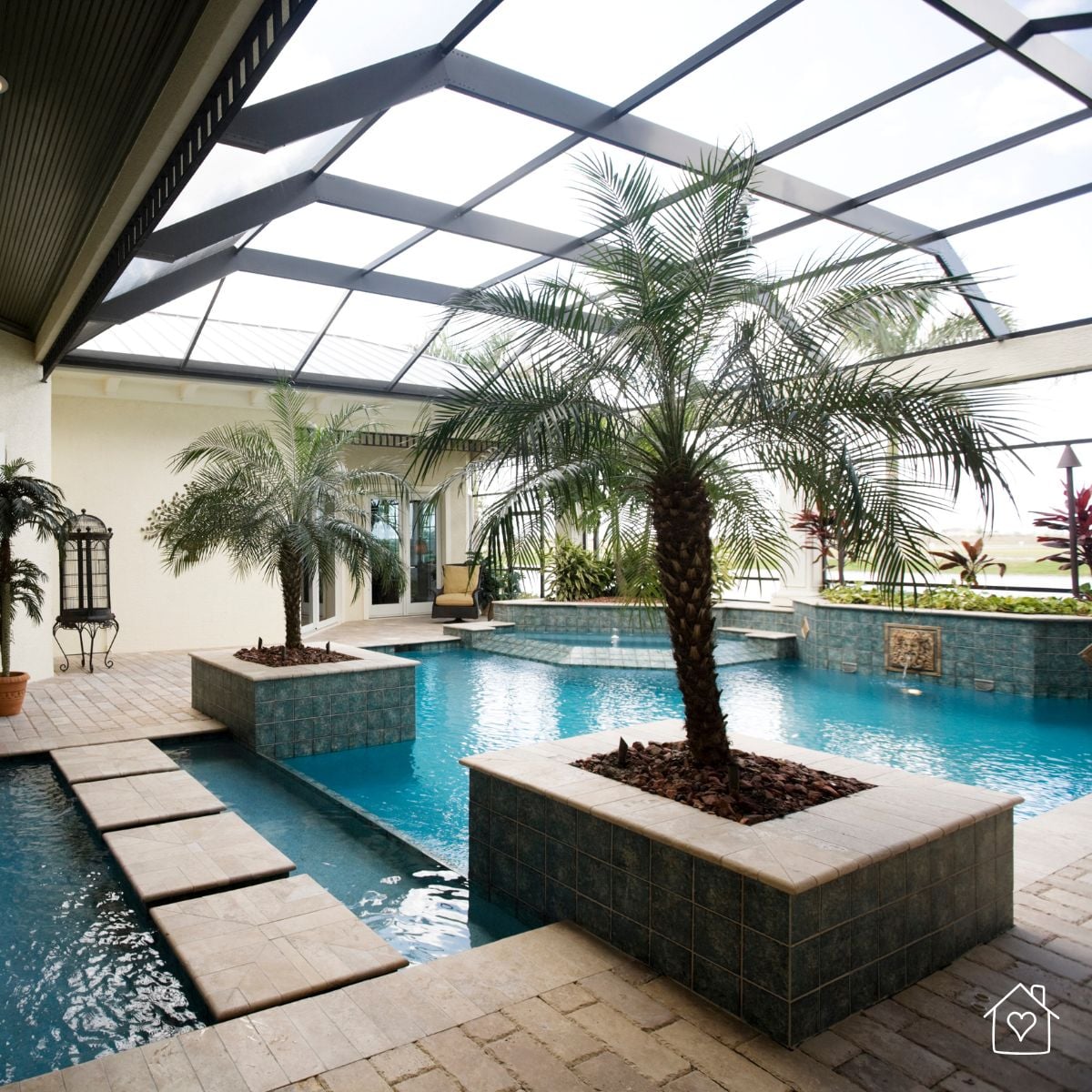
A pool screen cage has one core purpose: create a barrier between your pool area and the outside world. When it stops doing that effectively, everything else becomes secondary.
If insects are getting in more easily, if debris builds up faster than it used to, or if the enclosure feels more like a suggestion than a boundary, the screens are no longer performing as intended. Worn mesh loses tension. UV exposure weakens fibers. Tiny openings slowly become entry points for mosquitoes and debris.
Some homeowners assume replacing individual panels will restore full function. Sometimes it does. But when screen deterioration is widespread - across multiple panels, roof sections, and doors - replacement becomes less about aesthetics and more about restoring basic usability.
This is where the benefits of repair vs replacement start to separate. Repairs address symptoms. Replacement addresses the system as a whole. And if the enclosure no longer provides comfort, cleanliness, or protection, the system is already failing at its core job.
Storm damage and the slow impact of weather
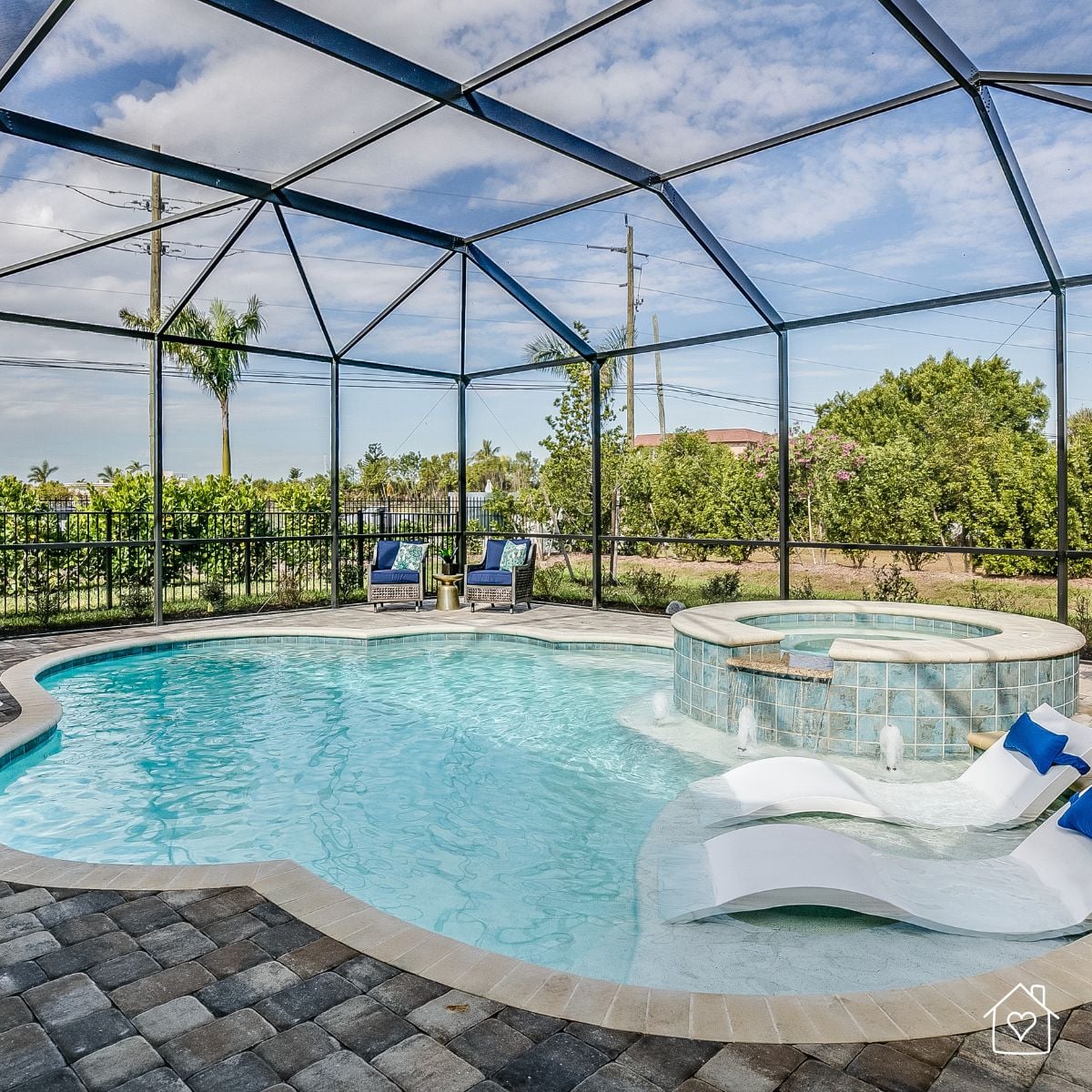
Not all damage looks dramatic. In fact, most of the harm weather causes to a pool screen cage happens quietly, over time, without a single "wow, that was bad" moment.
Florida storms don't need to tear panels off to leave a mark. Repeated high winds loosen fasteners. Heavy rain stresses roof sections. Constant humidity accelerates corrosion in joints and connection points. Even if the cage still stands after every storm season, the accumulated wear adds up.
One of the clearest warning signs is when storm cleanup becomes noticeably worse. More debris inside the enclosure. More screens sagging afterward. More adjustments needed just to keep things usable. That's not bad luck that's fatigue.
After major storms, many homeowners face a choice between temporary fixes and full pool screen cage replacement. Patching damage might restore appearance, but it doesn't undo years of accumulated stress on the structure. And with each storm season, the margin for error gets smaller.
Safety concerns for family, guests, and pets
Safety rarely announces itself until something goes wrong. A loose panel. A door that doesn't latch. A section of frame that flexes more than it should. These things don't feel urgent until they are.
Older or weakened screen cages can create real safety risks, especially for households with children or
Even without a dramatic failure, reduced enclosure integrity changes how safe the space actually is. What used to be a secure barrier becomes unreliable. And unreliable safety systems are the hardest to trust.
This is often the point where homeowners stop asking "Can this be fixed?" and start asking "Should it still be here at all?" Replacement becomes less about upgrades and more about restoring a safe environment.
Outdated design and code compliance issues
Building codes change. Materials improve. Construction standards evolve. A pool cage built 15 or 20 years ago may still look fine but that doesn't mean it meets current requirements.
Older enclosures often fall short of today's wind-load standards, anchoring requirements, or design expectations. That can become an issue during inspections, renovations, or even insurance reviews. What was acceptable once may now be considered a liability.
Outdated design also affects usability. Low rooflines, awkward door placement, poor drainage, and inefficient layouts make older cages feel restrictive compared to modern designs. Even if repairs keep them standing, they don't fix fundamental design limitations.
When homeowners compare pool cage repair vs replacement, code compliance becomes a deciding factor. Repairs preserve what exists. Replacement allows you to rebuild to current standards - structurally, legally, and practically.
Repair vs replacement: how to make the right call
This is the question everything leads to. And the honest answer is: it depends - but not as much as people think.
Repairs make sense when damage is isolated, the structure is sound, and the cage still performs its core functions well. One torn panel. One damaged section after a storm. Minor wear. That's normal ownership maintenance.
Replacement becomes the smarter choice when problems overlap. Structural weakness combined with repeated repairs. Aging materials plus safety concerns. Storm damage layered on top of outdated design. When multiple issues exist at once, repairs stop being solutions and start becoming temporary delays.
If you're asking whether to replace pool screen cage components more than once a year, that's usually your answer. When maintenance feels constant, replacement often brings relief not regret.
The best approach is honest evaluation. Look at the structure, not just the screens. Consider long-term costs, not just the next repair. And weigh peace of mind alongside price. A new enclosure isn't just a fix it's a reset.
Pool screen cages don't fail overnight. They wear down. Slowly. Quietly. One storm season at a time.
The signs are there long before collapse or major failure frequent repairs, structural movement, reduced protection, growing safety concerns. Recognizing those signs early gives you options. Waiting too long narrows them.