The First-Time Homeowner’s Guide to Cost-Effective Upgrades
Buying your first home is an exciting milestone, but it also comes with a reality check: the list of upgrades and improvements can feel endless. From outdated finishes to inefficient layouts, most homes, especially those within a first-time buyer's budget, require a bit of work. The good news is that you don't need a massive renovation budget to make meaningful improvements. With the right strategy, you can upgrade your home in a way that balances cost, comfort, and long-term value. Having a first-time homeowners guide to cost-effective upgrades can help you focus on changes that make a real impact without draining your savings.
*This post may contain affiliate links and I'll earn a commission if you shop through them. You can read my full disclosure here.
Start with a Strategic Mindset
Before diving into any project, it's important to step back and evaluate your home as a whole. Not every upgrade needs to happen immediately, and trying to tackle everything at once can quickly lead to financial stress.
Focus first on improvements that affect your daily comfort and your home's functionality. Think about how you use each space and where small changes could make the biggest difference. This approach helps you prioritize effectively while avoiding unnecessary spending on purely cosmetic updates early on.
Creating a simple roadmap for upgrades, breaking them into short-term and long-term projects, can also help you stay organized and financially disciplined.
Refresh High-Impact Areas First
Certain areas of the home naturally deliver more noticeable results when upgraded. Kitchens, bathrooms, and living spaces tend to have the most visual and functional impact, making them ideal starting points.
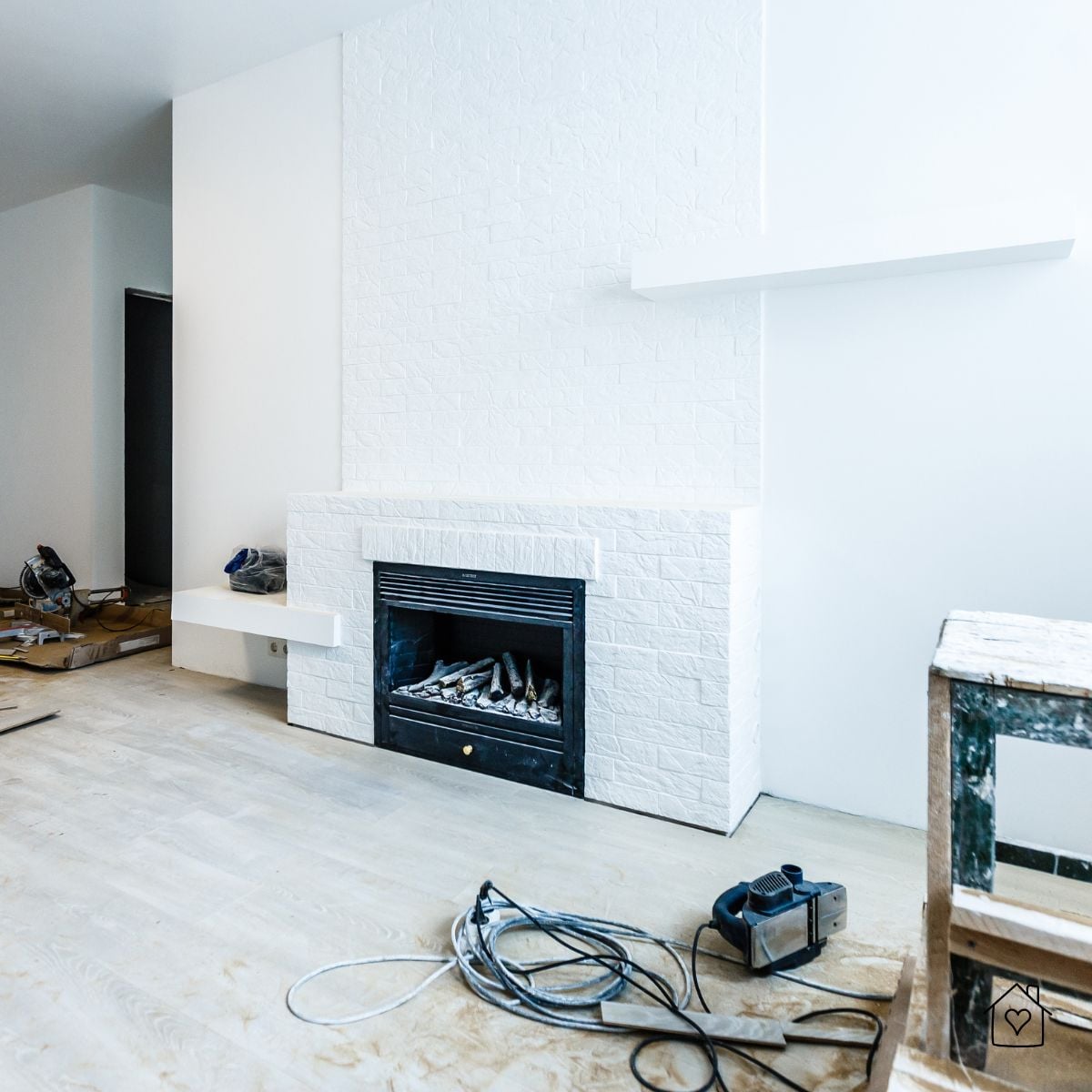
In living areas, simple changes like repainting walls or replacing worn flooring can dramatically transform the space. Neutral color palettes and modern finishes can make rooms feel larger, cleaner, and more cohesive without requiring a major investment.
In kitchens, even small updates, such as new cabinet hardware or updated faucets, can create a more polished look. These changes are relatively inexpensive but can significantly elevate the overall feel of your home.
Focus on Energy Efficiency
Cost-effective upgrades aren't just about appearance. They are also about long-term savings. Improving your home's energy efficiency is one of the smartest investments you can make as a new homeowner.
Start with simple steps like sealing gaps around windows and doors, upgrading to LED lighting, and installing a programmable thermostat. These changes are affordable and can reduce your monthly utility bills almost immediately.
If your budget allows, consider upgrading insulation or replacing older appliances with energy-efficient models. While these upgrades may require a higher upfront cost, they often pay for themselves over time through reduced energy consumption.
Don't Overlook Bathroom Improvements
Bathrooms are one of the most frequently used spaces in any home, yet they are often overlooked in early upgrade plans. The key is to approach bathroom improvements strategically, focusing on updates that provide both function and style without requiring a full renovation.
Simple changes like replacing installing a new vanity or updating mirrors and lighting can make a noticeable difference. Even regrouting tile or adding a fresh coat of paint can breathe new life into the space.
For homeowners considering a more involved refresh, it is worth understanding how to manage costs effectively. The goal is not to cut corners, but to prioritize upgrades that deliver the most value for your investment.
Improve Storage and Organization
One of the most practical upgrades you can make as a first-time homeowner is improving storage. A well-organized home feels more spacious and functional, even if the square footage does not change.
Start by evaluating underutilized areas; adding shelving, hooks, or modular storage systems can instantly make these spaces more efficient. In kitchens and bathrooms, drawer organizers and cabinet inserts can help maximize every inch of available space.
Built-in storage solutions can be a worthwhile investment if done thoughtfully, but even small, budget-friendly additions can significantly improve how your home functions day to day.
Upgrade Lighting for Immediate Impact
Lighting is one of the most underrated elements in home design, yet it has a powerful effect on both mood and usability. Many older homes come with outdated or insufficient lighting, which can make spaces feel dim and uninviting.
Swapping out old fixtures for modern designs is a relatively low-cost upgrade that can instantly elevate your home's aesthetic. Consider layering different types of lighting, including ambient and accent, to create a more dynamic and comfortable environment.
In addition to improving style, better lighting can enhance functionality in areas like kitchens, bathrooms, and workspaces. This makes it a practical upgrade that pays off in everyday use.
Enhance Curb Appeal on a Budget
First impressions matter, and your home's exterior is the first thing both guests and potential future buyers will notice. Fortunately, improving curb appeal does not have to be expensive.
Simple upgrades like landscaping, painting the front door, or updating house numbers can make a big difference.
These improvements not only make your home more inviting but can also contribute to its overall value over time.
Know When to DIY and When to Hire Professionals
One of the biggest decisions first-time homeowners face is whether to tackle projects themselves or bring in professionals. While DIY can save money, it is important to be realistic about your skills and the complexity of the project.
Simple tasks like painting, installing hardware, or assembling storage solutions are often manageable for beginners. However, more complex projects, such as electrical work, plumbing, or structural changes, are best left to professionals.
Attempting to DIY beyond your skill level can lead to costly mistakes, ultimately negating any initial savings. Knowing when to invest in professional help is a key part of managing your budget wisely.
Avoid Over-Improving Too Soon
It is easy to get caught up in the excitement of upgrading your new home, but it is important to avoid over-improving, especially early on. Spending heavily on high-end finishes or extensive renovations may not always provide a strong return, particularly if the rest of the home or neighborhood does not match that level of investment.
Take time to live in your home and understand how you use the space before committing to major upgrades. This allows you to make more informed decisions and ensures that your investments align with your long-term needs.
Build Value Over Time
Cost-effective upgrades are not about quick fixes; they are about building value gradually. By focusing on thoughtful, strategic improvements, you can enhance your home's comfort, functionality, and appeal without putting unnecessary strain on your finances.
As a first-time homeowner, your goal should be progress, not perfection. Each upgrade, no matter how small, contributes to creating a space that feels truly yours. Over time, these improvements add up, transforming your home into a place that reflects both your style and your priorities.
By approaching upgrades with patience and intention, you will not only improve your living experience but also set a strong foundation for future value.