Rain, Sun, Snow, and Dust: What Your Front Door Endures Daily
Your front door serves as the gateway to your home, welcoming guests and protecting you from the elements. It stands resilient against various weather conditions, from harsh rains to blistering suns and heavy snowfalls to relentless dust storms.
Each of these elements takes a toll on your door, often leading to wear and tear if not adequately maintained. Understanding how these conditions affect your front door can help you appreciate its role and the care it needs. Without regular attention, even the sturdiest doors can succumb to the harsh realities of daily exposure.
*This post may contain affiliate links and I'll earn a commission if you shop through them. You can read my full disclosure here.
Impact of Rain and Moisture
One of the most significant threats to your front door is rain. Prolonged exposure to moisture can lead to wood swelling, warping, or rotting in wooden doors. Metal doors, while resistant, can still suffer from corrosion if not properly primed and painted. The challenges rain presents are exacerbated by issues of drainage and roof overhangs. Poor drainage systems can cause water to pool near the entrance, intensifying the damage. To combat these challenges, homeowners should consider investing in a weather-tight seal that protects against moisture seepage. Doors with overhanging awnings or porches generally fare better against rain. Those equipped with drainage systems that direct water away from the entrance are at a lower risk. Regardless of protective measures, regular upkeep is critical. By learning how to clean your front door to prevent the formation of mold or mildew, you can maintain its appearance and functionality. It's good to wipe the door down periodically and check for any signs of damage inflicted by moisture to keep your entry safe and welcoming.
Sun Exposure and Temperature Changes
Direct sunlight can significantly damage a front door, particularly those made of wood or painted surfaces. Ultraviolet rays can fade paint and even the wood itself, causing unsightly discoloration. The heat can cause wood to expand and contract, leading to fractures or gaps that might allow water infiltration. Metal doors, on the other hand, can become hot to the touch and may fade, especially if they have a lower quality paint finish. Understanding the significance of sun exposure gives homeowners the upper hand in protecting their door. Using high-quality, UV-resistant paint can help mitigate the damage caused by prolonged sun exposure. There are protective films and coatings available that can shield your door from UV rays without compromising its aesthetic appeal. Periodic inspections are key. Watch for signs of fading or blistering paint, as these are indications that your door is succumbing to the sun's rays. Quick remedial actions, such as repainting or refinishing, can save your door from significant damage in the long run.
Challenges Posed by Snow and Ice
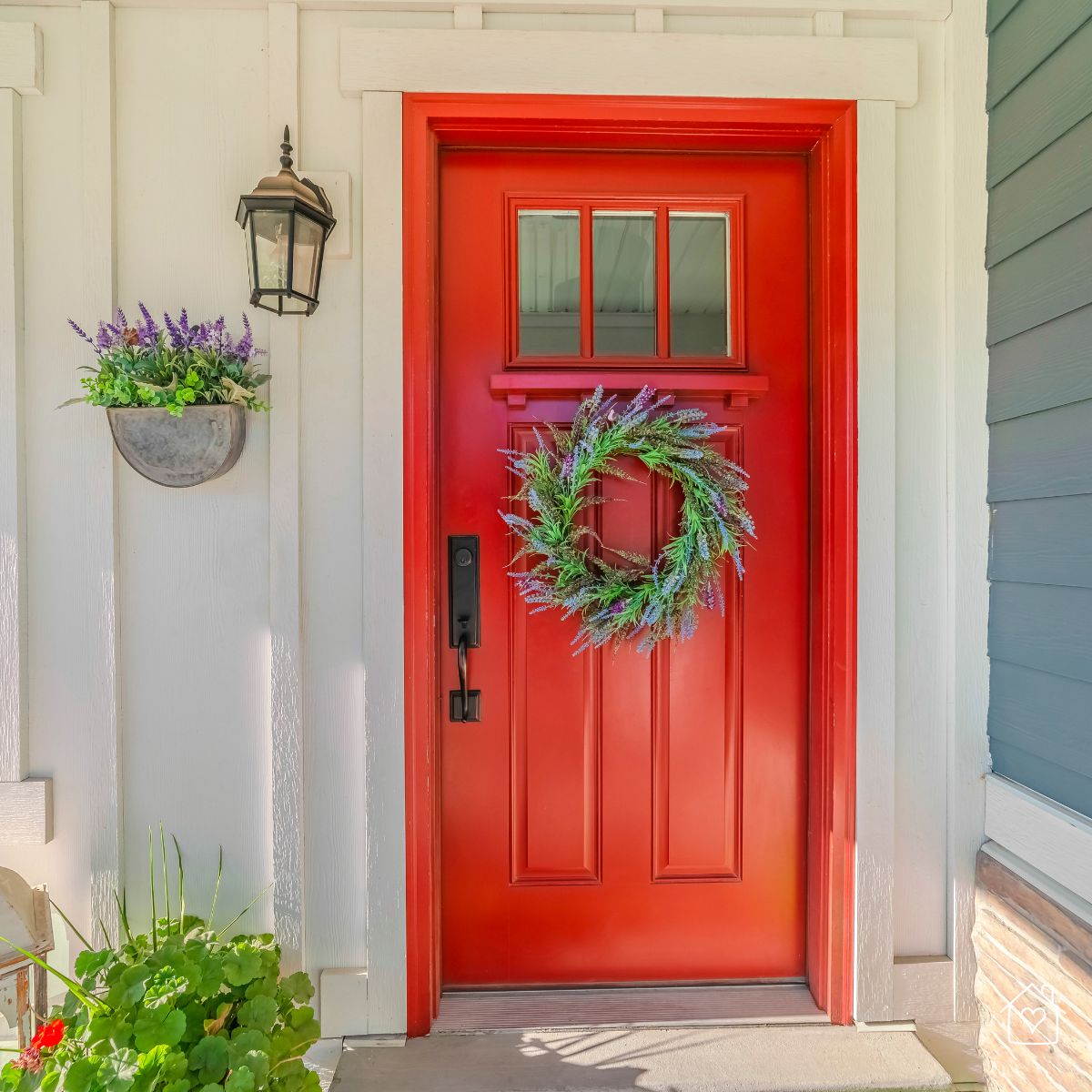
Snow and ice can cause unique problems for your front door. Accumulations of snow can place unexpected weights on your door, especially if left unshoveled, while icy conditions can cause it to stick or create difficulties in opening and closing. The ice and thaw cycle contributes to wear, as the door's materials repeatedly expand and contract. Crucially, moisture trapped in the door can create internal damage, leading to further deterioration. To minimize these risks, promptly clearing snow and ice from the area around your door is essential. Homeowners should ensure that any frozen locks or handles are thawed before attempting to operate them to avoid unnecessary damage. Consider investing in weather stripping or door sweeps that can help block out cold drafts while minimizing moisture entry. These preventative measures can greatly extend the lifespan of your door, saving you from expensive repairs during the winter months.
The Role of Dust and Pollutants
Dust and other environmental pollutants have a less overt but still significant impact on your front door. Dust collects on surfaces and can lead to scratches and dullness, especially if not cleaned regularly. Acidic pollutants in the air can cause premature aging in wood and paint finishes. Regular exposure can diminish your door's beauty and even impact the materials' integrity if not addressed. Regular
Ventilation and Air Quality
Good air quality plays an integral role in maintaining the health of your front door as well. Poor indoor air quality, often caused by inadequate ventilation, can lead to humidity problems that affect wooden doors. Elevated moisture levels can prompt wood to swell, warp, or decay, necessitating costly repairs or replacements. Regular ventilation helps maintain balanced humidity levels, thus reducing stress on your door's materials. Ensure that air flows properly around your home and consider using dehumidifiers in high moisture areas to prevent excess moisture from affecting your door's structure. Comprehending the factors affecting your front door can guide homeowners in making informed maintenance decisions. Whether dealing with rain, sun, snow, dust, or air quality, paying close attention to these elements can reduce wear and extend the longevity of your door. Inspecting regularly and taking preventive actions lays the groundwork for maintaining the entrance to your home.
Signs Your Door Needs Attention
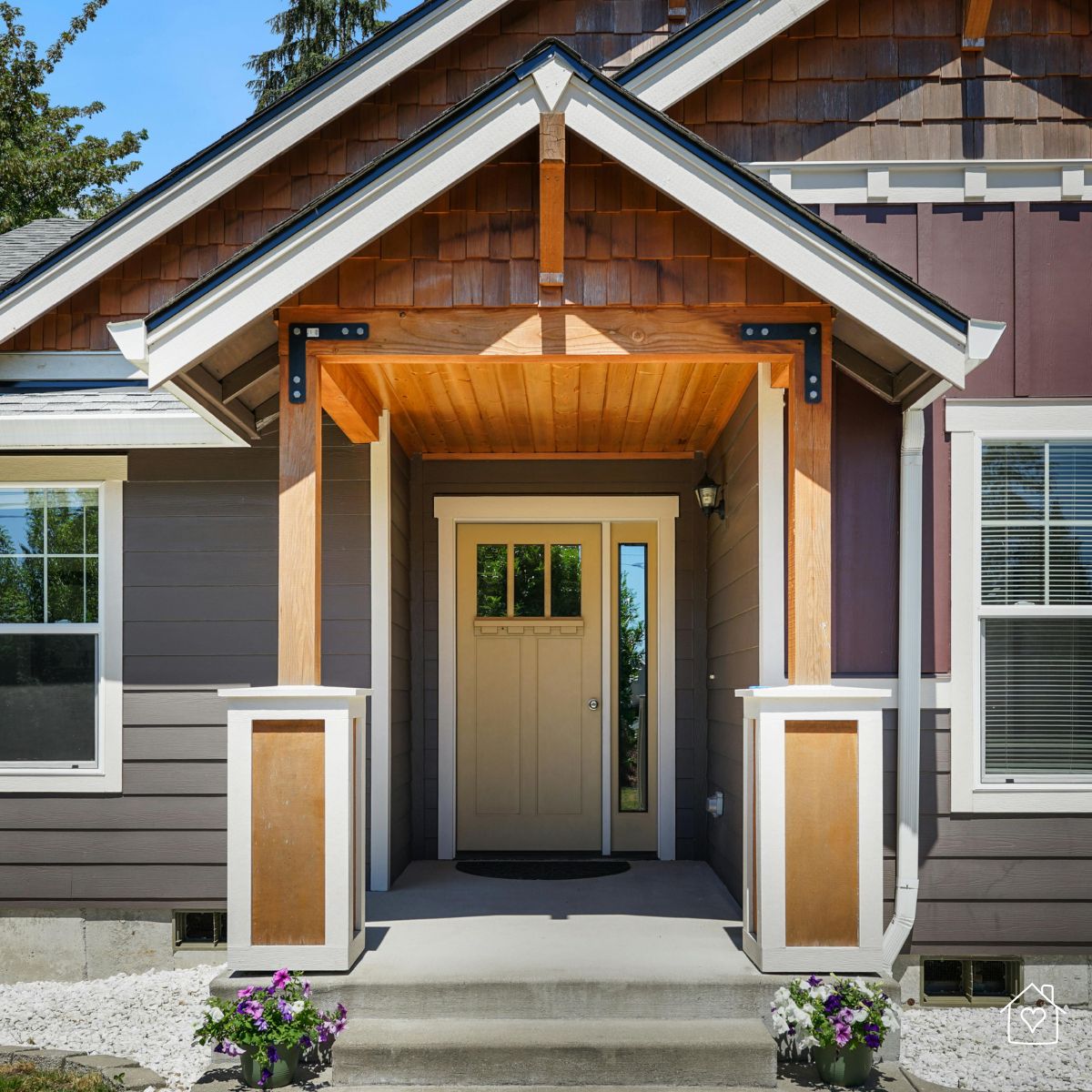
Recognizing when your front door requires care can help you prevent more extensive damage. Watch for signs such as warping, cracking, peeling paint, or difficulty in opening and closing.
Other indicators may include excessive drafts, temperature fluctuations at the entrance, or visible mold presence. Each of these signs denotes that your door is being negatively impacted by its environment, so addressing these issues promptly is imperative. Ignoring early warning signs can lead to bigger problems, from poor insulation to structural damage that may require immediate attention and replacement. Routine checks can help maintain your front door.
At least once a season, conduct a visual inspection, taking note of any changes in the door's appearance or performance. Pay attention to the hinges. If the door is sticking, it may be time to lubricate or even replace the hinges. Simple steps can go a long way in ensuring your door remains functional and inviting all year round.
Maintaining your front door may seem burdensome at times. The benefits far outweigh the effort involved. Regular attention ensures that your door remains aesthetically pleasing and performs effectively in protecting your home against the elements. This balance between form and function is essential, and well-maintained doors enhance curb appeal while preserving home safety.