The Ultimate Guide to Building a Luxury Chocolate Collection
There are few pleasures in life that have the elegance, history, and pure craft of luxury chocolate.
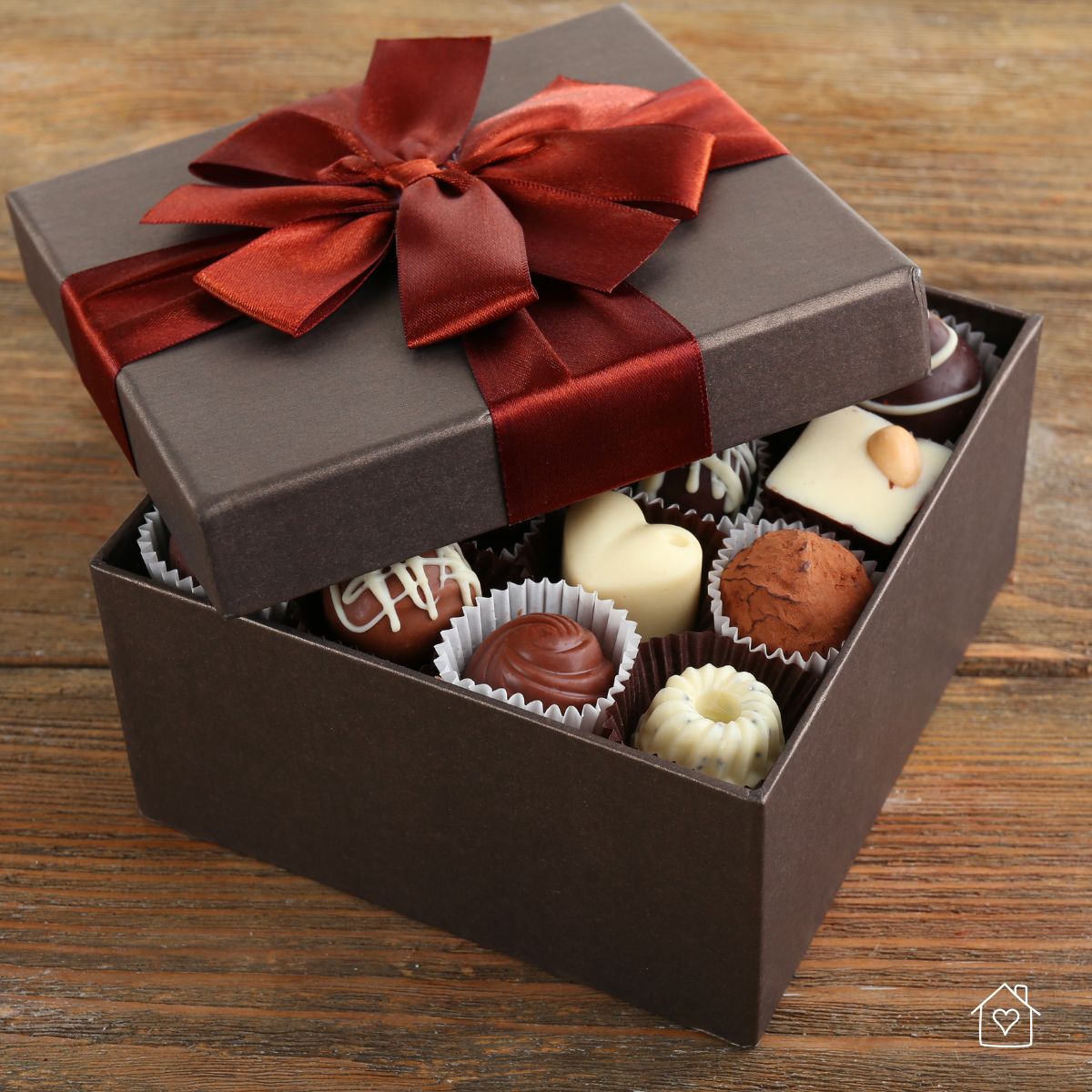
To the serious chocolate connoisseur, chocolate is not a pleasure or an appetizer, but an investment, an experience, and the enjoyment of a centuries-in-the-making masterpiece. With a gorgeous assortment of singular chocolates, you can make your own to savor or consume, store and display, and enjoy as a pastime and tribute to the craftsmanship of chocolate. From heritage makers to what to look for when you taste, here is your guide to building a luxury chocolate collection that anyone can appreciate.
*This post may contain affiliate links and I'll earn a commission if you shop through them. You can read my full disclosure here.
Begin with the Icons of European Chocolate
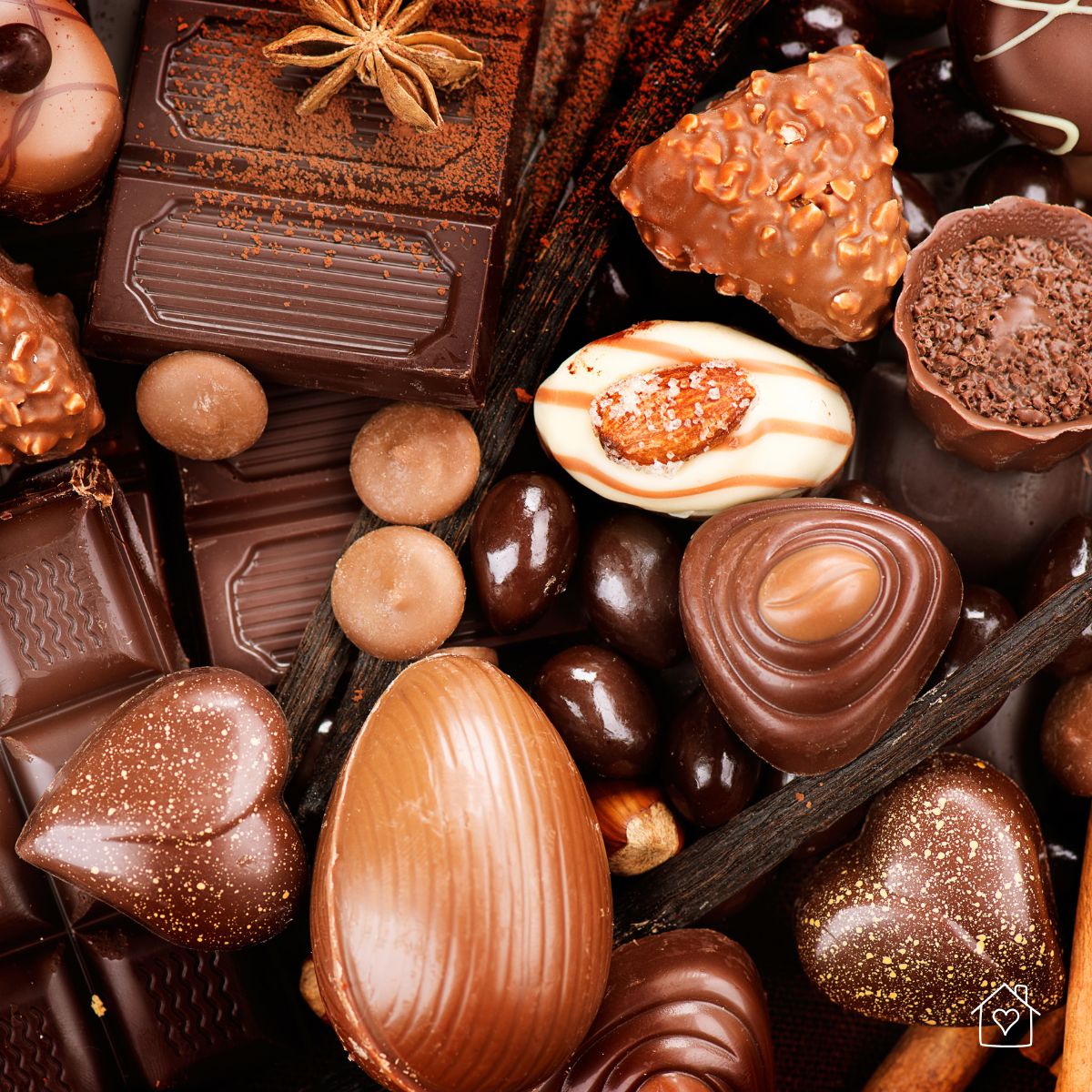
The history of chocolate in Europe is one that is old. Switzerland, Belgium, and Italy are countries whose names are collectively identified with the history of chocolate. Whatever has been produced by these countries in ways of practices and products has proven to withstand the test of time. Insofar as what to buy is concerned, you would like to consider the following.
- From Switzerland, the chocolate bars of Läderach with their fantastic flavors and textures, combined with nuts and dried fruit.
- From Belgium, pralines from Neuhaus and Pierre Marcolini. Both are made with skill but also push the boundaries of what is contemporary in the palate.
- Then there is Italy, the gianduiotto of Turin, produced only by Venchi. Gianduiotto is a chocolate with hazelnuts, first introduced in Turin in the 19th century. This version is truly the taste of Italy when it comes to chocolate.
To place any of these chocolates in your collection will ensure that you have something to consider for the ages. Like a cellar, your collection should include the best chocolates of the year, but it should also feature classics.
Curating Seasonal Rotations
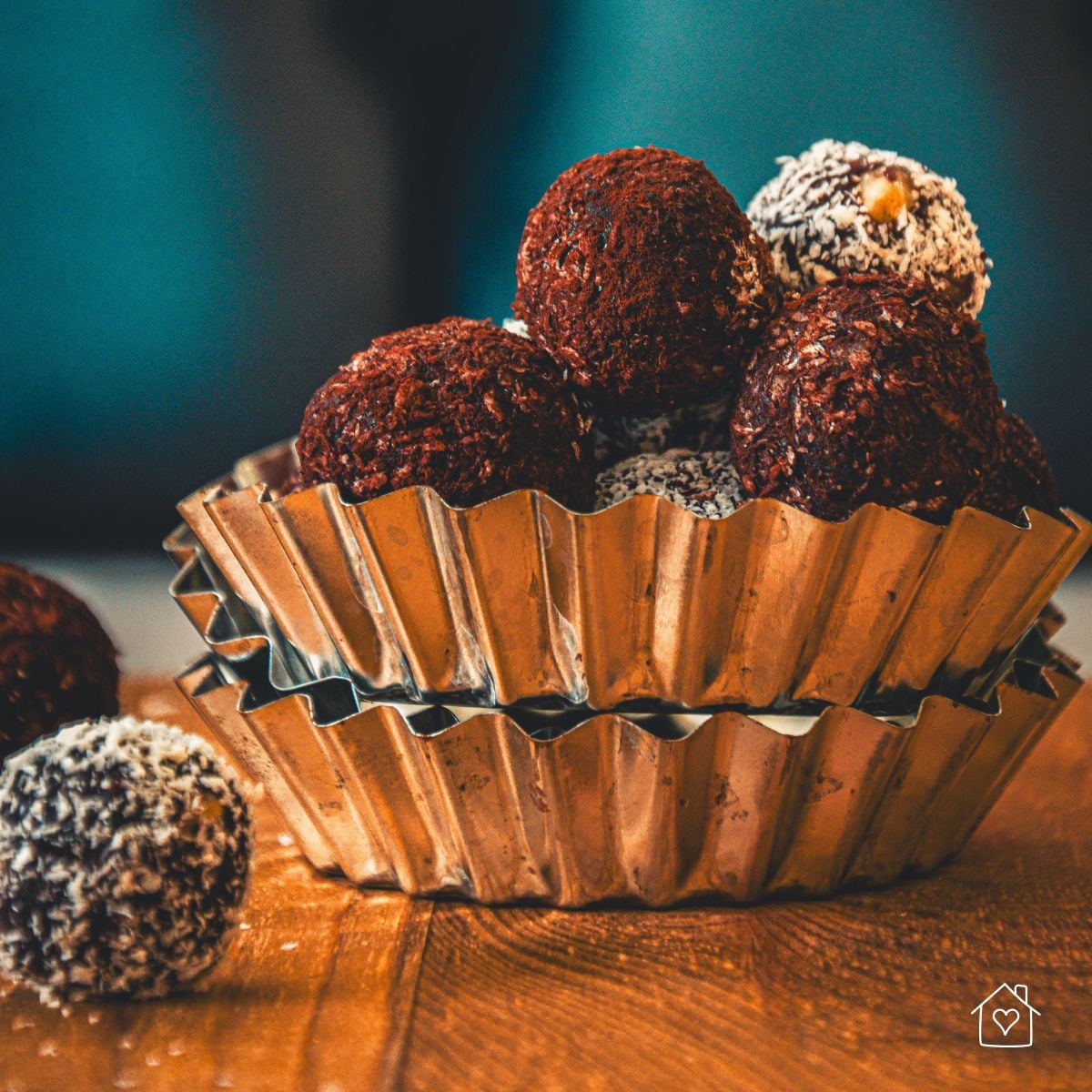
The joy of collecting is that it is within each seasonal rotation. In the spring and summer, that might mean you're feeling flavors bright: citrus truffles, floral notes like rose water or violet, white chocolate with an herb addition. Come fall, richer expressions may take priority: caramels, pralines spiced with warm notes, a range of flavors from cinnamon to chestnut. Winter allows for the heaviest of flavors: high cacao percentage dark chocolate, multi-tiered ganaches, and alcohol-inspired bites that nod to the celebration of the season.
Rotating the tastes of all seasons keeps your collection current and helps new and returning visitors experience flavor profiles inspired by the yearly cycle.
The Art of Storage
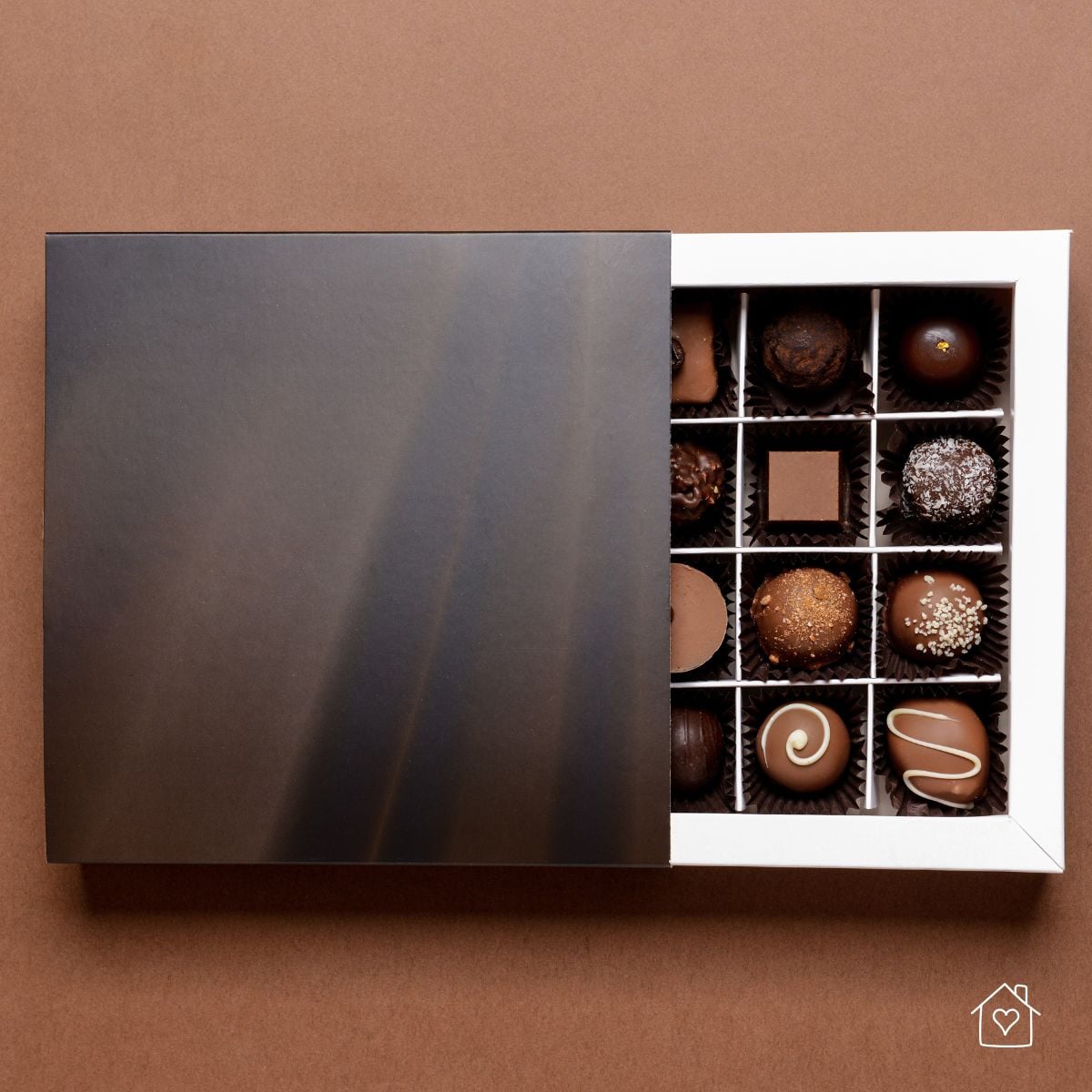
If you're serious about preserving the delicate flavors and textures of your chocolate, keeping it in the right conditions is of paramount importance. The chocolate should be stored away from heat, light, and other odors. In particular, the fragrances of other foods should be kept away, as the fat in the chocolate can absorb other smells with ease since cocoa butter is the base of the structure.
For the true collector, the purchase of a specific chocolate cabinet or humidor (much like one that stores cigars) can be an invaluable home addition. It is not only a way to retain properly tempered and delicious chocolates, but also a way to make the consumption of chocolate at home a daily ritual imbued with a sense of sophistication.
Tasting Like a Connoisseur
Chocolate tasting is an art, akin to the conventions of wine or whisky tasting. Proper chocolate tasting includes all five senses:
- Sight: assess the shine and smoothness of the chocolate, which indicates good tempering
- Sound: hear the "snap" of a cleanly broken bar, a sign of firm cocoa crystals
- Smell: a deep, clarifying breath (with fine chocolate, you should detect a heady bouquet that can be fruity, floral, earthy, or nutty)
- Taste: a piece of chocolate chewed slowly, melting smoothly on your palate, revealing layers of flavor over time
- Touch: feel the texture and gauge how quickly it melts on your tongue, like body temperature
Inviting friends over for a chocolate tasting can be as thrilling as a wine evening, with curated flights moving from milk to dark, or by region and chocolatier.
Serving and Presentation
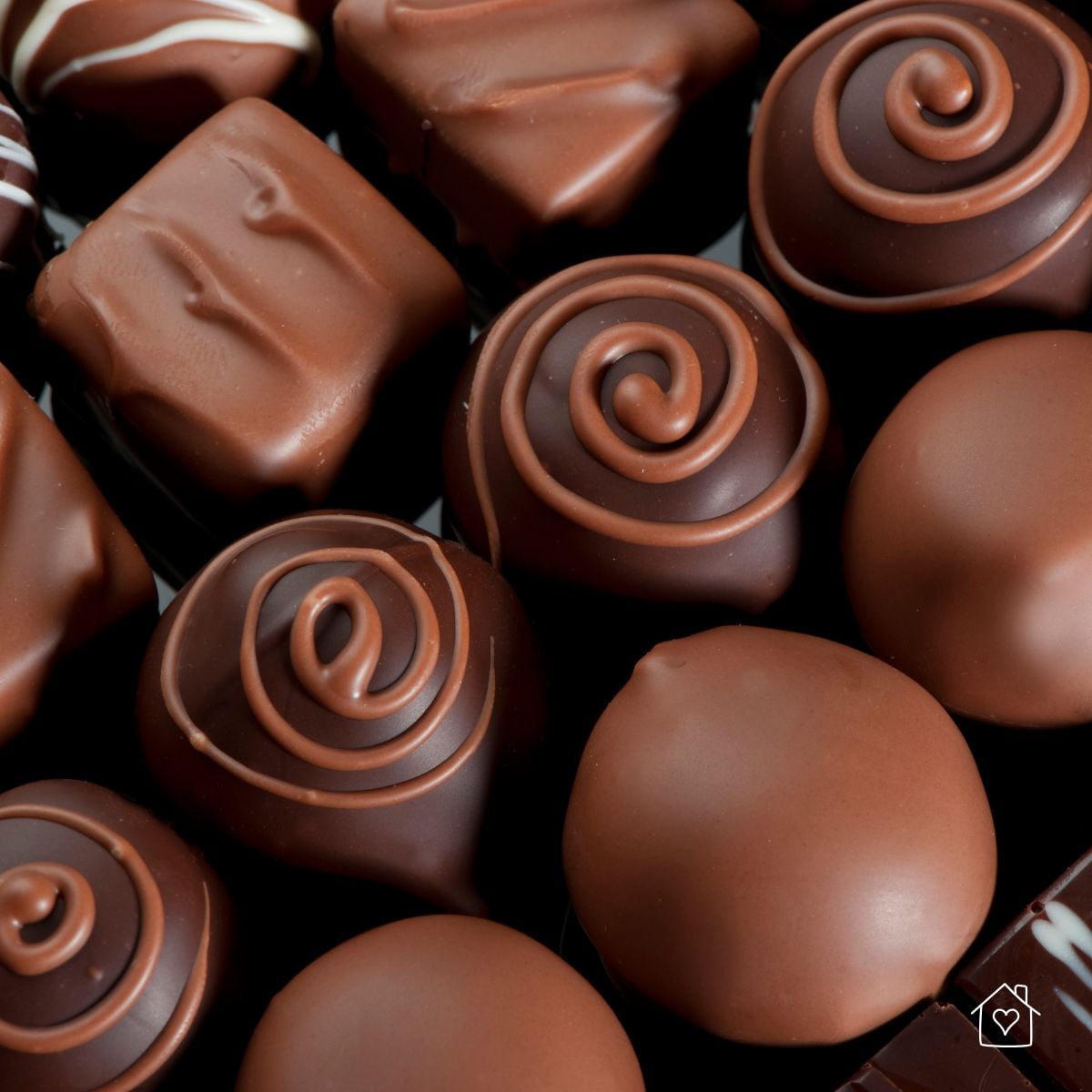
Chocolate requires a presentation that matches its craftsmanship. To open an evening, never reveal them in wrappers. Lay them on marble or wood boards, accompanied by custom cards providing such information as their place of origin, percentage of cacao, and personal terroirs, or seductive tasting notes.
To savor the chocolates as they were meant to be, serve them at their optimum temperature, not cold, not warm. The room you reserve for presentation should be a little cool to offer a bite that retains its shape and smell and yields flavors freely.
To open your tasting and invite an ascension of the experience, think about what to match. Strong darks with red wine, Belgian ale, or peated Scotch whisky. Milk chocolate with dessert wine, along with Armagnac or cognac. Tea can pair with a stirring variety. For those who love white chocolate, pair with an orange blossom-filled Earl Grey or citrus Pu-erh. Pralines tend to sparkle with the delicate sweetness and nutty fruits present in Wuyi oolongs.
Collecting as an Investment
Besides taste, a few chocolates serve as investments like some fine wines or limited-availability spirits. Exclusive collaborations, limited editions, or special release batches from such maisons as Valrhona, Domori, or Michel Cluizel can increase in value. Packaging, history, and scarcity all drive interest. Some collectors buy doubles of every limited edition: one to eat, one to treasure.
The Display of a Collector
Much of luxury lies in the curation, and as with any piece in a collection, a beautiful presentation is part and parcel of true preservation. Build a custom cabinet with glass-front chocolate drawers or get creative: place a small cache of chocolates on a rectangular tray in your living room for guests to pop into their mouths throughout dinner. A small cache in your den, home office, or library can serve as a revolving installation of chocolate masterpieces. Art should be seen, and, with many chocolates beautiful enough to be featured at an art fair, so should your collection.
A Sweet Celebration
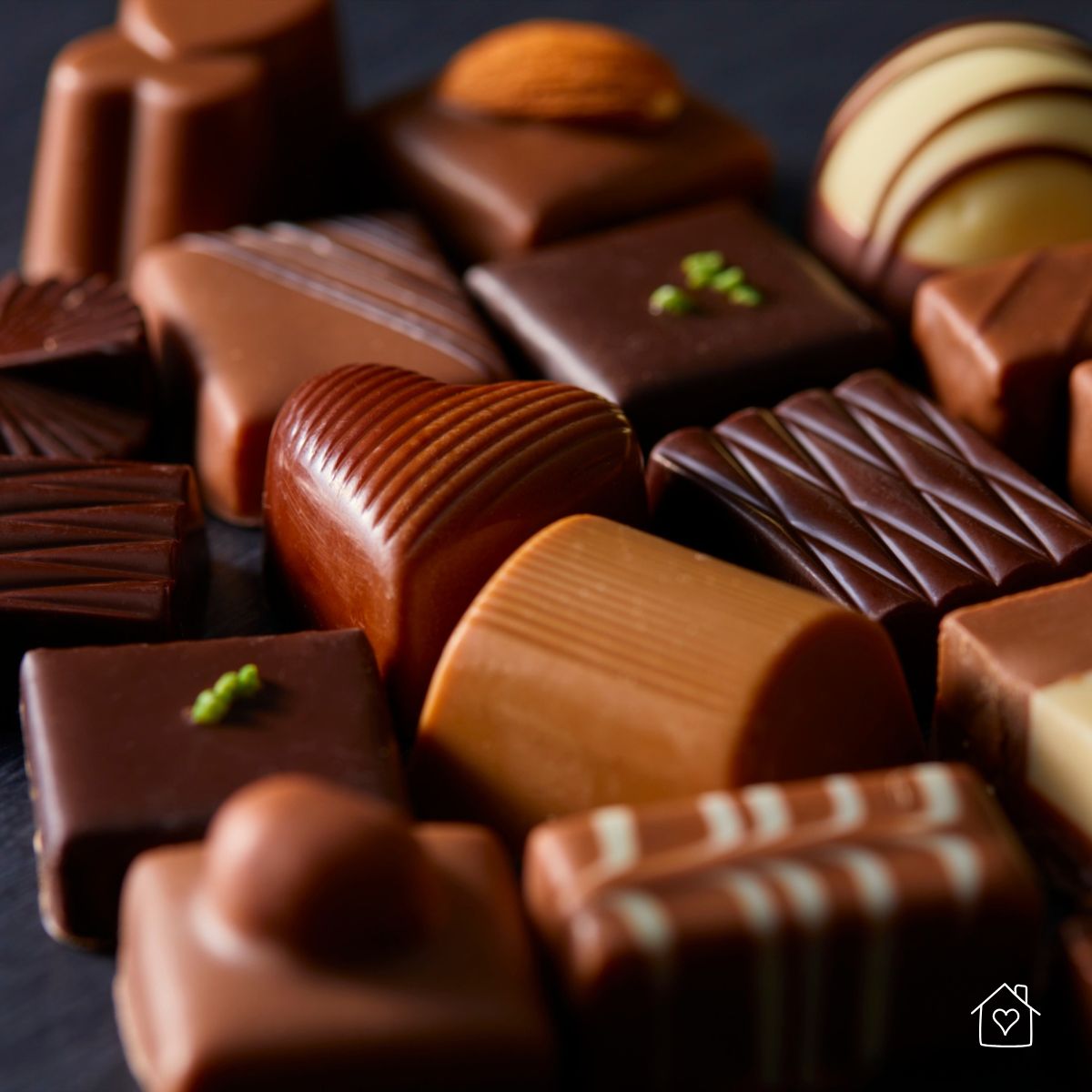
Collecting luxury chocolate is more than a hobby: it's a journey that grows with you, teaching history, technique, and personal taste along the way. By exploring iconic chocolates, including seasonal selections, storing them with care, and serving them thoughtfully, chocolate turns into a little ceremony and a shared moment.