Vinyl Siding Replacement in Massachusetts: What Homeowners Should Know Before Starting
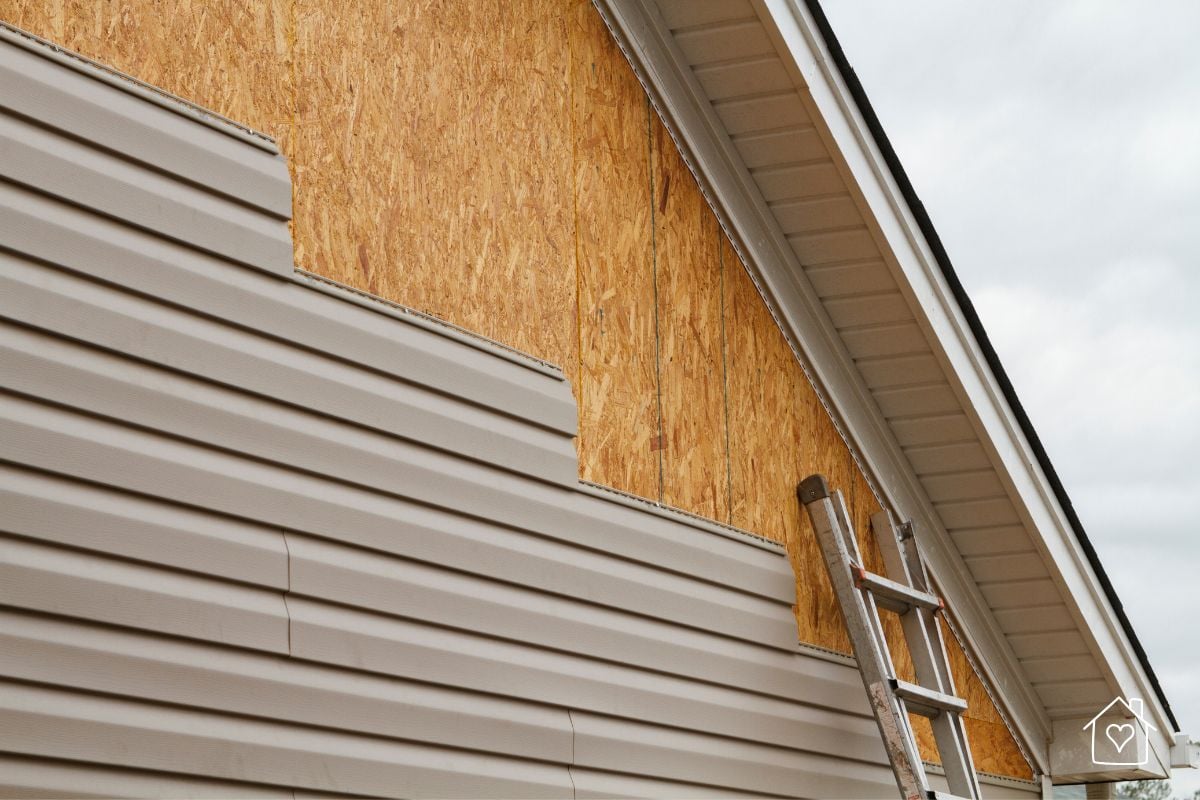
Vinyl siding is one of the most popular exterior choices for Massachusetts homes, and for good reason. It is durable, relatively low maintenance, and available in a wide range of colors and styles. But like any exterior material, it does not last forever. Over time, New England weather can take a toll on your siding, especially after years of snow, rain, wind, humidity, and seasonal temperature changes.
If your siding is faded, cracked, loose, warped, or no longer protecting your home the way it should, replacement may be a smarter long-term choice than another quick repair. Before starting a siding project, it helps to understand what signs to look for, what decisions you will need to make, and how to prepare your home for the process.
*This post may contain affiliate links and I'll earn a commission if you shop through them. You can read my full disclosure here.
Signs It May Be Time to Replace Your Vinyl Siding
Some siding issues are easy to spot. Others develop slowly over time. Homeowners often start thinking about replacement when the exterior no longer looks clean or updated, but appearance is only one part of the decision.
Cracked or broken panels are one of the clearest signs that your siding is no longer doing its job. Once siding is damaged, moisture can find its way behind the panels and create bigger problems. Loose siding is another warning sign, especially if panels shift during storms or strong winds.
Warping and bubbling can also point to deeper issues. These problems may happen when siding has been exposed to heat, moisture, or poor installation. If the siding no longer lays flat against the home, it may not be providing the level of protection your exterior needs.
You should also pay attention to signs inside the home. Drafts near walls, unexplained moisture, peeling interior paint, or rising energy bills can sometimes be connected to exterior problems. Siding works as part of the home's protective shell, so when it starts to fail, comfort and efficiency can suffer too.
From time to time, articles on The How-To Home may reference third-party websites, businesses, products, services, or review platforms as part of editorial research. When evaluating companies or services, we may consider publicly available information such as customer reviews, business websites, service offerings, licensing information when available, and overall relevance to the topic.
Why Massachusetts Weather Matters
Massachusetts homes deal with a wide mix of weather throughout the year. Cold winters, humid summers, coastal moisture, heavy rain, and freeze-thaw cycles can all affect exterior materials. This is one reason siding replacement should not be treated as only a cosmetic upgrade.
In colder months, damaged or loose siding can allow cold air and moisture to get closer to the structure of the home. During rainy seasons, gaps or cracks can allow water to move behind the siding. In coastal areas, wind and moisture can speed up wear and tear even more.
Because of these conditions, homeowners should choose siding materials and installation methods that are suitable for the local climate. A siding project should improve curb appeal, but it should also help protect the home from the weather conditions it faces every year.
Repair vs. Replacement: How to Decide
Not every siding issue requires a full replacement. If only one or two panels are damaged, a repair may be enough. For example, a small section damaged by impact or a loose panel after a storm might be fixable.
Replacement becomes a better option when problems are widespread. If many panels are cracked, faded, warped, or loose, repairs may only delay the inevitable. Matching old siding can also be difficult, especially if the original color has faded over time.
Another reason to consider replacement is age. Older siding may not perform as well as newer materials, and it may not offer the same level of durability or insulation support. If your siding is near the end of its lifespan, investing in replacement can be more practical than paying for repeated repairs.
Choosing the Right Vinyl Siding Style
Vinyl siding has come a long way in terms of design. Homeowners are no longer limited to basic panels or a small selection of colors. Today, vinyl siding can create a clean, modern, traditional, or even wood-like appearance depending on the style you choose.
Before selecting a color or profile, think about your home's architecture. A colonial-style home may look best with classic horizontal siding, while a more modern home may benefit from a cleaner, more streamlined look. You can also use accents, trim, shutters, and contrasting colors to give the exterior more character.
It is also important to think long term. A bold color may look great today, but a timeless neutral may hold broader appeal if you plan to sell the home in the future. The best choice is usually one that fits your personal taste while still matching the home's overall style.
Do Not Overlook Insulation and Moisture Protection
Siding replacement is a good opportunity to look at what is happening underneath the surface. Once old siding is removed, contractors can inspect for moisture damage, rot, mold, or insulation concerns. This step matters because new siding should not be installed over hidden problems.
Some homeowners also choose insulated vinyl siding, which can help improve comfort and reduce drafts. While siding alone will not solve every energy-efficiency issue, it can support the home's overall exterior performance when installed properly.
Moisture protection is another key part of the project. House wrap, flashing, sealing, and proper installation around windows and doors all help prevent water from getting behind the siding. This is especially important in Massachusetts, where rain, snow, and humidity can create long-term issues if moisture is not managed correctly.
Timing Your Siding Replacement Project
Siding replacement can be done during different times of the year, but many homeowners prefer spring, summer, or fall. These seasons often provide better working conditions and make it easier to complete the project without extreme cold or snow.
That said, waiting too long can be risky if your siding is already damaged. If panels are cracked, loose, or allowing moisture in, it is better to have the exterior inspected sooner rather than waiting for the "perfect" season.
Planning ahead is also helpful. Contractors may book up quickly during peak home improvement months, so starting early gives you more flexibility with scheduling, product choices, and project timing.
What to Expect During Installation
A professional siding replacement project usually starts with an inspection and measurements. The contractor will review the existing siding, check for visible damage, and discuss style, color, and material options.
Once work begins, the old siding is removed. This is when any hidden issues can be found and addressed. After that, the home is prepared with the proper protective layers before the new siding is installed.
The timeline depends on the size of the home, the condition of the existing exterior, weather, and the complexity of the design. A simple project may move quickly, while homes with detailed trim, repairs, or multiple exterior features may take longer.
Homeowners should also prepare the area around the house before installation begins. Move patio furniture, decorations, grills, and anything else close to the exterior walls. It is also a good idea to keep
Choosing the Right Contractor
Siding replacement is not just about picking a product. The quality of the installation matters just as much as the siding itself. Poor installation can lead to gaps, buckling, moisture problems, and a shorter lifespan for the exterior.
When choosing a contractor, look for experience with local homes and local weather conditions. Massachusetts homeowners should work with a company that understands how siding performs through cold winters, wet seasons, and changing temperatures.
It is also smart to ask about the installation process, product options, warranties, cleanup, and how the contractor handles unexpected issues found after old siding is removed. A reliable contractor should be able to explain the project clearly and help you make informed decisions.
For homeowners planning vinyl siding replacement in Massachusetts, working with an experienced local exterior remodeling contractor can help ensure the project is handled properly from the first inspection to the final cleanup.
Final Thoughts
Replacing vinyl siding is a major exterior upgrade, but it can also be one of the most valuable improvements you make to your home. New siding can improve curb appeal, protect against weather, reduce maintenance, and help your home feel more comfortable throughout the year.
Before starting, take time to inspect your current siding, understand your options, and choose a contractor who knows how to work with Massachusetts homes. With the right planning, vinyl siding replacement can give your home a cleaner look, stronger protection, and better long-term performance.