What Are the Most Affordable HVAC Solutions for DIY Installation?
An affordable and hands-on HVAC solution is ideal for homeowners since these complex systems greatly impact comfort levels. DIYers should make informed decisions throughout the entire buying process to ensure they install the right one. Remember, affordability extends beyond the up-front price. Here are the top companies and more things to consider when purchasing a new HVAC system.

Understanding Your Options
Options with DIY capabilities exist if you want to install an HVAC system yourself. However, central air and duct-heavy systems need professional installation. Focus on these types that are easy enough for homeowners to add on their own.
Ductless Mini-Splits
Ductless mini-splits are a popular HVAC system for DIY enthusiasts. The lack of ducts makes them accessible for certain homes. They require minimal space and are highly efficient, but they can be expensive and may not match your home's aesthetic. Still, they are an excellent option for DIY projects.
Window Units and Portable Heat Pumps
Window units are easy to install because they fit into an available window. You can place portable heat pumps directly on the floor and turn them on. These options are ideal for single rooms that require heat or air conditioning. New heat pump technology can improve these systems' energy efficiency.
Geothermal and Solar
Geothermal and solar systems are more costly to install, but the technology is significantly advanced and efficient. You can DIY them, but professionals may recommend their help. They are a great option for homeowners interested in long-term and sustainable HVAC systems.
Combination Packages
When purchasing HVAC systems to install, consider combination packages. Buying one device for heating and another for cooling can be expensive. Consider systems with both heating and cooling features to save money and time.
Add-Ons
You can also purchase add-ons to make your HVAC systems more well-rounded. Some products come with indoor air quality checkers and features for humidification or dehumidification. Look into these options to determine if they are a worthwhile investment.
*This post may contain affiliate links and I'll earn a commission if you shop through them. You can read my full disclosure here.
Key Factors to Think About Before You Buy
You should consider several factors before installing HVAC. Just because the initial price is cheap does not mean the system is not expensive. It also requires proper upkeep so it operates at peak efficiency. Keep these things in mind when deciding on the right option for your home.
Long-Term Costs
Consider the energy efficiency of the system. If it automatically turns on and off or emits fewer pollutants, then it may cost less in the long run. Brands usually note this prominently, so it should be easy to check.
In addition, various maintenance needs add up over time. Paying more at the beginning may mean the product lasts longer. Durable materials with warranties are ideal.
The lifespan of the HVAC system is also important. Lifetime warranties are desirable, but DIY products may not last as long. There should be some indication in the product description about its expected duration.
System and Home Requirements
Consider where your HVAC system will be placed and calculate how many British Thermal Units of energy are needed to heat and cool your home. Do not oversize or undersize your unit. Use a calculator to determine the exact size based on your desired temperature. For example, a 1,000- to 1,200-square-foot home would require 21,000 BTUs per hour.
The number of parts each product requires is essential. It can become costly if you have to buy multiple products. DIY projects require tools and expertise, so consider this before purchasing any equipment.
It's also vital to determine the duct availability in your home. Many HVAC systems require ducts to filter air and operate properly. Most DIY solutions do not need ducts, but some of the more complex systems do. Each home is unique, so be sure to assess this before making a purchase.
Consider the insulation and air sealing capabilities in your home. The areas around windows and doors is the most vulnerable. Invest in insulation or weatherproofing solutions to keep cool and hot air inside when using the HVAC system. This also makes the process more energy-efficient.
Project and Lifestyle Factors
Where you live will determine whether DIY projects are feasible. If you rent, check with your landlord and local building requirements to ensure you are permitted to install an HVAC system yourself. Homeowners have the most flexibility in this regard.
Most HVAC systems have a warranty. However, some companies may void it if you install them yourself. Check if your desired system requires professional installation or if it allows DIY work. Exercise caution during installation if it does not, as you will not get a refund if you break a part or need a replacement.
The noise an HVAC system makes is also worth consideration, as it ranges from nearly silent to loud and distracting. Window air conditioners typically make a lot of noise, whereas central air systems are quieter. Some DIY options are noisy while others are not. Assess the sound level you are comfortable with and select a system that matches it.
Also, if aesthetic and ambience are vital to you, consider systems that match your home's vibe. Most DIY systems are physically placed in rooms or protrude from walls, so you may need to find less noticeable areas to put them.
Modern thermostats are ideal for effective temperature regulation. You can control them with smart devices for easier adjustments. They may also be able to adjust the temperature based on occupancy and current air conditions, reducing energy consumption and saving money.
Top Companies for Purchasing DIY HVAC Systems
Select a company offering HVAC solutions for DIY installation and competitive pricing. Here are the top options.
1. iwae
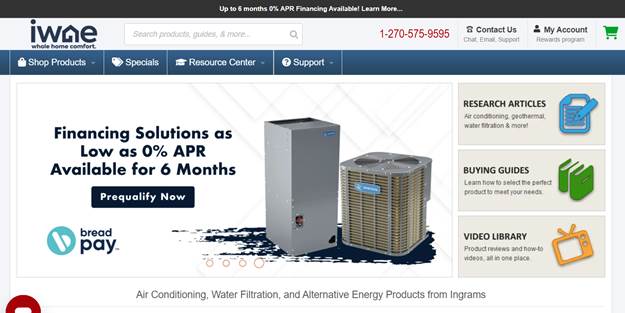
Iwae is one of the best companies to purchase HVAC solutions from. It is an internet retailer that has been in business since 2000, and its staff has experience in purification, home comfort equipment, and selling and servicing filtration. The sales team includes industry veterans with expertise in inventory management, shipping quality products quickly and efficiently, and negotiating with suppliers.
The company fixes issues when order problems occur. It delivers high-quality products at affordable prices, along with lifetime technical support. Some potential DIY items it sells include geothermal and window units, as well as ductless split systems.
2. HVACDirect
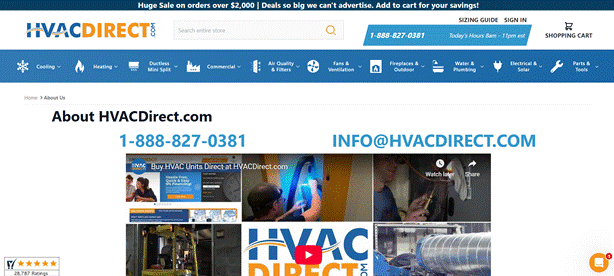
HVACDirect began selling HVAC systems in 2015. This online supplier features high-quality, accessible and affordable products. So far, it has completed 140,000 orders through its seven distribution centers.
The company replaces broken systems and upgrades plans accordingly. Its process is smooth and cost-effective, and valued experts provide HVACDirect customer service. A few of its DIY products are window units, solar devices and mini-split systems.
3. Senville
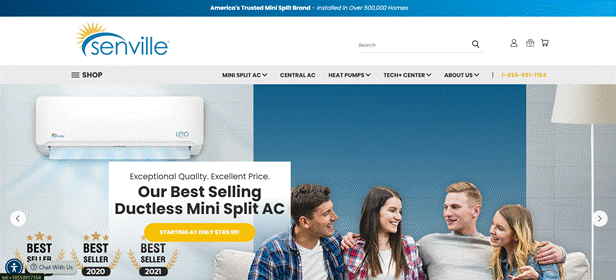
Senville has sold HVAC systems since 2005. It primarily sells mini-split air conditioners and heat pumps for DIY projects. Its products reduce energy consumption and minimize carbon emissions. The company has helped install over 100,000 mini-split air conditioners.
Some of Senville's products work with mobile apps for easier use. You can build multizone systems directly on its website to specifically fit your home's requirements. The company offers free shipping.
4. HeatAndCool
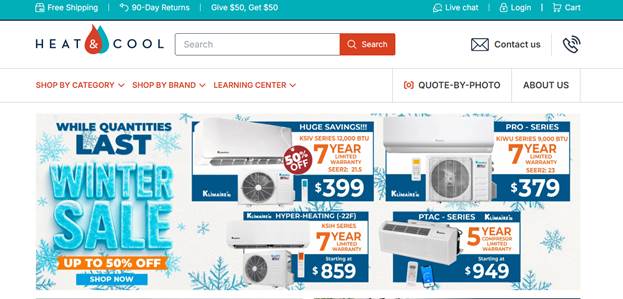
HeatAndCool offers a wide range of ductless mini-splits and heaters from various brands. It has a Learning Center for product information, frequently asked questions, how-to guides and maintenance tips. You can also receive quotes based on photos of your current system.
This online distributor offers fast, free shipping with a 90-day return policy if your system is unsatisfactory. It provides technological support in multiple languages for accessibility.
5. The Home Depot
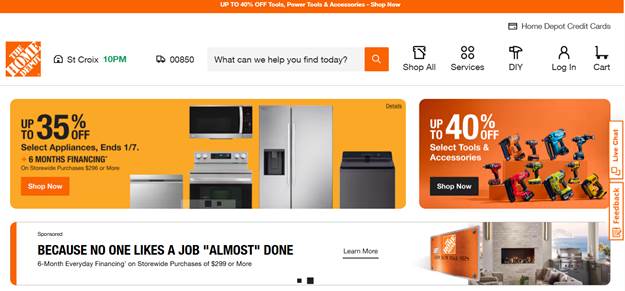
The Home Depot is a well-known solution for HVAC systems. It sells mini-split heat pumps, ductless mini-split air conditioners and central systems from many notable, trusted brands. It offers an established customer service center for inquiries.
The company specializes in DIY projects but also offers professional installation if you prefer not to do it yourself. It also has an accessible app for easier use and product purchases.
6. AC Direct
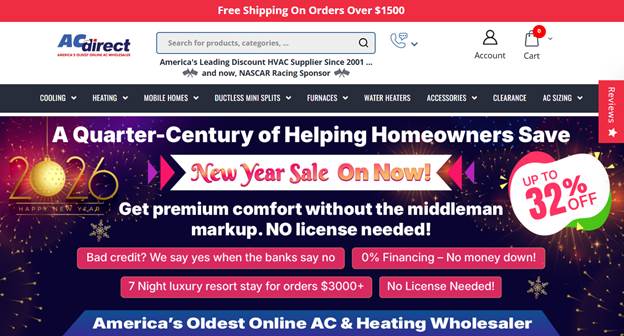
AC Direct has sold HVAC systems since 2001. Its products include ductless mini-splits and heat pumps, as well as other heating and cooling and mobile home options. It also offers free shipping on purchases exceeding a certain amount.
AC Direct is a discount HVAC supplier offering a 125% low price guarantee. Its customers are homeowners, contractors, business owners and real estate professionals. There are many affordable HVAC solutions available on its website.
7. Lowe's
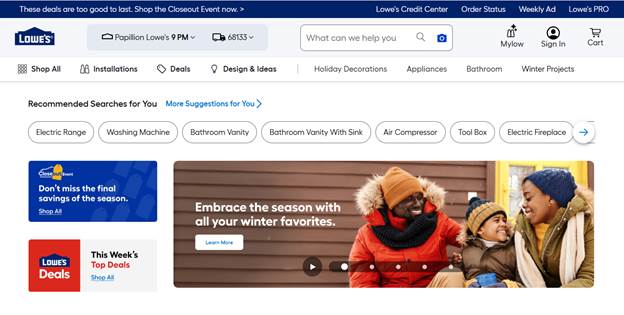
Lowe's is an established home improvement retailer with expert staff. It opened its first store in 1921 and performs around 16 million transactions per week, according to its website. The company offers a seamless omnichannel retail experience to make it accessible for customers.
Lowe's has a Total Home Strategy that includes Pro, Online, Installation, Services, Loyalty Ecosystem and Space Productivity stages. Its most notable HVAC system is its wide selection of ductless mini-splits from popular brands.
8. SupplyHouse
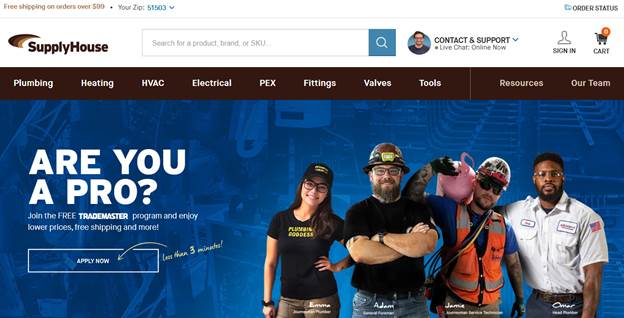
SupplyHouse sells around 500 of the industry's top brands from four fulfillment centers in the United States. Its customer service is available via chat, email, text or call. It offers a Trademaster Program for free with exclusive benefits if your DIY knowledge extends professionally. It also provides many services beyond just HVAC systems.
It features a project calculator to help customers determine the installation price. SupplyHouse offers quick orders and saved carts to keep track of your products. For DIY HVAC systems specifically, the company sells ductless mini-splits, heat pumps, packages and outdoor units.
9. The AC Outlet
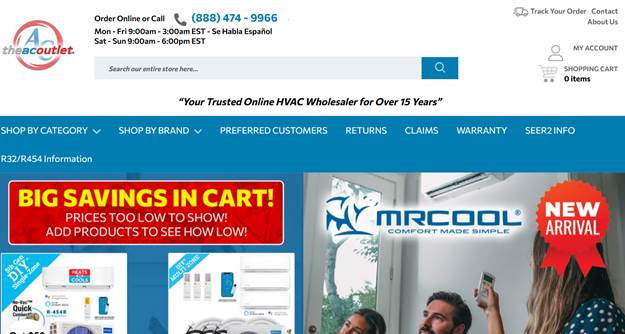
The AC Outlet has been in business since 2008 and has a large network of distribution centers with a variety of notable brand options. It sells wholesale HVAC equipment with free shipping for select products.
The company features dedicated customer service and support. It has fast and secure online ordering and guarantees low prices. One of its main HVAC products is the ductless hyper heat mini-split pump.
Comparison Table of Top HVAC Solutions
| Company | Key Features | ||
| iwae | Since 2000 | Sales team of industry veterans | Lifetime technical support |
| HVACDirect | Since 2015 | Affordable | Seven distribution centers |
| Senville | Since 2005 | Minimizes energy consumption | Works with mobile apps |
| HeatAndCool | Learning center | 90-day return policy | Bilingual technological support |
| The Home Depot | Many trusted brands | Customer service center | Accessible app |
| AC Direct | Since 2001 | Free shipping over a certain amount | 125% low price guarantee |
| Lowe’s | Opened first store in 1921 | 16 million transactions per week | Total Home Strategy |
| SupplyHouse | Trademaster program | Project calculator | Saved carts |
| The AC Outlet | Since 2008 | Wholesale HVAC equipment | Fast and secure online ordering |
Methodology
Each company was selected based on key features, offerings and DIY HVAC system opportunities. The ranking was chosen according to a comparison of each product and similar lists.
A Realistic Guide to DIY Installation
Installing an HVAC system yourself is a complex and intensive process. It requires some industry knowledge and an understanding of the electrical components. Here are the general steps for completing an HVAC system installation.
- Assess: Survey your home for available space and duct availability. Assess your own HVAC needs as well.
- Choose: Pick an HVAC system based on your DIY capabilities, household needs and necessary space.
- Buy: Purchase the system, as well as any accompanying parts and tools you do not already have. Buy backup screws and bolts in case some get misplaced during the process.
- Install: Install the HVAC system yourself based on your knowledge, tutorial videos and expert advice. Prioritize your safety, as it involves handling sensitive electrical equipment.
- Test: Turn the system on and verify that it functions properly. This ensures it is safely installed and efficiently heats and cools the room.
- Maintain: Check the HVAC system periodically, especially if you use it consistently. Address minor issues as they arise to avoid incurring lengthy bills.
You can make several mistakes when installing HVAC if you are unaware of the risks. Some systems attach to the refrigerant line, so any mistakes made will affect multiple areas of the house. Also, electrical issues are common. Ensure you are handling everything properly and call in a professional if it becomes too complicated.
Install an HVAC System Yourself
Buying and installing an HVAC system yourself is more affordable than hiring a professional and setting up an elaborate system. Assess your home's capabilities and choose the right technology to match your needs. You'll complete the project with a sense of accomplishment, knowing you saved money and selected a system that will serve your home effectively for years to come.