11 Tips for Having a Comfortable House During Any Season
Everyone wants their home to be a cozy retreat-a haven that feels just right, no matter what wild weather is going on outside. Striking the perfect balance between warmth in winter and a cool breeze in summer can feel tricky, especially with all the little factors at play.
That's why we've rounded up 11 tips for having a comfortable house during any season that are practical, DIY-friendly, and won't break the bank. With a few tweaks and a little know-how, anyone can make their home into an inviting escape, no matter the time of year.
*This post may contain affiliate links and I'll earn a commission if you shop through them. You can read my full disclosure here.
Master Your Thermostat

Your thermostat isn't just a box on the wall-it's the command center for home comfort. If you're still using the basic model, upgrading to a programmable or smart thermostat is a game-changer.
Set it to lower the heat while you're asleep or out during winter, and have it cool things off before you get home in summer. This handy tech keeps you comfy exactly when you want and gives your utility bill a much-needed break.
Reverse Your Ceiling Fans

Ceiling fans aren't just for moving air-they're for moving air in the right direction at the right time. In summer, switch your fan blades to spin counter-clockwise to send cool air down and make rooms feel breezy.
However, once winter rolls around, flip that little switch to clockwise, so the fan gently redistributes the warmth that likes to rise up to the ceiling. You'll be surprised at how much cozier a room can feel, and it helps your heater take a break, too.
Use Window Coverings Wisely

Another tip for having a comfortable house during any season is to use your window coverings wisely. Windows might let in that lovely sunlight, but they're also sneaky sources of heat loss and gain. In summer, keep blinds and curtains closed-especially on south or west-facing windows-during the hottest parts of the day to block out the blazing sun.
In winter, fling those curtains open to soak up natural warmth whenever the sun's out, then draw them tight at night to help insulate the glass from the cold. Bonus tip: heavy, lined curtains make a big difference, especially in older homes.
Seal Air Leaks and Drafts
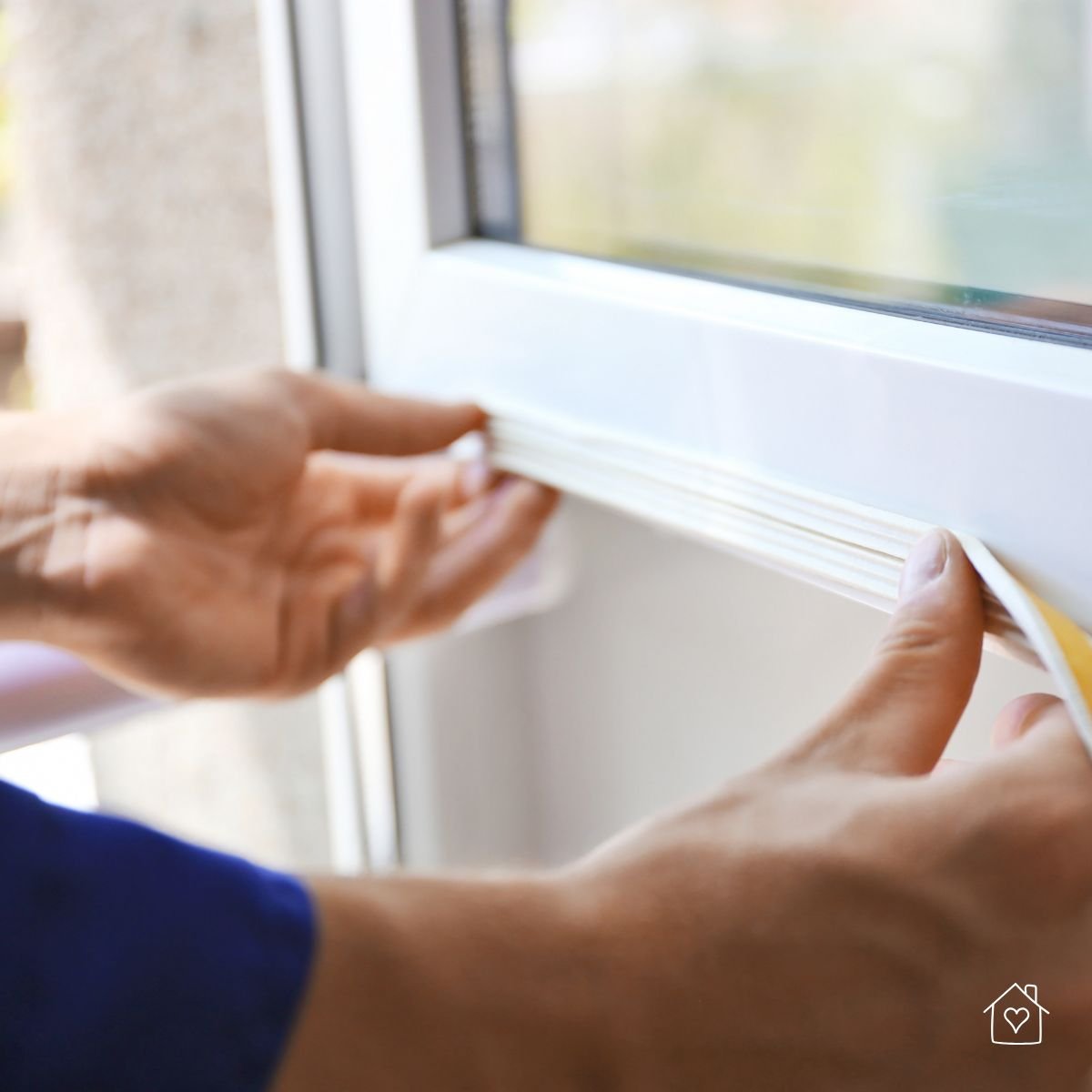
If you've ever wondered why some rooms seem stubbornly chilly or stuffy, tiny cracks and gaps might be to blame. The sneaky little air leaks around windows, doors, pipes, and even electrical outlets invite in uncomfortable outdoor air.
Grab some weatherstripping and caulk on a weekend afternoon to hunt down and seal leaks. Your house will feel more comfortable, you'll protect it from unwanted moisture, and you'll save on energy bills each month.
Add Area Rugs
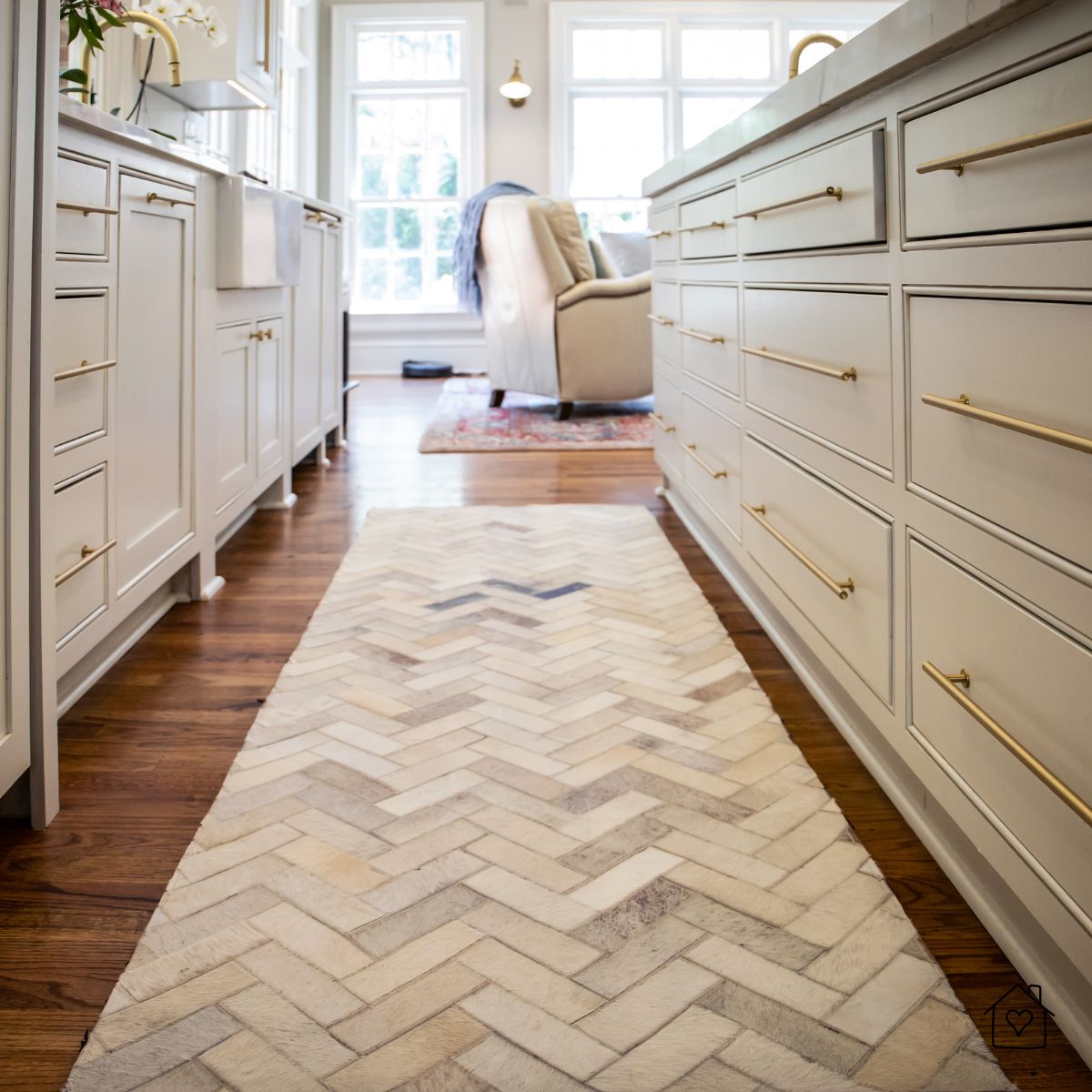
Bare floors can look sleek, but they don't always feel that way underfoot, especially when tiles or hardwoods are icy cold in the winter. Lay down soft, cozy area rugs in high-traffic or gathering spots-not only do they warm things up physically, but they're also a treat for your toes!
In the hotter months, consider swapping in lighter or smaller rugs to keep spaces feeling refreshingly open and cool. It's an easy style upgrade that doubles as comfort insurance.
Manage Humidity Levels
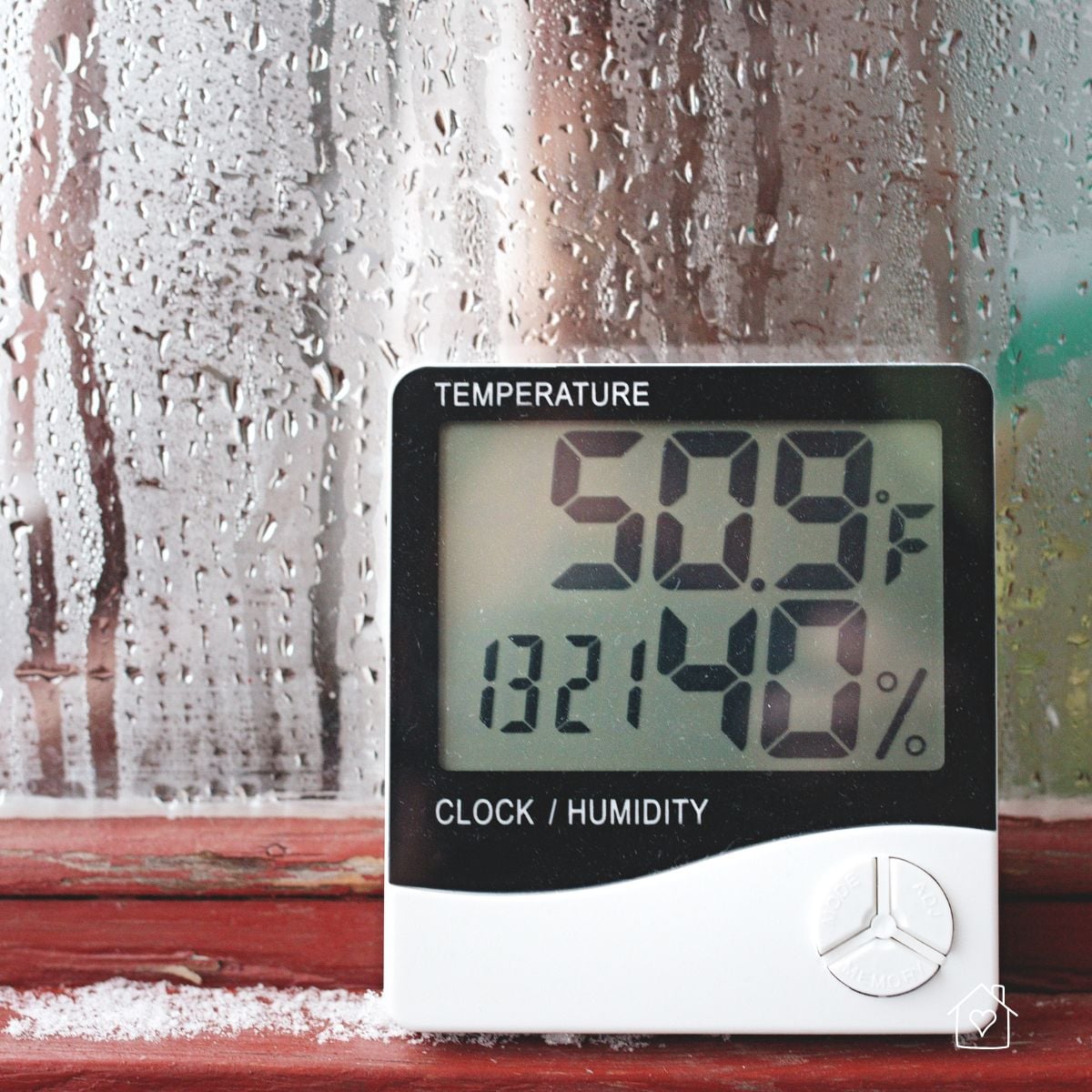
Temperature is only part of the comfort equation-humidity matters, too. Nobody likes that sticky, muggy summer feeling indoors, and bone-dry winter air is equally unpleasant.
Use a dehumidifier when summer stickiness hits, especially in damp spaces like basements. Meanwhile, using a humidifier in winter can help you banish dry air, help prevent chapped skin and static shocks, and make lower temperatures feel less harsh.
Maintain Your HVAC System
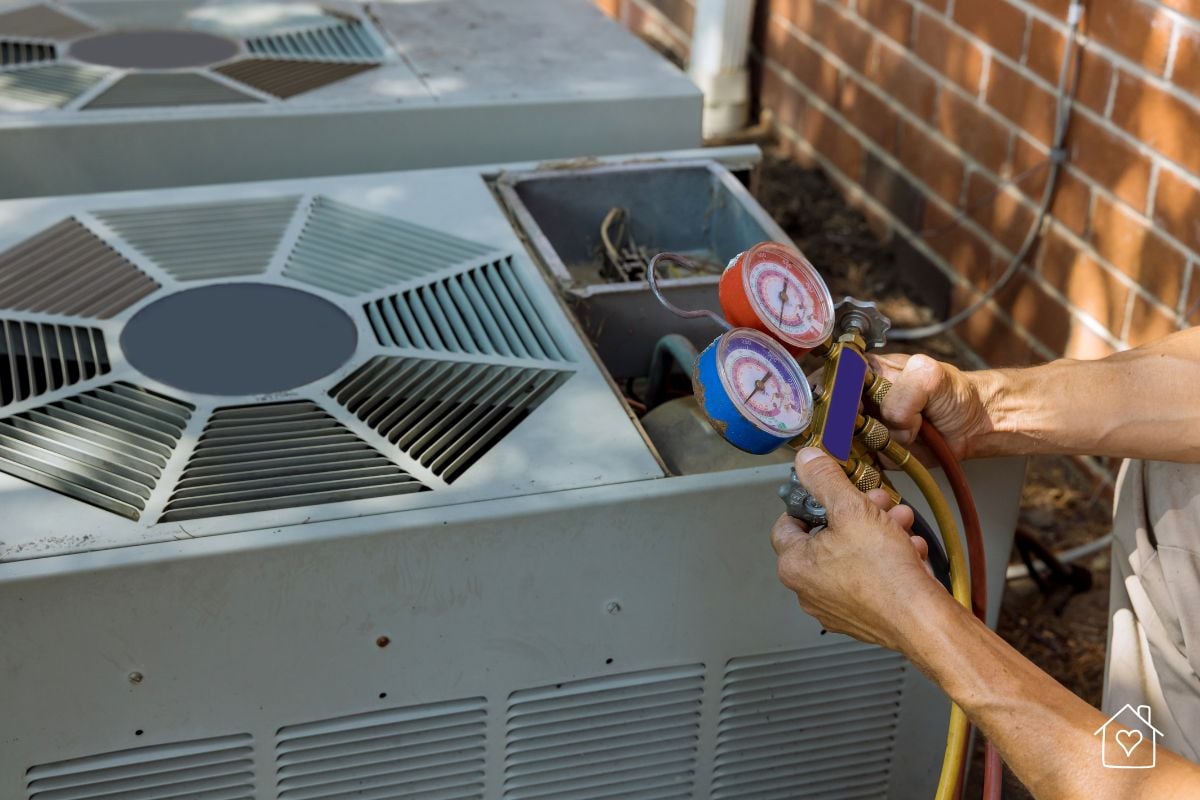
Your heating, ventilation, and air conditioning (HVAC) system is the workhorse behind your comfort. Schedule annual tune-ups with a pro to check for any hidden hiccups and keep things running efficiently. Homeowners looking for more comprehensive system evaluations can also consult reliable home climate experts to help identify airflow issues, efficiency concerns, and other factors that affect year-round comfort.
On your end, swap out or clean filters every one to three months. Dirty filters slow airflow and force your system to work way harder than it needs to. This small maintenance habit makes a big difference in both comfort and the health of your home's air.
Use Your Kitchen and Bathroom Fans
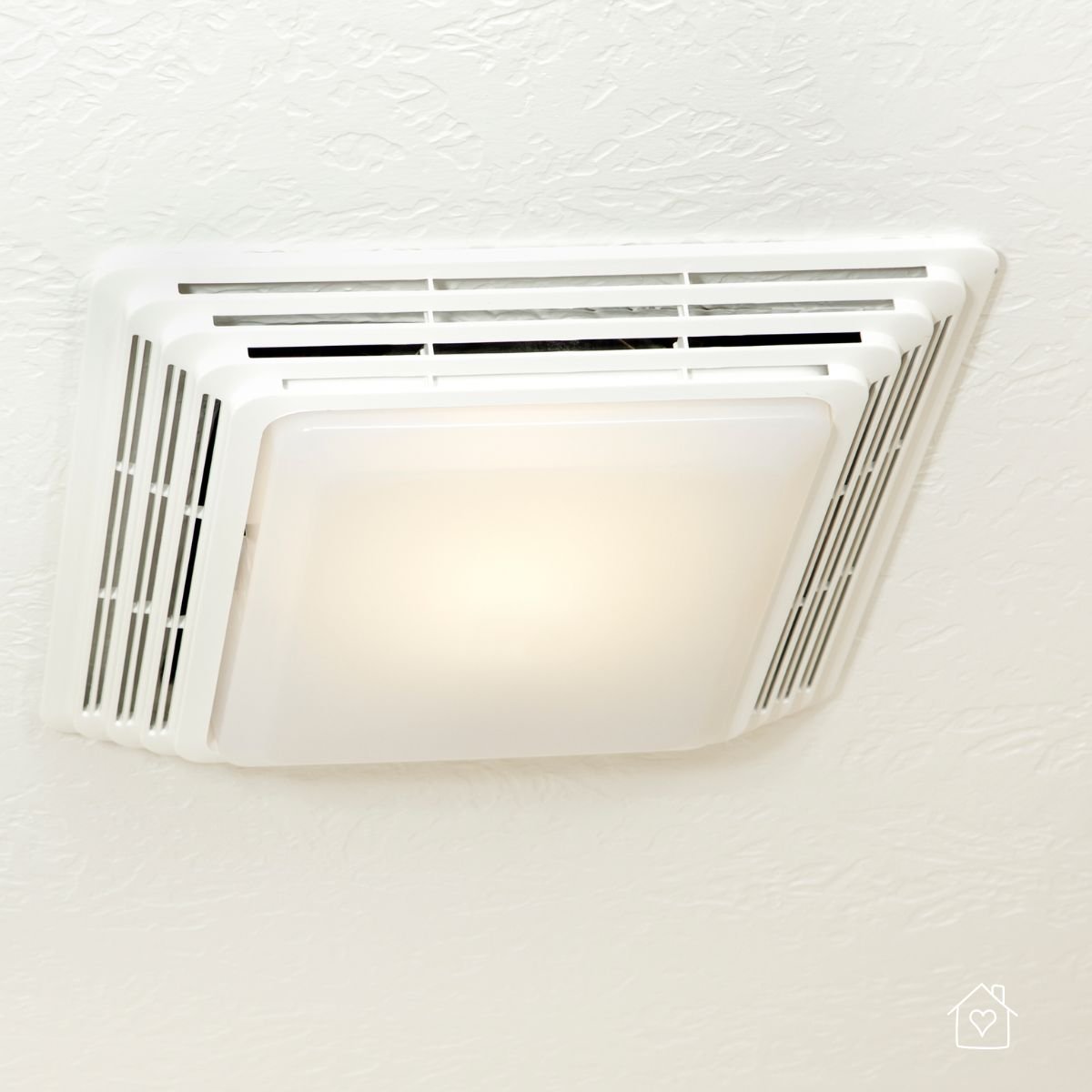
Don't forget those little switches above your stove or in your bathroom! Exhaust fans serve a bigger purpose than just clearing out odors. They can help draw out excess heat and moisture, especially after a steamy shower or during
In hot weather, this helps the rest of your house stay nice and cool. Just remember to turn the fans off when they're not needed, so you're not accidentally sending comfy air outside.
Give Your Attic Some Attention

Attics aren't usually the most glamorous spots, but boy, do they matter for comfort and efficiency. Neglecting your attic can lead to climate imbalances in your home or even unwanted guests in the form of critters.
Make sure there's enough airflow up there to prevent humidity from settling in, as well as adequate insulation to prevent heat gain or loss. Knowing how to insulate your home can prevent you from making unfortunate mistakes during the installation process and ensure it remains a safe place. In addition, you should have a look to ensure that no squirrels or other pests have made your attic into a nest.
Landscape for Shade
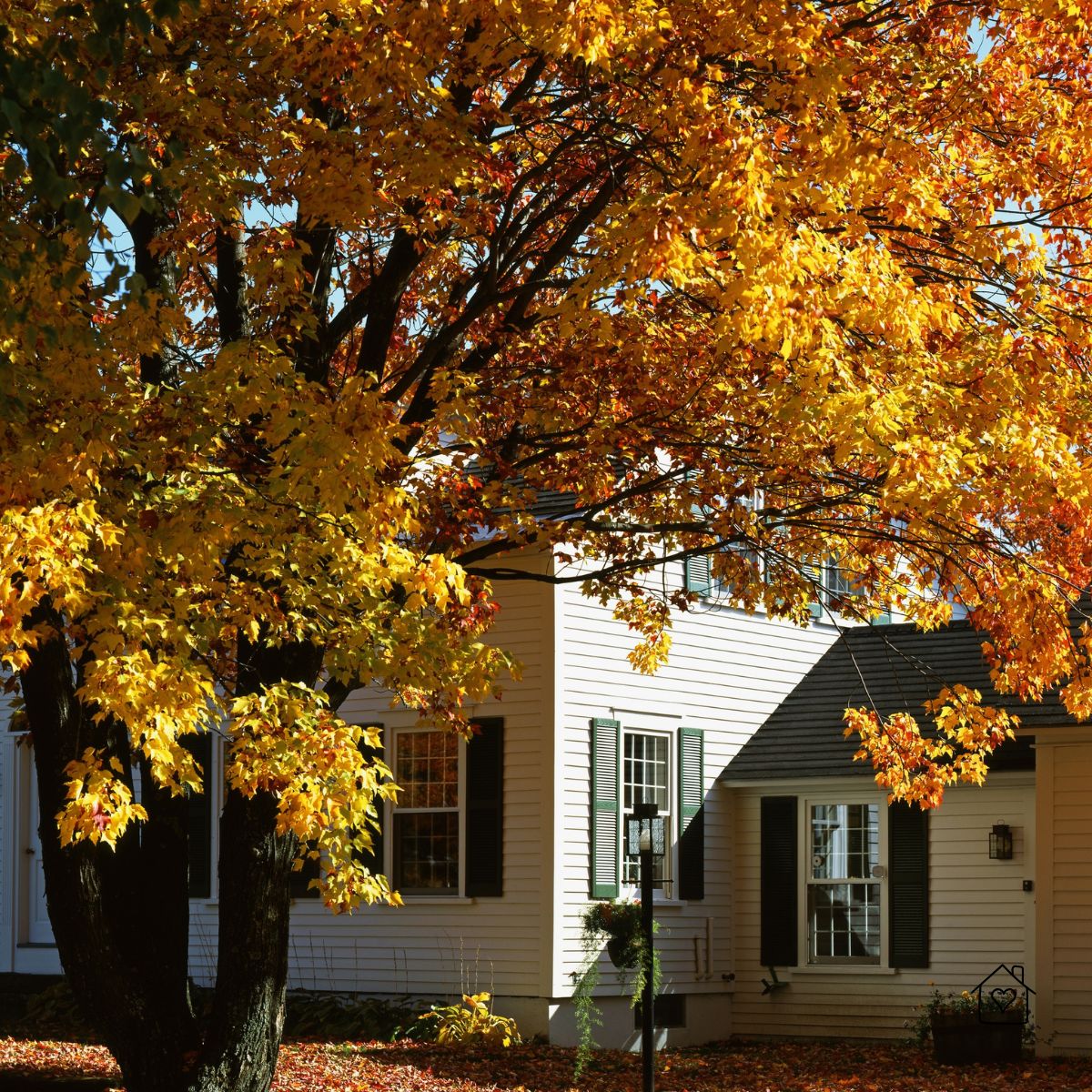
Nature is the best and cheapest friend you can have when it comes to home comfort. Planting leafy, deciduous trees on the sunny sides of your house can work wonders: in hot months, their shade cools the house naturally, and in winter, they let warm sunshine pour right in after dropping their leaves.
Shrubs, trellises, and vines can also block harsh winds and keep your outdoor living areas cool in the summer. Plus, you get a prettier yard to enjoy all year.
Rearrange Your Furniture for Comfort

This one's simple but so often overlooked-where you place your furniture can make a huge impact on comfort. In winter, avoid placing your favorite reading chair or the family sofa right in front of windows or exterior doors, where cold drafts sneak in.
In the summer, keep couches and beds away from heat sources like radiators and sunny windows to stay cool when lounging. Play around with layouts every season to find what works best for your comfort, your lifestyle, and even your home's energy flow.
You don't need a major renovation or a bottomless budget to make your home comfortable in every season. By following these 11 tried-and-true tips and adding your own personal touch, you'll enjoy a living space that feels welcoming, cozy, and just right-no matter the weather outside.