The Hidden Health Costs of Your Home Office Chair
A desk chair may seem like a humble piece of furniture in your home office, but it actually matters to your health more than you think. The type of chair you use could dramatically affect your posture and chronic health. Since you are probably sitting for prolonged hours at work, it's crucial for you to know how a bad chair can make or break your overall well-being.
In this article, we have compiled a number of hidden health costs that you might want to know.
*This post may contain affiliate links and I'll earn a commission if you shop through them. You can read my full disclosure here.
The Toll of Prolonged Sitting
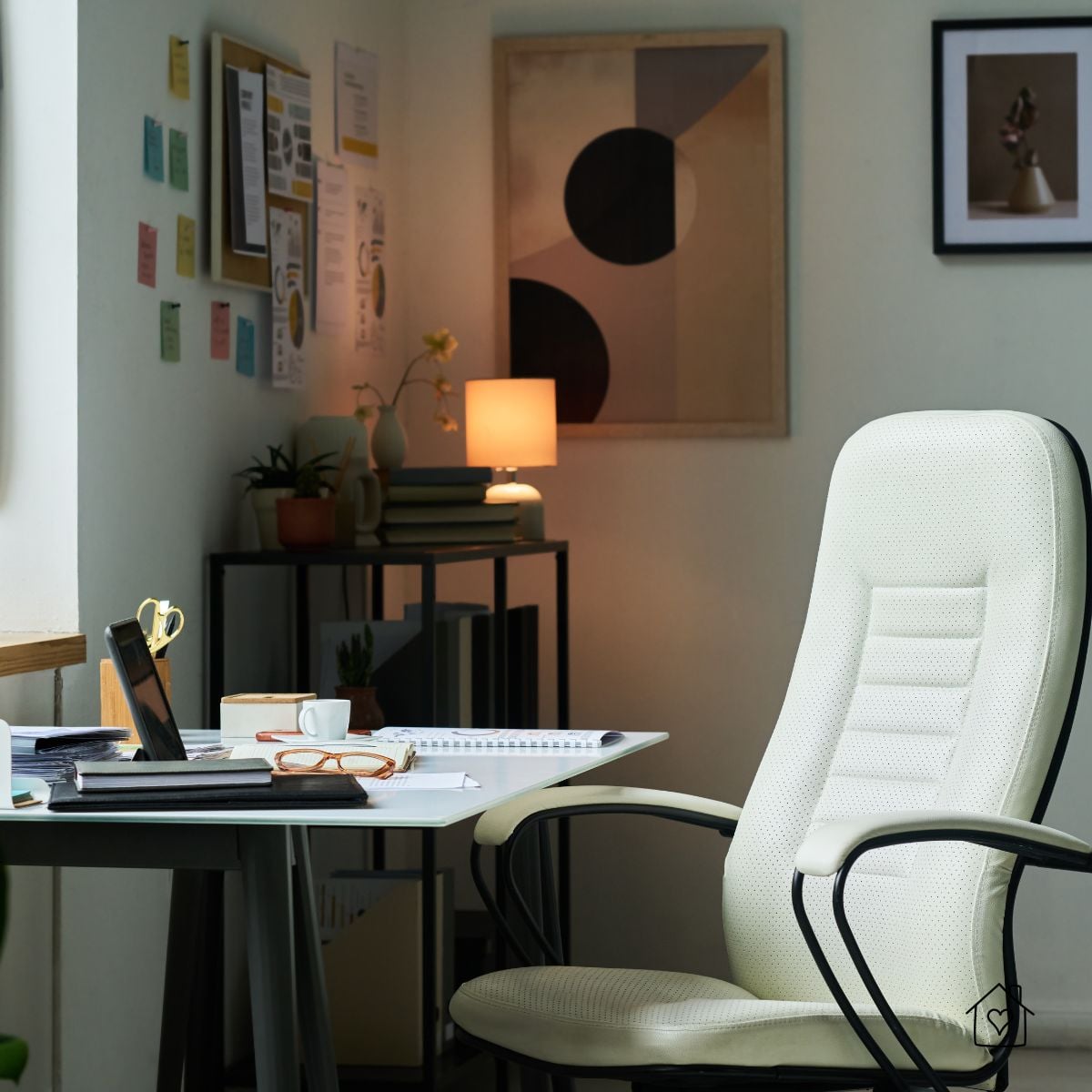
Prolonged sitting may seem harmless at first, but do it often enough and your body becomes stiff and you'll be riddled with lower back pain.
There could be many reasons for this, but it is highly likely that the chair you're sitting on lacks support. A chair without support encourages slouching, which can gradually lead to spinal misalignment, muscle fatigue, and reduced flexibility. These issues can creep in subtly and often go unnoticed until the damage is done.
As you can see, the daily strain wouldn't be immediately noticeable, but it accumulates over time, increasing the risk of chronic pain and joint dysfunction. Left unaddressed, these problems may begin to affect other areas of your life, such as sleep quality and mobility, making even routine activities more difficult.
To avoid this, consider buying office chairs with ergonomic designs. Not only are they comfortable, these chairs are specifically designed to provide spinal support. This helps alleviate the strain on your body when sitting for long hours.
Persistent Back and Neck Pain

Some may think that back and neck pain is normal, especially with prolonged sitting. However, this is not the norm. Persistent pain isn't normal. It is a warning sign and could impact your quality of life.
As such, a chair should have proper lumbar support with adjustable features; after all, everybody is unique, and what may work for another may not work for you. Thus, non-ergonomic chairs typically force the spine and neck into unnatural positions, which often results in lower back pain, tension headaches, and neck stiffness.
These issues are now common among home-based professionals. Sitting for hours in discomfort can even affect your mood, contributing to irritability and increased stress throughout your workday.
Over time, neglecting ergonomic support can lead to severe long-term conditions like herniated discs or cervical spondylosis, significantly affecting your quality of life. The path to recovery from such issues is often long, costly, and disruptive to both personal and professional commitments.

Poor Circulation and Increased Cardiovascular Risks
Desk chairs without proper height or depth may restrict blood flow, especially in the lower limbs. When the legs remain in a static, compressed position for hours, it can lead to swelling, numbness, and may increase the risk of deep vein thrombosis (DVT). Additionally, sedentary behaviour fueled by uncomfortable seating is linked to higher rates of obesity, diabetes, and heart disease.
Poor circulation may also leave you feeling colder than usual, particularly in the feet and hands, and may cause tingling sensations that interfere with concentration. These subtle physical discomforts can eventually wear down your energy levels and even your immune response.
Decreased Productivity and Mental Fatigue

When your whole body is hurting, it's only natural that mental fatigue and decreased productivity could easily follow.
Being uncomfortable in your seating arrangement while you try to focus on your work not only affects your body but also your cognitive function. When one is constantly in discomfort, it diverts focus, causes mental fatigue, and leads to more frequent breaks or adjustments.
This could easily pile up and turn into something even more serious, contributing to low morale, reduced job satisfaction, and long-term burnout. Without the right seat, minor physical discomforts become daily stressors that compound mental strain.
What To Do Next for Long-Term Health
As you can see, there are various hidden health costs associated with not being mindful of the office chair you use daily. That's why using an ergonomic office chair is crucial if you want to have both immediate comfort and long-term health, especially for those working from home.
Unlike standard, non-ergonomic seats, ergonomic chairs align with the body's natural posture. This reduces musculoskeletal strain and supports healthy movement throughout the workday. As they promote proper spine alignment, encourage circulation, and minimise repetitive stress, these chairs help prevent chronic conditions that often go unnoticed until they become serious.
Investing in a chair that supports physical well-being is more than just comfort; it's a long-term strategy to maintain mobility, energy, and quality of life over years of work, helping prevent severe health conditions.
Final Words

It may seem trivial at first, but as you have read, a bad chair could easily ruin a good life. Ergonomic chairs are a great investment if you want to reduce the effects of prolonged sitting. However, keep in mind that even the best chairs cannot replace actual movement.
So, whenever you find yourself glued in front of your desk and on your chair, get up! Doing some quick stretches or exercise snacks are still the best way to drastically improve mobility and offset the negative effects of sitting for long hours.