When to Stop That DIY and Call Roofing Contractors
Roof DIY projects all start the same way.
You notice a seemingly small problem, like a leak that only shows up after really heavy rain. It doesn't feel like a big deal, and you figure it's not worth calling someone for it. You grab your ladder, watch a YouTube video, and you're ready to handle it yourself.
And this actually works really well sometimes. And other times… It really doesn't.
Most of the stuff involving roofs looks pretty simple, but it's not.
All it takes is one wrong step or one missed detail to land you in a huge problem. And roofs don't exactly make it easy for you, because you don't really know whether you've done a good job or not, not until later. It could be possible that you've just made things worse.
So, here comes the question - When to give it up and call the pros?
*This post may contain affiliate links and I'll earn a commission if you shop through them. You can read my full disclosure here.
To DIY or Not to DIY (a Roof), That Is The Question
DIY roof work doesn't feel dangerous. Sure, it might feel a bit intimidating, but not dangerous. It's not like you're rebuilding the whole house, right? You're only trying to fix that one small thing.
But roofs are tricky, and there comes a point when you need to give up and call in the certified roofing companies, such as PA Roofers, or another business that offers roof replacement services for homes.
So, call in the pros when:
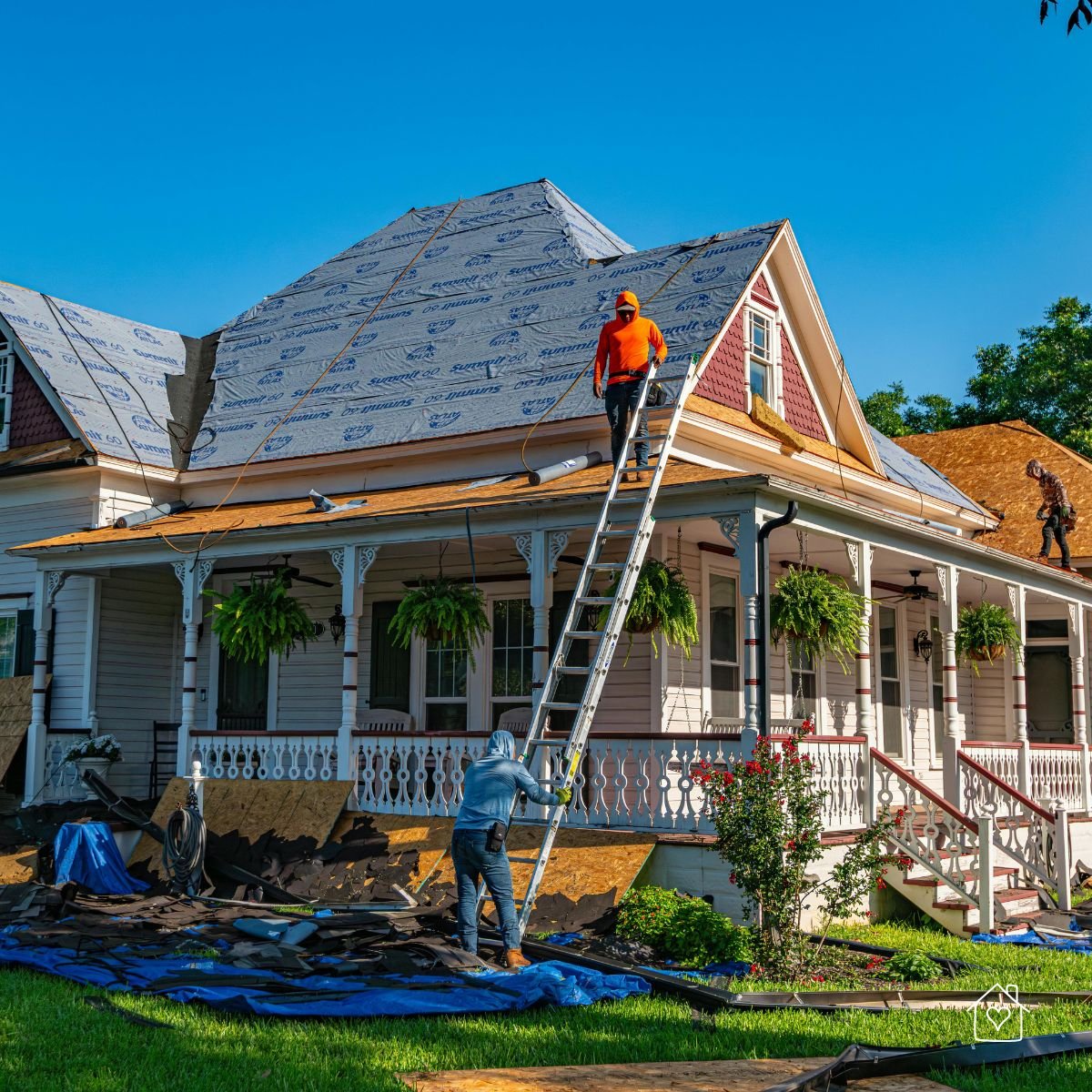
The Roof Is Steeper or Higher Than You Expected
It might look like the roof isn't that steep when you're looking at it from the yard, but that can change once you're up there. Your footing and balance change, and every single move you make requires focus.
At that point, ladder and basic safety gear aren't so much protection as they're accessible. Most serious DIY roof injuries don't come from power tools but from slips and falls.
And all it takes is one bad fall to ruin your life. Is that risk really worth saving some money?
The Problem Keeps Coming Back
You've fixed something, but the issue keeps coming back. Not fun, not ideal. Probably because that means your 'fix' failed, and now you're potentially in deeper waters than you were before.
Temporary fixes often work just well enough to make you feel confident, but not long enough that they solve anything.
A leak that disappeared but then came back means that the water is still getting somewhere, so you won't fix it if you repatch the same spot over and over.
Water Shows Up Where It Shouldn't
The thing with roof leaks is that they almost never show up directly below where they start. Water moves and follows wood, nails, insulation, and framing until it finds a place to drip or stain.
This is why you might find that 'wet spot' a few feet from the actual issue. Just looking above where the stain is won't exactly cut it.
You might be thinking to yourself, "Well, I don't see the issue, but me not seeing it doesn't mean it's not there." But the issue ACTUALLY isn't there. It takes a bit of experience to know how different roofs are built and how water behaves inside them (e.g., does it just drop vertically, or does it follow a certain path, and why).
A Fix Could Affect Insurance/Warranties
This often gets overlooked. Insurance companies and material manufacturers don't just care about whether the job was done or not; they care about how it was done. DIY repairs can turn out to be problematic if you have no documentation or if you don't follow installation standards. And unless you have experience, there's a big chance you'll mess something up.
If you're unlucky and a claim comes up, that DIY repair could turn out as a big complication (even if it worked), simply because you aren't certified to do the repair, so they assume you've messed something up because you didn't follow protocol.
The "Repair" Affected More Than Just the Roof (But Not in a Good Way)
The roof connects a lot of systems in your house (e.g., ventilation, insulation, gutters, drainage, etc.). So, if you change just one thing, what might end up happening is that you'll cause new problems that weren't there before. And you won't even realize it until later.
At that point, you won't know whether you've botched your DIY fix or if something else is going on, leading you to another set of potentially bad decisions.
Here are two quick examples to demonstrate:
- You've sealed up something too tightly; it can trap moisture, causing water buildup, which could result in mold growth ('ewww' + NOT healthy).
- You've redirected water; it can cause damage to another part of the house.
Conclusion
DIY is fun, and DIY is handy. Sometimes, it also saves you A LOT of money. But not everything should be DIYed. For instance, would you fiddle around with electricity if you don't know anything about it? No! Of course not. You don't want to get electrocuted. Would you mess around with water? No. You don't want a massive flood that you don't know how to stop, potentially ruining your whole house.
So, what about roofs? They don't seem THAT dangerous. Well, they aren't, that's true. But, the thing people forget - roofs are VERY complicated. They might look plain and simple - just a roof over my head. But no, they're a complex system that works flawlessly (if done right).
If you don't know how that system works and try to mess around with it, you might succeed. But then again, it might just be temporary. Or you might've messed up something that's connected to the roof, and you won't even realize it until a few months later.
So, for some DIY projects, it's best to just call in the professionals and let them handle things. If for nothing else, it's so that you don't have issues with insurance later down the road.