How to Turn a Shipping Container Into a Livable Space
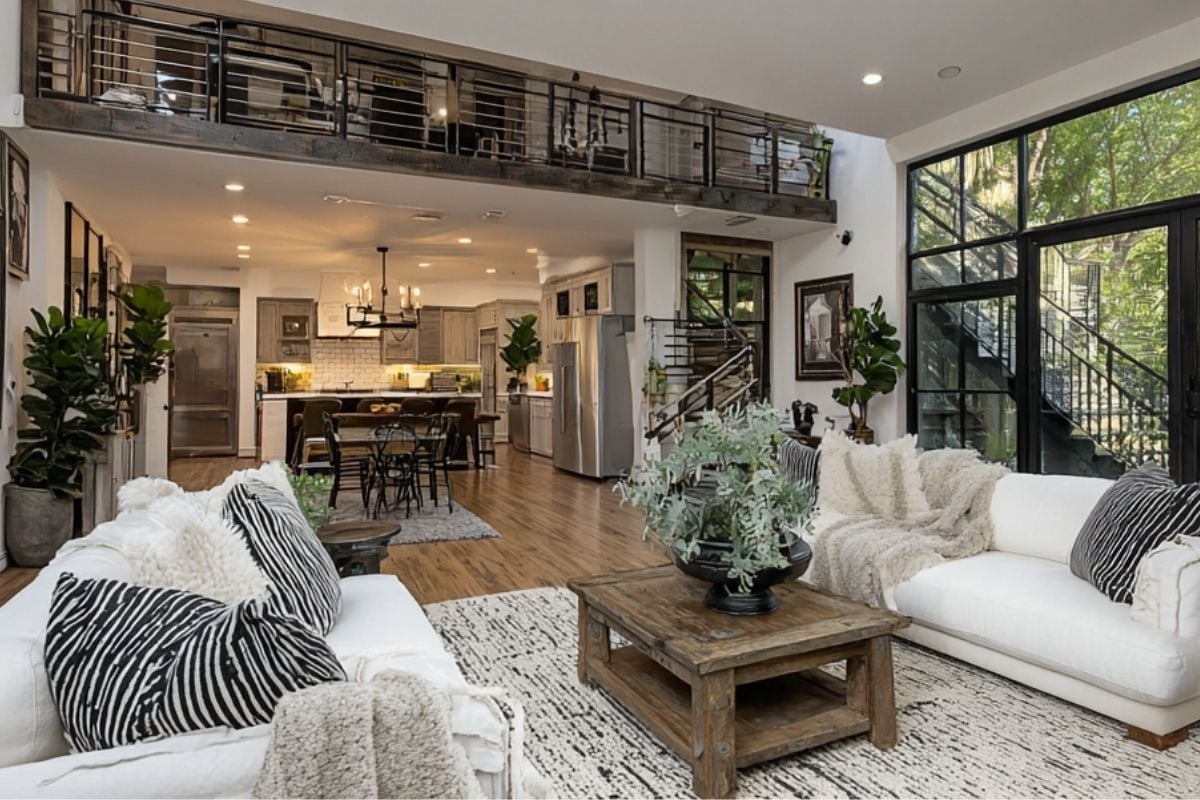
Shipping container homes are one of the most popular and cost-effective ways to build in the UK. From artists' studios to guest suites, people are increasingly using steel shipping containers as foundations for modular homes, workshops, and summerhouses.
But before you start ordering insulation or planning window cuts, you need to plan properly to make the building process as smooth as possible. This guide covers everything from selecting the right container to complying with UK regulations to making a comfortable, weatherproof, and long-lasting living space.
*This post may contain affiliate links and I'll earn a commission if you shop through them. You can read my full disclosure here.
Why Convert a Shipping Container Into a Home?

Containers are durable, stackable, and designed to last decades, with a bit of creativity, they're also a perfect building block for construction.
Affordable and sustainable
Second-hand containers cost as little as £1,500. Prices for new "one-trip" units start around £2,500-£3,000. Conversion costs are 30-50% lower than building a house or studio from scratch. Each reused container also keeps around 3.5 tonnes of steel out of the waste stream.
Fast-build
Container construction can be done in weeks instead of months, with many prefabrication specialists offering turnkey solutions that are delivered and ready to connect to utilities.
Portable and flexible
Containers can be moved, stacked, or expanded over time, making them great for off-grid plots, rural land, or garden extensions.
Design potential
From minimalist tiny homes to premium holiday pods, the standardised modules create the opportunity for imaginative layouts, rooftop terraces, and cladding that hides the industrial substructure.
Start with the Right Shipping Container
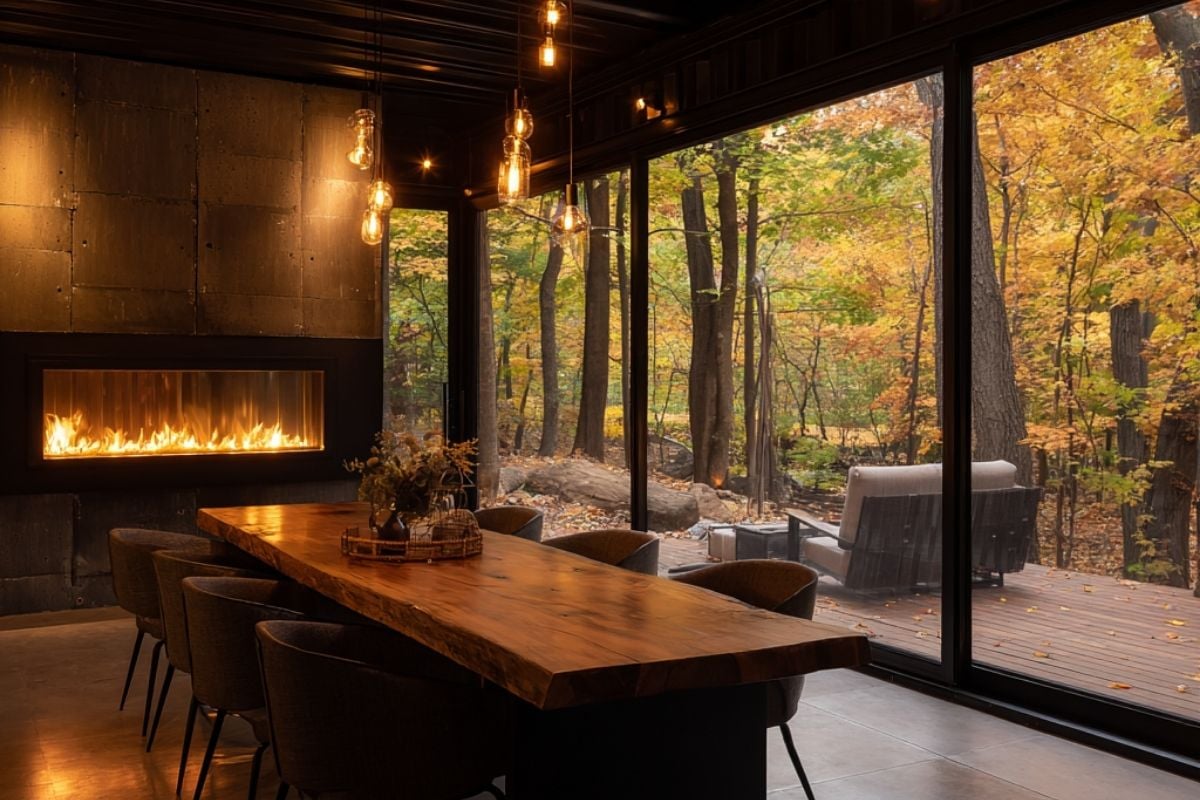
Selecting the right container for the job is the first step to a successful build.
Size and type
The most popular sizes for residential projects are 20 ft, 40 ft, and high-cube versions. The extra foot of height on high-cube containers (9 ft 6 in rather than 8 ft 6 in) allows more room for insulation and ceiling lighting, worth the extra cost for most conversions.
For multiple-unit builds, 40 ft high-cubes are a good choice for creating efficient, spacious designs. Check out our current range of shipping containers available to buy, which includes new and used options ready to convert.
Condition and grade
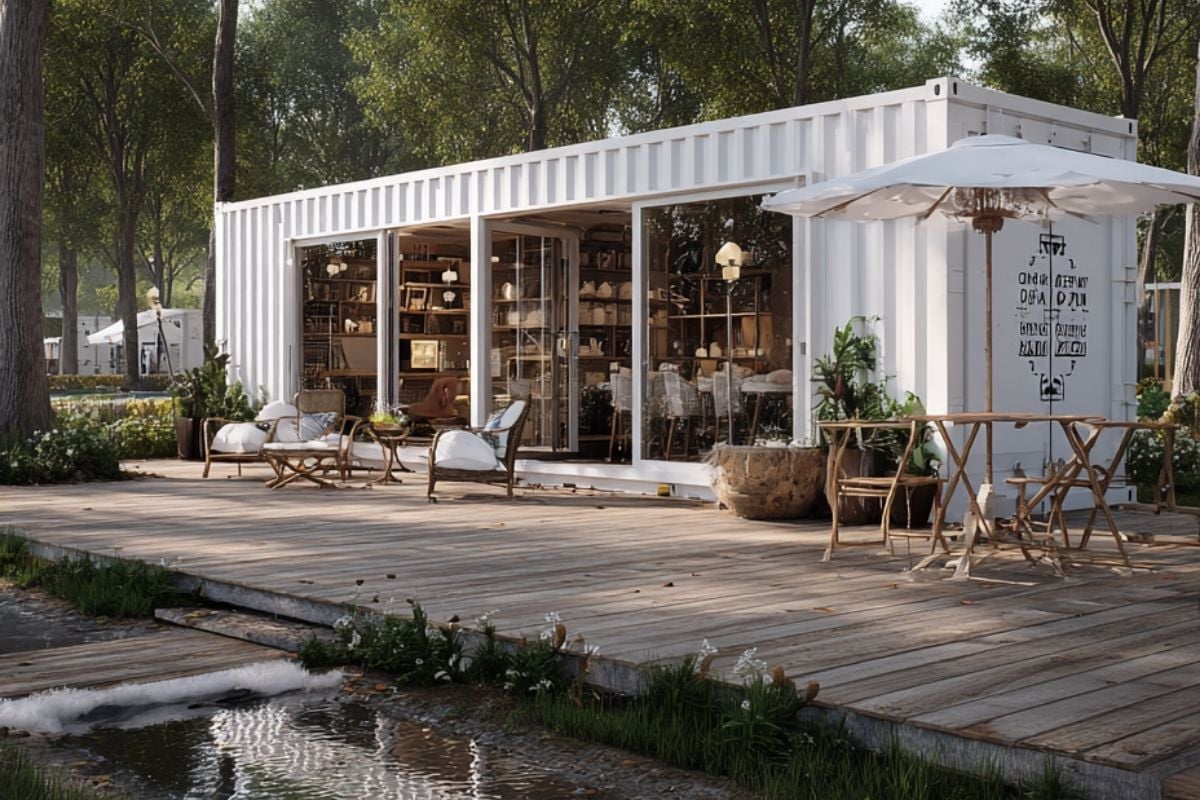
Buy one-trip or cargo-worthy units that have no history of chemical contamination or excessive wear. Avoid "as is" or extremely rusty containers that may require costly structural repairs. Inspect every container you consider purchasing for rust, floor damage, and corner-casting condition.
Planning and UK Regulations
Container homes in the UK are subject to the same planning and building control regulations as any permanent structure. If the container will be left in place and/or connected to utilities, you'll need planning permission and Building Regulations approval.
Planning permission
Applies to permanent or semi-permanent structures. Containers left temporarily on a site (under 28 days) usually don't require permission.
Building Regulations
Apply if the container is used for habitation, they set standards for insulation, ventilation, fire safety, and structure.
Utilities and access
Confirm crane access and space for delivery trucks and connecting to utilities before installation.
In York and North Yorkshire, you should contact your local authority planning department (City of York Council or North Yorkshire Council) to find out what's required. The UK Planning Portal (planningportal.co.uk) is a useful resource for guidance on fees and requirements.
Designing the Layout
Planning a layout inside the container is important. Containers have fixed widths and lengths, so it's key to think about how you'll use the space.
Define your needs
A single 20 ft unit is great for a studio apartment, home office, or guest bedroom. Two 40 ft containers side-by-side can make a one-bedroom home, and stacked arrangements offer loft sleeping spaces or roof terraces.
Space-saving tips
- Use multi-functional furniture, such as fold-down desks or Murphy beds.
- Optimize for vertical storage with shelving or mezzanines.
- Maximize natural light with strategic window placement and sliding glass doors.
Sketch the design to scale to visualize how insulation and wall lining will reduce interior width (typically 14-18 cm per side).
Structural Modifications
Cutting into the steel container is easy but needs to be precise. Containers' strength comes from their corner posts and supporting frame, cutting too much material without reinforcement can lead to warping or structural issues.
Doors and windows
Use a plasma cutter or angle grinder to cut openings, and then frame each window and doorway with box steel to ensure structural rigidity. Seal all edges with welded or bolted trims to prevent leaks.
Roof modifications
Container roofs are flat, so water pooling is a concern. Consider adding a slight slope or external drainage system. Skylights can also provide extra natural light.
Stacking multiple containers
If your build includes stacking two or more units, align the corner castings perfectly, and secure them with ISO twist locks or steel plates. Consult with a structural engineer for safety.
Insulation and Moisture Control
Containers have metal walls that can easily trap moisture and suffer from condensation, particularly in the UK's climate. Insulation and ventilation are essential for comfort.
Best insulation options
- Closed-cell spray foam: Spray foam provides an airtight insulation barrier that also acts as a moisture barrier, great for walls and ceilings.
- Rigid PIR panels: Economical, high-efficiency panels that are easy to fit. Careful sealing at panel edges is required.
- Eco-friendly: Sheep's wool or recycled denim batts are better for those who want to focus on sustainability and breathability.
Moisture barriers
Install a vapor barrier between insulation and interior lining to stop moisture from building up.
Ventilation
Fit passive vents at one end of the container and opposite sides or use a mechanical system like a heat-recovery fan. Good ventilation is key to preventing mold and maintaining air quality all year long.
Plumbing and Electrical Setup
Container buildings can be self-contained and run off-grid or connect to standard water, waste, and electricity supplies.
Plumbing
Decide early where water supply and waste will enter and exit the container. Flexible PEX piping makes plumbing installation easier, and external lagging stops freezing in winter. Off-grid systems could include water tanks and compost toilets.
Electrics
All electrical work in the UK must meet Part P of Building Regulations and be signed off by an electrician. Cable conduits can be hidden inside stud walls or under floors.
Power options
Solar panels mounted on the roof can provide power to supplement or even fully run small builds. Solar is more viable with battery storage to keep a charge through winter months.
Interior Finishes and Comfort
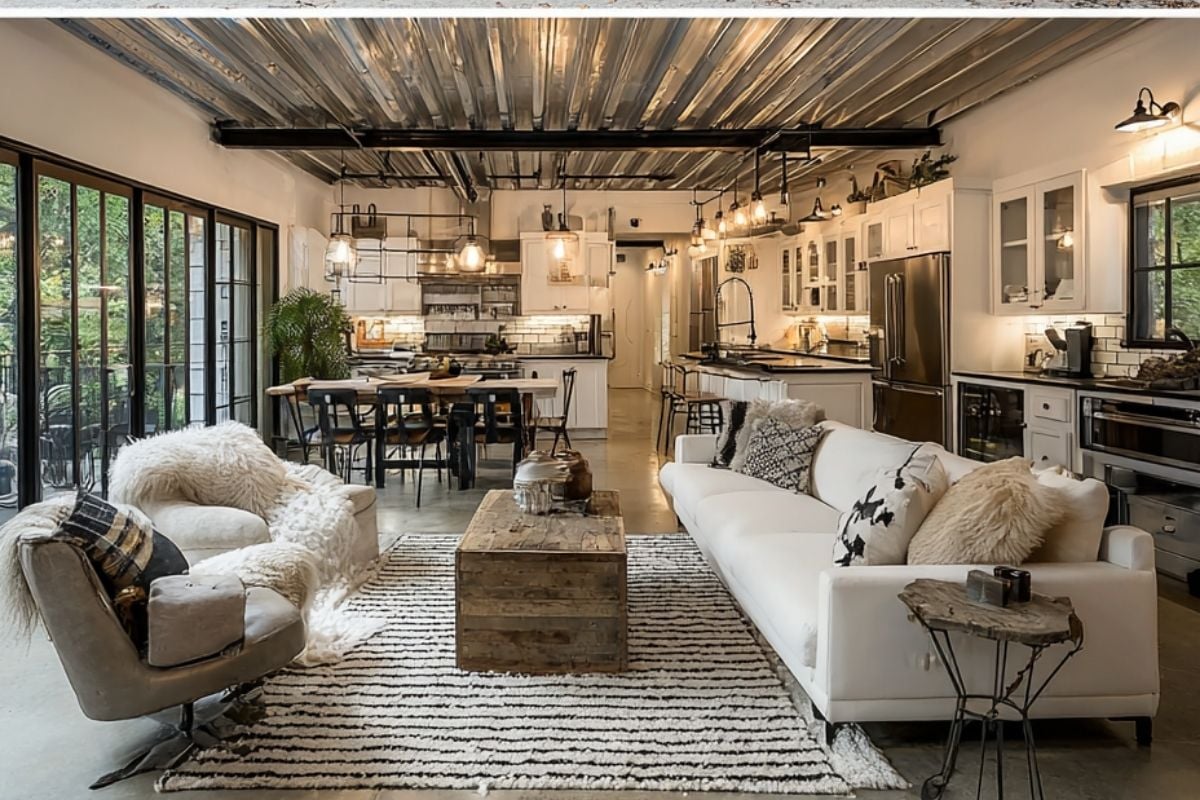
Finally, make the interior feel like home with some finishing touches.
Walls and floors
Line walls with plywood or plasterboard over the insulation. Laminate, vinyl, or engineered wood floors create a smooth surface that's easy to keep clean.
Heating
Underfloor electric mats, small panel heaters, or low-energy infrared panels will keep the space warm. In off-grid homes, a small wood burner or diesel heater could work.
Lighting and windows
Use big glazed doors and porthole-style windows to maximise natural daylight. LED strips or recessed downlights can offer modern and efficient light sources.
Storage and furniture
Built-in benches with storage underneath, fold-down dining tables, and wall-mounted shelving help keep the space tidy.
Safety, Security, and Ventilation
Containers heat up and cool down rapidly, so think about safety and airflow.
Fire safety
Use fire-retardant insulation and avoid using untreated plywood or foam board. Fit smoke and CO2 alarms.
Escape routes
Habitual containers should have two ways to exit the space, typically a door and an egress window.
Security
Fit heavy-duty locks and window grilles if the container will be on an unsecured site. Use motion lights and CCTV as a deterrent.
Ventilation
Constant airflow is important to stop condensation and overheating in summer. Try a small extractor fan in kitchens and bathrooms.
How Much Does It Cost to Convert a Shipping Container?
Costs will vary according to the container size, the level of finish required, and if you self-build or outsource to a contractor. Here's a rough cost breakdown for a basic 20 ft conversion in the UK.
| Component | Typical Cost |
| Container (one-trip) | £2,500–3,000 |
| Site prep & foundation | £1,000–3,000 |
| Insulation & lining | £1,200–2,000 |
| Plumbing & electrics | £2,000–4,000 |
| Windows, doors & modifications | £1,000–2,000 |
| Interior finishes & furniture | £2,000–3,500 |
| Total (DIY build) | £9,000–17,000 |
| Turnkey prefab conversion | £25,000–60,000+ |
Prefabricated units are more expensive but include engineering certification, insulation, electrics, and finishing pre-installed, great if you want an assurance of quality and faster delivery.
Common Mistakes to Avoid
- Bypassing planning permission: This can result in enforcement action or removal.
- Cutting walls before assessing the structure: This can weaken the container's overall frame.
- Neglecting condensation issues: Moisture can lead to rust and mold.
- Overloading the roof: Containers aren't designed to take heavy point loads without additional support.
- Buying contaminated used containers: Some containers have carried chemicals and should be avoided. Always ask about previous use.
Is Container Living Suitable for You?
Container living is for those who like simplicity, efficiency, and sustainable design. It works for:
- Farmhouses on rural plots or farmland where building restrictions apply.
- Urban brownfield sites that need modular or temporary accommodation.
- Home offices or studios separate from the main house.
It may not be ideal if you're after large open-plan spaces or a maintenance-free build, a prefab modular home could be a better choice.
Final Thoughts
Turning a shipping container into a livable space is a creative, practical project that can give you a durable home for a fraction of traditional house-building costs. With a bit of planning, insulation, and attention to UK regulations, you can turn a steel box into a long-lasting, comfortable, efficient home.
From single 20 ft. garden offices to larger, multi-container family homes, the process is the same: choose the right container, prepare your site correctly, insulate for the UK climate, and follow local building codes. If done right, your container conversion will be more than just cheap housing, it'll be a modern, sustainable space that truly fits your needs.