Door Lock Safety Tips for Families with Small Children
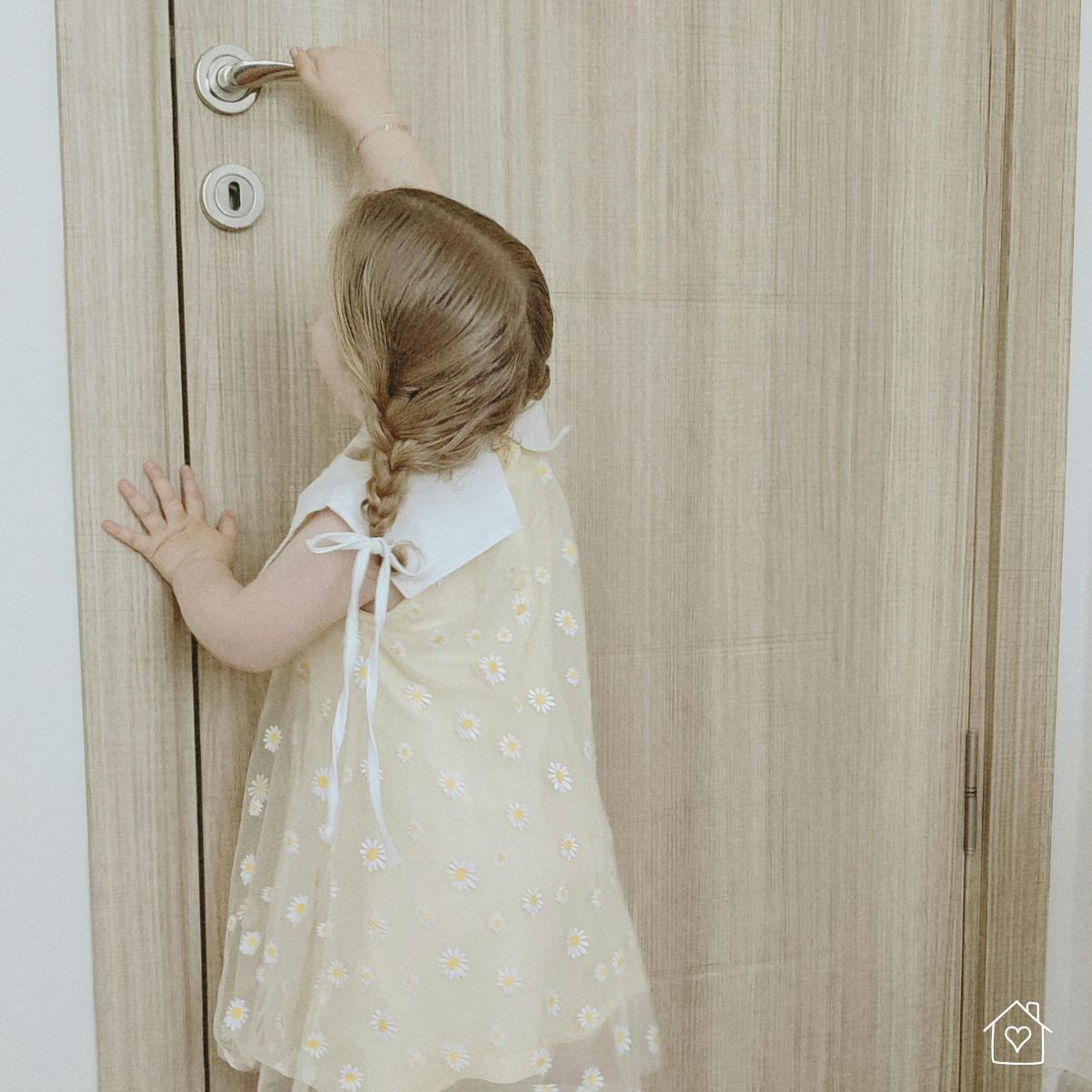
The sanctity of the home is its promise of safety, a principle that becomes paramount for families with young children. As toddlers learn to walk and explore, their innate curiosity can quickly lead them into potentially dangerous situations. Securing the home environment, particularly through strategic door lock management, is a critical component of childproofing. This involves a dual-purpose approach: preventing children from accessing hazardous areas, such as basements, garages, or utility rooms, while simultaneously ensuring they can't exit the home unsupervised.
*This post may contain affiliate links and I'll earn a commission if you shop through them. You can read my full disclosure here.
Below are some door lock safety tips for families with small children:
Understanding the Risks: Why Door Locks Are Crucial
The primary risks associated with unsecured doors are twofold: egress and ingress. Unsupervised egress, or a child leaving the home alone, presents immediate dangers, such as exposure to traffic, pools, or the risk of simply becoming lost. Conversely, ingress into off-limit rooms can expose a child to a host of hazards, including toxic chemicals, sharp tools, heavy appliances, or stairwells. Standard doorknobs, easily manipulated by dexterous little hands, typically provide a false sense of security. A proactive strategy involves identifying every door in the home and assessing its risk level, then implementing appropriate safety measures and childproof design for locks tailored to each entryway.
Furthermore, for enhanced security, families often consider advanced solutions, such as a childproof lock, which offer specialized safety features designed to prevent accidental openings with small hands.
Implementing Effective Hardware Solutions
The market offers several childproofing devices designed to supplement or temporarily override existing door hardware. The selection should be based on the specific door's function and the child's age and capabilities. Some effective hardware solutions include:
Exterior Door Upgrades
All doors leading outside should be equipped with robust, functioning deadbolts installed high up on the door, well out of a child's reach. For added home security and convenience, keyless door locks with keypads can eliminate the risk of lockouts and enable quick entry without the need to fumble for keys. These systems often include security features like auto-locking, biometric fingerprint sensor, Wi-Fi door locks, door barricades, ensuring the door is never accidentally left unlocked.
Interior Door Safety
For rooms that contain dangers, such as laundry rooms, home offices, or basements, simple lever handle locks can be highly effective. These security devices, which typically slide over the handle, prevent the lever handles from being pushed down. For door knobs, covers that require an adult to pinch and twist simultaneously are excellent deterrents.
It's also vital to ensure that any device used on a bedroom or bathroom door doesn't impede a child's ability to exit in an emergency. For this reason, products that offer a dual-layer of security from both the inside and outside are particularly valuable.
Glass Sliding Doors
These present a unique challenge, as they're often large, heavy, and provide access to patios or pools. A sturdy charley bar or rod placed in the bottom track is a simple, mechanical, and highly effective way to prevent the door from being opened. Additionally, secondary locks that clamp onto the track or engage with the sliding panel can provide an extra layer of security.
Establishing and Maintaining Safe Household Habits
Technology solutions like smart locks alone can't guarantee child safety. It must be supported by consistent and vigilant habits practiced by all adults in the home. These include:
The "Check Before You Exit" Rule
Implementing a "visual confirmation" routine is a critical behavioral safeguard. This habit involves an adult pausing to look at and, if necessary, physically checking the primary exit door just before departing a room or the home. This simple, consistent action serves as a final verification layer, effectively preventing a child from exiting undetected during a moment of adult distraction.
Key and Code Management
Proper management of access credentials is essential for maintaining door security. Deadbolt keys must be stored in a designated, elevated location out of children's reach and never left in the interior child safety lock, as this can facilitate unauthorized access. For keyless systems, the entry code demands high confidentiality, akin to a financial PIN. Regularly updating this code, particularly after sharing it with guests or workers, can further strengthen this security layer.
Clear Communication with Caregivers
A comprehensive safety briefing for all caregivers is non-negotiable. This orientation must be a hands-on demonstration, not just a verbal explanation. Caregivers should be shown how to operate every childproof lock and deadbolt, explicitly informed which doors are permanently restricted, and walk through the established emergency exit routes. This ensures they can both maintain daily security protocols and react effectively during a crisis.
Educating Children on Door Safety
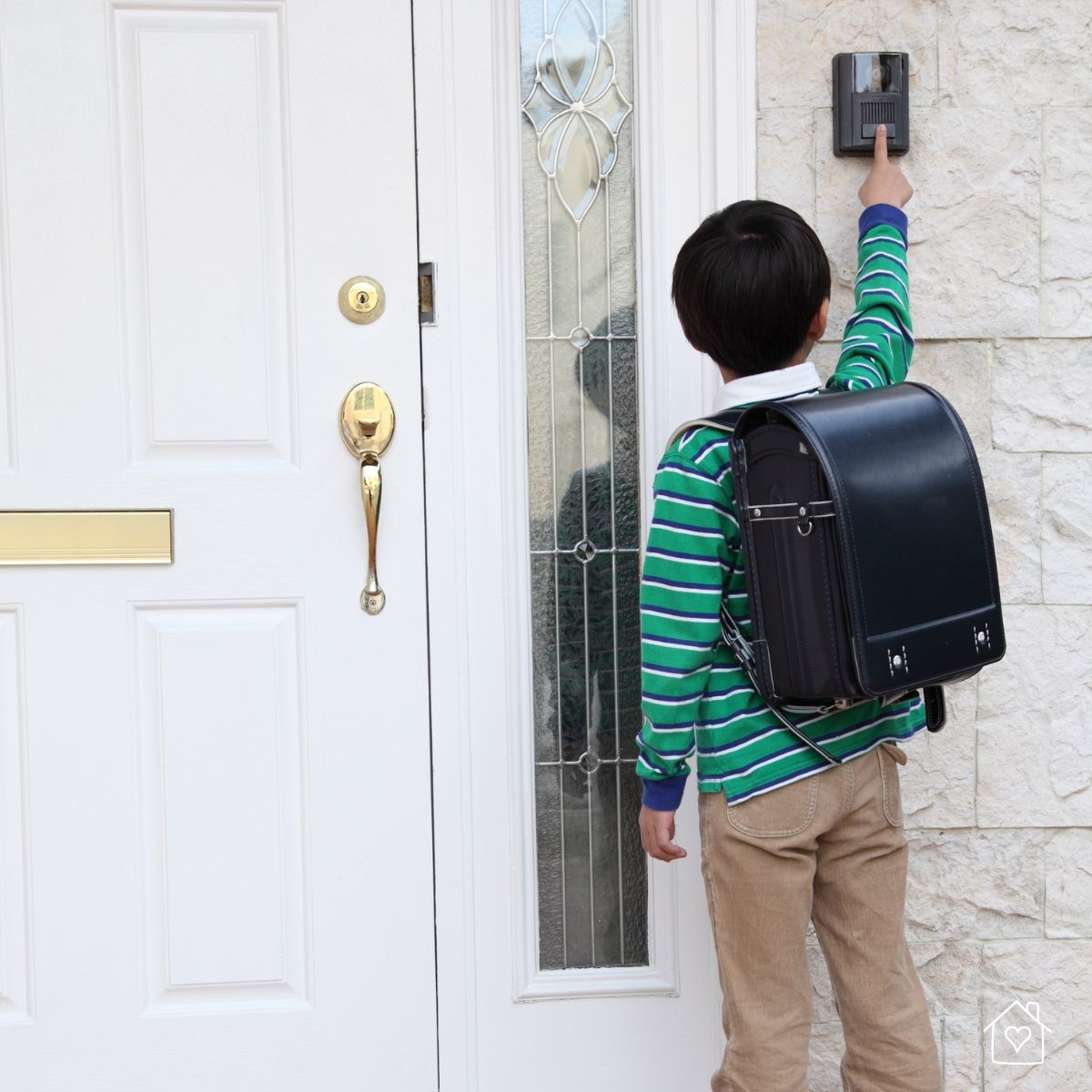
As children grow, the strategy must evolve from pure prevention to education. Starting around the age of two or three, children can begin to understand basic safety concepts. These include:
Setting Boundaries
Establishing clear boundaries for curious children involves using direct and age-appropriate language. Parents should firmly and calmly state, "This is a grown-up's door," or "This door stays closed to keep you safe." This rule must be consistently reinforced by all caregivers every time a child approaches the restricted door. Such repetition can help internalize the safety rule as a non-negotiable household norm, building a child's understanding over time.
Practicing Emergency Exits
Equipping children for emergencies involves calm, proactive practice. Families should conduct regular drills, guiding the child on how to unlock and open their bedroom door and proceed to a designated safe exit. Framing this rehearsal as a "safety game" can empower the child with critical muscle memory and confidence. This approach can ensure they possess the necessary skills to act without instilling anxiety about potential vulnerabilities and dangers.
Distinguishing Between Rules
Teaching children to navigate safety rules requires clarifying context. Parents should explain that everyday rules, like not opening the front door, are for constant safety. Conversely, emergency procedures, triggered by a specific signal like a continuous smoke alarm, override those rules. Practicing scenarios where the alarm sounds reinforce that this particular signal means to exit immediately, ensuring children can discern between routine safety and urgent danger.
Conclusion
A multi-layered approach to childproof door lock safety, combining reliable hardware, unwavering habits, and progressive education, provides the most robust defense against the dangers an unsecured home can pose to a small child. By keeping the information mentioned above in mind, families can sustainably transform potential hazards into managed points of control. This diligent effort can ensure the home remains a secure and nurturing haven, fostering peace of mind for parents and a safe space for children to explore and grow.