When DIY Just Won’t Cut It: How to Know It’s Time to Call a Home Renovation Expert
Tackling home improvement projects yourself can be both satisfying and practical. Learning how to fix or upgrade areas of your home adds a sense of ownership and accomplishment. For many homeowners, DIY projects offer an affordable way to personalize living spaces while gaining hands-on skills.
Painting a room, replacing hardware, or adding shelving are all manageable upgrades for most people. But once a project becomes more complex-such as modifying plumbing, altering structural elements, or installing new electrical systems-the level of difficulty and potential consequences increase. Without the proper training or experience, even a small error can lead to bigger issues that outweigh any initial cost savings.
Understanding where to draw the line between what you can confidently do yourself and what requires professional help is essential. It's not just about completing the project-it's about doing it safely, correctly, and in a way that enhances your home's value rather than compromising it.
*This post may contain affiliate links and I'll earn a commission if you shop through them. You can read my full disclosure here.
The Hidden Costs of Getting It Wrong
It's easy to assume that doing the work yourself will always be cheaper than hiring a professional. In reality, that's not always the case-especially when the project is larger or unfamiliar. Mistakes can lead to wasted materials, do-overs, or even damage to other parts of the home.

For instance, installing flooring without properly leveling the subfloor can lead to gaps, creaks, or buckling down the line. Plumbing mishaps can result in leaks that go unnoticed until they cause water damage. Incorrect cutting, trimming, or tiling leads to visible flaws that affect the final appearance. In these situations, you may end up calling a contractor anyway-after spending extra time, materials, and repairs.
Then there are the tools. Many specialized jobs require equipment that the average homeowner doesn't have on hand. Renting or buying these tools can drive up your project budget. A professional already owns the necessary tools and knows how to use them efficiently, often completing the job in less time and with fewer delays.
There's also the potential for inconsistent results when DIY work is spread out over weeks or months. Life gets in the way, and an unfinished project can leave your home in disarray or cause further issues if it involves open walls, exposed wiring, or incomplete plumbing. Professionals bring the advantage of a set schedule and reliable results.
Flooring is one of those projects where the finished surface only tells part of the story. The subfloor, room measurements, transitions, furniture movement, material choice, and installation method all affect how the floor performs after the tools are packed away. If you live in a specific service area, it can be worth comparing local options before assuming DIY is the cheaper path. For example, homeowners looking for flooring installation in Raleigh should pay attention to whether the provider measures the space, brings samples into the home, explains material differences, accounts for daily traffic, and includes the less glamorous parts of the job, such as furniture handling and cleanup. Those details matter because a floor that looks fine on day one can become expensive if it was installed over the wrong surface or rushed through without proper prep
Code Compliance and Permits Aren't Optional

Building codes exist for a reason. They're designed to ensure the safety, structural integrity, and longevity of residential work. Whether you're replacing a window, altering the layout of a room, or building an addition, there's a good chance permits and inspections are required. Skipping these steps can lead to serious problems down the road.
Unpermitted work can come back to haunt homeowners during a home appraisal, refinance, or sale. Real estate deals have fallen through when buyers or their inspectors discover additions or alterations that aren't up to code. Even insurance claims may be denied if damage is tied to work that wasn't properly documented or approved.
Navigating building codes and permit requirements can be overwhelming, especially since rules vary by municipality. Experienced contractors like DG Builders handle this process routinely. They know which permits are needed, how to coordinate inspections, and how to meet all safety and code requirements. This ensures the finished work is legally compliant and ready to withstand both inspection and the test of time.
When Safety Becomes a Concern
Some renovation tasks present more than technical challenges-they involve real risks to health and safety. Electrical systems, gas lines, structural components, and roofing all carry hazards that can result in injury or property damage if mishandled.
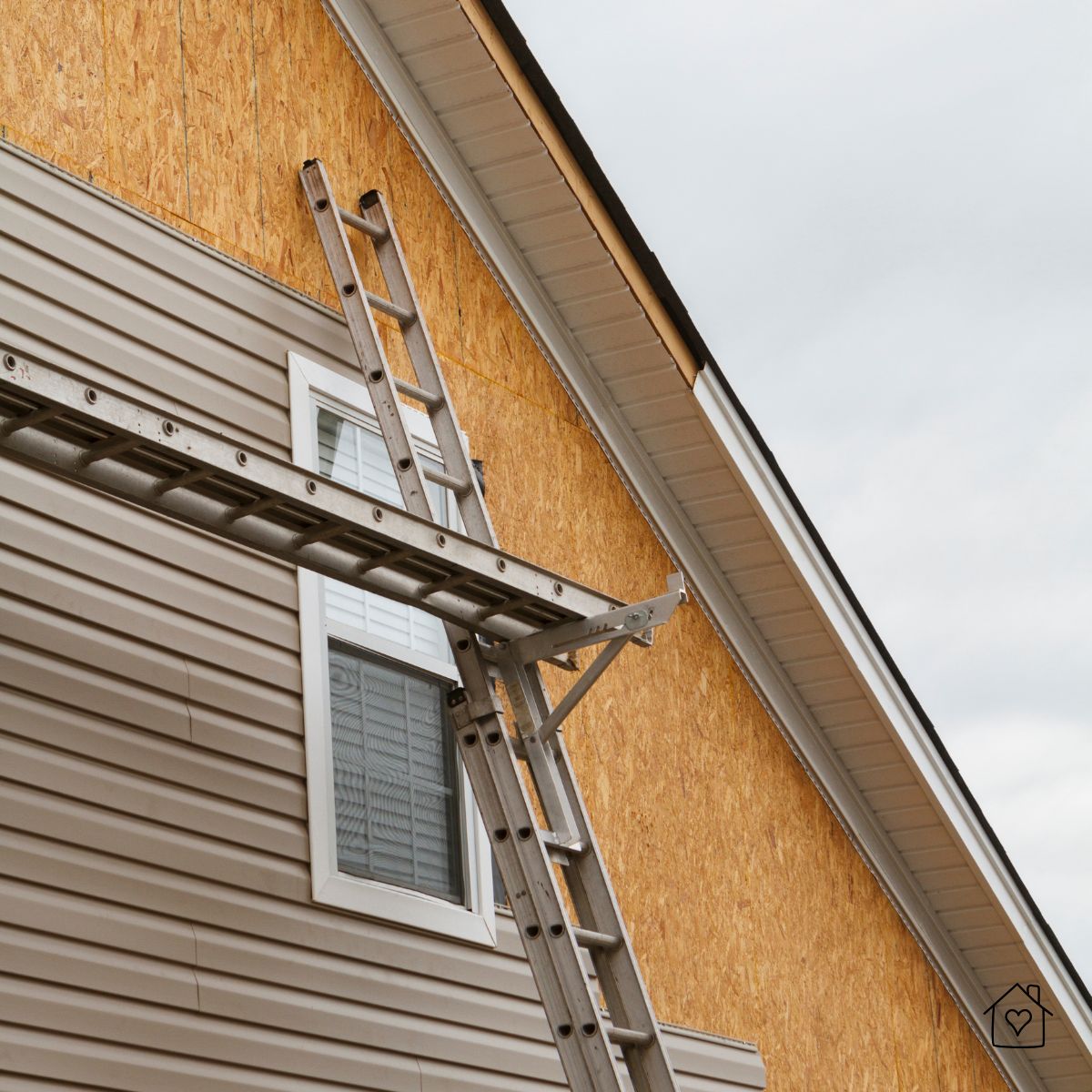
A single wiring error can create fire hazards. Attempting to remove a wall without knowing whether it's load-bearing can compromise your home's structure. Falls from ladders, rooflines, or unfinished staircases are among the most common injuries during residential DIY work.
The U.S. Consumer Product Safety Commission reports that home renovation safety concerns continue to rise, especially in projects involving ladders, power tools, and electrical systems. Each year, thousands of homeowners visit emergency rooms after sustaining injuries while attempting home repairs or upgrades.
Working with professionals dramatically reduces these risks. Contractors are trained in safety protocols, equipped with appropriate protective gear, and experienced in handling hazardous materials and structures. Hiring help isn't just about convenience-it can prevent accidents that have serious physical and financial consequences.
Scaling Up: Additions, Layout Changes, and Major Overhauls

As projects grow in scope, so does the need for coordination and expertise. Additions, major renovations, and layout changes aren't just bigger-they're more complex in every way. They affect multiple systems at once, from electrical and plumbing systems to structural supports and HVAC routing.
Even something that seems simple, like removing a wall to create an open-concept space, can reveal challenges such as rerouting ducts, supporting load-bearing beams, and matching finishes across rooms. These are not problems that can be easily solved with online tutorials or weekend work. Incomplete or poorly executed renovations at this level can devalue a property, create safety issues, or leave a home unlivable until they are repaired.
This is where hiring a professional becomes more than a time-saver. Companies like DG Builders bring experience in managing large projects, coordinating trades, securing materials, and ensuring the finished work meets both client expectations and regulatory standards. They also help avoid common pitfalls that can delay completion or lead to costly redos.
When planning a home addition or complete remodel, investing in skilled help from the start ensures the project flows smoothly, stays within budget, and results in a finished space that looks and functions as intended.
Think Like an Investor: Resale Value and Renovation ROI
Every project you complete in your home contributes to its long-term value, either positively or negatively. Renovations that look good, meet code, and are finished with quality materials and workmanship can boost appraisal value and buyer appeal. On the other hand, poor-quality or visibly amateur work can turn potential buyers away-or prompt them to offer less.
Rooms like kitchens and bathrooms carry more weight in both perception and resale calculations. Uneven tile, mismatched cabinetry, or low-quality materials in these spaces signal cut corners. Appraisers and buyers take note of these details and may use them as leverage to negotiate a lower sale price or to demand repairs.
Well-done renovations, on the other hand, can increase marketability and make a listing more competitive. When a home shows evidence of consistent care, professional craftsmanship, and modern upgrades, it stands out. These are the types of changes that contribute to increasing home value-not just emotionally, but financially.
If you're considering resale in the next few years, it's worth viewing renovations not just as upgrades, but as investments. Ensuring they're done right the first time protects that investment.
Know Your Limits, Protect Your Home
Every homeowner brings different skills, tools, and time to the table. Taking on small, manageable projects can be empowering and cost-effective. But recognizing where your capabilities end is just as important as knowing where they begin.
When a project involves safety concerns, structural changes, or systems that affect your home's function, it's time to bring in professional support. A qualified contractor helps ensure that the work is done correctly, meets all necessary codes, and adds lasting value.
You don't need to do everything yourself to take pride in your home. Choosing the right help at the right time is part of smart homeownership. It's a decision that safeguards your space, your budget, and your peace of mind.