Common Kitchen Issues That Homeowners Should Never Ignore
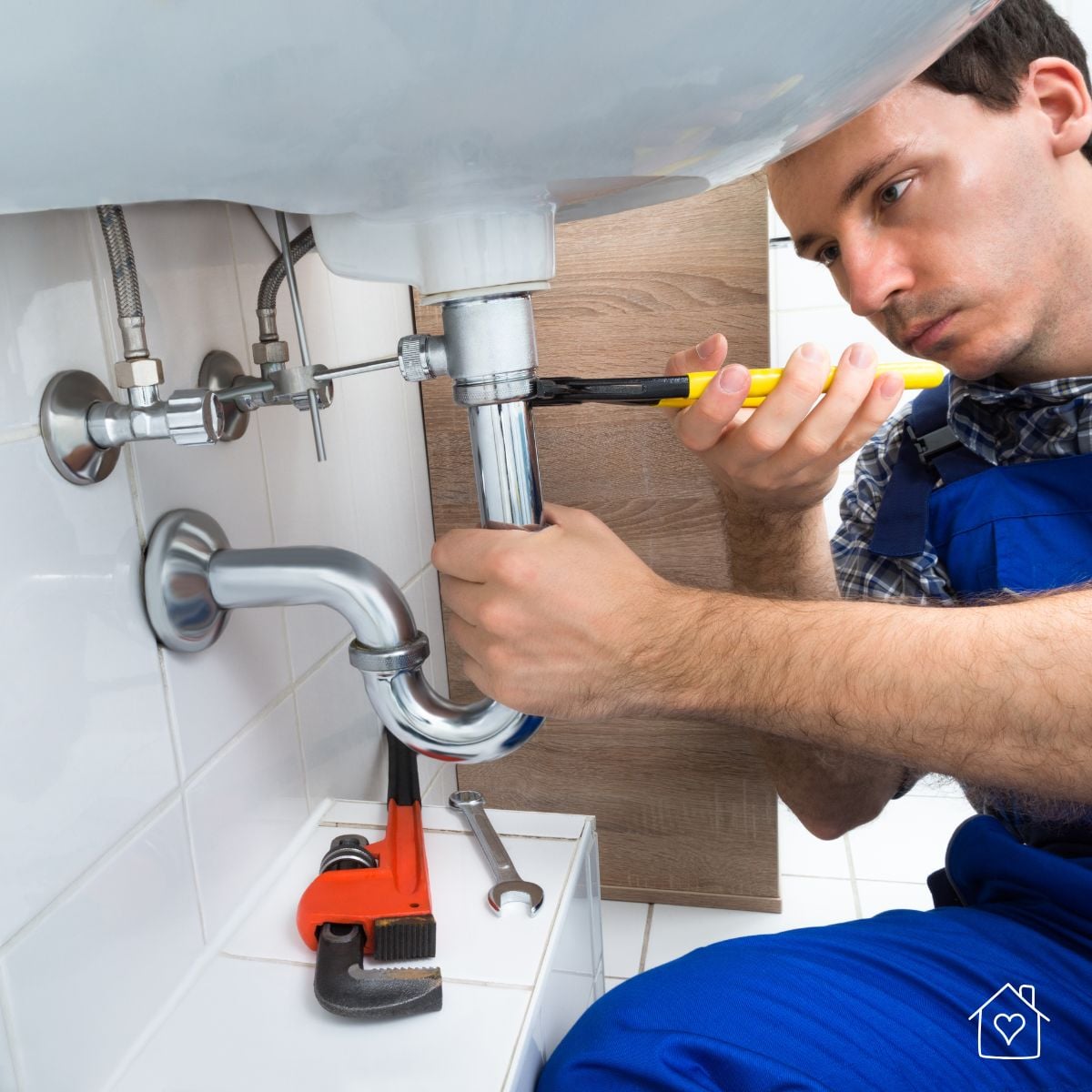
Years ago, I suspected there was a problem under my kitchen sink. I was at the end of myself emotionally (there was a lot going on), so other than opening the cabinet doors and looking, I didn't move a thing or investigate any further. Fast forward a few months. I went downstairs to do the laundry, standing directly BELOW the kitchen sink, and water was literally streaming from above onto my head!
No more ignoring it....I HAD to do something. And I should NOT have waited.
Kitchens take a beating every day from
Knowing the most common kitchen problems (and a few simple home maintenance tips) can protect your space and save you money. In this guide, I'll walk you through the warning signs to watch for, what usually causes them, and when it's time to call in an expert.
Leaky Faucets and Pipes Need Quick Repairs
A dripping faucet might seem harmless, but even a slow leak wastes water over time. That steady drip, drip, drip can also drive you a little crazy, especially at night when the kitchen is quiet. Check the faucet handle, spout, and pipe joints for drops, damp spots, or signs of rust.
Leaks under the sink need extra care because water can collect where you can't easily see it. That moisture can damage wooden cabinets, loosen flooring, and let mold grow in those dark spaces. Look inside the cabinet every so often, move things around, and check for wet items, stains, or a musty smell. (Opening the doors and peeking doesn't count....believe me.)
Some leaks come from worn washers, loose fittings, or damaged pipes, while others point to a bigger plumbing issue. If a leak gets bad, turn off the water supply and don't use the fixture until it's safe. For ongoing leaks or hidden pipe damage, a qualified plumber can find the cause and make the right repair before more damage happens.
Water Stains and Mold Need Immediate Attention
Dark marks on walls, ceilings, or cabinets can point to a hidden water problem. They can show up after a pipe leak, a loose sink connection, or water that's seeped behind a cabinet. Whatever you do, don't paint over them before you find and fix the source of the moisture.
Mold loves damp spots, especially around sinks, windows, and cabinets with poor airflow. You might notice black, green, or white spots, along with a stale or earthy smell that won't go away. Mold can harm indoor air quality and may cause health problems, so take any signs of growth seriously.
First, figure out where the water is coming from and stop the leak if you can do it safely. Dry small wet areas quickly, get some air moving, and don't disturb large patches of mold on your own. If the damp spot keeps coming back or the damage covers a large area, call a repair or mold removal professional to assess the problem and keep it from spreading.
Kitchen Electrical Problems Can Put Your Home at Risk
Kitchen appliances use a lot of power, so damaged wires and faulty outlets should never be ignored. Watch for sparks, buzzing sounds, hot outlet covers, or burning smells near plugs and switches. Any of these can point to an electrical fault that could lead to a fire or electric shock.
Never use an outlet that looks burned, feels hot, or crackles. Only unplug an appliance if you can do it safely, without touching damaged parts or standing in water. If you see smoke or flames, get out of the area and call emergency services instead of trying to fix it yourself.
A licensed electrician can inspect faulty electrical outlets, loose wires, and circuits that keep tripping. Try not to run too many high-power appliances from one outlet, since that puts too much load on the circuit. Regular checks go a long way toward keeping your kitchen safe, especially in older homes with aging wiring.
Broken Appliances Can Waste Energy and Money
A fridge that runs all day but doesn't keep food cold may have a damaged seal, dirty coils, or a faulty part. Make sure the door closes all the way, and check the rubber seal for cracks or gaps. If food is spoiling sooner than it should, act quickly to protect your health and avoid wasting groceries.
An oven that heats unevenly can leave meals undercooked or burn food on one side (nobody wants a pan that's half raw and half scorched). A stove with a loose knob, broken burner, or odd smell also needs attention before you use it again. Follow the manufacturer's care guide, and don't try repairs that involve gas lines or live electrical parts.
Strange noises, poor performance, and rising energy bills can all point to appliance trouble. Clean filters and vents as directed, and keep the space around each appliance clear so air can flow. If an appliance keeps failing, have it checked by a trained repair tech, or replace it when repair costs get too high.
Poor Ventilation Can Trap Heat and Moisture
Cooking releases heat, steam, grease, and tiny particles into the air. Without good airflow, all of that settles on walls, cabinets, and nearby surfaces, leaving a sticky film and smells that linger. Over time, trapped moisture can also raise the risk of mold, especially in kitchens with small windows.
Run a range hood or exhaust fan when you cook, and if your system is designed to vent outside, make sure it actually does. Clean the hood filter as often as the manufacturer recommends, because grease builds up and cuts down on airflow. When it's safe and practical, crack a window to help fresh air move through the room.
If the fan rattles, stops working, or doesn't clear steam well, check for a dirty filter or blocked vent. Don't ignore damp walls, peeling paint, or smells that hang around long after dinner. Fixing ventilation problems early helps protect your cabinets, improves your indoor air, and makes the kitchen a more comfortable place to be.
Damaged Cabinets and Floors May Hide Water Damage
Swollen cabinet doors, soft wood, and peeling surfaces usually point to a moisture problem. That can come from a slow leak, spills that never got dried, or water getting in through a damaged seal. Check the areas near the sink, dishwasher, fridge, and any other water lines.
Kitchen floors need attention too, since loose tiles, lifted boards, or soft spots can cause trips and falls. Water can seep under flooring and weaken what's underneath, even when the surface looks mostly dry. Wipe up spills right away, and watch for changes in floor height, color, or texture.
Always fix the source of the moisture before you replace damaged cabinets or flooring. If the floor feels soft or the damage keeps spreading, have a qualified contractor check what's going on underneath. Acting early can keep a small repair from turning into a costly job involving your cabinets, flooring, and even the home's structure. (Ask me how I know....)
Gas Smells and Faulty Fixtures Demand Fast Action
A gas smell near the stove should always be treated as a serious warning. A damaged line, loose fitting, or faulty burner can let gas escape, which creates a risk of fire or explosion. Never try to find the leak with a flame, and don't keep using the stove to see if the smell goes away.
If you smell gas, don't light matches, smoke, or use any electrical switches or appliances inside the home. Get out of the house, move to a safe spot, and call your gas provider or emergency services from outside. Follow their advice, and don't go back in until the area has been declared safe.
Other fixtures can cause trouble too when they get loose, cracked, or hard to use. A wobbly sink, broken cabinet hinge, or sharp edge can lead to cuts or other injuries during everyday use. Repair damaged parts promptly, and contact a Trusted Plumber for plumbing concerns that need expert care.
Simple Maintenance Helps Prevent Costly Kitchen Repairs
A short kitchen check each week can help you catch small issues before they grow. Look under the sink, test the faucets, check the appliance doors, and make sure drains are flowing well. Wipe up spills, clear out food scraps, and keep the area around your
Follow the care instructions for your appliances, pipes, and ventilation system. Clean filters, remove grease, and check seals the way the manufacturers recommend. Jot down any leaks, odd sounds, smells, or other changes so you can tell whether a problem is getting worse.
Don't wait for a small problem to knock your kitchen out of commission. Some repairs are simple, but water damage, electrical faults, and gas leaks may need skilled help right away. Set aside money for home upkeep, schedule checkups when you need them, and fix problems early so your kitchen stays safe and works well for years to come.
Protect Your Kitchen Before Small Problems Grow
A safe, hardworking kitchen starts with noticing changes and acting before the damage spreads. Regular checks for leaks, blocked drains, mold, faulty appliances, and poor airflow help protect your home and keep repair costs in check. Good kitchen care also means knowing when a job is too risky to handle on your own and when to call a trained expert.
Make these simple checks part of your weekly routine, and deal with warning signs as soon as they show up. Acting quickly can save water, protect your family, and help your kitchen last longer....and it can save you from a surprise shower in the laundry room!
Have you ever let a kitchen problem go a little longer than you should have? I would love to hear about it!