Effective Ways To Store Your Gardening Tools
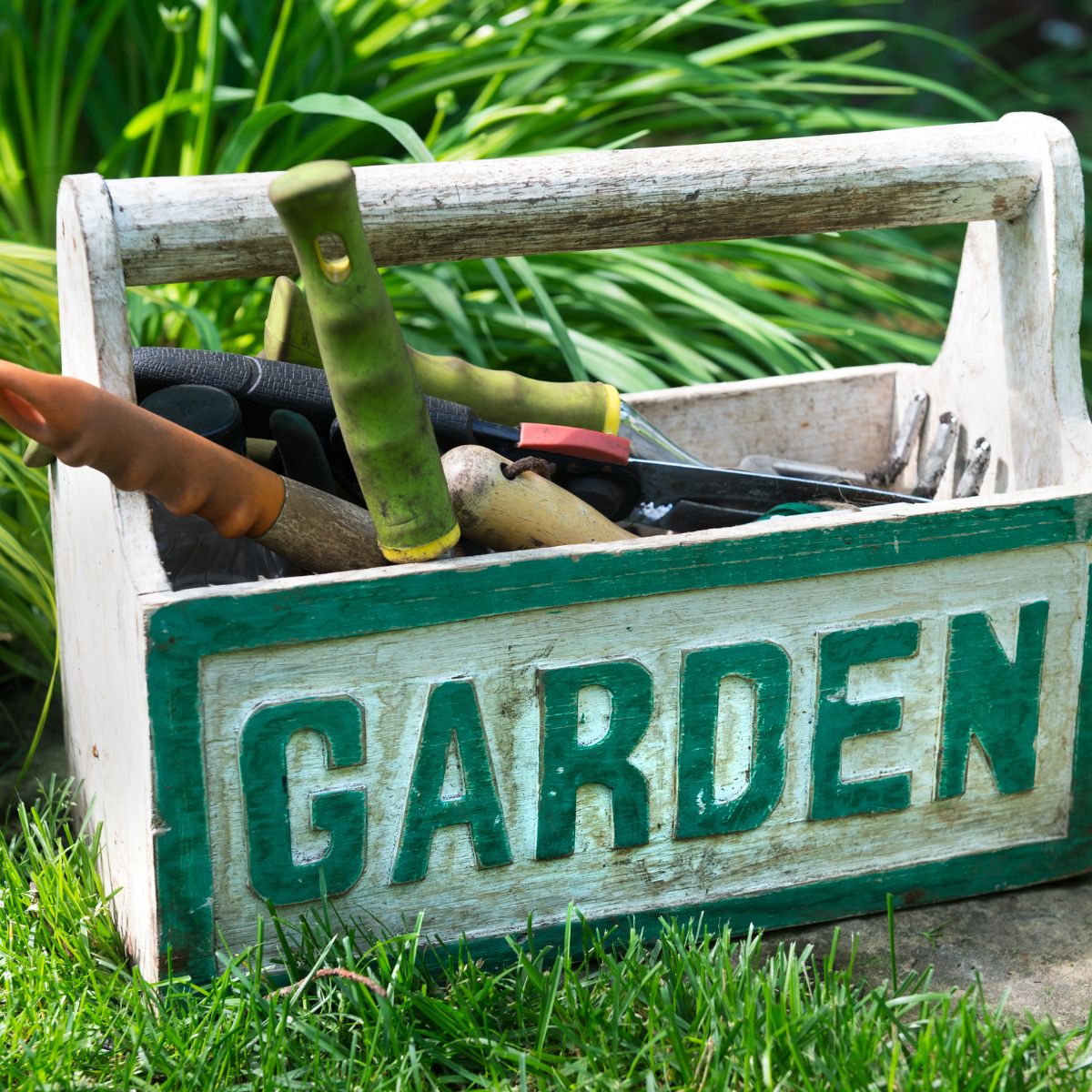
You spend hours choosing the perfect spade, investing in quality pruning shears, and carefully selecting hand tools that feel just right in your grip. Then what happens? You toss them in a corner of the garage where they collect dust, develop rust spots, and gradually lose their edge-literally and figuratively.
Proper tool storage isn't just about tidiness; it's also about safety. When you store your gardening tools correctly, you protect your investment, save money on replacements, and make your gardening sessions more enjoyable. Nobody wants to start their weekend garden project by hunting down a missing trowel or discovering their favorite pruners have rusted beyond repair.
The difference between gardening tools that last decades versus those that need replacing every few seasons often comes down to one factor: how you store them when you're not digging, pruning, or planting. Let's explore some effective ways to store your gardening tools.
*This post may contain affiliate links and I'll earn a commission if you shop through them. You can read my full disclosure here.
Start With Clean Tools
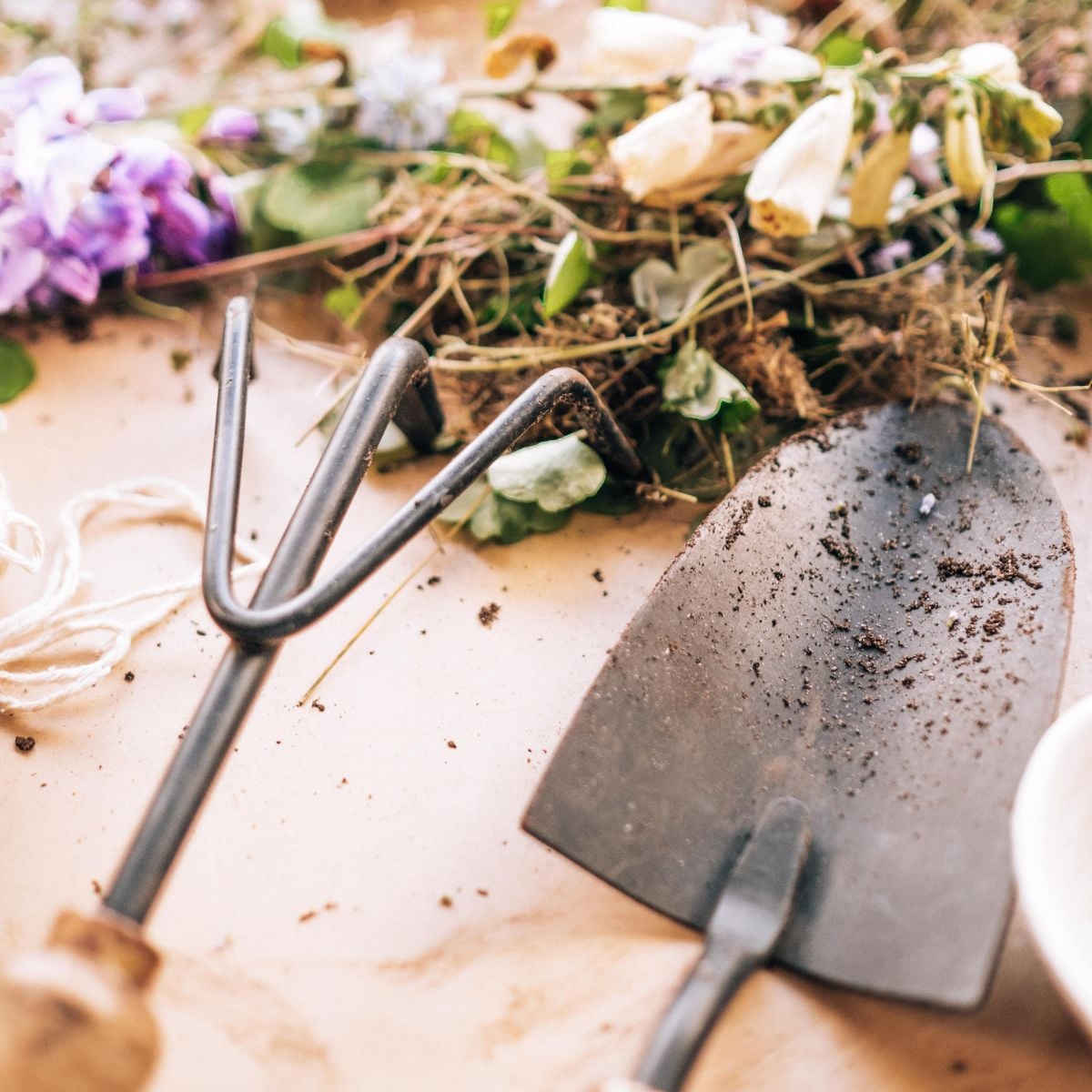
Before you even think about where to put your tools, you need to address what's on them. Soil, plant residue, and moisture create the perfect recipe for rust and deterioration. After each gardening session, take five minutes to clean your tools properly.
Remove all dirt and debris using a stiff brush or putty knife. For stubborn soil, a bucket of water and some scrubbing will do the trick. Pay special attention to joints, hinges, and crevices where moisture loves to hide. Once you've removed the visible dirt, dry each tool completely with a clean cloth.
This
Indoor Storage Solutions That Work
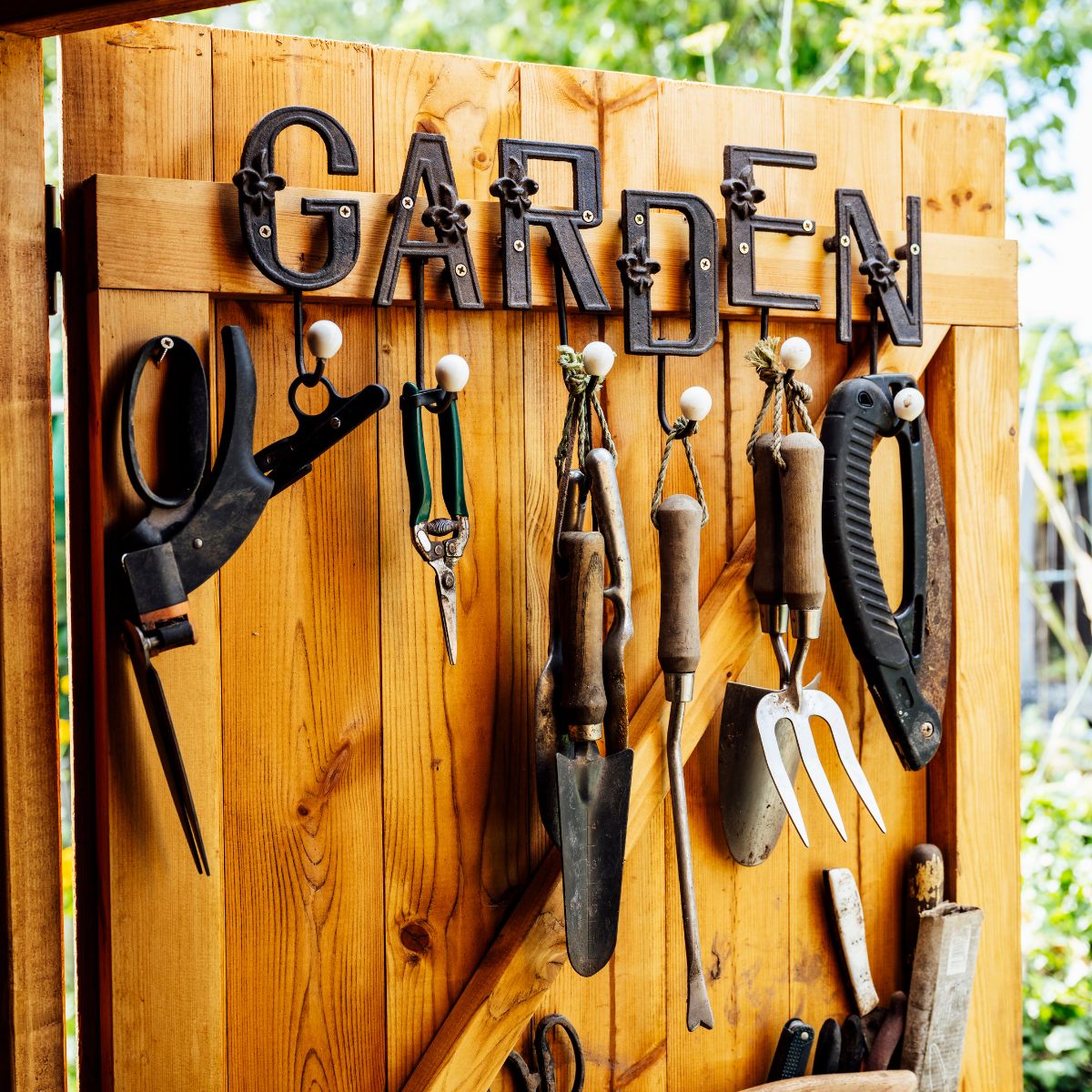
Your garage, gable shed, or basement can become an excellent tool storage space with some thoughtful organization. The key lies in keeping tools off the ground and away from moisture sources.
Wall-mounted pegboards offer fantastic versatility for hand tools. You can customize the layout based on your specific collection and easily see everything at a glance. Magnetic strips work particularly well for smaller metal tools like pruning shears and hand cultivators.
For long-handled tools like rakes, shovels, and hoes, consider installing wall brackets or creating a simple rack system. Space the brackets wide enough apart to prevent tools from knocking against each other. Some gardeners prefer standing racks that hold tools upright-these work especially well in corners where wall space is limited.
Temperature control matters more than you might think. Extreme temperature fluctuations cause metal to expand and contract, which can lead to weakened joints and faster wear. That's also why choosing a well-built, properly insulated shed matters. If your storage area experiences dramatic temperature swings, try to position your tools away from exterior walls and windows.
When you decide to find a premium shed with the right features, prioritize ventilation alongside security. Good airflow prevents condensation buildup that leads to rust and mold issues.
Outdoor Storage for Limited Space
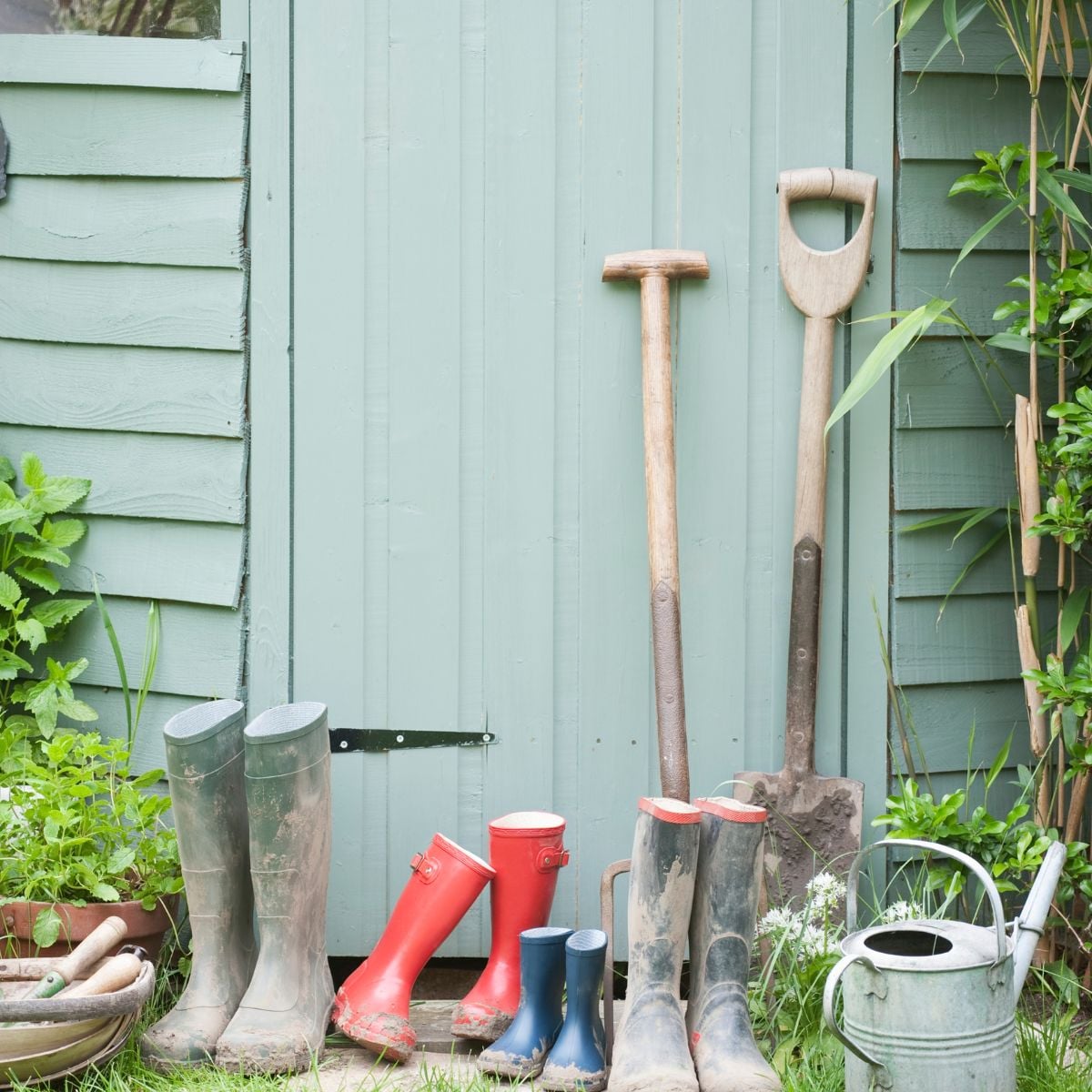
Not everyone has the luxury of a spacious garage or dedicated tool shed. If you're working with limited indoor space, outdoor storage can work beautifully with the right approach.
Weather-resistant storage containers come in various sizes and styles. Look for containers with tight-fitting lids and drainage holes to prevent water accumulation. Plastic containers resist rust better than metal ones, but make sure they're UV-resistant to avoid cracking from sun exposure.
Deck boxes serve double duty as seating and storage for smaller gardens. These work particularly well for hand tools, gloves, and other frequently used accessories.
For creative DIY solutions, consider repurposing old filing cabinets or wooden crates. Apply a weather-resistant stain or paint to protect against the elements. Old rain barrels, when properly modified, can store long-handled tools upright while taking up minimal ground space.
Location matters significantly for outdoor storage. Choose spots with natural protection from driving rain and extreme sun. Under eaves or covered porches work well, as do areas with partial shade from trees or structures.
Rust Prevention Strategies
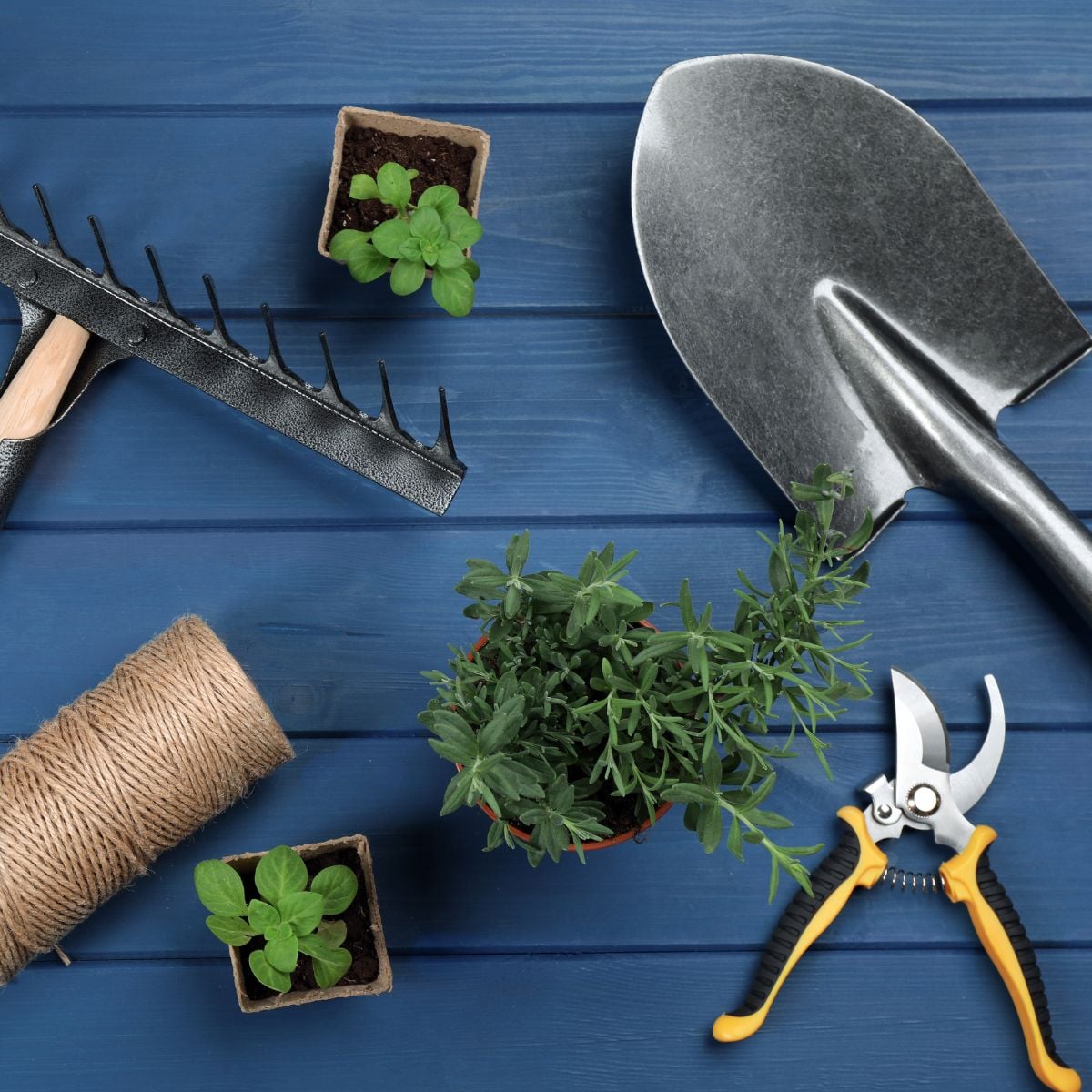
Rust is the enemy of every metal garden tool, but you can fight back with some simple preventive measures. After
For tools you won't use for extended periods, consider rust-inhibiting sprays or wipes specifically designed for garden tools. These products provide longer-lasting protection than oils and won't attract dirt the way heavier lubricants might.
Silica gel packets, the kind you find in shoe boxes and electronics packaging, can absorb excess moisture in closed storage containers. Toss a few into your tool storage boxes to keep the humidity down.
Some gardeners swear by the sandbox method for hand tools. Fill a large container with clean sand mixed with motor oil (about one cup of oil per gallon of sand). After
Safe Storage Practices
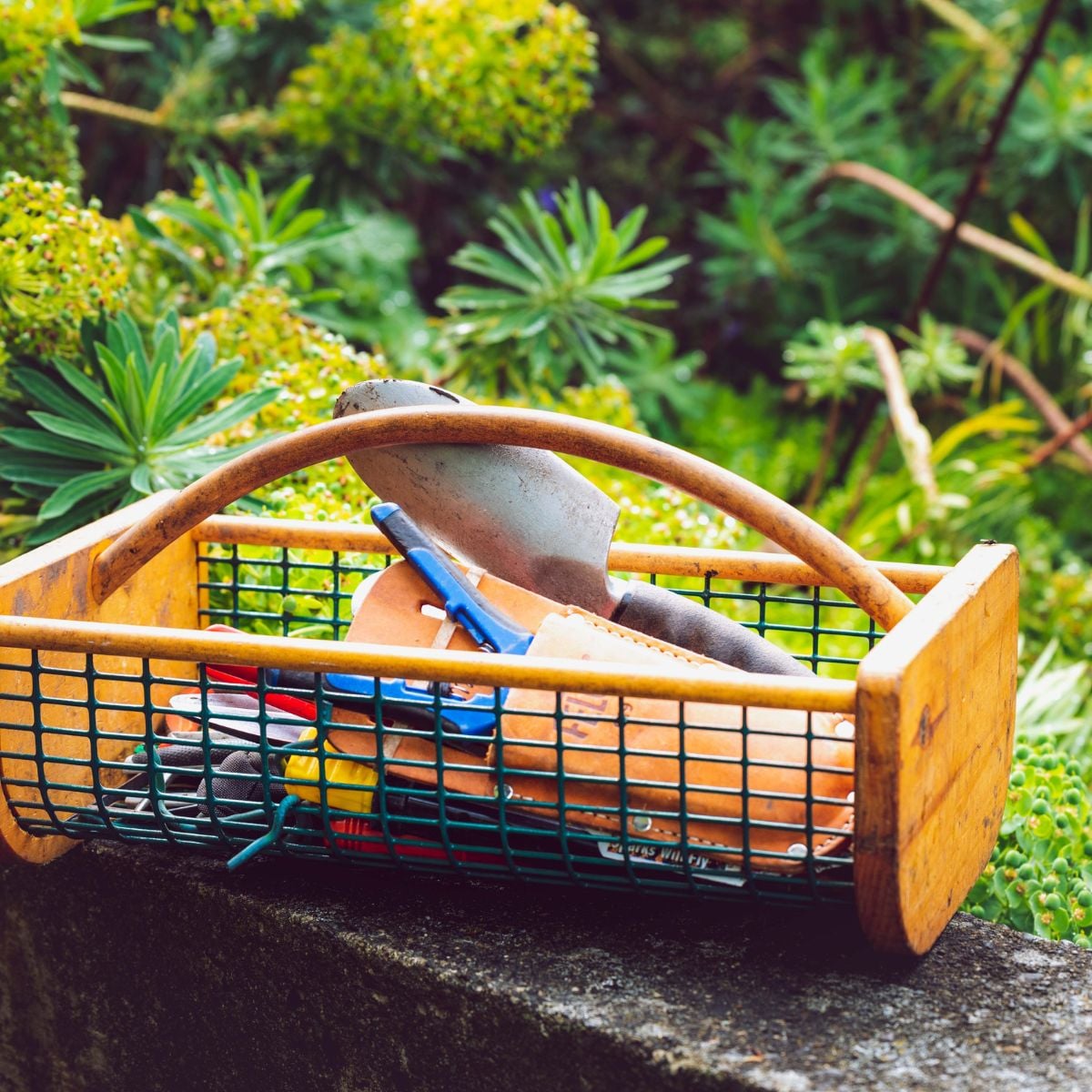
Sharp tools demand respect, both when you're using them and when you're storing them. Blade guards or sheaths protect both your tools and your fingers. You can purchase guards for most common tools or make simple covers from cardboard and tape.
Keep sharp tools at eye level or below to prevent accidents when reaching overhead. Store pruning shears and loppers with safety locks engaged. For tools with long handles, position them so the business end points away from high-traffic areas.
Designate specific areas for each tool type. When everything has a specific place, you're less likely to leave sharp implements lying around where someone might get hurt. This organization also makes it much easier to notice when a tool is missing or needs attention.
Consider the accessibility needs of everyone who uses your gardening space. Tools stored too high or too low can cause strain and accidents. Adjust your storage system so the most frequently used items sit within easy reach.
Maintenance Schedules That Stick
Setting up a regular maintenance routine prevents small problems from becoming expensive replacements. Monthly quick inspections catch issues early. Look for loose handles, developing rust spots, or damaged edges that need attention.
Seasonal deep maintenance coincides naturally with gardening rhythms. Spring preparation might include sharpening blades and tightening loose bolts. Fall cleanup provides the ideal opportunity for thorough
Keep a simple log of maintenance activities. Note when you last sharpened your pruners, oiled your shovel, or tightened the handle on your hoe. This record helps you stay ahead of maintenance needs and spot patterns that might indicate storage problems.
Don't forget about your storage areas themselves. Clean out storage containers annually to remove debris and check for damage. Inspect wall mounts and brackets for wear or loosening. A few minutes of storage system maintenance can prevent tool damage and safety hazards.
Your Tools Will Thank You
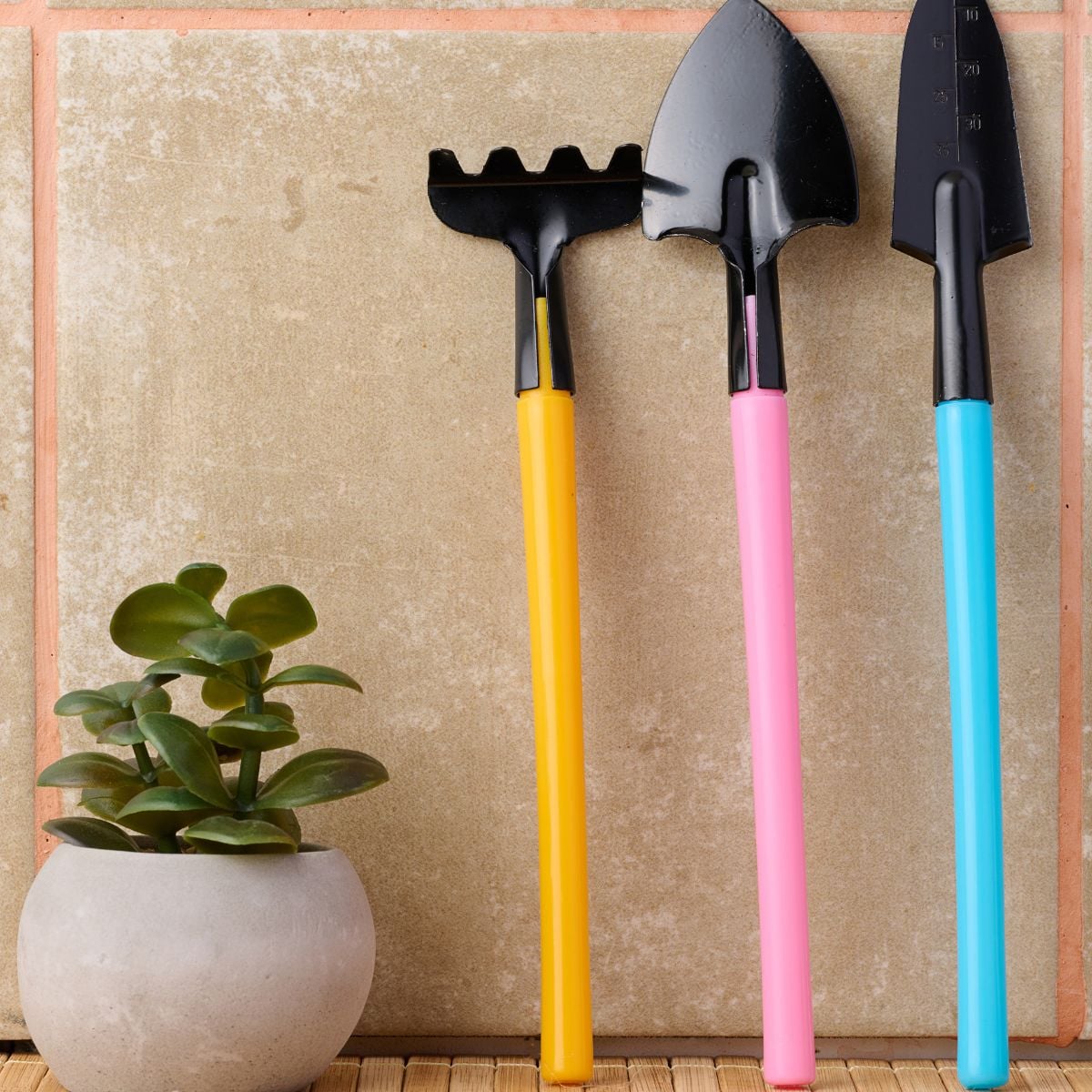
Proper gardening tool storage isn't complicated, but it does require some initial setup and ongoing attention. The payoff comes in tools that perform better, last longer, and make your gardening more enjoyable. When you can quickly find the right tool in good condition, you spend more time gardening and less time dealing with equipment frustrations.
Start with one storage improvement this weekend. Maybe that means finally mounting a pegboard in your garage or investing in a weather-resistant container for your deck. Small changes compound over time, and your future self will appreciate the effort when you're still using those quality tools years from now.