5 Effective Ways To Brighten Up Your Kitchen
Your kitchen deserves to be the heart of your home-a place where morning coffee tastes better, family conversations flow naturally, and

A well-lit kitchen does more than just help you see what you're
The good news? You don't need a complete renovation to transform your kitchen's ambiance. With some strategic changes and thoughtful design choices, you can create a space that feels significantly brighter and more welcoming. Check out these effective ways to brighten up your kitchen.
*This post may contain affiliate links and I'll earn a commission if you shop through them. You can read my full disclosure here.
Maximize Natural Light
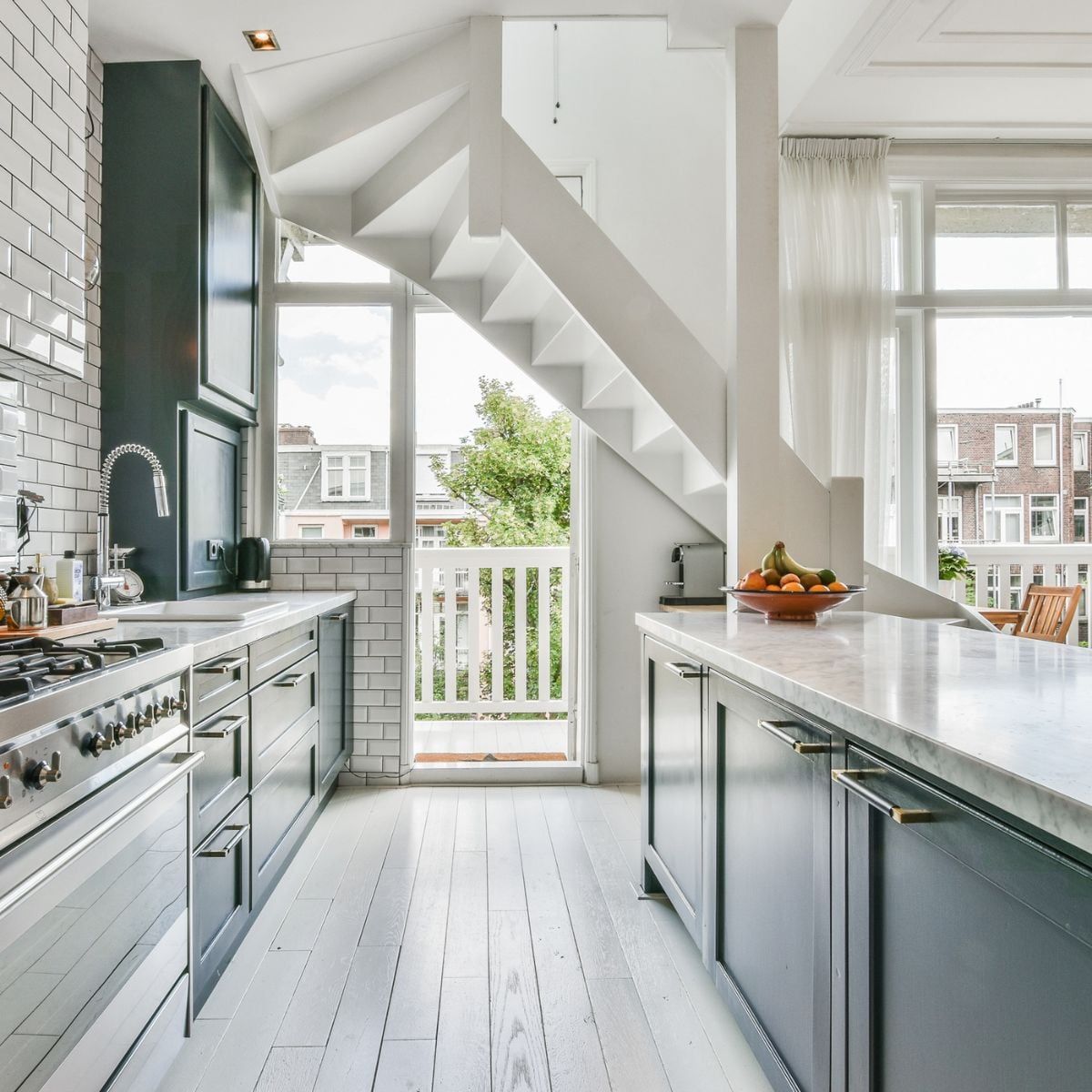
Natural light remains the most powerful tool for brightening any space, and your kitchen is no exception. Start by evaluating your current window treatments. Heavy curtains or dark blinds can block precious sunlight, making your kitchen feel cave-like even on the sunniest days.
Consider replacing thick window coverings with lighter alternatives. Sheer curtains allow light to filter through while still providing privacy during the day. If you prefer blinds, choose ones in white or light wood tones, and keep them angled to direct light upward toward the ceiling. This technique bounces light throughout the room rather than letting it pool on the floor.
For kitchens blessed with larger windows, resist the urge to obstruct them with decorative elements or appliances. Keep windowsills clear and position your sink or workspace nearby to take advantage of the natural illumination while you work.
If your kitchen lacks adequate windows, a skylight can be a game-changing addition. In contrast, this requires more investment and planning; skylights flood rooms with overhead natural light that feels different from traditional windows. The light streams down from above, creating an open, airy feeling that can dramatically change your kitchen's character.
Choose a Light Color Palette
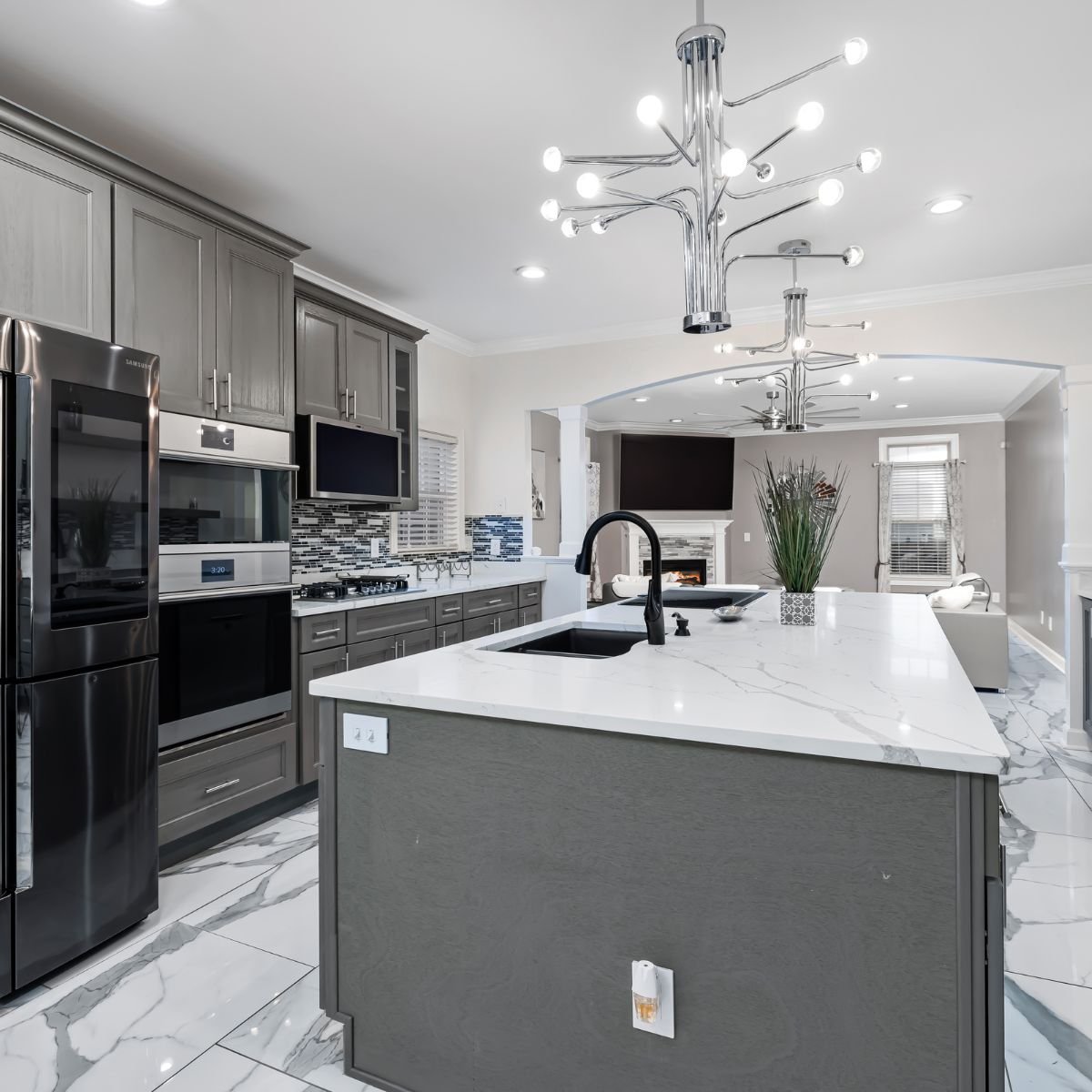
Color wields tremendous influence over how bright a space feels, and your kitchen's color scheme can either amplify or diminish available light. Light colors reflect illumination, while dark colors absorb it-a fundamental principle that should guide your design decisions.
White remains the champion of brightness, but don't feel limited to stark white walls. Warm whites, soft creams, and pale yellows can create a bright foundation while adding personality to your space. These colors reflect light beautifully and create a backdrop that makes your kitchen appear larger and more open.
Your cabinet color choice carries particular weight since cabinets occupy significant visual space in most kitchens. If a complete cabinet replacement isn't in your budget, painting existing cabinets in light colors can deliver remarkable results. Soft grays, sage greens, or classic whites can instantly freshen your kitchen's appearance.
Don't overlook your ceiling when planning your color strategy. Many homeowners default to white ceilings without considering alternatives. A ceiling painted in a very light shade that's slightly warmer than pure white can add subtle warmth while maintaining that crucial light-reflecting quality.
Upgrade Your Lighting Fixtures
Artificial lighting deserves as much attention as natural light, especially during evening hours or in kitchens with limited windows. A well-designed lighting plan incorporates multiple types of fixtures to create layers of illumination that serve different purposes.
Under-cabinet lighting represents one of the most impactful upgrades you can make. These fixtures eliminate shadows on your countertops, making food preparation easier while adding a warm glow that makes your kitchen feel more inviting. LED strip lights work particularly well for this application, providing even coverage without taking up space or creating hot spots.
Pendant lights over islands or dining areas serve both functional and decorative purposes. When choosing pendants, consider fixtures with glass or light-colored shades that allow light to escape in multiple directions rather than focusing it downward only. This approach helps brighten the entire room rather than creating isolated pools of light.
Recessed ceiling lights provide general illumination, but their placement matters tremendously. Properly spaced recessed lights eliminate shadows and provide even coverage throughout your kitchen. If your current recessed lights create dark spots, adding a few strategically placed fixtures can solve the problem without requiring major electrical work.
Incorporate Reflective Surfaces
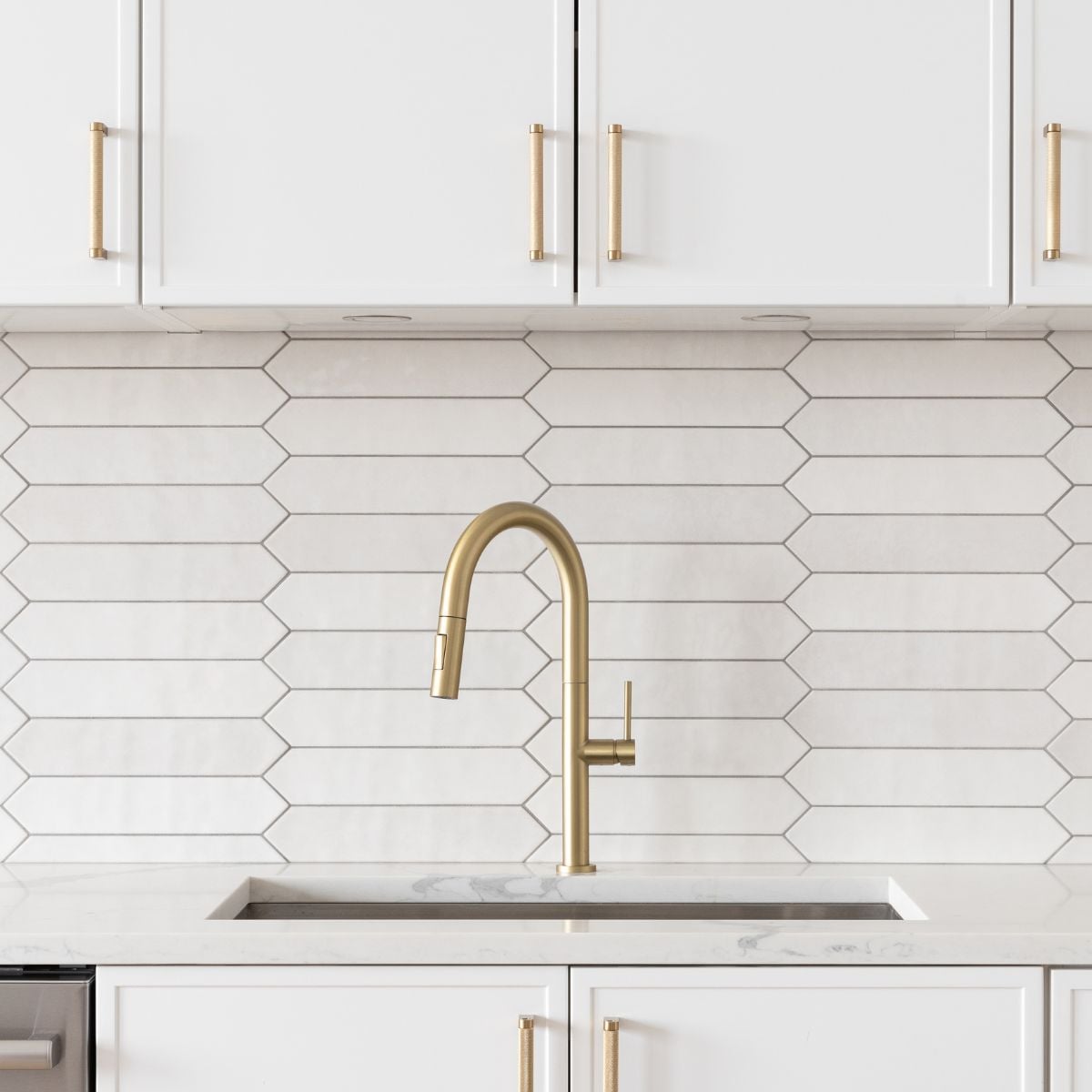
Mirrors and glossy surfaces act like light multipliers, bouncing illumination around your kitchen to create the illusion of more brightness and space. This strategy works particularly well in smaller kitchens where every bit of reflected light makes a meaningful difference.
A strategically placed mirror can double the impact of a window by reflecting natural light deeper into your kitchen. Consider positioning a mirror on a wall adjacent to your window rather than directly opposite it. This placement captures and redirects light while avoiding the harsh glare that can occur when mirrors face windows directly.
Glossy backsplashes serve a dual purpose, protecting your walls while reflecting light throughout your
Your choice of hardware and accessories also contributes to overall reflectivity. Polished chrome, brushed nickel, or brass cabinet pulls and faucets catch and reflect light, adding subtle sparkle to your kitchen. Even small decorative elements like glass canisters or metallic bowl displays can contribute to your kitchen's overall brightness.
Declutter and Organize
Physical clutter creates visual heaviness that can make even well-lit kitchens feel dim and cramped. A systematic approach to organization not only makes your kitchen more functional but also allows light to move freely throughout the space.
Start by clearing your countertops of everything except daily essentials. Small appliances, stacks of mail, and accumulated items create shadows and visual chaos that diminish your kitchen's brightness. Find permanent homes for these items in cabinets or designated storage areas.
Open shelving requires careful curation to maintain a bright, airy feeling. Display items in light colors and varying heights, leaving breathing room between objects. Too many items packed together create visual weight that can make your kitchen appear larger while still showcasing your personality through thoughtful styling.
Cabinet organization plays a crucial role in maintaining brightness over time. When everything has a designated place, you're more likely to keep surfaces clear and support that light, open feeling you've worked to create. Consider drawer organizers, shelf risers, and other tools that maximize storage efficiency while keeping items easily accessible.
Your Bright Kitchen Awaits
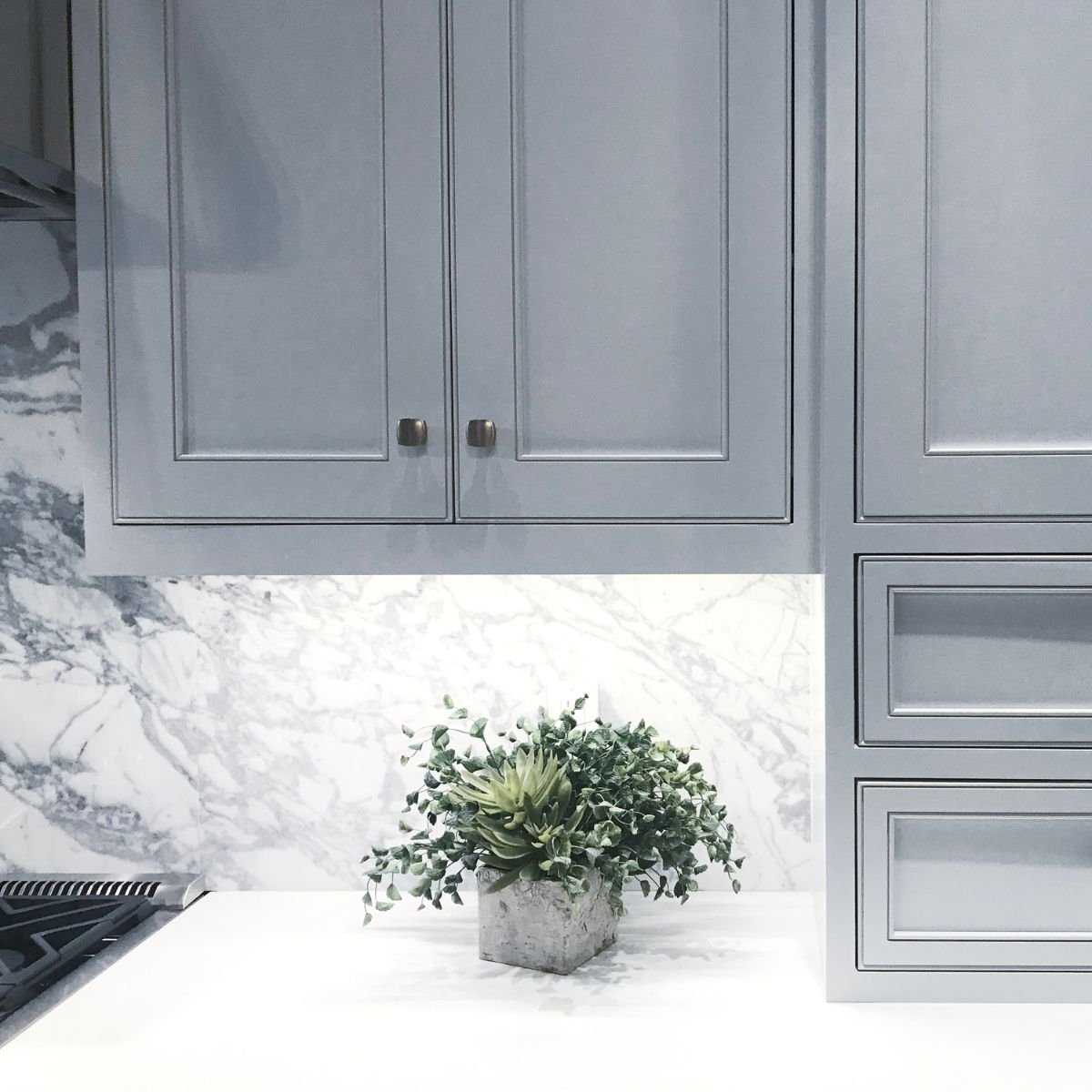
Creating a brighter kitchen doesn't require extensive renovations or unlimited budgets. The techniques outlined here work together synergistically-each improvement amplifies the others to make a cumulative effect that can transform your kitchen's entire character.
Start with the changes that offer the biggest impact for your specific situation. Perhaps that's simply switching to lighter window treatments and decluttering your countertops. Or maybe you're ready to tackle a cabinet painting project that will serve as the foundation for other improvements.
Remember that brightness isn't just about the quantity of light-it's about creating a space that feels welcoming and energizing. As you implement these strategies, pay attention to how each change affects both the look and feel of your kitchen. The goal is creating a space where you genuinely enjoy spending time, whether you're preparing a quick breakfast or hosting friends for dinner.
Your kitchen has the potential to be the bright, inviting heart of your home. With some thoughtful planning and strategic improvements, you can create a space that not only looks beautiful but also makes every moment spent there more enjoyable.