Why Roof Leaks After Texas Storms Can’t Wait
Texas weather is unpredictable, and Austin residents know all too well how quickly a sunny day can turn into a severe thunderstorm. Heavy rain, hail, and high winds often leave behind one of the most common roofing problems-leaks. While a small drip might seem manageable, roof leaks after a Texas storm can escalate quickly and cause serious damage if not addressed right away.
This guide answers common questions homeowners ask about storm-related leaks and explains why timely repairs are critical.
*This post may contain affiliate links and I'll earn a commission if you shop through them. You can read my full disclosure here.

How Do Texas Storms Cause Roof Leaks?
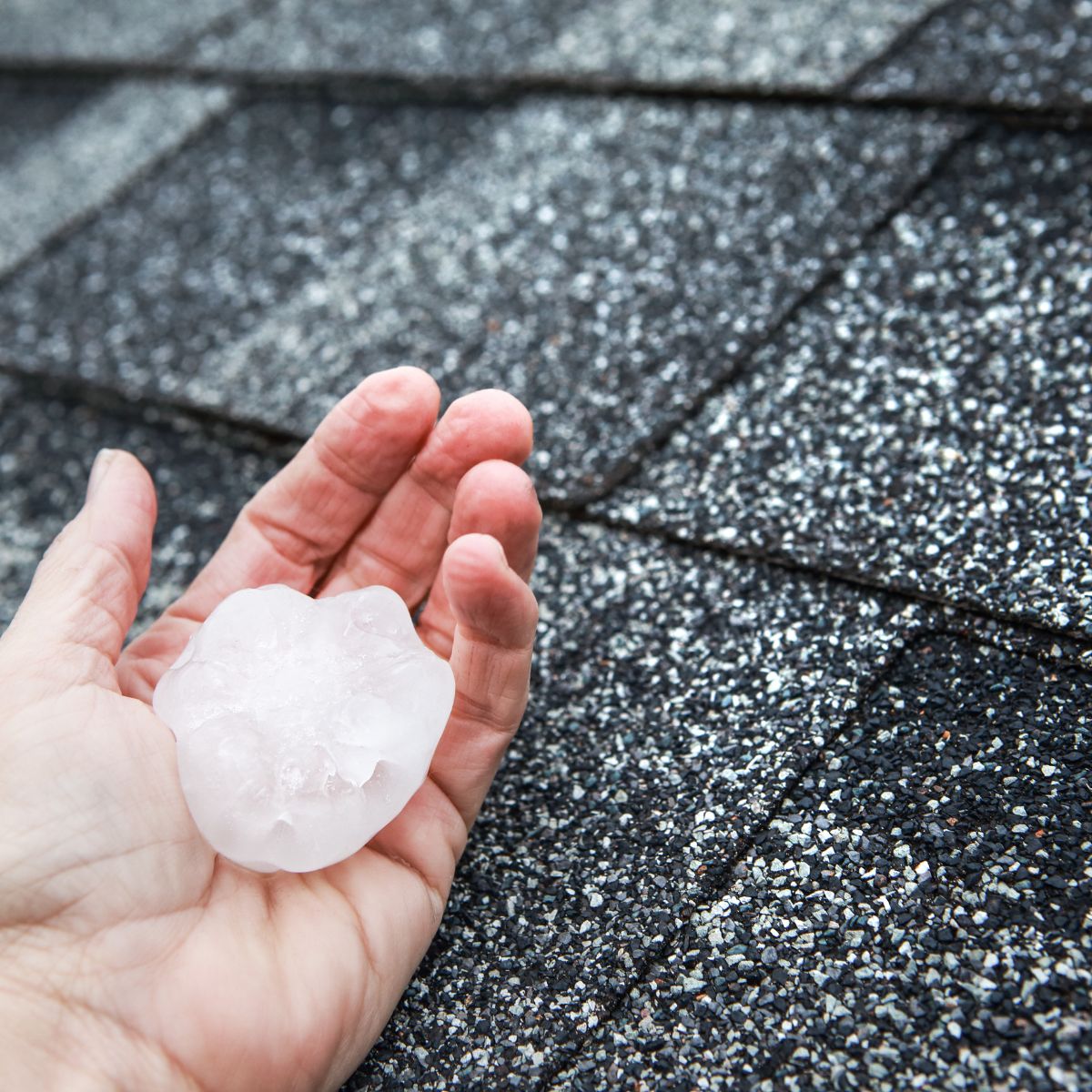
Why does it leak after a storm? Texas storms put unique pressure on roofs:
- High winds can lift or tear shingles, creating entry points for rain.
- Hail impact often cracks shingles, flashing, and even roof vents.
- Heavy rainfall exposes any existing vulnerabilities in the roofing system.
- Fallen branches puncture or dent roofing materials, leaving gaps.
Even a minor issue can turn into a major leak once water finds its way into underlayment, decking, or attic spaces.
What Are the First Signs of a Roof Leak?
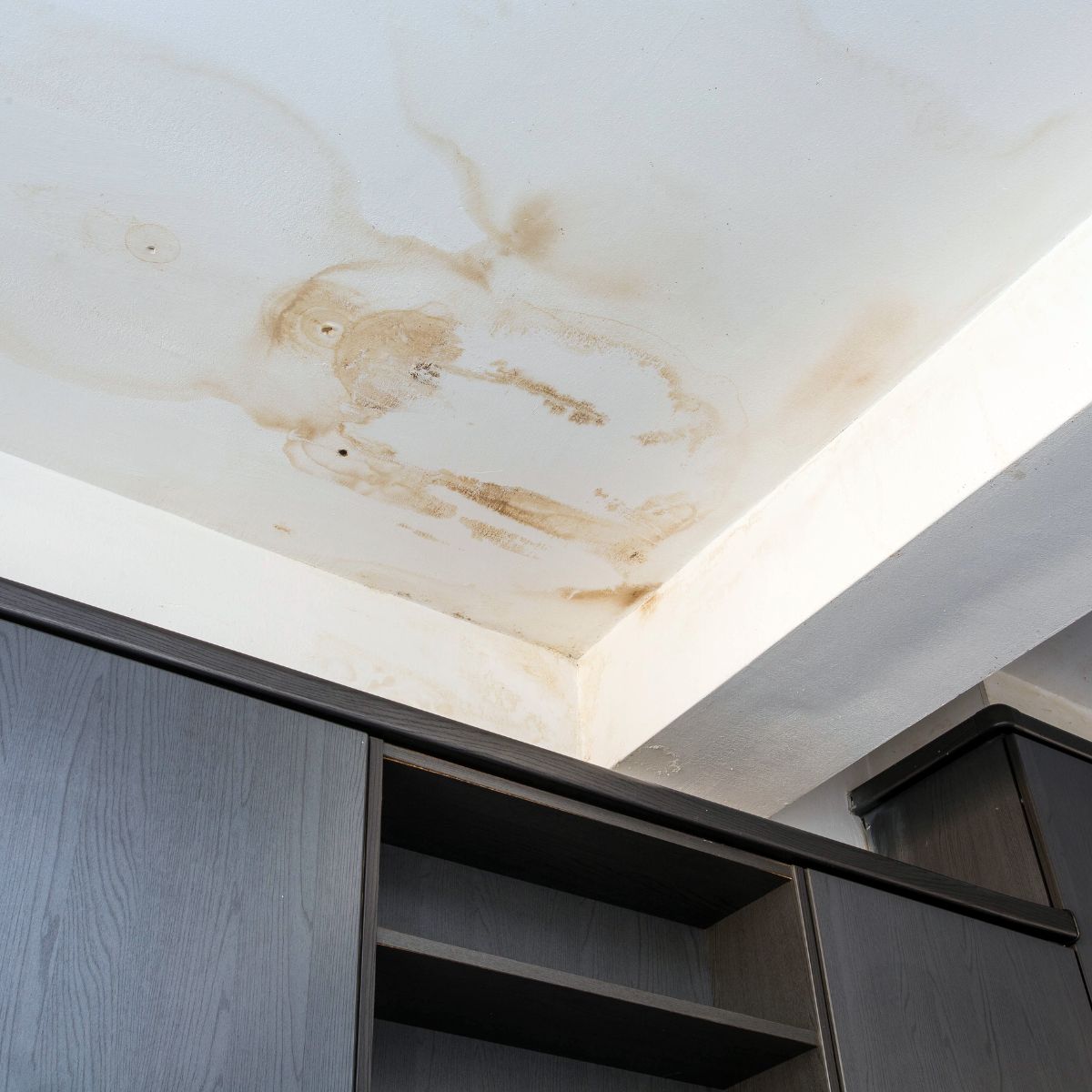
Early detection saves thousands in potential repairs. Signs include:
- Water stains on ceilings or walls
- Damp insulation in the attic
- Missing or cracked shingles after a storm
- Dripping sounds during rain
- A musty odor indoors
If you notice these signs, don't wait for the problem to get worse-schedule a roof inspection immediately.
How Fast Can a Small Leak Spread?
One of the most common questions is: How quickly can a roof leak cause serious damage? The answer: faster than most homeowners realize.
- Within hours: Water seeps into insulation and wood decking.
- Within days: Mold growth can begin in damp areas.
- Within weeks: Structural components may weaken, leading to sagging or rot.
That's why homeowners often turn to experienced roofing companies in Austin for emergency inspections and storm repairs.
Should You Repair or Replace After a Storm?
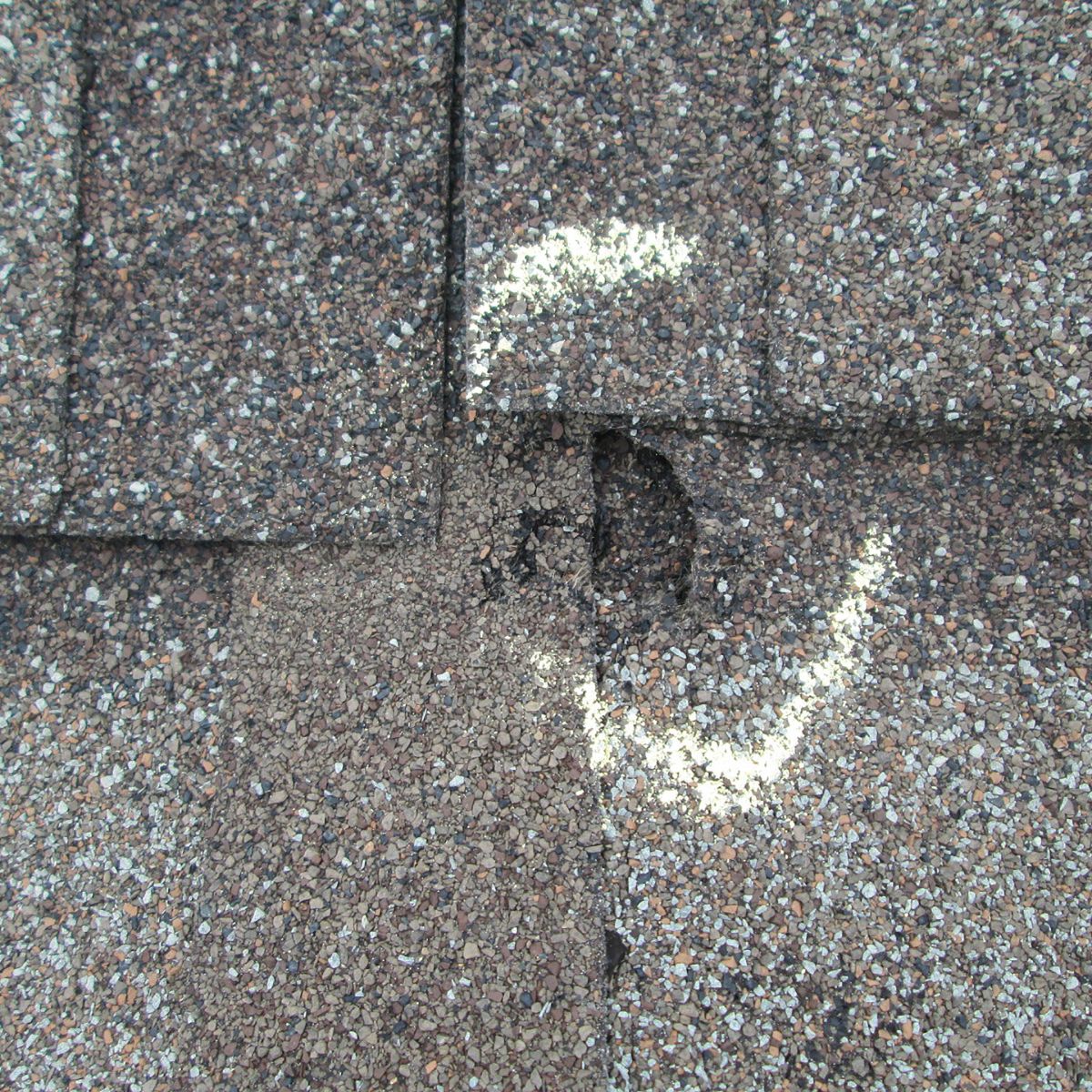
Not every leak requires a full roof replacement. Factors that determine whether to repair or replace include:
- Age of roof: Older roofs may need replacement if damage is widespread.
- Extent of leak: Small, isolated leaks can often be repaired.
- Type of storm damage: Hail and wind damage can accelerate wear across the entire roof surface.
- Insurance coverage: Many policies cover storm-related repairs or replacements.
Professional roofers will help assess the most cost-effective and long-term solution.
What to Do Immediately After Discovering a Leak
If you spot a roof leak after a Texas storm, follow these steps:
- Contain the leak indoors using buckets or tarps.
- Document the damage with photos for insurance claims.
- Call a licensed roofer for an emergency inspection.
- Avoid climbing on the roof yourself-wet shingles are extremely slippery.
For detailed guidance, this resource on roof leak repair in Austin explains the immediate actions to take before help arrives.
Why Texas Storms Make Fast Repairs Essential
Is it safe to wait on storm damage repairs? In Texas, the answer is almost always no. Severe weather is frequent, meaning one storm's damage often gets compounded by the next. A roof already compromised by hail or wind may not survive the next round of rainfall, leaving your home vulnerable to flooding, mold, and structural damage.
How Austin Roofing Companies Respond
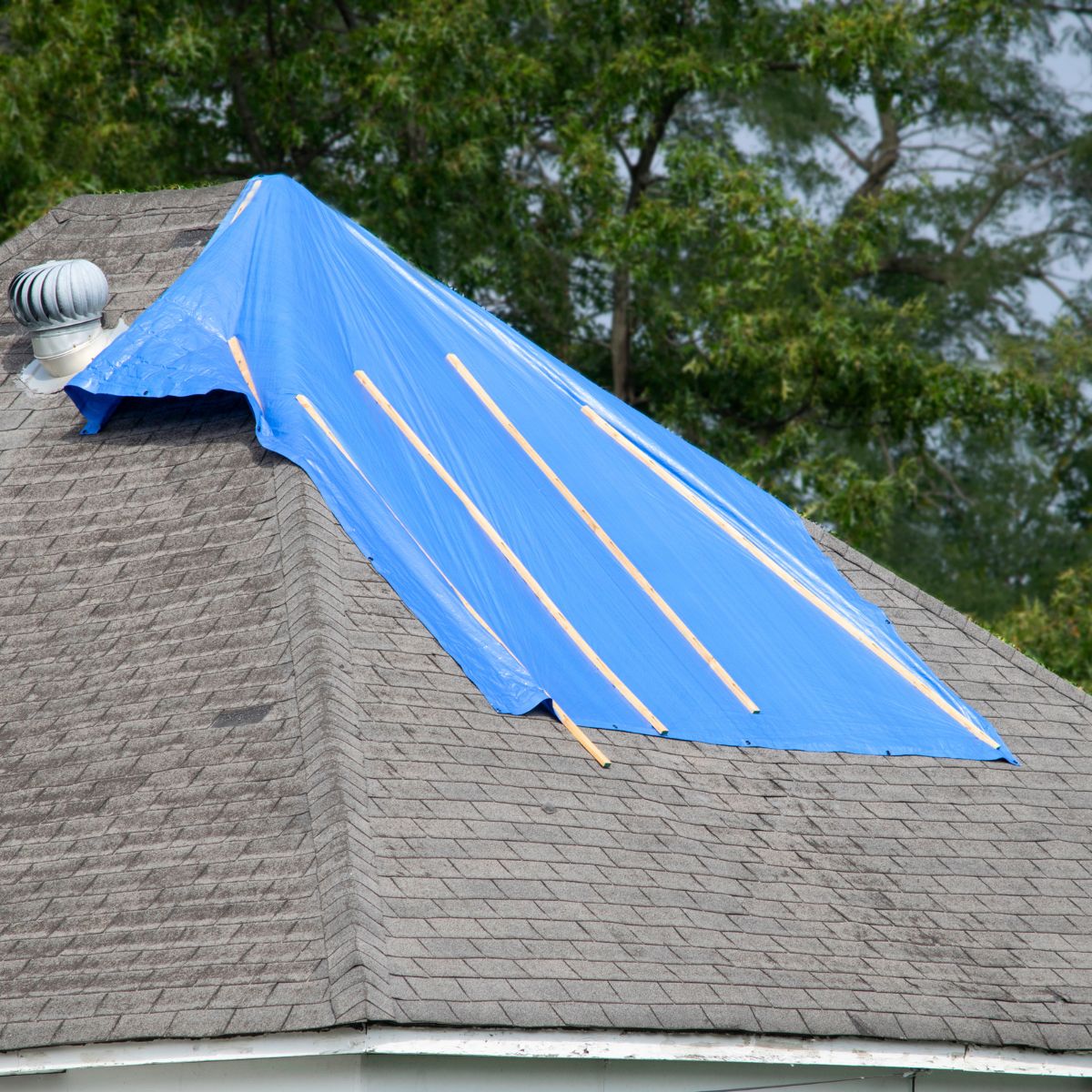
Local roofing experts know how to respond to Texas storms. Homeowners rely on professional roofers for:
- Emergency tarping to prevent further damage
- Thorough inspections to identify hidden leaks
- Fast, targeted repairs for shingles, flashing, and gutters
- Full replacements when storm damage is severe
How Insurance Factors In
Storm-related roof damage is often covered by homeowner's insurance, but timing is crucial. Delayed repairs may give insurers a reason to deny claims. Professional roofers assist with documentation and can provide inspection reports that help support your case.
Final Thoughts
Storm damage is an unfortunate reality for Texas homeowners, and roof leaks are one of the most urgent problems that follow. Acting fast protects your home's structure, prevents mold, and saves money in the long run.