How to Choose a Trustworthy Roofer
*This post may contain affiliate links and I'll earn a commission if you shop through them. You can read my full disclosure here.
Weather can be tough on a roof-think hot summers, heavy rain, the occasional hail or high winds. If you notice a fresh ceiling stain after a storm, a few missing shingles, or have an older roof that's starting to show its age that's the time to start talking to a local roofing company that handles everything from inspections and repairs to full replacements, roof design guidance, ventilation, and gutters. The right partner will help you protect your home now and set you up for long-term performance and curb appeal.
Below is a simple, homeowner-friendly roadmap. Use it to compare roofers, understand what a solid proposal looks like, and feel confident about your next step-whether that's a quick leak repair or a full roofing upgrade.
7 Smart Tips for Finding the Right Roofer
1) Go truly local
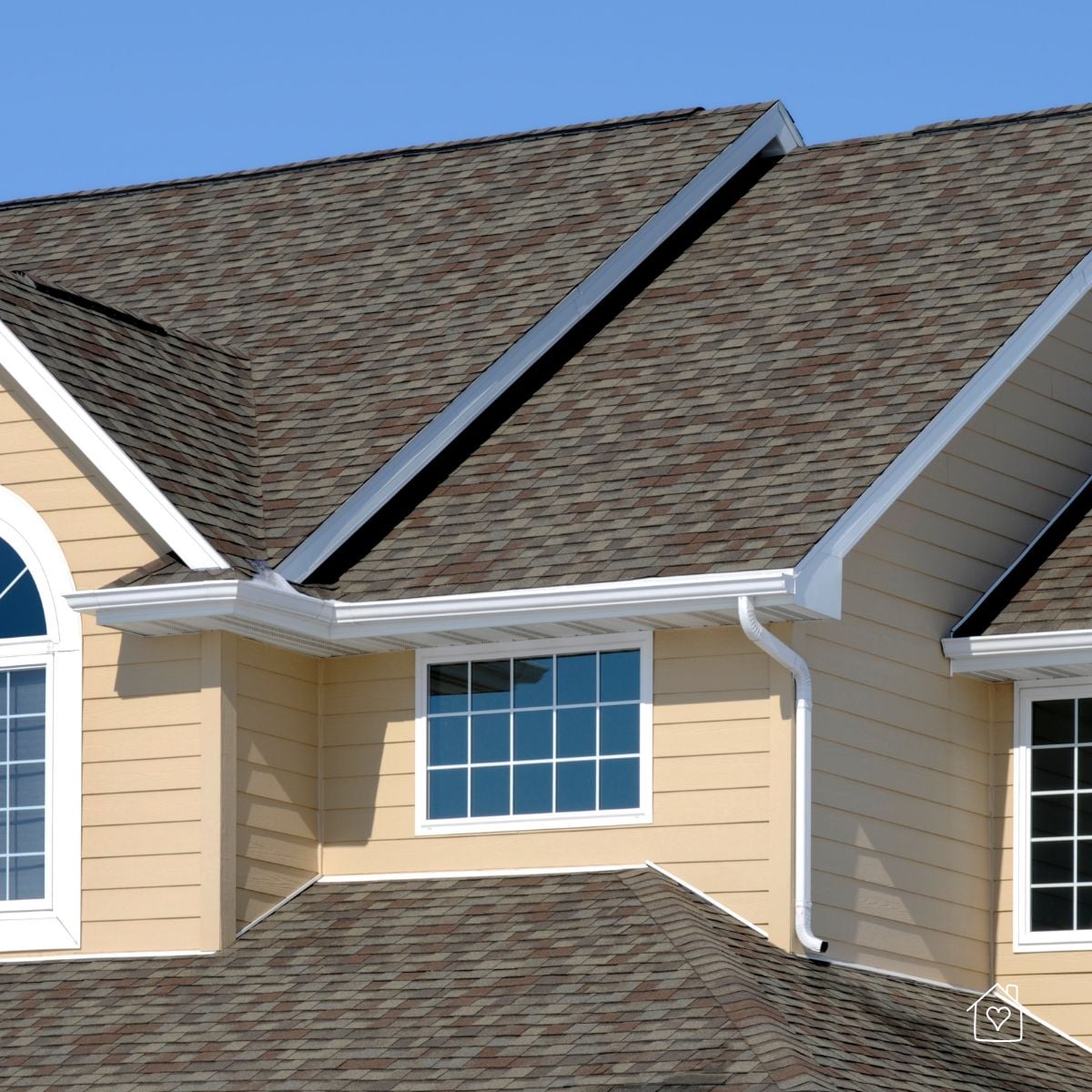
Choose a local pro that understands area building codes, HOA expectations, weather patterns, and common storm-damage issues. Local references and nearby projects make it easy to see their work.
2) Verify licensing, insurance, and warranties
Ask for proof of general liability and workers' comp. Then ask about warranties-both the manufacturer's material warranty and the company's workmanship warranty. Clear coverage = fewer surprises later.
3) Expect a thorough inspection
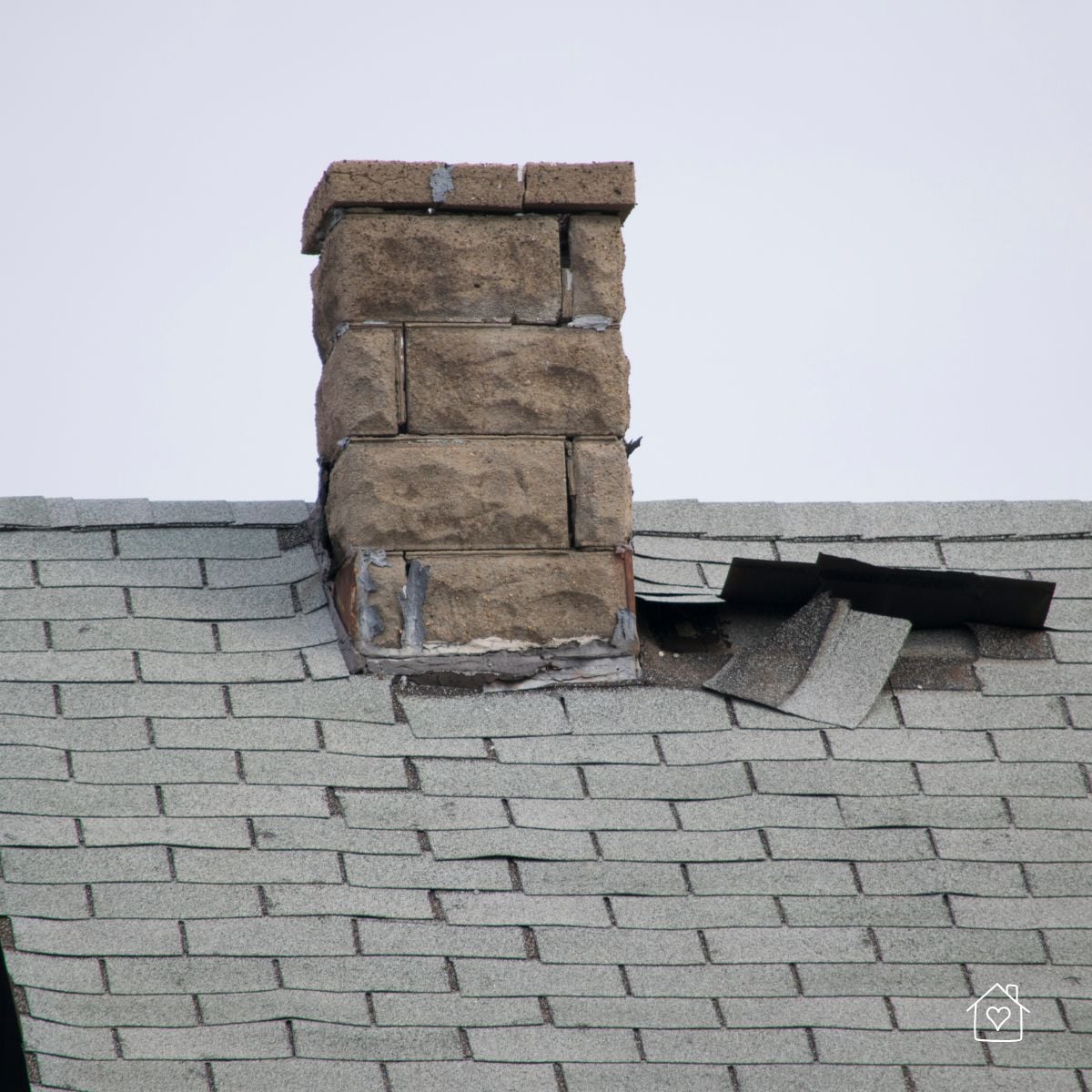
A good roofer doesn't "quote from the curb." They'll check shingles, flashing, valleys, and vents. You should get a report of findings, including recommended repairs vs. replacement.
4) Discuss roof design, not just shingles
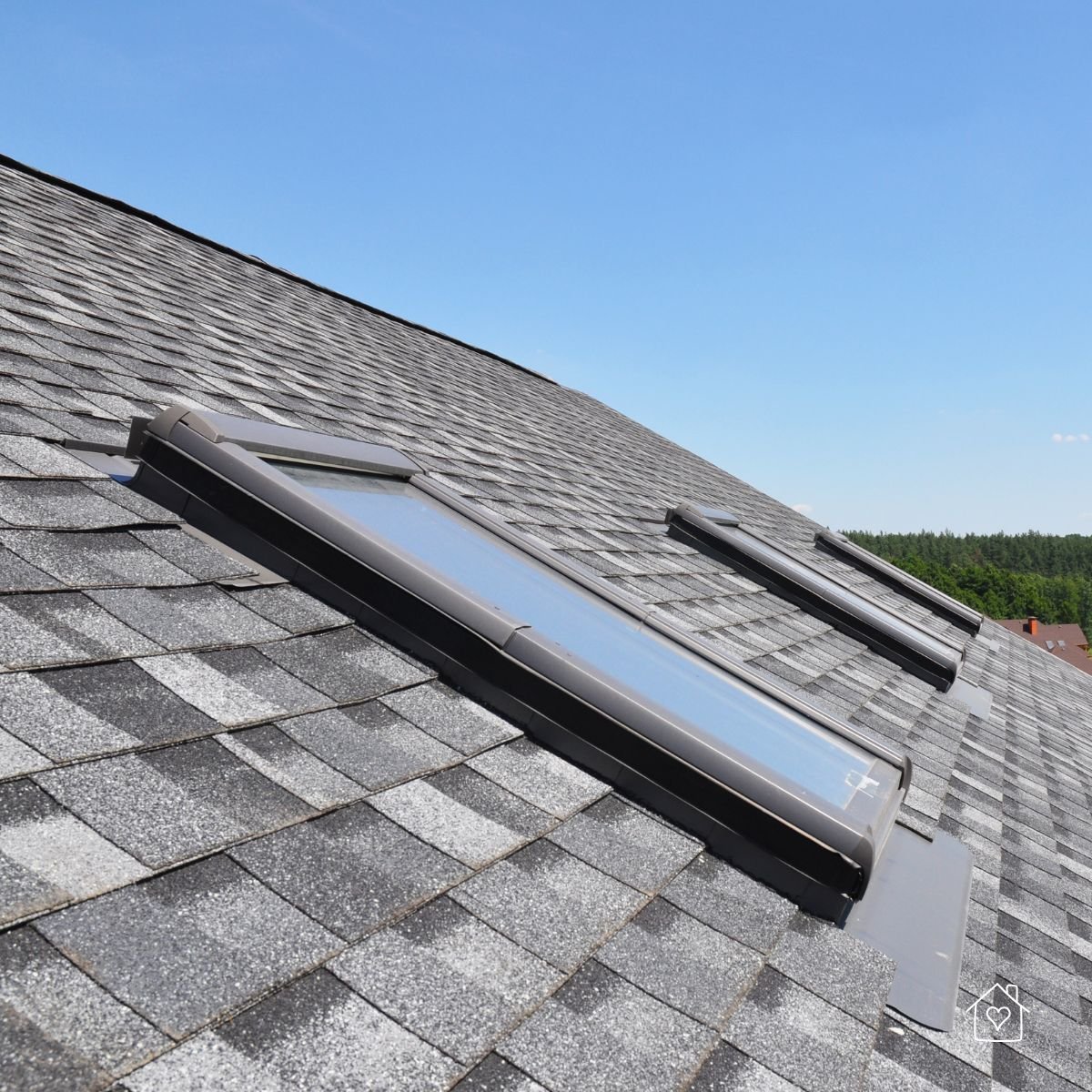
Your roof affects curb appeal and energy use. Ask about:
- Color and profile options that complement your home's style
- Ridge vents, intake vents, and baffles for balanced airflow
- Underlayments and flashing details that prevent leaks
- Options for skylights, chimney work, and gutter design to control runoff
5) Compare scopes-not just prices
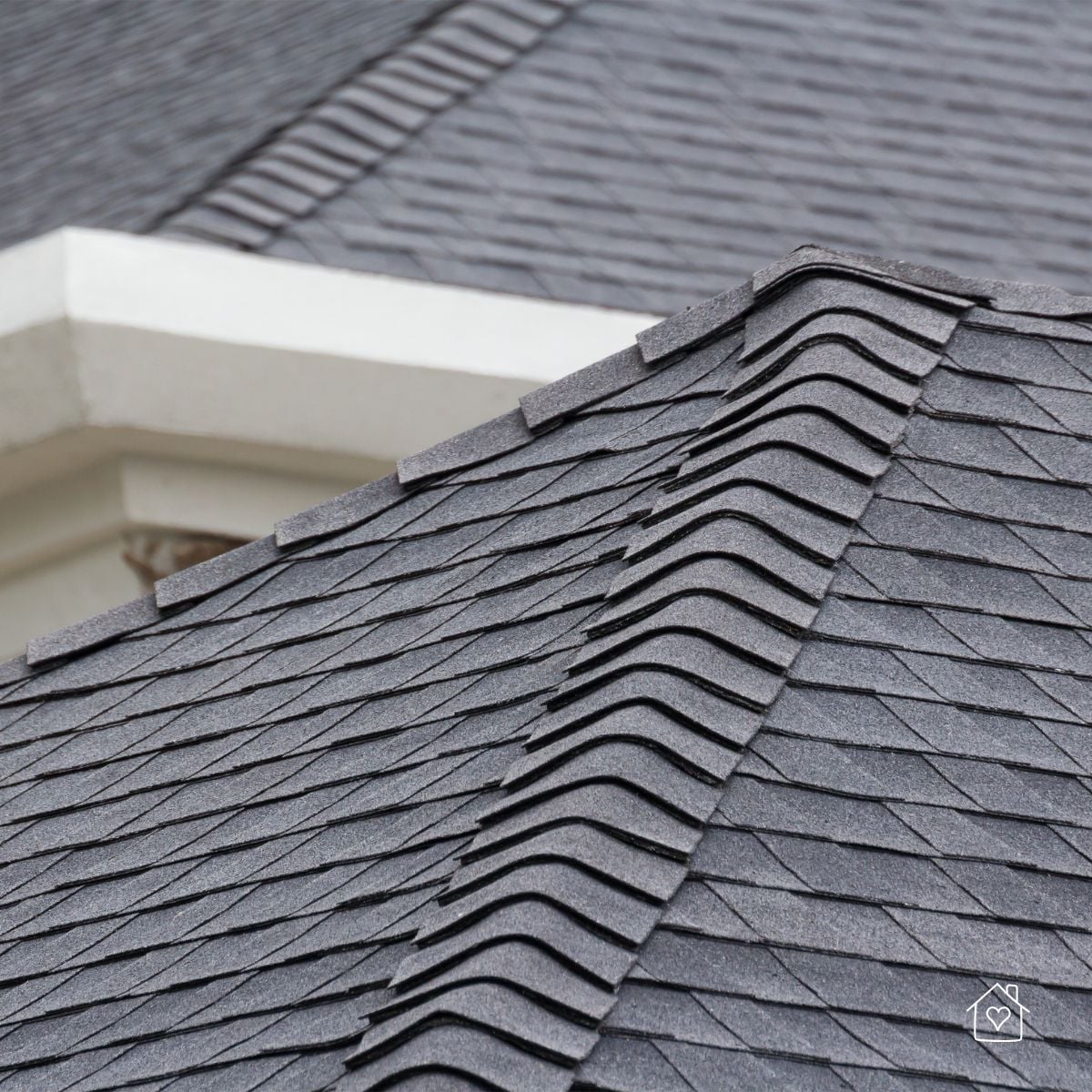
Line-item estimates help you compare apples to apples. Look for: tear-off vs. overlay, underlayment type, flashing replacement, ventilation upgrades, drip edge, ice/water shield in valleys, cleanup and magnet sweep, and disposal fees.
6) Ask about storm damage and insurance help
If you suspect hail or wind damage, choose a roofer who documents issues properly and can coordinate with your insurance adjuster. That doesn't mean "chasing storms"-it means professional guidance through a complicated process.
7) Communication matters
You should know the timeline, crew size, site protection steps (landscape/tarping), and who your day-of contact is. Great communication before the job usually means great follow-through during installation.
What a Full-Service Roofing Partner Should Offer
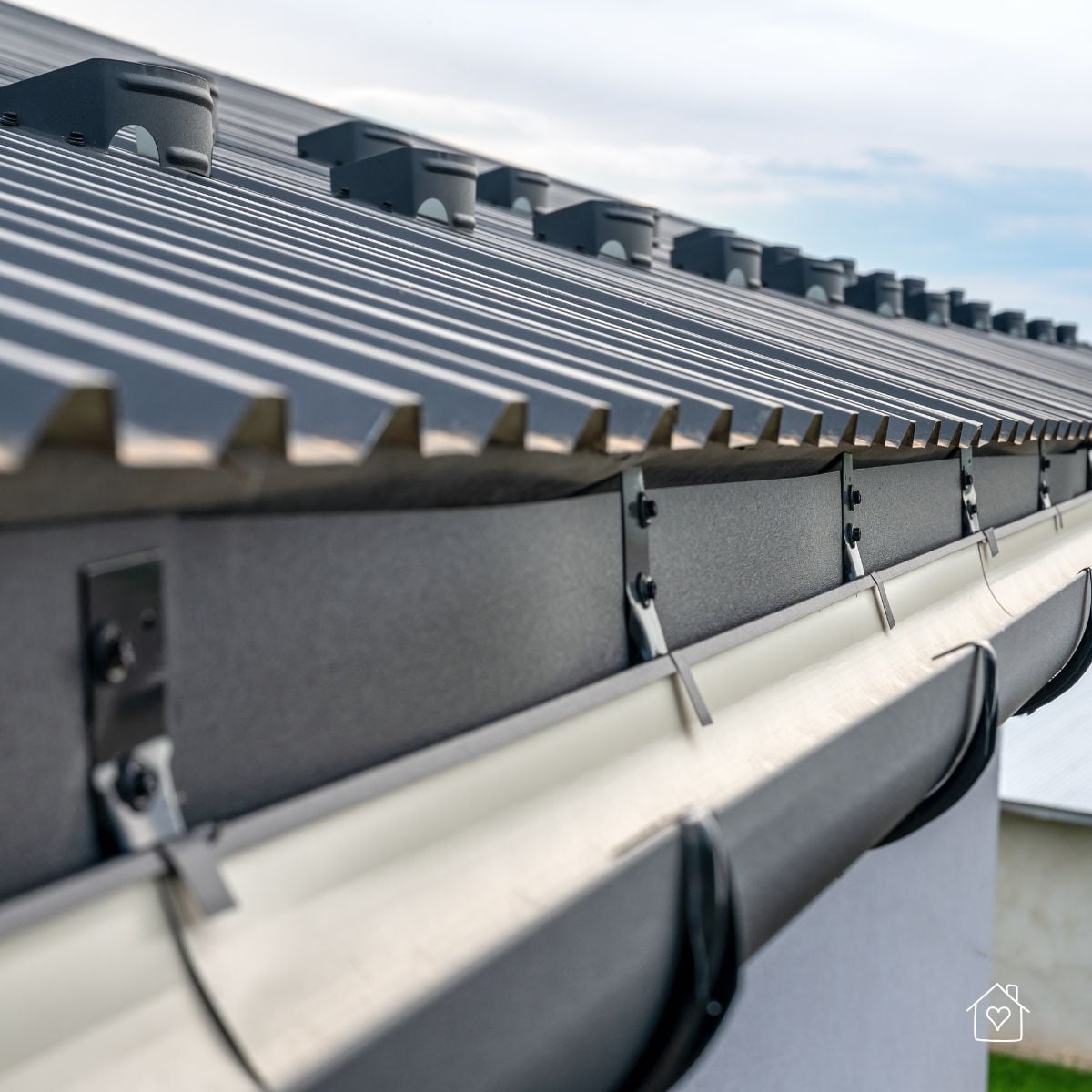
A dependable roofing team typically provides:
- Roof repairs: leaks, missing shingles, flashing fixes, chimney and skylight sealing
- Re-roofing & replacements: asphalt, metal, and low-slope solutions
- Roof design guidance: color selections, profiles, ventilation layout, and curb-appeal planning
- Storm-damage assessment: documentation, temporary tarping, insurance coordination
- Ventilation & insulation guidance: ridge/soffit vent strategy, attic airflow
- Gutters & drainage: new systems, guards, and downspout placement to protect foundations
- Maintenance plans: periodic checkups to catch small issues early
Materials 101 for Homes
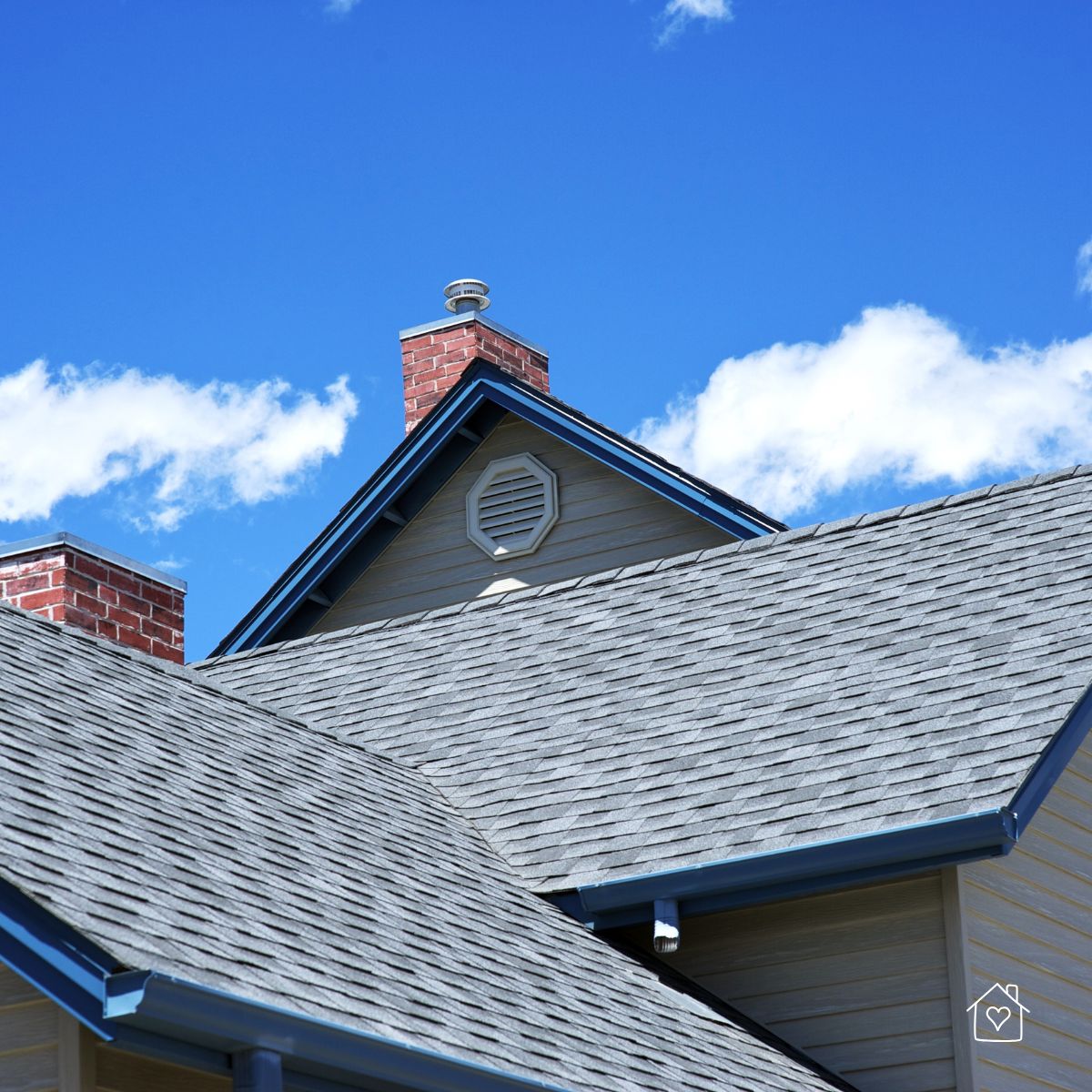
Asphalt shingles
- Cost-effective, many styles/colors, strong warranties available
- Great for traditional neighborhood aesthetics
- Ask about impact-resistant options if hail is a concern
- Long lifespan, sleek look, excellent water-shedding
- Reflective finishes can help with summer heat
Low-slope systems (porches/additions)
- Require specialty membranes and detail-oriented flashing to stay watertight
Energy efficiency basics
- Proper attic ventilation reduces heat buildup and moisture
- Quality underlayments and lighter/reflective colors can help in hot months
- Good gutters/downspouts move water away from siding and foundations
Repair or Replace? A Quick Gut-Check
Choose repair when:
- The roof is relatively young, damage is isolated, and decking is solid
- Flashing or a small valley section is the main issue
Consider replacement when:
- Shingles show widespread granule loss, curling, or cracking
- Leaks keep returning or decking feels soft underfoot
- There's extensive storm damage across large roof areas
- You want a fresh design upgrade for curb appeal and resale value
What a Smooth Project Looks Like
- Inspection → honest diagnosis
- Clear options → repair vs. replace, materials, design choices
- Transparent estimate → line items + warranties
- Scheduling & prep → site protection, delivery timing
- Installation day → tidy crew, clear point of contact, daily cleanup
- Final walkthrough → magnet sweep, warranty info, maintenance tips
Ready to Start?
If you want a no-pressure inspection, reach out to a trusted local roofing company. Ask for a report, talk through roof design options, and compare a detailed scope-so you can protect your home with confidence today and for years to come.