Commercial Home-Living Concepts That Bring Community-Centered Design Into Your Home
Key takeaways
- Borrowed community-based concepts from schools, multifamily buildings, and mixed-use developments can reshape how your home works.
- Small design adjustments, better lighting, and even one or two gathering areas can quietly change your daily routines and connections.
- Housing and elder housing research shows that well-designed social spaces build unity, well-being, and long-term satisfaction.
- Local experts, from designers to electricians, can help you apply commercial approaches safely in an ordinary residential home.
*This post may contain affiliate links and I'll earn a commission if you shop through them. You can read my full disclosure here.
What Community-Centered Design Means in a Home
When designers talk about community-centric spaces, they mean shared areas where people naturally meet, talk, and feel comfortable.
You see it in the open commons of a school, the lobbies and lounges of multifamily buildings, or the calm waiting rooms of a clinic. These spaces are designed to encourage informal interaction, not just move people through corridors.
The same idea applies at home, where your kitchen, entryway, and living room can work together as a small hub.
Think about your day. At 10 a.m., who's using the kitchen? Where do bags, laptops, and mail end up?
Multifamily housing research shows that when residents have comfortable shared rooms and outdoor courtyards, satisfaction goes up. You can recreate that feeling with a single flexible room that people pass through and actually want to stay in.
Principle 1: Design Spaces Around Real Daily Routines
Commercial teams are obsessed with circulation. I've been in meetings where an architect literally followed employees through a hospital to track where they went over the course of hours. That same mindset works at home.
Track the movement in your house for a week. Where do people bump into each other? Where do you enjoy crossing paths? Mark those traffic lines on a simple floor plan.
Then divide your house like a small town: active center, quiet periphery, service edges. Maybe the laundry should be closer to the bedrooms instead of buried in the garage.
My family had a formal dining room that nobody used. We opened up a wall, added storage and better lighting, and it became the homework, craft, and breakfast hub. Same square footage, completely different level of use.
Principle 2: Create "Third Spaces" Within Your Home
Third spaces sit between workspaces and private rooms. In a city, that might be a cafe or library. At home, it can be much smaller.
A small table and a bench under a window in a compact condo can become the daily coffee-and-reading spot. In a townhome, a loft outside a bedroom can double as a study nook and play area.
Ask yourself: where could you add one seat, one small surface, and one outlet to encourage people to linger together?
Research on co-housing and senior living shows that small communal areas reduce loneliness and boost community involvement.
I visited a senior project where a tiny sunroom pulled residents out of their units every afternoon. You can recreate that with a porch, a widened hallway nook, or a semi-open den.
In Creating Community: Co-Living, Co-Housing and Beyond, AARP reports that common rooms, shared kitchens, and small lounges in co-housing communities significantly reduce social isolation among adults over 40. People in these environments report stronger social connections and more casual daily interactions than those in traditional housing.
Principle 3: Support Connection Through Light, Acoustics, and Views

Commercial projects treat lighting as a tool, not decoration. Offices layer ambient, task, and accent lighting so people can work, relax, or meet in one room. You can do the same.
In your kitchen, use softer over-island pendants and combine ceiling strips with undercabinet lights.
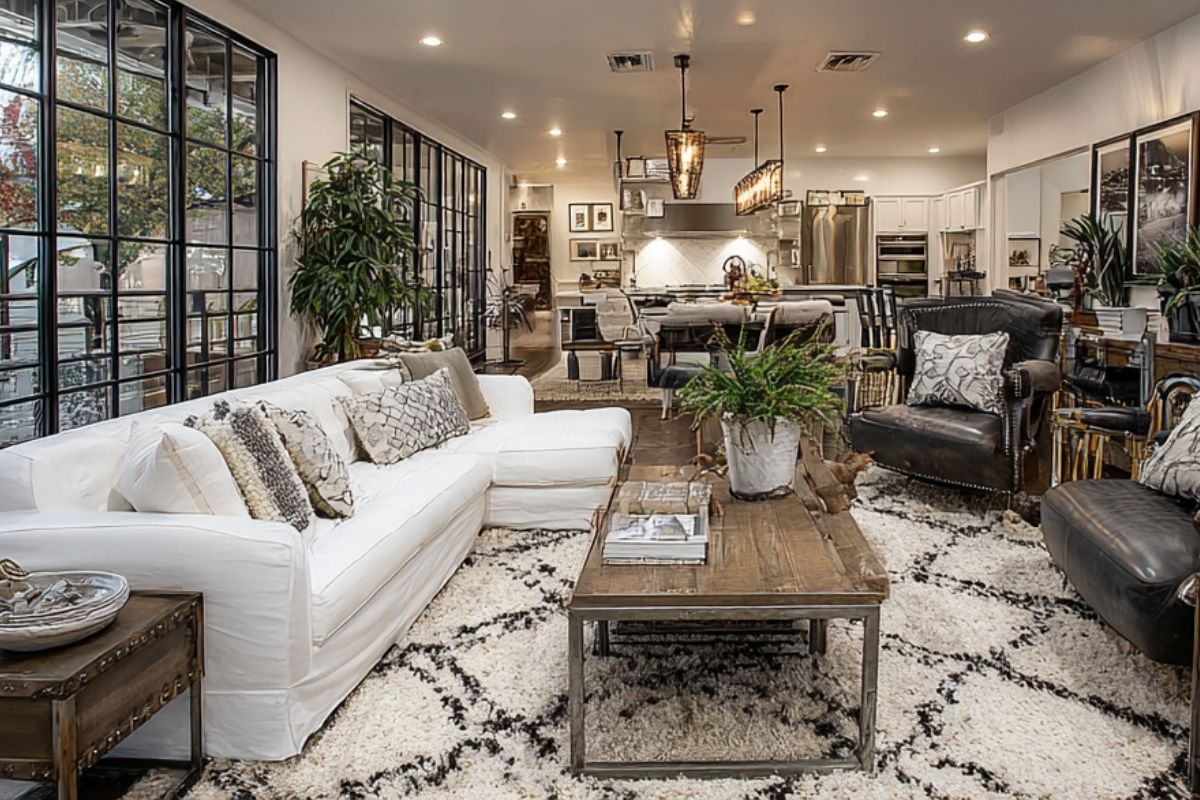
In the living room, mix floor lamps, table lamps, and dimmers so it feels right whether you're watching a movie or reading a book. Research links good lighting to better mood and fewer accidents, especially on stairways.
Sound matters too. Noise-absorbing features like rugs, curtains, and soft panels between noisy and quiet zones let people sleep while others watch TV.
Then check your sightlines. Can you see the backyard from the sink? Do you have to shout down a hallway to greet guests in the main room? These small decisions shape daily interactions and passive awareness.
Principle 4: Create Adaptable Spaces That Can Change Over Time
Co-working spaces and community rooms stay flexible by design. One day it's a class, the next it's a meeting. Homes benefit from the same thinking.
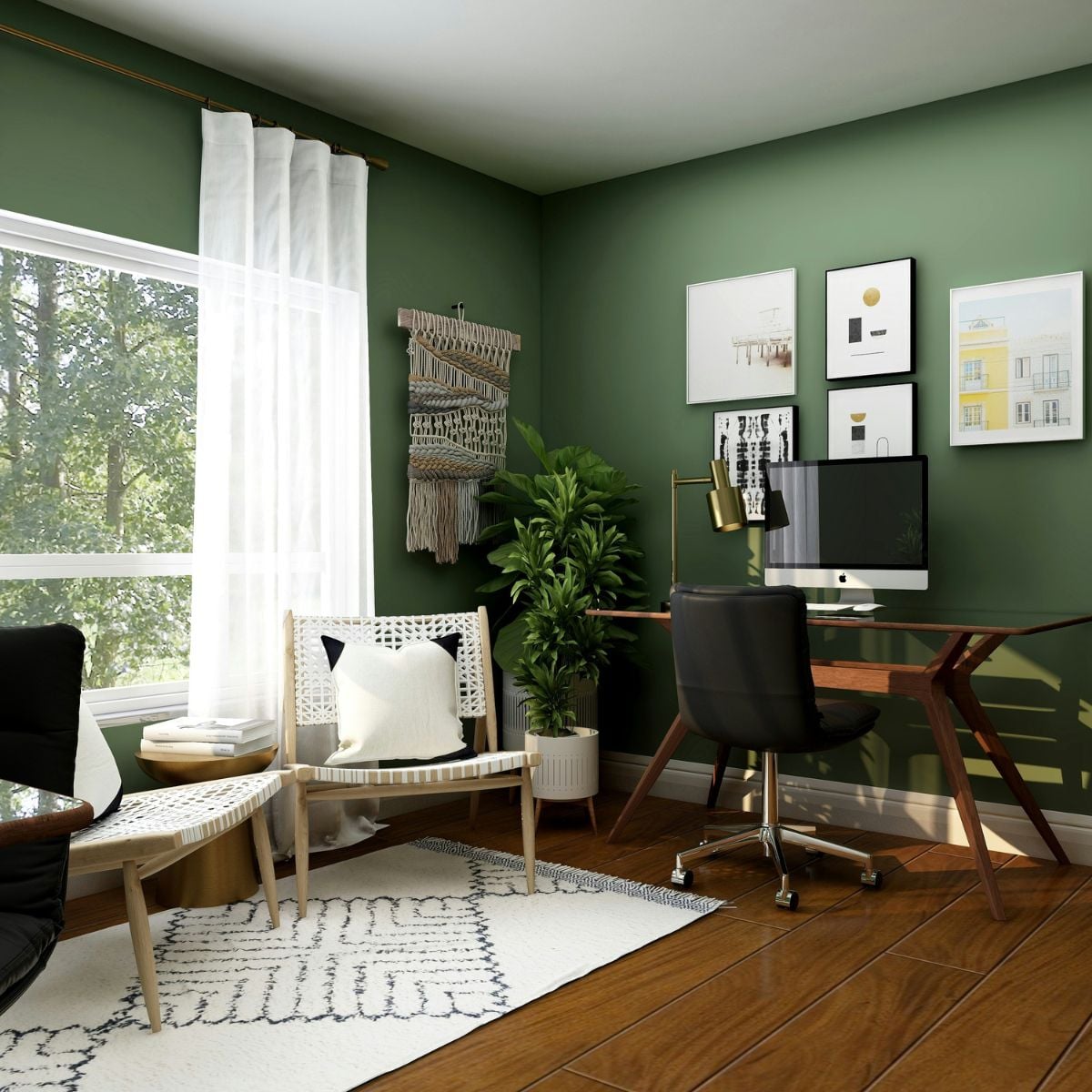
A guest room can double as an office with a wall bed and a proper desk. A garage can hold storage, a small workspace, and room for kids' projects if you plan the power and lighting.
I have a friend whose family can turn their living room into a movie zone in five minutes: blackout curtains, a rolling cart with the projector, and a stack of blankets. During the week, it goes back to normal.
As multi-generational living and aging-in-place become more common, it makes sense to design a ground-floor room that could convert into a future bedroom. Housing research shows more households want that option, even if they don't need it yet.
Principle 5: Bring in Shared Home Amenities

Walk through a well-designed mixed-use building and you'll find a landscape of mini-amenities: fitness rooms, lounges, bike storage, pet wash stations, package rooms. You don't need to turn your house into a gym, but you can borrow the spirit.
Set up a small workout area with a mat, portable weights, and a fold-out bench. Or mount a workbench with a pegboard in the garage so tools stop migrating into the kitchen.
One client turned a corner of their entryway into a mini mail and package station with hooks, cubbies, and a charging shelf. That one small convenience cut clutter across the entire house.
I've also seen how garages can bring a neighbourhood closer together. With better lighting, storage, and fans, one neighbour started hosting weekend community events and kids' build days. The garage became a casual community center.
Principle 6: Design to Be Inclusive, Accessible, and Dignified
Inclusive design isn't optional in public buildings. Step-free access, visible signage, adjustable seating, and good lighting ensure everyone is accounted for, including people with disabilities. Homes deserve the same respect.
Start with the path from the driveway to the door. Can someone with a stroller or a sore knee reach your entrance without navigating stairs? Grab rails, better lighting, and fewer trip hazards help visitors and children just as much as older family members.
Fall risk studies show that many accidents happen near thresholds and in bathrooms. Simple layout choices and walls reinforced for grab bars reduce that risk.
According to Aging in Place: Growing Older at Home by the National Institute on Aging, fall-related fractures in older adults are extremely common, particularly around stairs, bathrooms, and dark transitions. The guide stresses that grab bars, non-slip floors, and better lighting at exits and hallways can significantly reduce falls and help people live at home longer.
I helped a client whose father uses a walker. A single small ramp, a wider doorway, and improved lighting in a hallway made a real difference. That's good design, even if it's imperfect.
Ask yourself: who feels least comfortable in your home right now? What would help them feel more at ease?
Principle 7: Use Technology Thoughtfully to Support Connection
Smart commercial buildings aren't about showing off gadgets. They use tech to support comfort and safety. Lighting controls, access systems, and sensors work quietly in the background.
At home, you can build trust and flexibility with whole-house Wi-Fi that reaches the porch, a shared digital calendar in the kitchen, and smart locks that let neighbours or caregivers in when needed.
The risk is tech pushing everyone into separate rooms. I've seen families where every bedroom became its own movie theater and the living room sat empty.
Set simple ground rules: no devices during meals, cameras only at the entrance, shared screens in common areas. The goal is to support shared habits, not replace them.
Working With Professionals Who Cross Commercial and Residential

Professionals who design schools, clinics, or multifamily buildings bring habits that translate well to homes. A planner who has spent years designing corridors and lobbies will look at your cramped hallway or dim stairwell and suggest better light, clearer paths, or more durable finishes.
When interviewing designers, ask about how they think about social space, not just countertops. Have they worked on student housing or senior communities that include small gathering areas?
For EV chargers, workshop wiring, or advanced lighting, it helps to work with a commercial electrician Austin with whom homeowners trust for residential crossover work. That blend of commercial and residential experience keeps your system safe and code-compliant.
Ask for straightforward explanations of capacity, code requirements, and where to plan for future upgrades. You want a long-term partner, not someone who installs a panel and disappears.
Step-by-Step: How to Bring Community-Centered Design Into Your Home
Start with observation. Pay attention to where people sit, argue, pile things up, and avoid for one week. I like to make quick notes on a floor plan: X marks clutter spots, circles mark gathering points.
Then hold a short family conversation. Do you want more shared meals? Quiet homework time? Space for neighbours? A better workspace? Pick your top three priorities.
Choose one pilot zone, like the entryway or the space between the kitchen and living room. Rearrange the furniture, add a lamp, maybe a small table, and watch what happens.
Plan upgrades in this order: layout first, then lighting and acoustics, then storage and tech.
Check in monthly. Are people spending more time there? If not, adjust and try again.
Common Mistakes When Borrowing Commercial Concepts for Homes
I've seen two big mistakes. First, overbuilding. People install complicated controls or oversized systems that never get used. Keep things simple enough that anyone in the house can operate them without a manual.
Second, copying the look of a hotel or office without thinking about behaviour. A lobby-style sofa might photograph well, but it won't be comfortable for family movie night.
Maintenance gets overlooked too. Commercial teams think about
Multifamily data consistently shows that more durable materials cost more upfront but pay for themselves over time. The same logic applies to your kitchen, mudroom, or garage.
Putting It All Together in a Real Home
Picture a 1,900-square-foot house. We moved the laundry closer to the bedrooms, opened the wall between the kitchen and living room, and carved out a small third space near the landing.
We added better lighting in the main hub, acoustic rugs, and a clearer path from the backyard to the front entrance.
One new circuit and a couple of extra outlets, with help from a commercial electrician Austin locals recommend, set things up for future projects.
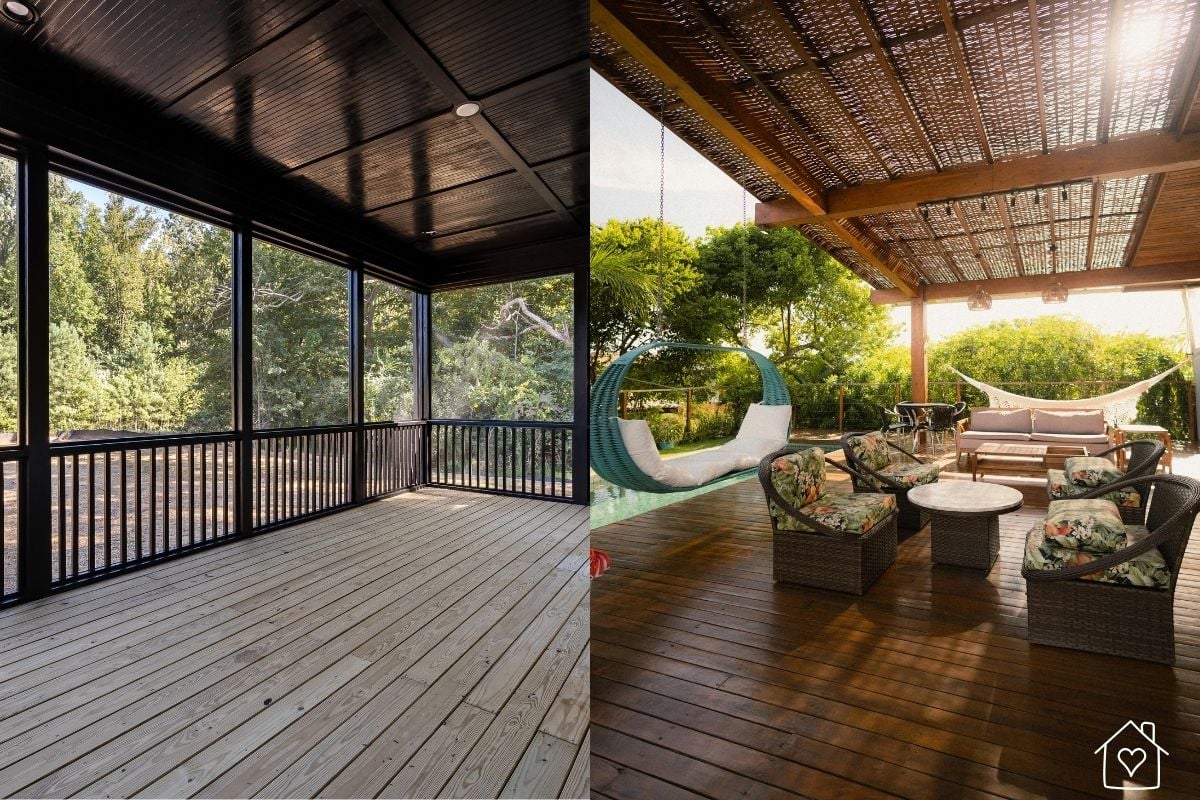
Outside, a small patio became a mini courtyard, similar to the rooftop or waterside spaces you'd find in larger community buildings, just scaled down.
These kinds of adaptive changes tend to create lively, connected spaces within a home over time. They show how community-based concepts can transform individual living spaces, make everyday routines more interesting, and redefine what home feels like, all without major disruption.