Interior Design Tips To Complete a Home Remodeling Project
Home remodeling is an exciting yet complex process that combines creativity, functionality, and practicality. While many people focus on foundational elements like walls, flooring, and structural modifications, interior design is just as important because it brings the entire vision to life.
It's the artful balance of aesthetics and utility that turns a house into a home, reflecting your personal style and meeting your unique needs. A well-thought-out design ensures harmony between all elements, from color schemes and furniture choices to lighting and decorative details.
These interior design tips to complete a home remodeling project will provide you with insightful ideas to make it a resounding success. Whether you're updating a single room or redesigning your entire home this article will help you craft a space that is cohesive, beautiful, and tailored to your lifestyle. With careful planning and inspiration, your dream space is well within reach.
*This post may contain affiliate links and I'll earn a commission if you shop through them. You can read my full disclosure here.
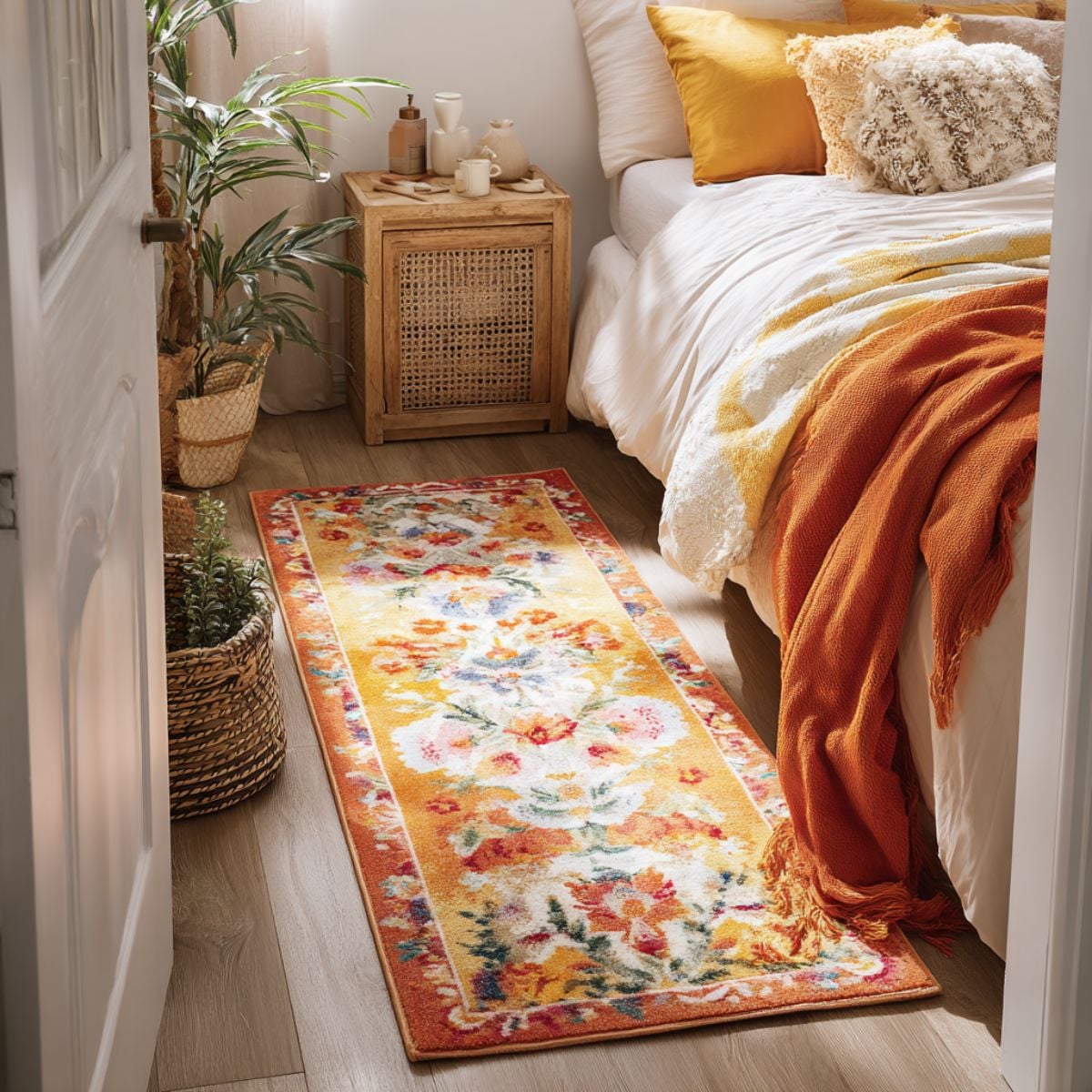
Establish a Cohesive Design Vision
You must first define a clear and unified design vision for your entire home. This vision serves as a roadmap for all your subsequent design decisions. It ensures every room feels connected and part of a whole, harmonious aesthetic.
Consider styles such as modern, traditional, or eclectic to match your personal taste. Collect inspiration from magazines, websites, and even your travels to build a mood board. This visual reference will keep your project focused and your selections consistent throughout.
Develop a Comprehensive Color Palette

Your color palette sets the emotional tone for every space within your updated home. Choose a primary color scheme that flows seamlessly from one room to the next. Neutral colors often create a sophisticated and timeless foundation for your overall design.
Select a few accent colors to add personality and visual interest to specific areas. Use these vibrant shades on pillows, artwork, or a feature wall for impact. This method creates a dynamic yet unified look that feels intentional and polished.
Prioritize Functionality in Layout

A beautiful room is only successful if it also functions well for daily life. Plan your furniture layout to support your family's activities and daily movement patterns. Ensure there are clear pathways for easy navigation between different zones in the room.
Consider how each piece of furniture will serve the room's primary purpose. Arrange seating to promote conversation or to face a focal point. Smart furniture placement will make your remodeled space practical and attractive.
Select Appropriate and Durable Materials
The materials you choose have a profound impact on the look and feel of your home. Select finishes for floors, countertops, and cabinets that align with your design vision. These selections should complement your established color palette and overall aesthetic for cohesion.
Also, consider the durability and maintenance requirements of each material you select. For high-traffic areas, choose robust surfaces that can withstand daily wear and tear. This foresight ensures your beautiful new home remains beautiful for years to come.
Create a Strategic Lighting Plan

Proper illumination enhances the function and ambiance of a remodeled space. Layer your lights with a mix of ambient, task, and accent light sources. This approach offers flexibility and lets you adjust the mood for any occasion.
Ambient light provides general illumination, while task light focuses on specific work areas. Accent light draws attention to architectural details or your favorite pieces of art. A well-designed illumination plan makes your home feel warm, inviting, and truly complete.
Choose Furniture That Fits the Scale
Furniture pieces should be proportionate to the size and scale of each room. Large, bulky items can easily overwhelm a small space, making it feel cramped. Small furniture can appear lost and out of place in a large room.
Measure your rooms and your potential furniture pieces before you make any purchases. This simple step prevents costly mistakes and ensures a balanced and harmonious arrangement. The right scale furniture creates a comfortable and visually pleasing interior environment.
Designate Clear Focal Points
Every room benefits from a clear focal point that draws the eye upon entry. This could be a fireplace, a large piece of art, or a window with a view. The focal point gives the room a sense of purpose and a design starting point.
Arrange your furniture and decor to support and enhance this central design element. All other items in the room should subtly direct attention toward that main feature. This technique creates a strong, memorable impression and a well-composed interior design.
Incorporate Personal Touches and Art
Your home should be a true reflection of your personality and your unique story. Display personal items like family photos, heirlooms, or travel souvenirs throughout your space. These objects infuse your rooms with character and make the house feel like home.
Select artwork that you love and that complements your home's overall design style. Art adds color, texture, and a sophisticated layer to your interior decor. It is a powerful way to express yourself and complete your design vision.
Layer Textures for Depth and Warmth
Texture adds a rich sensory dimension to your interior design, creating depth and interest. Combine a variety of materials like wood, metal, glass, and different textiles. The interplay between these rough and smooth surfaces makes a dynamic visual experience.
Incorporate texture with rugs, curtains, throw pillows, and blankets to create an inviting feel. These tips for designing a modern luxury bedroom will help you create a comfortable sanctuary. A thoughtful mix of textures makes a room feel layered, cozy, and complete.
Accessorize Thoughtfully and with Restraint

One of the best interior design tips for completing a home remodel is to use accessories to pull your entire design together. Choose decorative objects, vases, and books that align with your color palette and style. Group these items in odd numbers for a more visually appealing and balanced display.
Avoid the temptation to over-accessorize, as this can lead to a cluttered look. It is better to have a few well-chosen pieces than many insignificant ones. Restraint in accessorizing often results in a more elegant and sophisticated final design.
A successful home remodel depends heavily on thoughtful interior design. The process involves much more than just structural alterations; it is about creating a cohesive, functional, and beautiful environment.
From defining a vision to placing the last accessory, each step contributes to the outcome. A methodical approach ensures that your new space looks incredible and supports your lifestyle. With these principles, your remodeled house becomes a home that you will treasure.