Garage Door Maintenance 101: The Homeowner Checklist That Actually Prevents Breakdowns
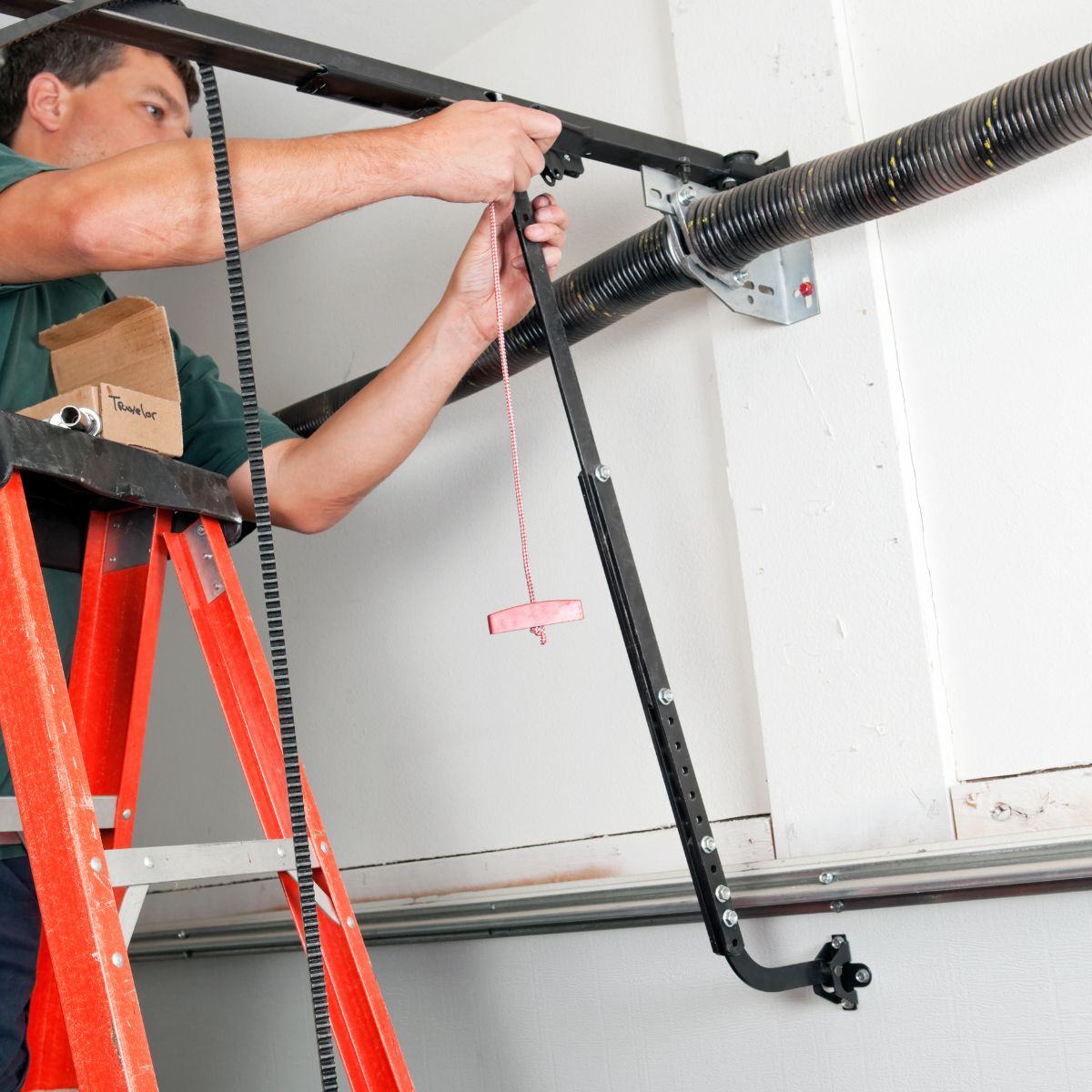
A garage door is one of the hardest working parts of your house. It opens and closes hundreds of times a year, hauls around a few hundred pounds of steel or wood, and gets almost zero attention until it stops working. Most homeowners only think about garage door maintenance the moment the door won't open, which is exactly backwards. A little seasonal upkeep can catch small problems before they turn into a Saturday morning emergency.
Here's a practical, homeowner-friendly checklist for keeping your garage door running smoothly, plus a clear line between what you can safely handle yourself and what needs a trained technician.
From time to time, articles on The How-To Home may reference third-party websites, businesses, products, services, or review platforms as part of editorial research. When evaluating companies or services, we may consider publicly available information such as customer reviews, business websites, service offerings, licensing information when available, and overall relevance to the topic.
Routine maintenance can prevent many common problems, but not every aging or badly damaged garage door is worth repairing. When recurring breakdowns, damaged panels, corrosion, or poor insulation become ongoing concerns, homeowners can consult experienced garage door replacement specialists michigan residents rely on to determine whether replacement would be more practical than another repair.
Look, Listen, and Watch It Move
Once a month, stand back and actually watch your garage door open and close. You're looking for three things: a smooth, steady motion, no unusual sounds, and both sides moving evenly. A door that jerks, hesitates, or sags on one side is telling you something is off with the hardware or the cable system.
Grinding, popping, or scraping noises usually point to worn rollers, a track that's out of alignment, or hardware that needs lubrication. Squeaks are often the easiest fix of all. Grinding is not.
Test the Balance
This one takes two minutes and tells you a lot. With the door closed, disconnect the opener by pulling the manual release cord (usually a red handle hanging from the trolley). Lift the door by hand about halfway and let go. A properly balanced door should stay roughly in place. If it slams down or shoots upward, the spring system is out of balance, and that's not a DIY fix. More on that below.
Always reconnect the opener when you're done testing, and never leave a door disconnected and unattended, especially with kids or
Clean and Lubricate the Right Parts
Dust, pollen, and grime build up on tracks and hardware over time, especially here in the Arizona desert. Wipe down the tracks with a damp cloth and inspect for dents or debris. Then apply a
Do this every three to six months. It's the single easiest thing a homeowner can do to extend the life of the moving parts and quiet down a noisy door.
Check the Weatherstripping and Bottom Seal
The rubber seal along the bottom of the door keeps out water, dust, and desert critters looking for shade. If it's cracked, flattened, or pulling away from the door, it's a simple swap: pull the old seal out of its track and slide a new one in. Most hardware stores carry universal replacements cut to standard door widths.
Tighten Loose Hardware
The vibration from daily opening and closing works bolts and screws loose over time, particularly on the track brackets and hinges. A wrench and a few minutes checking hardware for play is a smart addition to your seasonal routine. Just don't touch anything near the spring assembly itself.
Know When to Stop and Call a Pro
This is the part homeowners get wrong most often, usually by trying to save money and ending up with a bigger repair bill. A few situations are firmly in "call a professional" territory:
Torsion or extension springs. These are wound under extreme tension and have caused serious injuries when handled without the right training and tools. Never attempt to adjust, replace, or even loosen a garage door spring yourself.
A door that's off its track. If the door has jumped the track, don't try to force it back into place. The rollers and cables can be under load in ways that aren't obvious from the outside.
Opener problems paired with a heavy or unbalanced door. If the balance test above failed, the opener is working overtime and could burn out trying to compensate. Fix the spring issue first, with a professional.
Frayed or snapped cables. These hold serious tension and should only be handled by someone with proper equipment.
When you hit one of these situations, it's worth having a trusted local company on speed dial rather than searching under pressure. If you're anywhere in the Phoenix area, I Love It Garage Doors handles exactly this kind of work, from spring replacement to off-track repairs, and can usually walk you through what's actually wrong before a technician ever shows up. A quick search for garage door repair phoenix will turn up plenty of options, but it's worth choosing a company that's upfront about pricing and doesn't try to sell you a whole new system when a repair will do.
The Bottom Line
Most garage door failures don't happen out of nowhere. They build up slowly through worn rollers, loose hardware, or a spring that's been quietly losing tension for months. A few minutes of monthly attention and a clear sense of your own limits will keep your door running smoothly and keep you out of the emergency repair category altogether.