How to Design a Study Space for Kids
Creating a good study space for kids is important for their success in school and overall well-being. The right environment can make studying enjoyable and help kids focus better. A well-designed study area can also keep them organized and boost their creativity.
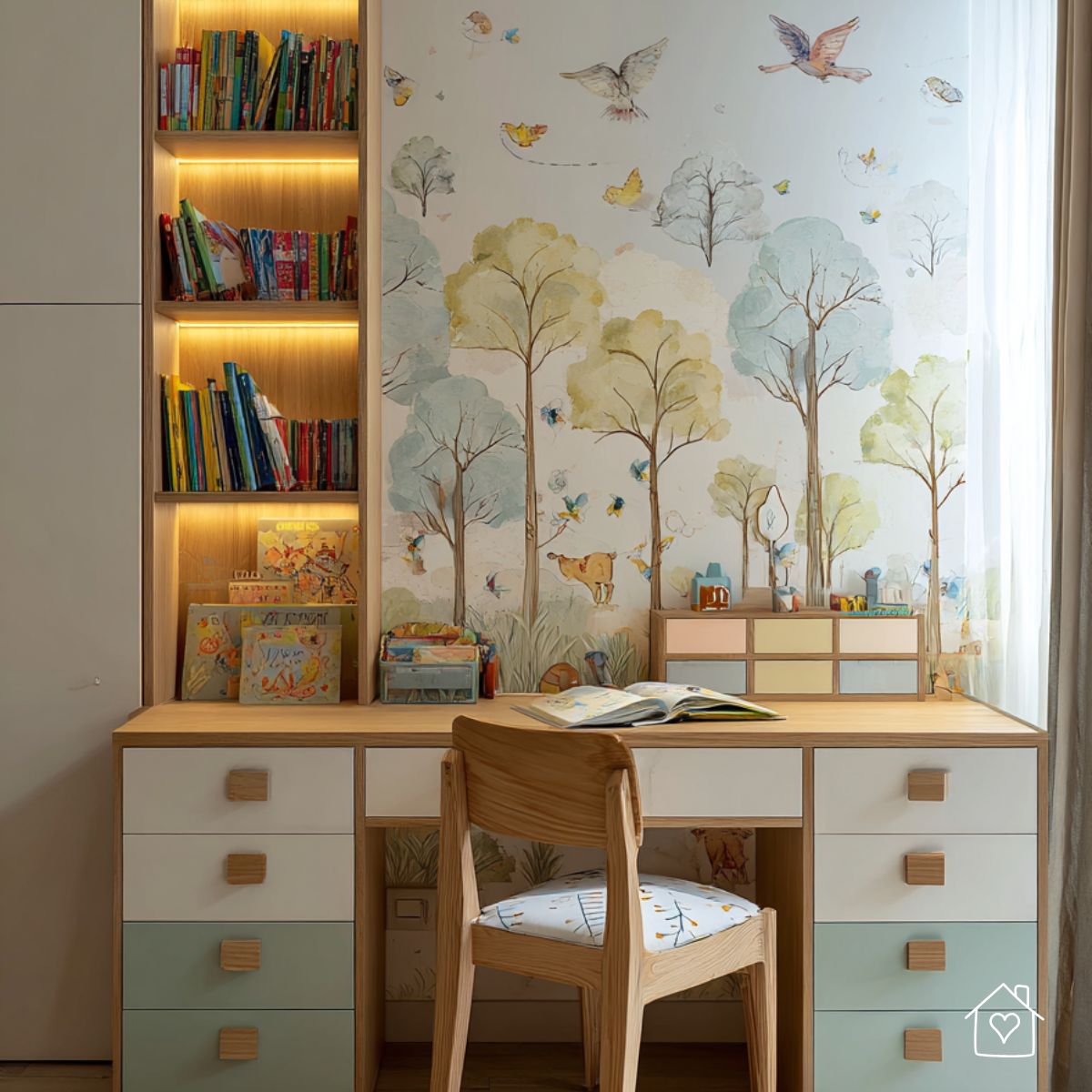
Here are some tips for setting up an inspiring and practical study space for your children.
*This post may contain affiliate links and I'll earn a commission if you shop through them. You can read my full disclosure here.
Choose the Right Location
Pick a quiet spot for your child's study area. It should be away from distractions like loud TV shows or noisy siblings. A corner in their bedroom, a cozy nook by a window, or a special spot in a room can work well.
Natural light is important. It can improve mood and concentration. If natural light is limited, add a soft desk lamp for warmth and brightness.
Supportive Tutoring Options
Private tutoring can greatly help your child. It offers one-on-one attention and learning that fits their needs. A tutor can find your child's strengths and weaknesses, and help them improve in subjects they find hard.
The bond between a tutor and your child can lead to better grades and increased confidence. With personalized lessons, kids can ask questions and learn at their own pace, making school less stressful. Tutors use creative methods and relate topics to your child's interests, making learning fun and memorable.
Select Comfortable Furniture
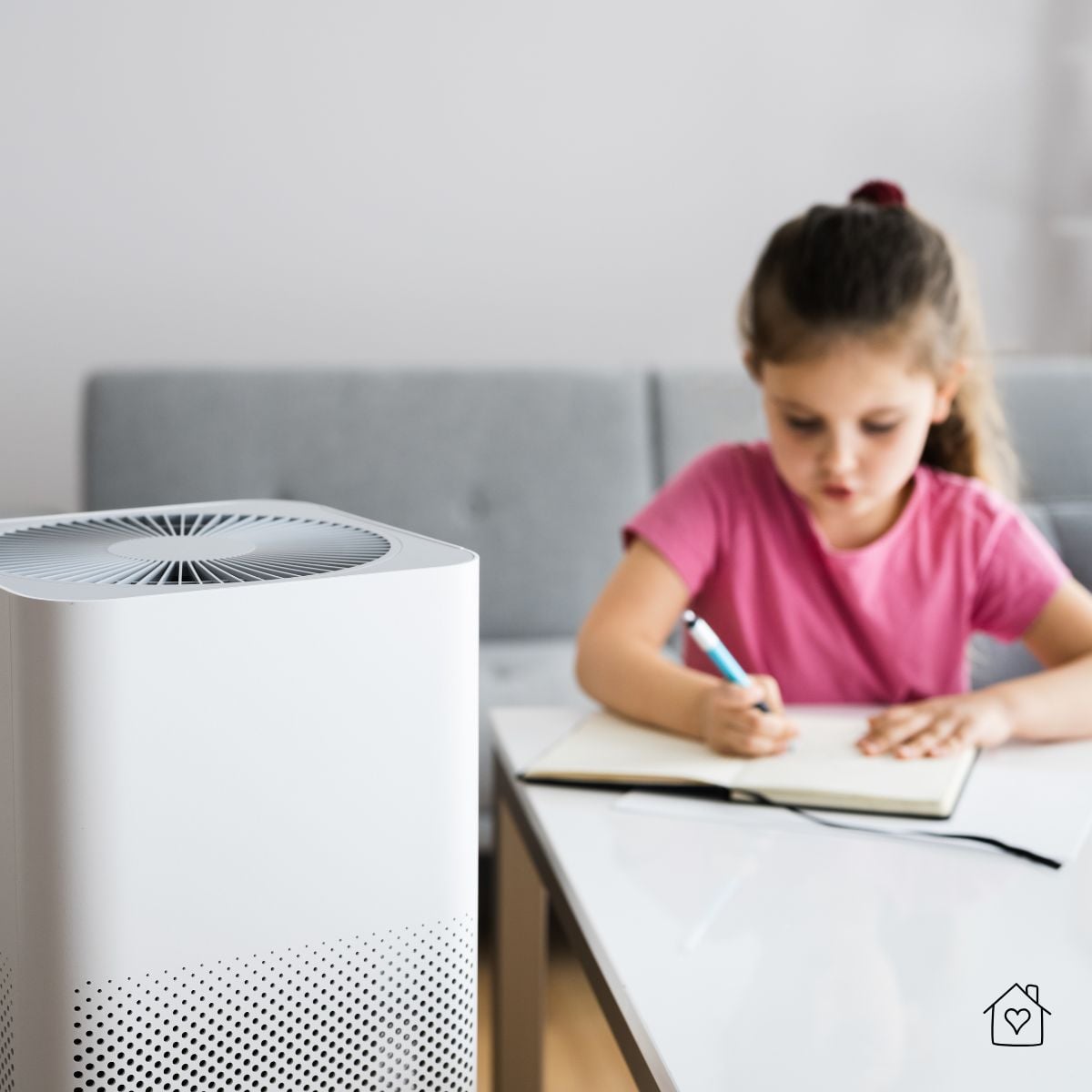
The right furniture is important for your child's comfort and productivity. A sturdy desk at the right height helps them sit properly. Look for desks with storage to keep supplies organized.
Choose a supportive chair that encourages good posture. An adjustable chair is best, as it can grow with your child.
Use Organizational Tools
An organized study area helps kids develop good habits. Use shelves, storage bins, or pegboards to keep important items easily accessible. Labelling these storage areas will teach children about tidiness and responsibility.
Create a dedicated space for books, notebooks, and stationery so they can find what they need without frustration. A bulletin board or whiteboard for reminders, schedules, or motivational quotes can help keep them organized and inspired.
Add Personal Touches
Letting kids personalize their study space can impact how they feel about it. Allow them to choose decorations or colours that they like. Items such as framed pictures, small plants, or fun stationery can make the space feel more special.
Involving them in the design can encourage them to spend more time studying. A favourite quote on the wall or a theme based on their hobbies can make studying more enjoyable.
Use Technology Wisely
In today's world, technology is everywhere. Create a study space that encourages smart device use to enhance learning. If they use a tablet or computer, make sure it fits well into the study area.
Set up a charging station to keep cords organized and tidy. Limit screen time during study hours to help them concentrate better. Clear rules about using technology will promote productive habits while allowing for educational breaks.
Setting Study Times
Having a study routine is important for teaching kids time management. Set specific study times in their daily schedule to build discipline. Regular study hours with breaks keep kids motivated and help them learn effectively.
Involve your kids in making their study schedule. When they help create it, they are more likely to stick to it. Together, you can set aside 'study time' along with other activities to teach them how to balance work and play.
Create Break Areas
Kids need breaks to recharge. Set up a small area nearby where they can step away during study time. This space can have comfortable seats, some toys, or small games for a quick distraction. Short breaks can help prevent burnout and maintain motivation.
Use a timer to remind them when to take a break. This helps them learn to manage their time well. It shows that studying is important, but so is their mental well-being.
Promote Group Learning
Kids can learn better when they study together. Create a space for group study sessions where friends or siblings can work on homework or projects. A large table can be great for sharing ideas and resources.
Encourage discussions and group projects to make study time more interactive. You can also plan regular study "meet-ups" for them and their friends to make learning fun and engaging. This not only helps them academically but also strengthens friendships and improves social skills.
Add Flexibility
Being flexible in a study space can greatly improve a child's learning. Each study session can be different, and changing the setup can boost creativity. Encourage your child to move around their study area now and then or switch activities when needed. For example, they might prefer sitting on a comfy floor cushion for reading or moving to a table for writing. Changing things up can keep studying interesting and engaging.
Encourage Healthy Snack Options
Having healthy snacks on hand can help maintain energy during study time. Set up a small snack station with nutritious options such as fruit, nuts, or yogurt. These snacks not only help concentration but also support healthy eating habits. Make sure they have access to water, as staying hydrated is crucial for focus and well-being.
Involve Family in Learning
Getting the family involved in learning can motivate children. Schedule time for family activities, such as educational games or discussions on new topics. Family book nights or trips to local museums can deepen their understanding of school subjects.
Teaching your child mindfulness and stress management can improve their study habits. Simple activities like deep breathing, short meditation, or stretching can lower anxiety and boost focus. Create a calming corner in the study area with items like stress balls, soothing music, or guided-meditation tools. Helping children manage stress will support their studies and give them valuable life skills.