How to Achieve the Perfect Uniform Green
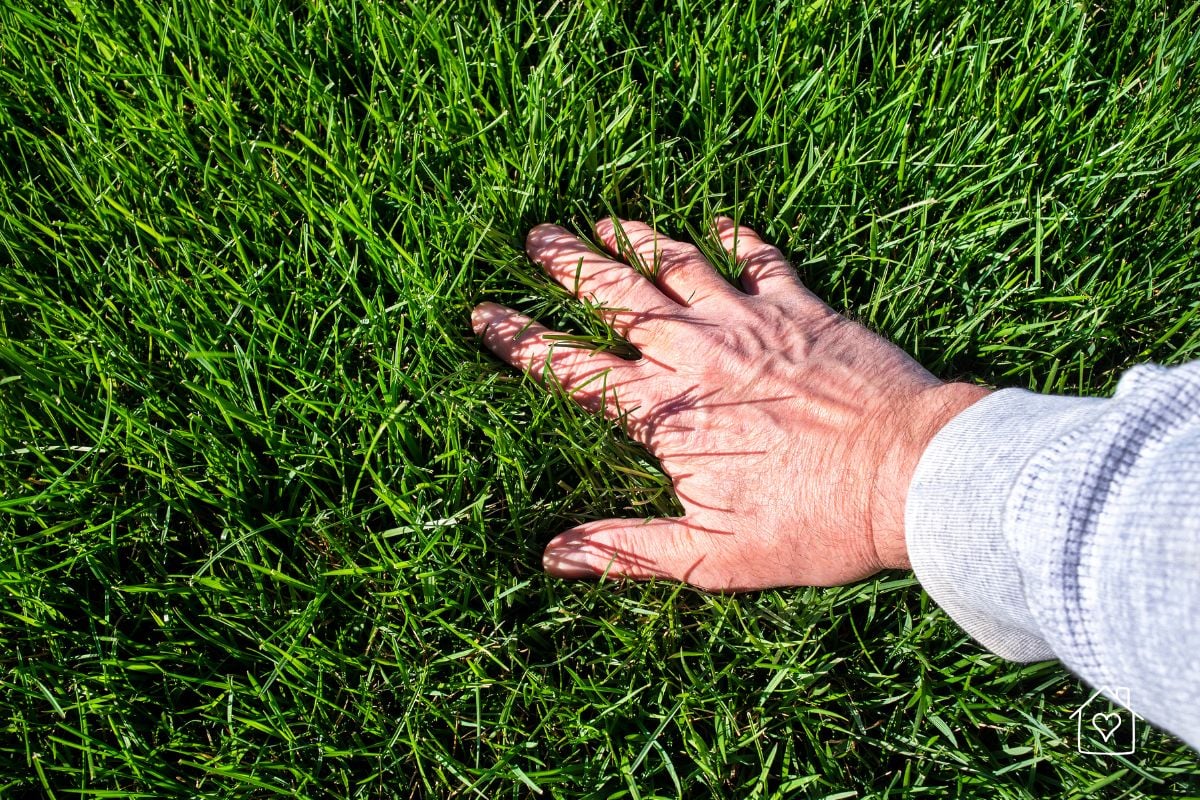
Ever walked past a house with one of those absolutely perfect green lawns and wondered if they hired a team of grass whisperers? You know the ones - not a brown patch in sight, every blade standing at attention like tiny green soldiers. The truth is, achieving that magazine-worthy uniform green isn't as mysterious as it seems. Though it does take a bit more than just hoping for the best.
*This post may contain affiliate links and I'll earn a commission if you shop through them. You can read my full disclosure here.
Starting With the Right Foundation
Here's the thing about perfect lawns - they're kind of like good friendships. You can't fake the foundation. If you're starting from scratch or thinking about a complete overhaul, the type of grass you choose pretty much determines everything that comes after.
Different grass varieties have their own personalities. Some love the sun and practically sunbathe all day, while others prefer a bit of shade. Buffalo grass, for instance, is incredibly hardy and handles Australian conditions like a champion. Couch grass spreads beautifully and creates that dense, uniform look people chase after. If you're in Sydney and need quality options, checking out turf supplies Sydney can save you from the headache of choosing blindly.
The soil underneath matters too. Actually, it matters more than most people realize. Think of it as the grass's dinner plate - if it's not serving up the right nutrients, even the best grass variety will struggle to look its best.
Watering Without Going Overboard
This part's a bit tricky because everyone seems to have a different opinion about watering. Some people water every single day like they're running a grass spa. Others wait until their lawn looks like it's auditioning for a desert movie.

The sweet spot sits somewhere in the middle. Deep, less frequent watering encourages roots to grow down instead of staying shallow and needy. Picture this: trying to drink from a kiddie pool versus a deep well. The deeper roots can access water and nutrients that surface roots never reach.
Morning watering works best. The grass has all day to dry off, which helps prevent those fungal issues that love damp conditions. Plus, you're not competing with the afternoon heat that basically evaporates your efforts before the grass gets a proper drink.
Feeding Your Green Dreams
Fertilizing feels complicated until you realize grass is basically just a hungry plant that covers a large area. It needs regular meals to maintain that lush, uniform color everyone's after.
The timing matters more than the exact brand you choose. Spring feeding gets everything waking up and growing strong. Summer feeding keeps the color vibrant during the harsh months. Autumn feeding helps prepare for winter survival.
But here's where people often mess up - they either go overboard thinking more is better, or they forget entirely. Too much fertilizer can actually burn the grass, creating those lovely brown patches that defeat the whole purpose. Too little leaves you with that sad, pale green that screams "neglected lawn."
Mowing Like You Mean It
The other day someone mentioned they mow their grass super short because they hate doing it often. That's actually working against the uniform green goal. Scalping grass weakens it and creates opportunities for weeds and brown spots to crash the party.
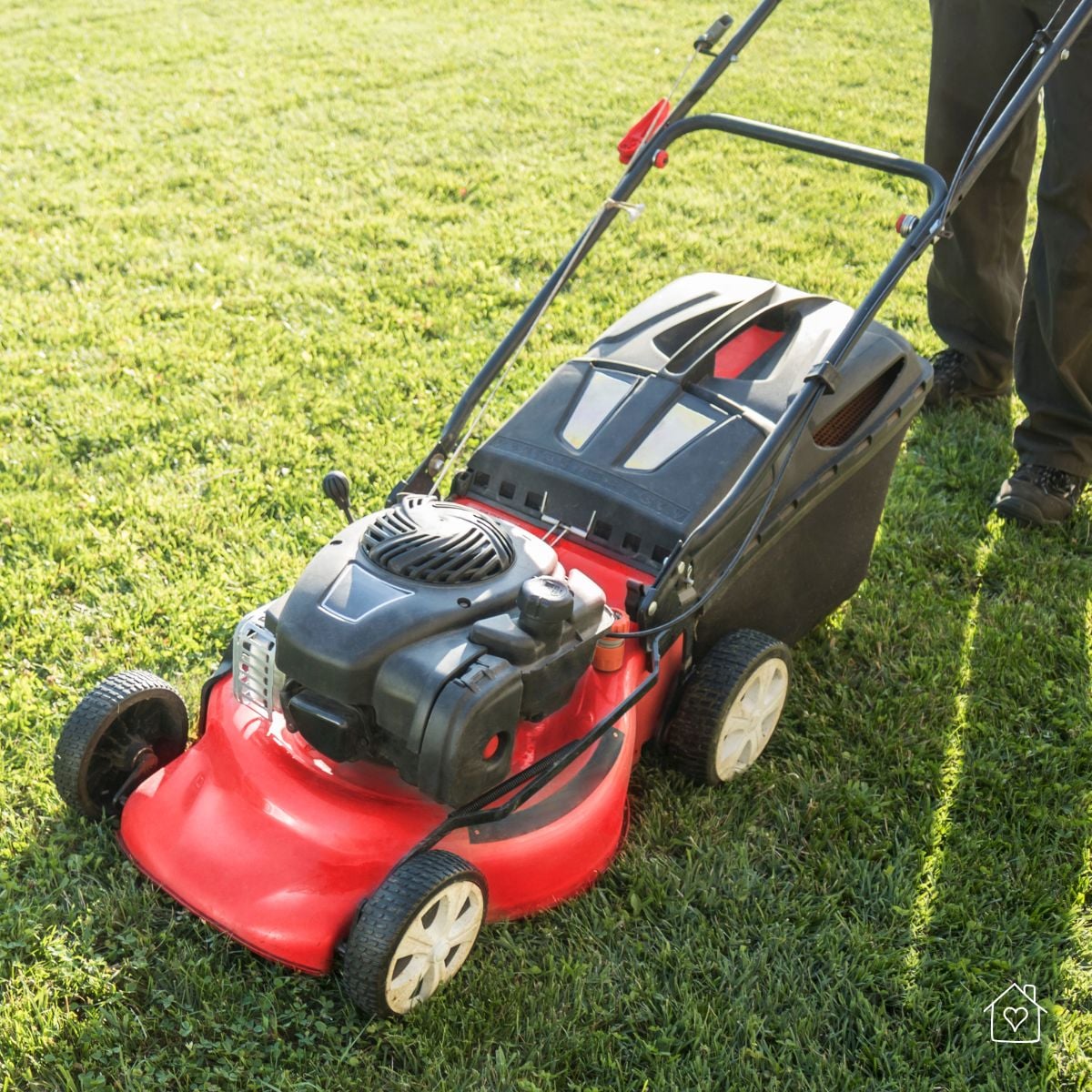
Regular mowing with sharp blades keeps everything looking neat and actually encourages thicker growth. The one-third rule works well - never cut more than one-third of the grass height in a single session. This keeps the grass healthy and maintains that consistent green color across the entire area.
Changing up your mowing pattern prevents those weird wheel tracks and compaction lines that can make even healthy grass look uneven.
Dealing With Problem Areas
Look, even with perfect care, some spots will test your patience. High-traffic areas get compacted. Tree roots compete for nutrients. The dog has favorite spots that take a beating.
These problem areas need extra attention, not just hope and good intentions. Aerating compacted soil helps water and nutrients reach the roots. Overseeding thin patches prevents weeds from moving in. Sometimes you need to accept that certain spots might need different grass varieties or creative solutions.
The key is addressing issues quickly rather than letting them spread and create bigger headaches later.
Patience Pays Off
Achieving that perfect uniform green isn't an overnight transformation. Grass grows at its own pace, and pushing too hard usually backfires. Consistent care over time beats dramatic interventions that shock the system.
Some weeks your lawn will look amazing. Other weeks you'll wonder if you're doing everything wrong. That's normal. Weather, seasons, and a dozen other factors influence how grass responds to your efforts.
The houses with those enviable perfect lawns? They've been at it for a while, tweaking and adjusting until they found what works for their specific conditions. Your perfect green lawn is absolutely achievable - it just needs time to develop.