What Is the 3-Year Rule in Gardening?
*This post may contain affiliate links and I'll earn a commission if you shop through them. You can read my full disclosure here.
New plant owners often expect instant results. A newly planted yard rarely looks like a magazine cover on day one. Plants need time. They must establish roots and adjust to a new environment. This reality leads to a famous phrase among plant experts. Have you come across the "sleep, creep, leap" idea?
This concept helps set realistic expectations. A beautiful outdoor space requires a solid layout. A good tool helps immensely with this step. For example, GardenBox 3D lets you map out exact plant locations on your screen. A proper digital blueprint sets the stage for success. You design the space. Nature does the rest.
The Rule Explained
What exactly is this three-year rule? It describes the typical growth cycle of perennial plants, shrubs, and trees. Annuals die every winter. Perennials return every spring. However, perennials do not show their full potential right away.
Year One: Sleep
The first year is the "sleep" phase. The visible parts of the plant do not grow much. This lack of action frustrates many beginners. The plant is not dormant, though. All the energy goes underground. Roots spread deep into the soil. A strong root system ensures future survival. The plant secures access to water and nutrients. Small leaves are normal. Do not panic. Just water the soil and wait. The plant builds a foundation.
Year Two: Creep
The second year is the "creep" phase. The roots are now secure. The plant starts to focus on the top half. You will spot new stems and fresh leaves. The plant slowly fills the empty space in the flower bed. The growth is steady but modest. A few flowers might appear. Do not expect a massive harvest just yet. Do not expect a giant bush either. The plant still builds strength. Patience remains essential in this middle phase.
Year Three: Leap
The third year brings the "leap" phase. The plant finally explodes with life. The roots are deep. The stems are thick. The flowers bloom in large numbers. Shrubs reach their mature size, the yard becomes a lush paradise. The wait pays off. You finally see the exact vision from your original design. The landscape matches your early computer models.
From Screen to Harvest
The three-year rule teaches patience. Still, a great outdoor space requires more than just time. A clear plan prevents expensive mistakes. A random trip to the plant nursery usually leads to chaos. You buy random things. Nothing fits together. Let us look at a better way to build your yard from the ground up.
Step One: The Digital Layout
Never dig a hole without a map. Start at your computer. Measure the yard and note the sun exposure. Some plants love direct sunlight. Others need heavy shade. Group plants with similar water needs together. Use digital software to visualize the final result. Software tools show the exact shadows cast by your house at different times of day. The perfect spot for sun-loving vegetables is easily found with this feature. Place tall trees in the back. Put short flowers in the front. A computer model lets you move things around with a simple click. You avoid heavy physical labor later. Check the mature size of every plant. Remember the "leap" year. A tiny bush today becomes a massive obstacle in three years. Leave plenty of empty space between new plants.
Step Two: Soil Preparation
Good dirt creates good plants. Test the soil first. Buy your seeds later. Hardware stores sell cheap test kits. The results show nutrient levels and pH balance. Add compost to poor dirt. Mix in some compost. It brings tired dirt back to life and drains water much better. Earthworms and helpful bugs will show up fast. You want the dirt to smell sweet. It should fall apart easily in your hand. Use a solid shovel to break up any hard clay first. Pull every weed from the roots. A clean bed gives your new plants a fair chance. A rich soil base guarantees strong roots for the "sleep" year.
Step Three: Put Plants in the Ground
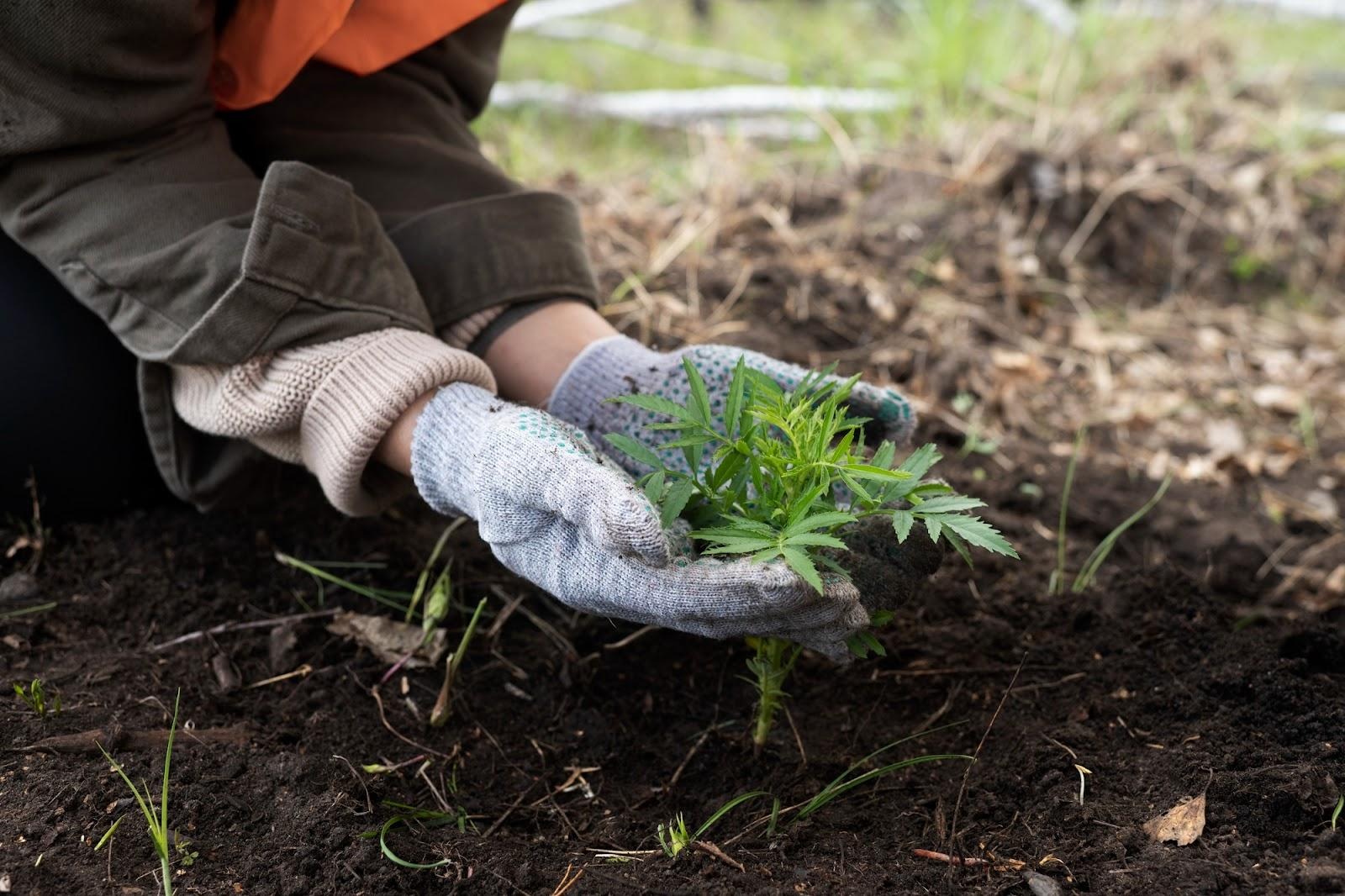
Wait for the right season. Spring and fall offer the best weather for transplants. Summer heat causes severe stress. Read the plant tag for exact distance rules. Make it wide-around double the root ball's size. Do not dig too deep. The top of the root ball must stay level with the ground. Massage the roots gently. This action untangles tight roots. Now set the plant in the hole. Push the loose dirt back in and pat it down tight. Water it deeply from the start. Add mulch on top to keep things moist, just keep it clear of the stem. This small detail prevents rot.
Step Four: Maintenance and Care
A yard requires regular chores. Water deeply to reach the roots, but allow time between watering sessions. Shallow water creates weak surface roots. Feed the soil once or twice a year. Organic options work best over time. Weeds take both water and light from your plants. Inspect the leaves for pests. Remove bugs by hand. Write down notes in a journal. Track the rain, the temperature, and the plant reactions. Good records help you adjust your strategy next season.
Step Five: The Reward
Harvest time brings immense satisfaction. Do it regularly to boost production. Let a few vegetables stay on the vine until they dry out. You can save their seeds in a dark cupboard for next spring. You might grow more than you can handle. Drop off some tomatoes to the neighbors and bring fresh flowers to friends.

Trust the Process
Nature works on a strict schedule. You cannot rush a tree. You cannot force a flower to bloom early. You must accept the natural pace. The three-year rule applies to almost every perennial yard project. First, the plants sleep. Next, the plants creep. Finally, the plants leap.
Use technology to set a perfect foundation. Prepare the earth with care. Plant with precision. Maintain the space with dedication. Enjoy the final harvest. A well-planned yard offers decades of beauty and abundant food. The early effort always pays a high dividend. Just remember to breathe. Enjoy the quiet moments outside. Watch the slow progress. A beautiful outdoor space is a long-term project. It is always worth the wait.